Просмотр новости
Найдите то, что Вас интересует
 Спутники
 РН
РН SpaceX
 Роскосмос
 NASA
NASA
СпутникиРНSpaceXРоскосмосNASALooking forward to the follow-up post on this topic!
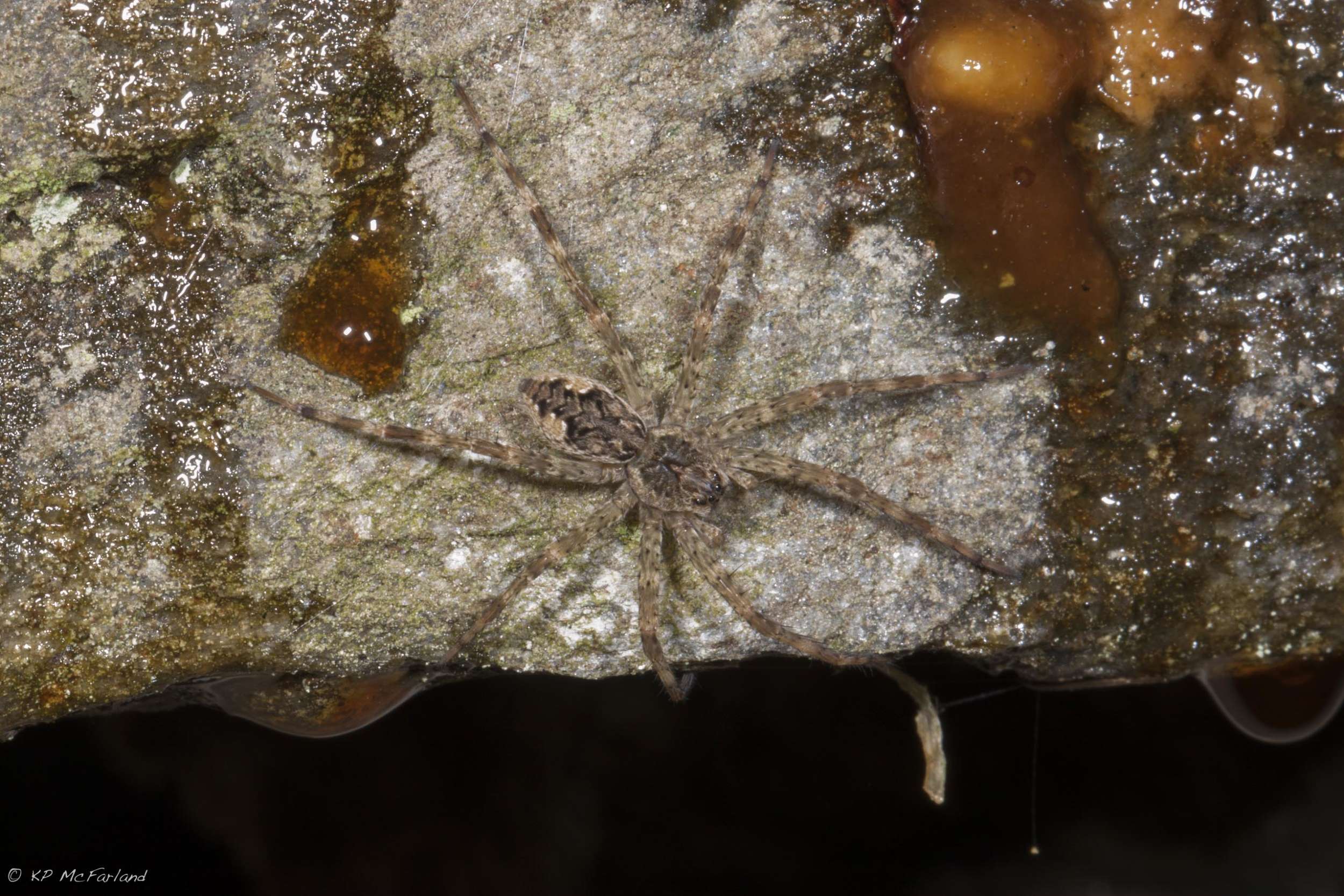
Winter can be tough on all of us. It’s cold, our lips get chapped, and fresh veggies are hard to come by. It turns out, spiders have their own versions of these very challenges to deal with. When winter’s cold sets in, spiders employ strategies that many other organisms use to deal with the cold, dry air and lack of food – either they go dormant, remain active, or lay eggs and then die.
Spiders are “poikilothermic,” meaning their body temperatures vary significantly, more or less tracking that of their environment. The chief challenge of winter for spiders in the temperate zone, then, is dealing with the cold.
Many spiders – as many as 85% of the temperate spider species — go dormant for the winter, hunkering down below the leaf litter. Their metabolism slows, their legs draw up tight against their body to conserve heat and moisture, and they wait it out. They can go months without a meal, although they are not truly hibernating and will dine if the opportunity presents itself. Where a blanket of snow insulates the ground, spiders maintain body temperatures around 0C even when the temperature above the snow is much colder, despite their “cold blooded” status, exploiting a comparatively warm microhabitat much as subnivean rodents do. This environment retains available moisture more than unprotected places as well, so dormant spiders successfully avoid desiccation.
Some spiders – including some of the smallest, members of the family Linyphiidae, 1-5mm in size – actually remain active in the winter. With elevated metabolic rates, this group is concerned not only with freezing but starving as well. Feeding upon winter-active Collembola (the springtails you see on the snow’s surface, as if someone spilled their pepper grinder) and any other prey they can find, these spiders can remain active until their body temperature is -4C, when they will go dormant like other spiders. If they cool to -7C, they die.
Exactly how spiders achieve their cold-hardiness remains a mystery. Glycerol, the same “anti-freeze” compound found in the blood of some amphibians in winter that prevents their blood cells from freezing and bursting, is found at elevated levels in the hemolymph (the spidery version of blood) during winter. And while this can explain a modest lowering of the freezing temperature for spiders, it only accounts for a 1-degree decrease. Some garden spiders can withstand temperatures as low as -20C, even in unprotected places, and scientists simply do not know how.
Aside from seeking protected microhabitats (like the leaf litter), spiders adopt behaviors that proactively control body temperature. They bask. As the weather cools, a spider builds it web oriented East-West, so that its body on the web receives the full impact of the sun’s rays. (Who among us has not found a protected south-facing spot to soak up some rays on a cold winter day?) In hot environs, it will do just the opposite, orienting its web sideways to the sun. Some studies even suggest that as temperatures drop, female spiders build webs to control body temperature, thereby extending their reproductive season. Spiders minding their egg masses have been shown to take them underground to moderate their temperature, and to bring them back out into the sun to warm them back up. And somehow – another mystery – through these behaviors spiders can maintain their body temperatures several degrees above or below the ambient temperature of their environment. They manage it, though, without the benefit of polar fleece or goose down – yet another reason to marvel at these diminutive, creative engineers.

Susan earned a B.S. in geology from Duke University and an M.S. from the Field Naturalist Program at the University of Vermont. Her master's project found her trapping invertebrates along the shores of the Colorado River through the Grand Canyon and initiated an unlikely interest in spiders. Most of her career has been in environmental non-profits, as grantor and grantee alike. Susan lives in Weathersfield with her husband, Todd, and daughters, Dory and Brooke. She loves steep learning curves, the fluty song of the hermit thrush, the smell of freshly mowed grass, sand between her toes, and cooking for a crowd.