Просмотр новости
Найдите то, что Вас интересует
 Спутники
 РН
РН SpaceX
 Роскосмос
 NASA
NASA
СпутникиРНSpaceXРоскосмосNASAAbstract* Background Antimicrobial stewardship programs (ASPs) are increasingly implemented in intensive care units (ICUs) to optimize antibiotic therapy, reduce antimicrobial resistance, and improve patient outcomes. Clinical pharmacists contribute to ASP activities through antimicrobial optimization, therapeutic drug monitoring, and de-escalation strategies. However, evidence regarding their impact in ICU settings remains limited. Objective To evaluate the effect of clinical pharmacist involvement in ASPs on mortality, ICU length of stay (LOS), and antibiotic utilization among critically ill patients. Methods This systematic review and meta-analysis followed PRISMA 2020 guidelines and was registered in PROSPERO (CRD420261308161) on March 17, 2026. PubMed, Scopus, ScienceDirect, and Cochrane Library were searched for studies published between January 2016 and December 2025. Cohort and quasi-experimental studies assessing pharmacist involvement in ICU-based ASPs were included. Risk of bias was assessed using ROBINS-I, and the certainty of the evidence was evaluated using GRADE. Random-effects meta-analysis was performed using RevMan. Results Fourteen studies from Kuwait, Egypt, Thailand, China, Pakistan, Japan, Korea, Palestine, and the United States were included. Pharmacist involvement in ASPs may reduce mortality among ICU patients (RR = 0.85; 95% CI: 0.73–1.00; I2 = 34%). Significant mortality reductions were observed in quasi-experimental studies (RR = 0.74; 95% CI: 0.62–0.89) and in pharmacist-led interventions (RR = 0.76; 95% CI: 0.62–0.93). No significant reduction in ICU LOS was observed overall. However, pharmacist-led interventions in cohort studies were associated with shorter ICU stay (MD = −1.43 days; 95% CI: −2.12 to −0.73). Most studies reporting antibiotic utilization demonstrated reductions in therapy duration or DOT after ASP implementation. Evidence certainty was moderate for mortality and very low for ICU LOS. Conclusions Clinical pharmacist involvement in ICU ASPs may reduce mortality and optimize antibiotic use, particularly in pharmacist-led interventions. Further high-quality studies are needed to confirm these findings.

Dedeo YA, Pranada AD, Pertiwi L et al. Impact of Pharmacist Involvement in Antimicrobial Stewardship Programs on Clinical Outcome and Antibiotic Utilization in Intensive Care Unit: A Systematic Review and Meta-Analysis [version 1; peer review: awaiting peer review]. F1000Research 2026, 15:1353 (https://doi.org/10.12688/f1000research.183717.1)
Systematic Review
[version 1; peer review: awaiting peer review]
https://orcid.org/0000-0002-4092-166X
1, Andi Desiah Pranada1, Luthfiah Pertiwi1, Ayunda Nur Hidayatiningsih2, Zullies Ikawatihttps://orcid.org/0000-0002-4812-055X
3https://orcid.org/0000-0002-4092-166X
1, Andi Desiah Pranada1, [...] Luthfiah Pertiwi1, Ayunda Nur Hidayatiningsih2, Zullies Ikawatihttps://orcid.org/0000-0002-4812-055X
31 Master of Clinical Pharmacy, Universitas Gadjah Mada, Faculty of Pharmacy, Yogyakarta, Special Region of Yogyakarta, Indonesia
2 Pharmacy Installation, dr. Soebandi Regional Public Hospital, Jember Regency, East of Java, Indonesia
3 Clinical Pharmacy and Pharmacology, Universitas Gadjah Mada, Faculty of Pharmacy, Yogyakarta, Special Region of Yogyakarta, Indonesia
Yermia Ademi Dedeo
Roles: Conceptualization, Formal Analysis, Methodology, Software, Visualization, Writing – Original Draft Preparation, Writing – Review & Editing
Andi Desiah Pranada
Roles: Data Curation, Resources, Writing – Original Draft Preparation
Luthfiah Pertiwi
Roles: Data Curation, Resources, Writing – Original Draft Preparation, Writing – Review & Editing
Ayunda Nur Hidayatiningsih
Roles: Data Curation, Methodology, Resources, Writing – Original Draft Preparation, Writing – Review & Editing
Zullies Ikawati
Roles: Supervision, Writing – Review & Editing
OPEN PEER REVIEW
REVIEWER STATUS AWAITING PEER REVIEW
Antimicrobial stewardship programs (ASPs) are increasingly implemented in intensive care units (ICUs) to optimize antibiotic therapy, reduce antimicrobial resistance, and improve patient outcomes. Clinical pharmacists contribute to ASP activities through antimicrobial optimization, therapeutic drug monitoring, and de-escalation strategies. However, evidence regarding their impact in ICU settings remains limited.
ObjectiveTo evaluate the effect of clinical pharmacist involvement in ASPs on mortality, ICU length of stay (LOS), and antibiotic utilization among critically ill patients.
MethodsThis systematic review and meta-analysis followed PRISMA 2020 guidelines and was registered in PROSPERO (CRD420261308161) on March 17, 2026. PubMed, Scopus, ScienceDirect, and Cochrane Library were searched for studies published between January 2016 and December 2025. Cohort and quasi-experimental studies assessing pharmacist involvement in ICU-based ASPs were included. Risk of bias was assessed using ROBINS-I, and the certainty of the evidence was evaluated using GRADE. Random-effects meta-analysis was performed using RevMan.
ResultsFourteen studies from Kuwait, Egypt, Thailand, China, Pakistan, Japan, Korea, Palestine, and the United States were included. Pharmacist involvement in ASPs may reduce mortality among ICU patients (RR = 0.85; 95% CI: 0.73–1.00; I2 = 34%). Significant mortality reductions were observed in quasi-experimental studies (RR = 0.74; 95% CI: 0.62–0.89) and in pharmacist-led interventions (RR = 0.76; 95% CI: 0.62–0.93). No significant reduction in ICU LOS was observed overall. However, pharmacist-led interventions in cohort studies were associated with shorter ICU stay (MD = −1.43 days; 95% CI: −2.12 to −0.73). Most studies reporting antibiotic utilization demonstrated reductions in therapy duration or DOT after ASP implementation. Evidence certainty was moderate for mortality and very low for ICU LOS.
ConclusionsClinical pharmacist involvement in ICU ASPs may reduce mortality and optimize antibiotic use, particularly in pharmacist-led interventions. Further high-quality studies are needed to confirm these findings.
Clinical Pharmacist, Antimicrobial stewardship program, Intensive Care Units, Mortality, Length of stay, Duration of Therapy
Corresponding authors: Yermia Ademi Dedeo, Zullies Ikawati Competing interests: No competing interests were disclosed.
Grant information: This study was supported by the Indonesia Endowment Fund for Education (LPDP), under the Ministry of Finance of the Republic of Indonesia. Grant Numbers: 202406113203971 (Yermia Ademi Dedeo), 202406113203528 (Andi Desiah Pranada), 202406113203202 (Luthfiah Pertiwi), 202406113203908 (Ayunda Nur Hidayatiningsih). The funder had no role in study design, data collection and analysis, decision to publish, or preparation of the manuscript.
The funders had no role in study design, data collection and analysis, decision to publish, or preparation of the manuscript.
Copyright: © 2026 Dedeo YA et al. This is an open access article distributed under the terms of the Creative Commons Attribution License, which permits unrestricted use, distribution, and reproduction in any medium, provided the original work is properly cited. How to cite: Dedeo YA, Pranada AD, Pertiwi L et al. Impact of Pharmacist Involvement in Antimicrobial Stewardship Programs on Clinical Outcome and Antibiotic Utilization in Intensive Care Unit: A Systematic Review and Meta-Analysis [version 1; peer review: awaiting peer review]. F1000Research 2026, 15:1353 (https://doi.org/10.12688/f1000research.183717.1) First published: 12 Aug 2026, 15:1353 (https://doi.org/10.12688/f1000research.183717.1) Latest published: 12 Aug 2026, 15:1353 (https://doi.org/10.12688/f1000research.183717.1)
Antimicrobial resistance remains a major global health threat, driving substantial mortality, morbidity, and healthcare costs, which makes the optimization of antibiotic therapy in ICU patients a priority (Naghavi et al., 2024). In critically ill patients, antibiotic treatment must be initiated promptly and continuously adjusted based on clinical status, microbiological data, and pharmacokinetic considerations (Evans et al., 2021). In low- and middle-income countries, shortages of human resources remain an important barrier to stewardship implementation, including a limited number of dedicated ICU pharmacists (Harun et al., 2024; Jantarathaneewat et al., 2022).
Antimicrobial stewardship programs (ASPs) are designed to optimize antibiotic use, improve clinical outcomes, and reduce antimicrobial resistance through the rational and evidence-based use of antimicrobials (Harun et al., 2024). Effective ASP implementation requires a multidisciplinary approach involving physicians, nurses, pharmacists, and other healthcare professionals who work as a coordinated team (Giamarellou et al., 2023).
Within this framework, pharmacist involvement has been associated with improved antibiotic prescribing, reduced antibiotic consumption, optimized dosing and therapeutic drug monitoring, and lower costs without worsening major clinical outcomes (Dighriri et al., 2023; Monmaturapoj et al., 2021). Specifically in the ICU setting, pharmacist-led interventions have also been linked to lower antibiotic use density, reduced antibiotic costs, and improved antibiotic selection and management (Díaz-Madriz et al., 2022; Gu et al., 2023). This systematic review differs from prior comparisons by evaluating pharmacists as leaders versus pharmacists as members of antimicrobial stewardship programs in the ICU. To date, no similar systematic review has been published within the last 10 years.
Based on this evidence, this systematic review aims to evaluate the impact of pharmacist involvement in ASP teams on antibiotic therapy in ICU patients, focusing on primary outcomes including all-cause mortality, length of hospital stay, and duration of antibiotic therapy. The underlying hypothesis is that pharmacists’ involvement in antimicrobial stewardship program teams helps optimize antibiotic therapy and clinical outcomes among ICU patients.
This systematic review and meta-analysis were conducted in accordance with the Preferred Reporting Items for Systematic Reviews and Meta-Analyses (PRISMA) 2020 guidelines. The review protocol was registered with the International Prospective Register of Systematic Reviews (PROSPERO) under the registration number CRD420261308161. The study aimed to evaluate the impact of pharmacist involvement in antimicrobial stewardship programs (ASPs) on antibiotic therapy outcomes among intensive care unit (ICU) patients. We amended the PROSPERO protocol because we did not find any randomized controlled trials and did not report any of our outcomes. We added research with a quasi-experimental design because it was found in many of the databases we used.
Studies were eligible for inclusion if they used quasi-experimental or cohort designs and evaluated the role of pharmacists within antimicrobial stewardship programs in ICU settings. Studies involving pharmacists as leaders or members of ASP teams were compared with those without pharmacists on core ASP teams, as described in Table 1. Pediatric, adult, and geriatric ICU patients receiving antibiotic therapy were included, with no country restrictions.
The primary outcome was all-cause mortality, while secondary outcomes included length of ICU stay and duration of antibiotic therapy. Cross-sectional studies, case reports, conference abstracts, editorials, reviews, and non-original studies were excluded.
A comprehensive literature search was conducted in PubMed, Scopus, ScienceDirect, and Cochrane Library for studies published between January 1, 2016, and December 30, 2025. The search strategy used combinations of the following keywords and Boolean operators: (“antimicrobial stewardship” OR “antibiotic stewardship”) AND (“pharmacist-led” OR “clinical pharmacist” OR “pharmacist intervention”) AND (“intensive care unit” OR “ICU” OR “critical care” OR “critically ill”). Manual screening of the reference lists of relevant articles was additionally performed to identify potentially eligible studies. Following the search, the retrieved records were filtered to include only English-language articles and pharmacology-focused studies.
Four reviewers independently conducted the literature search and removed duplicate records. Duplicate entries were subsequently identified and removed using Mendeley Desktop Version 1.19.8. Two independent reviewers subsequently screened titles and abstracts according to the predefined eligibility criteria, followed by full-text assessment of potentially relevant studies. Any disagreements were resolved through discussion and consensus with a third reviewer.
Data extraction was independently performed by two reviewers using a standardized data extraction form. Extracted data included author names, publication year, country, study design, ICU setting, sample size, participant characteristics, intervention and comparator descriptions, outcomes assessed, duration of intervention, effect size estimates, and 95% confidence intervals. Corresponding authors were contacted when outcome data were incomplete or unavailable.
The methodological quality of included studies was independently assessed by two reviewers using the Risk Of Bias In Non-randomized Studies of Interventions (ROBINS-I) tool. The assessment included bias related to confounding, participant selection, intervention classification, missing data, outcome measurement, and selective reporting. Studies judged to have a critical risk of bias were excluded from quantitative synthesis. Disagreements between reviewers were resolved through discussion with a third reviewer.
The certainty of evidence for each outcome was evaluated using the GRADE Working Group approach. The quality of evidence was assessed across five domains, including risk of bias, inconsistency, indirectness, imprecision, and publication bias. The certainty of evidence for each outcome was categorized as high, moderate, low, or very low. As this review included non-randomized studies, the certainty of the evidence was initially rated as low and subsequently downgraded or upgraded according to predefined GRADE criteria. Summary of Findings tables were generated for the primary and secondary outcomes. Any disagreements between reviewers during the certainty assessment process were resolved through discussion.
Meta-analysis was performed when at least two studies provided sufficiently homogeneous data regarding study population, intervention, comparator, and outcomes. A random-effects model using the inverse-variance method was applied due to the anticipated clinical and methodological heterogeneity among studies.
For dichotomous outcomes, pooled effect estimates were presented as risk ratios (RRs) with 95% confidence intervals (CIs). For continuous outcomes, pooled mean differences (MDs) with 95% CIs were calculated. When studies reported medians and interquartile ranges rather than means and standard deviations, attempts were made to contact the study authors to obtain additional data. If unavailable, conversion methods described in the literature were applied where appropriate.
Statistical heterogeneity was assessed using Cochran’s Q test and quantified using the I2 statistic. Heterogeneity was assessed using standard thresholds, with I2 values>50% indicating substantial heterogeneity. Subgroup analyses were planned based on study design, risk of bias, and pharmacist intervention model when sufficient studies were available. Sensitivity analyses were conducted by excluding studies with serious or critical risk of bias and using a leave-one-out approach.
Publication bias was evaluated using funnel plot asymmetry and/Egger’s regression test for mortality. All statistical analyses were conducted using Review Manager Version 5.4.1 and RStudio Version 2026.04.0 with Metaphor, and a two-sided p-value <0.05 was considered statistically significant.
This systematic review and meta-analysis included 14 studies evaluating antimicrobial management programs in Intensive Care Units (ICUs) as shown in Figure 1. The studies were conducted in various countries, namely Kuwait, Egypt, Thailand, China, Pakistan, Japan, Korea, Palestine, and the United States. The research design found was a cohort and quasi-experimental (before-and-after) study. The main intervention seen was an antibiotic intervention in the ASP team led by a clinical pharmacist (pharmacist-led) and a clinical pharmacist as part of the ASP team (ASP member), as described in Table 2.
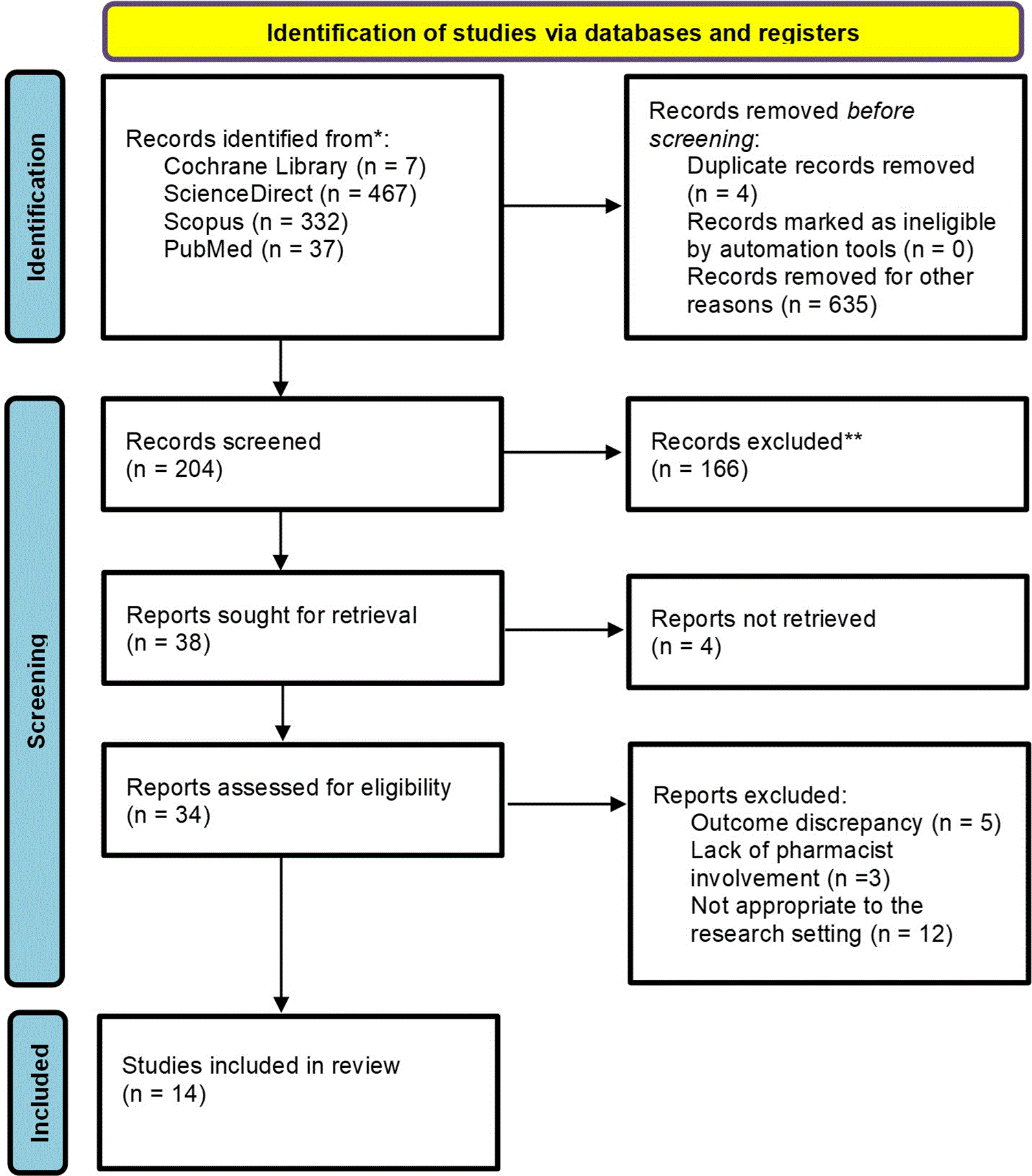
This review aimed to evaluate the role of clinical pharmacists in implementing ASP in the ICU. Observations in this review were based on the mortality rate, duration of therapy, and antibiotic consumption while in the ICU. A total of 12 articles reported the death rate as the incidence and the length of treatment as the mean (SD) or the median (IQR). A total of 8 articles reported the length of antibiotic consumption while in the ICU. However, these results were not reported as a meta-analysis due to non-uniform reporting. The length of antibiotic consumption is considered to have important implications for the implementation of ASP in the ICU, as described in Table 3.
1. Penicillin: 9.88/11.64
2. Anti-P.aeruginosa penicillin: 17.19/20.68
3. First-generation cephems: 16.64/17.41
4. Second-generation cephems: 8.63/9.01
5. Third-generation cephalosporins: 5.32/4.64
6. Fourth-generation cephems: 3.19/3.80
7. Carbapenems: 13.54/10.63
8. Monobactam: 0.07/1.12*
9. Aminoglycosides: 1.76/1.61
10. Macrolides: 0.65/0.49
11. Tetracyclines: 1.41/1.06
12. Quinolones: 3.79/2.90
13. Glycopeptides: 7.28/10.38*
14. Lincosamides: 4.52/6.37
1. Ceftriaxone: 5.5/1.8*
2. Metronidazole: 3.0/1.5*
3. Cefazolin: 4.3/1.9*
1. Carbapenems: 10/4.4*
2. Piperacillin-tazobactam: 6.7/2.7*
3. Vancomycin: 6.5/3.1*
4. Colistin: 7.9/4.8*
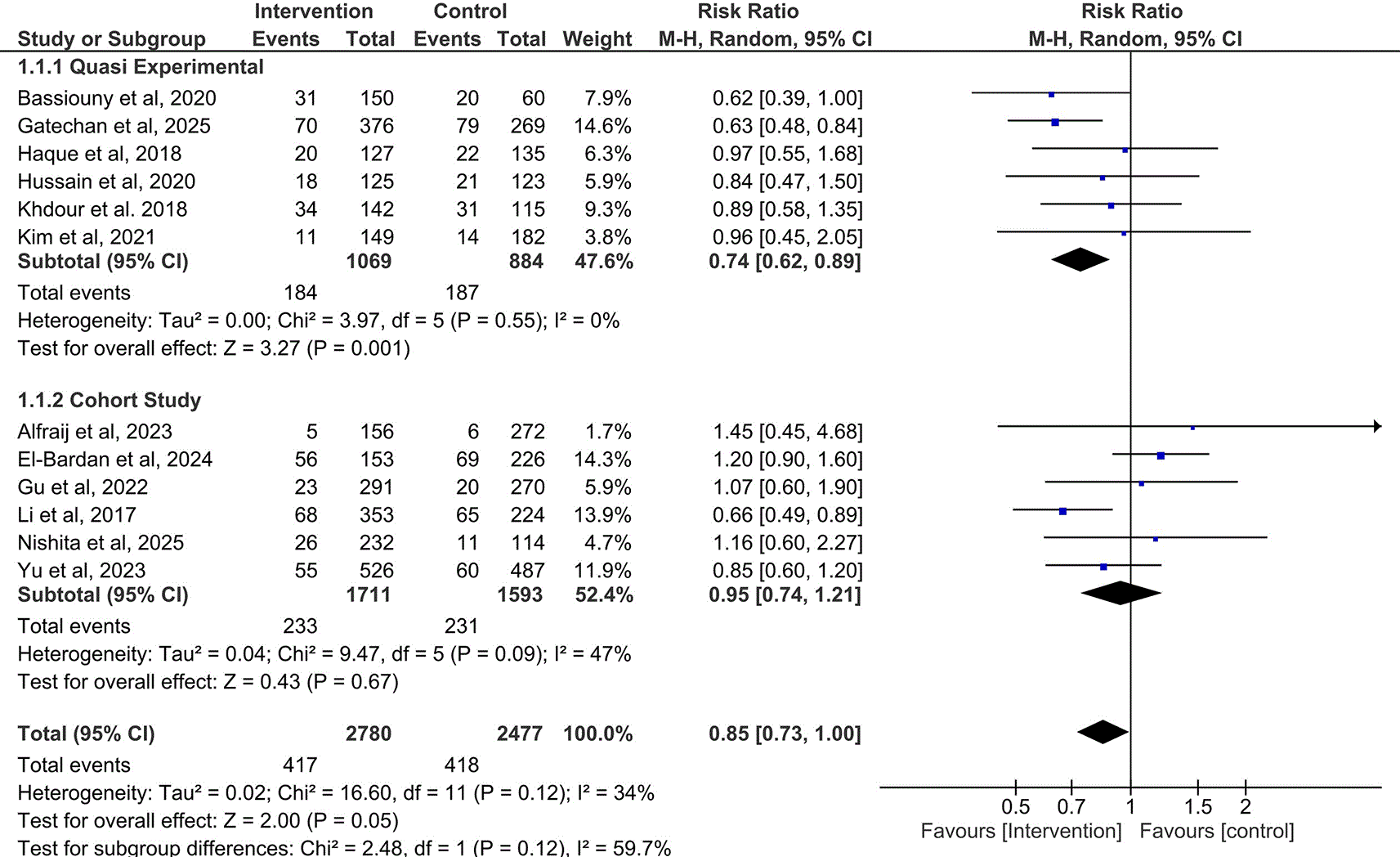
Subgroup analysis by study design demonstrated differing effects of pharmacist involvement in antimicrobial stewardship teams on mortality among ICU patients as shown in Figure 2. In quasi-experimental studies, pharmacist involvement was associated with a statistically significant reduction in mortality compared with the control group (RR = 0.74; 95% CI: 0.62–0.89; p = 0.001), with no observed heterogeneity (I2 = 0%). In contrast, cohort studies showed no statistically significant difference in mortality between the intervention and control groups (RR = 0.95; 95% CI: 0.74–1.21; p = 0.67), with moderate heterogeneity (I2 = 47%). The overall pooled analysis demonstrated a statistically significant reduction in mortality favouring pharmacist involvement (RR = 0.85; 95% CI: 0.73–1.00; p = 0.05), with low heterogeneity (I2 = 34%). However, no statistically significant subgroup differences were identified between study designs (p = 0.12).
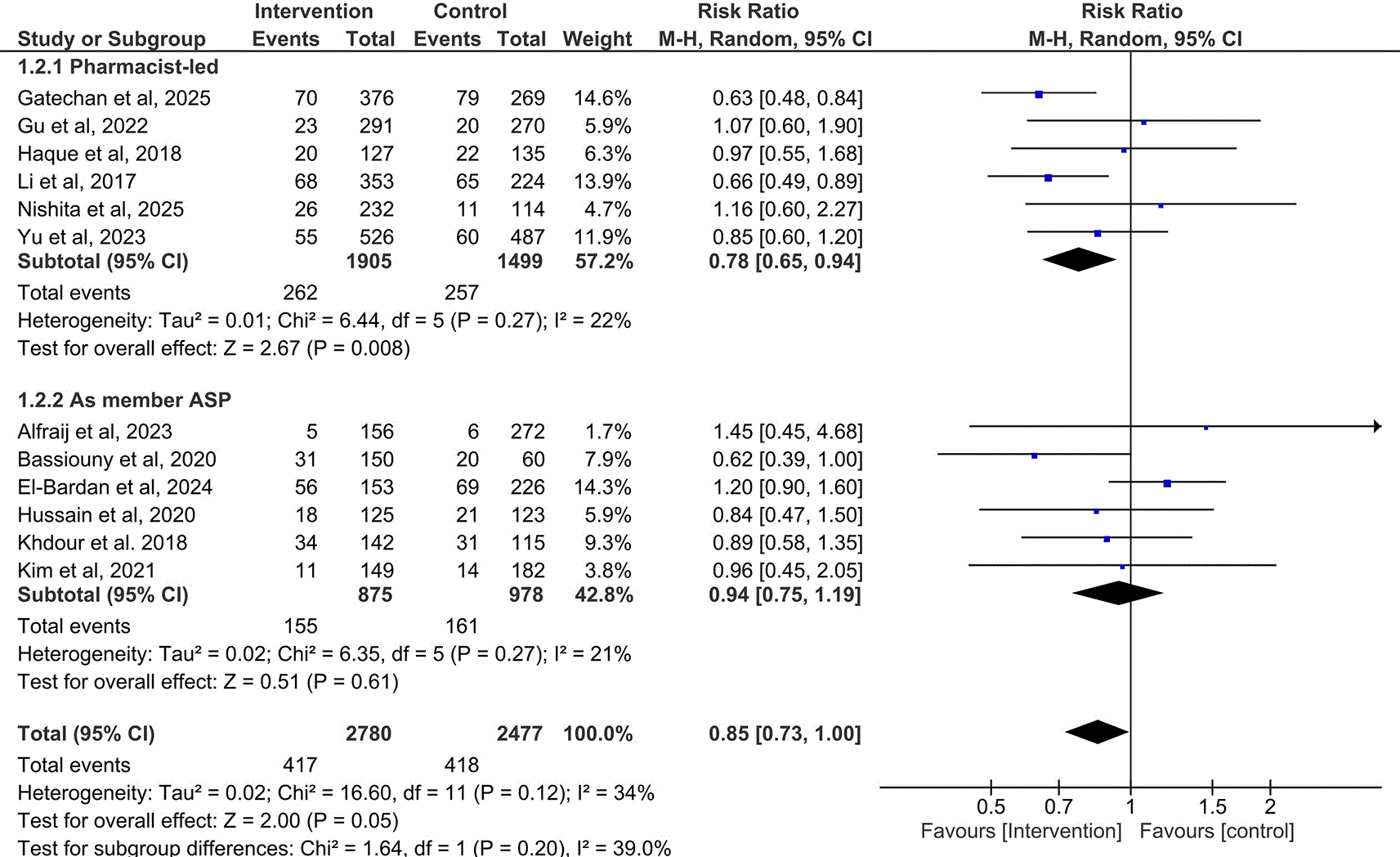
Subgroup analysis by intervention type showed varying effects of pharmacist involvement in antimicrobial stewardship programs on mortality among ICU patients as shown in Figure 3. Pharmacist-led interventions were associated with a statistically significant reduction in mortality compared with the control group (RR = 0.76; 95% CI: 0.62–0.93; p = 0.009), with low heterogeneity observed among studies (I2 = 29%). In contrast, interventions in which pharmacists participated as members of the antimicrobial stewardship program team did not demonstrate a statistically significant reduction in mortality (RR = 0.96; 95% CI: 0.80–1.16; p = 0.68), with low heterogeneity (I2 = 6%). Overall pooled analysis demonstrated a significant reduction in mortality favouring pharmacist involvement (RR = 0.85; 95% CI: 0.73–1.00; p = 0.05), with low heterogeneity across studies (I2 = 34%). However, no statistically significant subgroup differences were identified between intervention types (p = 0.10).
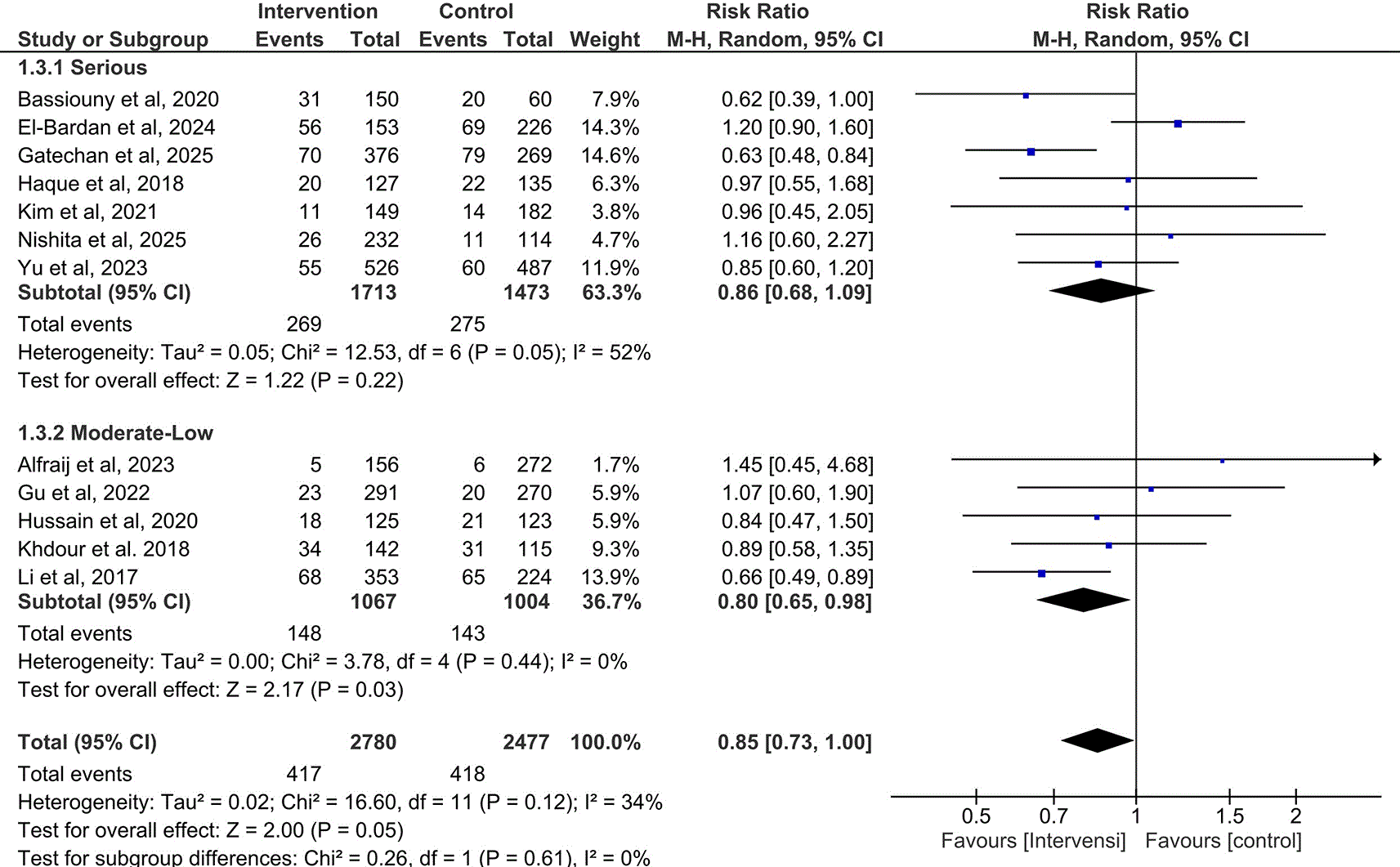
Subgroup analysis based on risk of bias demonstrated varying effects of pharmacist involvement in antimicrobial stewardship teams on mortality outcomes as shown in Figure 4. Studies categorized as having a serious risk of bias showed no statistically significant difference between intervention and control groups (RR = 0.86; 95% CI: 0.68–1.09; p = 0.22), with moderate heterogeneity observed among studies (I2 = 52%). In contrast, studies with moderate-to-low risk of bias demonstrated a statistically significant reduction in mortality in favour of the intervention group (RR = 0.80; 95% CI: 0.65–0.98; p = 0.03), with no observed heterogeneity (I2 = 0%). The overall pooled analysis showed a statistically significant reduction in mortality associated with pharmacist involvement (RR = 0.85; 95% CI: 0.73–1.00; p = 0.05), with low heterogeneity across studies (I2 = 34%). However, no statistically significant subgroup differences were identified across risk-of-bias categories (p = 0.61).
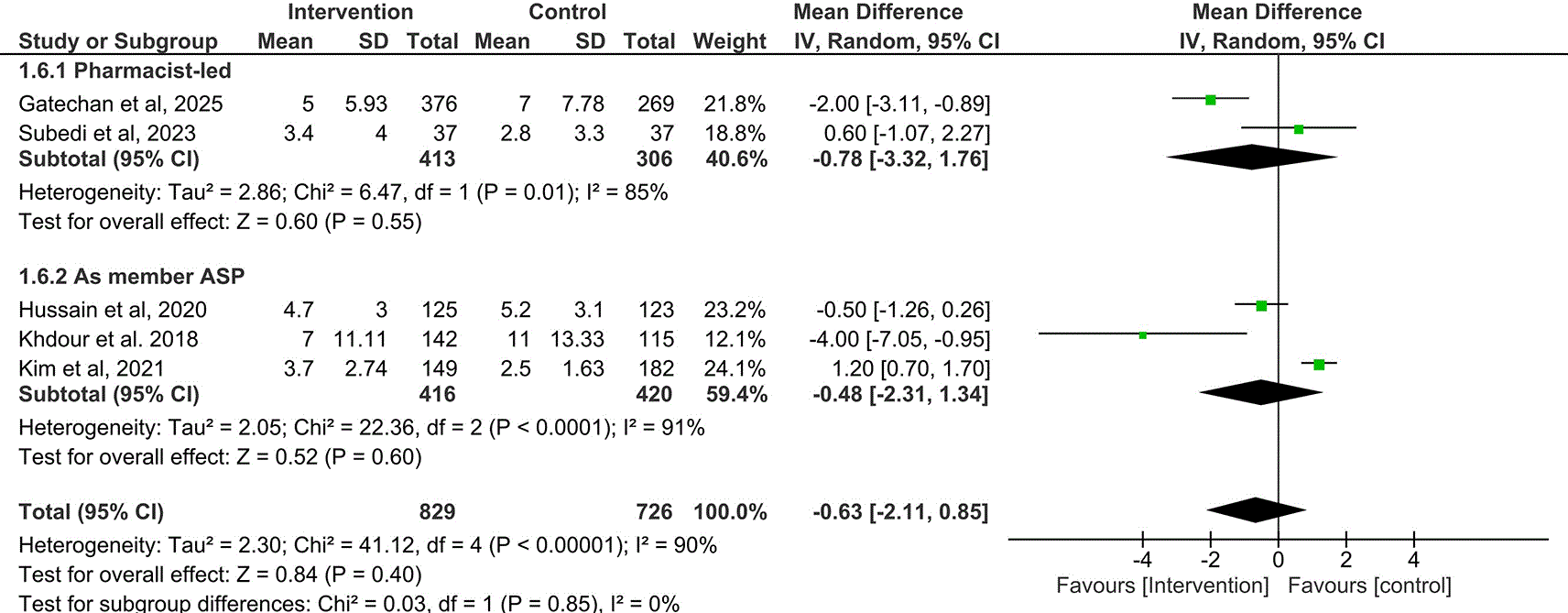
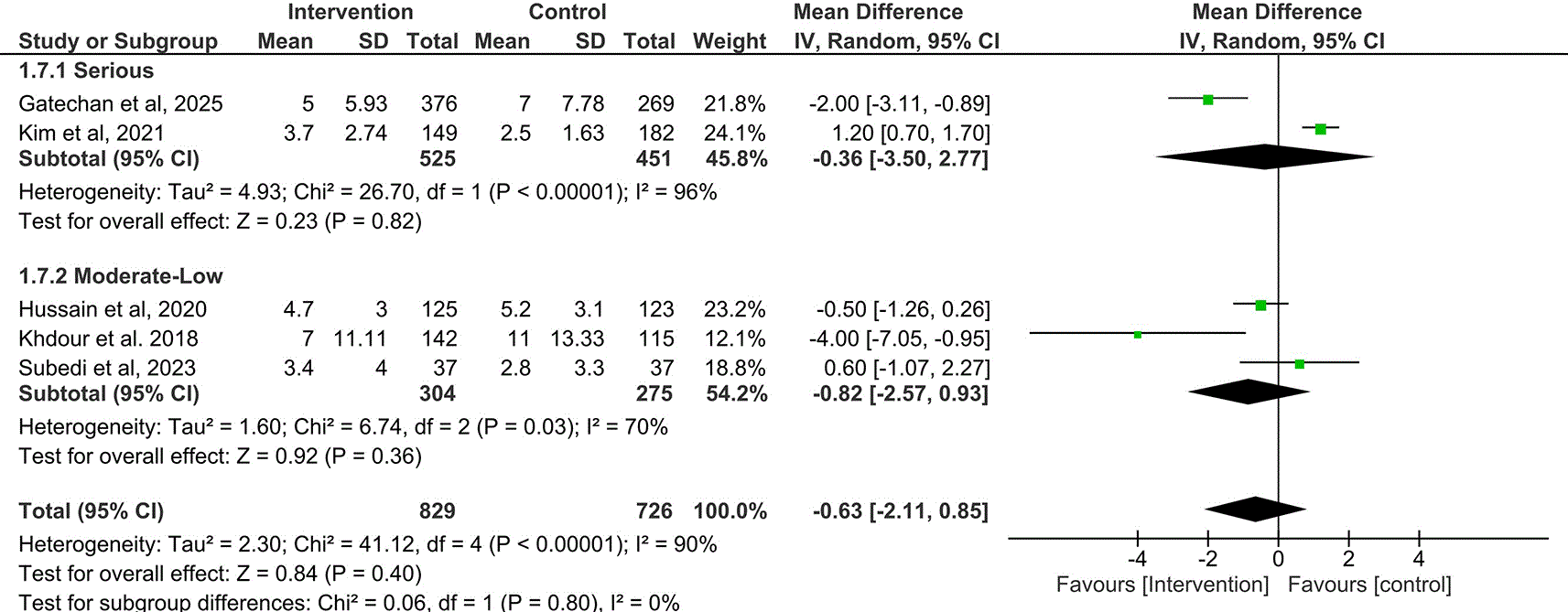
An analysis of the length of stay using a before-and-after design approach included 5 studies. The combined analysis of the study had an average difference of −0.63 days (95% CI -2.11 to 0.85; I2 = 90%) as shown in Figure 5 and Figure 6. Because the confidence interval included zero, there was no statistically significant difference between the treatment without a clinical pharmacist and the treatment involving a clinical pharmacist. High heterogeneity indicates great variability between studies. Subgroup analysis was conducted using a clinical pharmacist intervention-type approach to address therapy and research bias. A total of 2 studies showed a difference in the mean of treatment led by clinical pharmacists, −0.78 days (95% CI -3.32 to 1.76; I2 = 85%), and as many as 3 studies of pharmacists as members of the ASP team, 0.48 days (95% CI -2.21 to 1.34; I2 = 91%). A total of 2 studies with serious bias – 0.36 days (−3.50 to 2.77; I2 = 95%) and as many as 3 studies with low to moderate bias −0.82 days (−2.57 to 0.93; I2 = 70%). These results show no statistically significant differences. The heterogeneity is high across subgroups, so these findings do not support a consistent effect of clinical pharmacist intervention on ICU length of stay.
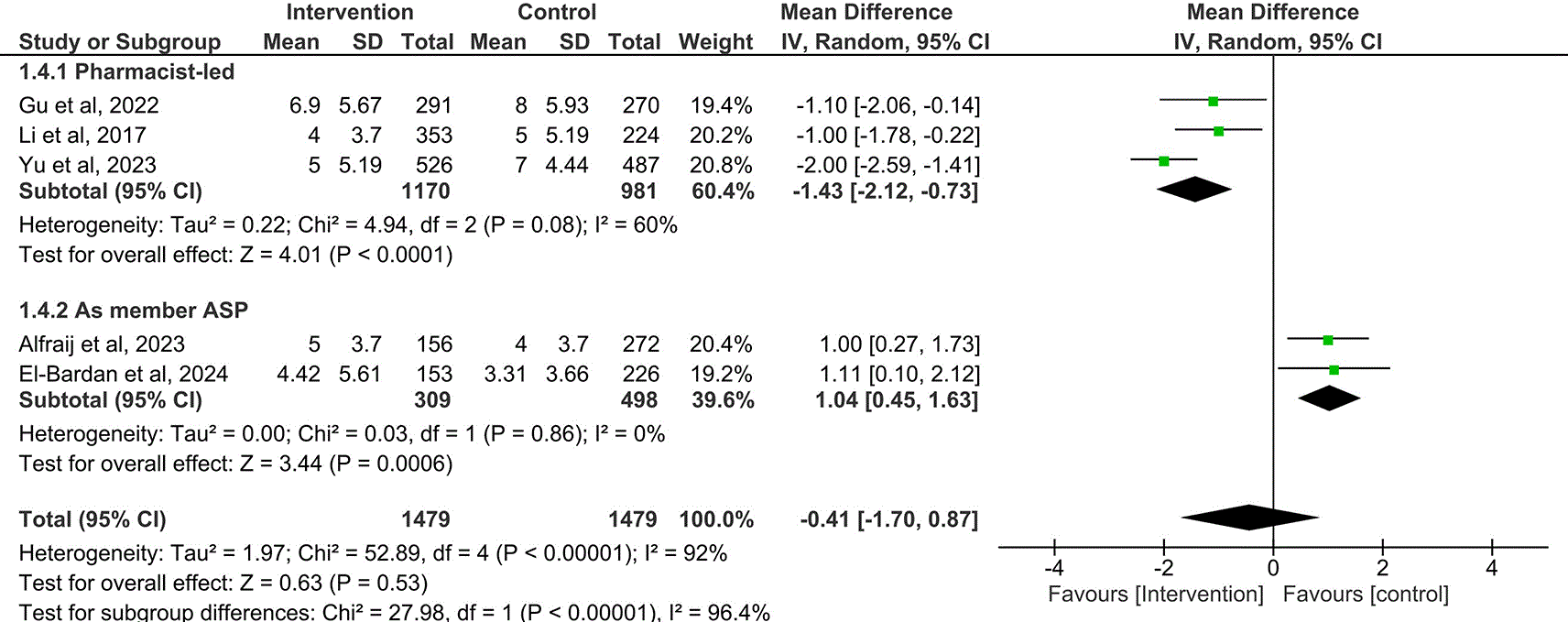
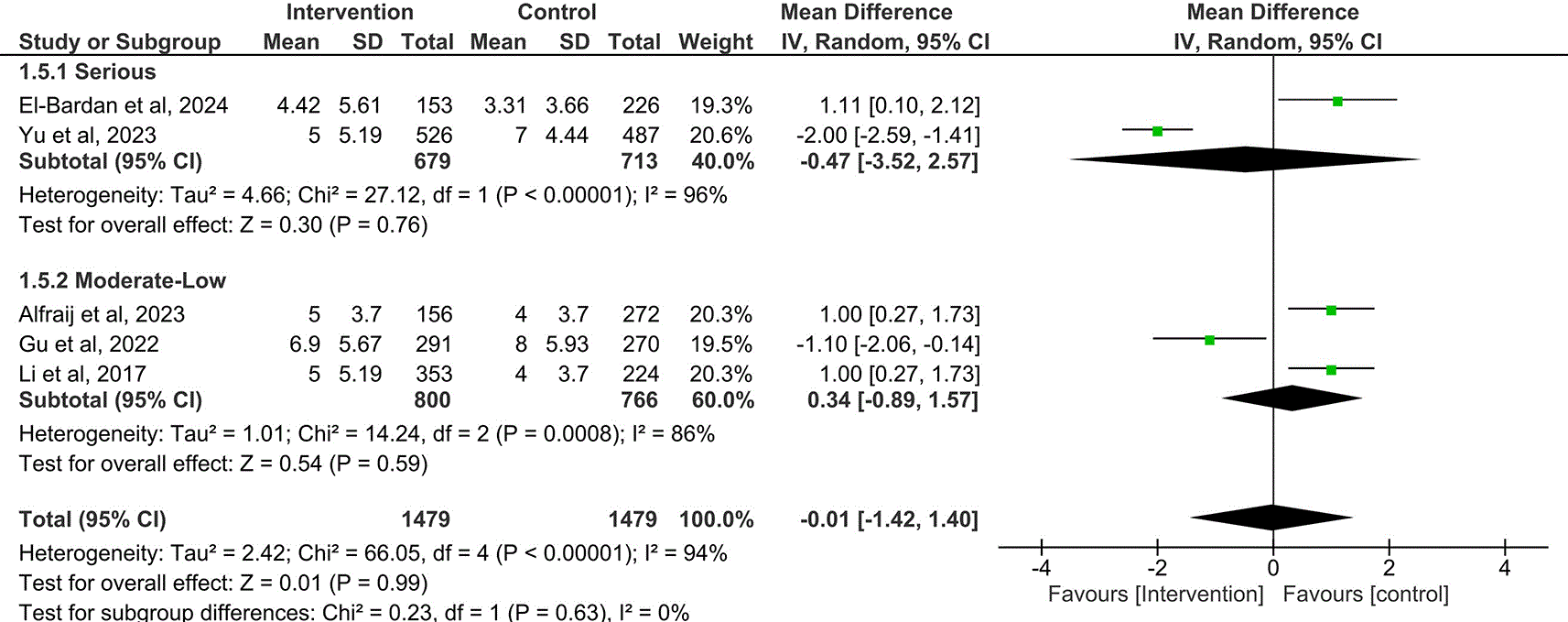
In the analysis of ICU length of stay in a cohort design, 5 studies were included. The combined analysis of the study showed an average difference of −0.41 days (95% CI, −1.70 to 0.87; I2 = 92%) as shown in Figure 7 and Figure 8. Statistically, there was no significant difference between the treatment that did not involve clinical pharmacists and the treatment that did. Subgroup analysis was also carried out by type of clinical pharmacist intervention in therapy and by research bias. A total of 3 studies showed a difference in the mean of clinical pharmacist-led care of −1.43 days (95% CI -2.12 to −0.73; I2 = 60%), and 2 studies showed a difference of 1.04 days (95% CI 0.45 to 1.63; I2 = 0%) for pharmacists as members of the ASP team. A total of 2 studies with serious bias −0.47 days (95% CI -3.52 to 2.57; I2 = 96%) and as many as 3 studies with low to moderate bias −0.35 days (95% CI -1.76 to 1.06; I2 = 89%). The primary analysis of the cohort design showed no significant effect, but the subgroup analysis revealed important differences by intervention type. Interventions led by clinical pharmacists significantly shortened ICU stays, whereas pharmacists’ role as ASP team members was associated with longer ICU stays.
Among the 14 studies included in this systematic review, eight reported antibiotic therapy duration metrics, including Days of Therapy (DOT). Five studies demonstrated significant reductions in antibiotic utilization following the implementation of antimicrobial stewardship programs (ASP). In the PICU setting, pharmacist-led ASP interventions reduced DOT by 64% from 1937 to 651 (P < 0.0001) (Haque et al., 2018). Similarly, in ICU patients with pneumonia, a pharmacist-guided procalcitonin algorithm significantly decreased the median duration of antibiotic therapy from 9.7 to 6.3 days (P < 0.001) (Subedi et al., 2020). In the SICU, the proportion of patients receiving antibiotic therapy for more than 5 days declined from 76% to 14% following ASP implementation (P < 0.01) (Hussain et al., 2020).
In contrast, three studies reported different findings. One study conducted in an open ICU demonstrated a significant increase in total DOT, from 98.68 to 109.80 (P = 0.014) after the intervention (Hashimoto et al., 2023). Meanwhile, studies conducted in SICU and neurosurgical ICU settings found no statistically significant differences in the duration of anti-pseudomonal beta-lactam therapy between the pre-intervention and post-intervention periods (P > 0.05) (Kim et al., 2021; Yu et al., 2023).
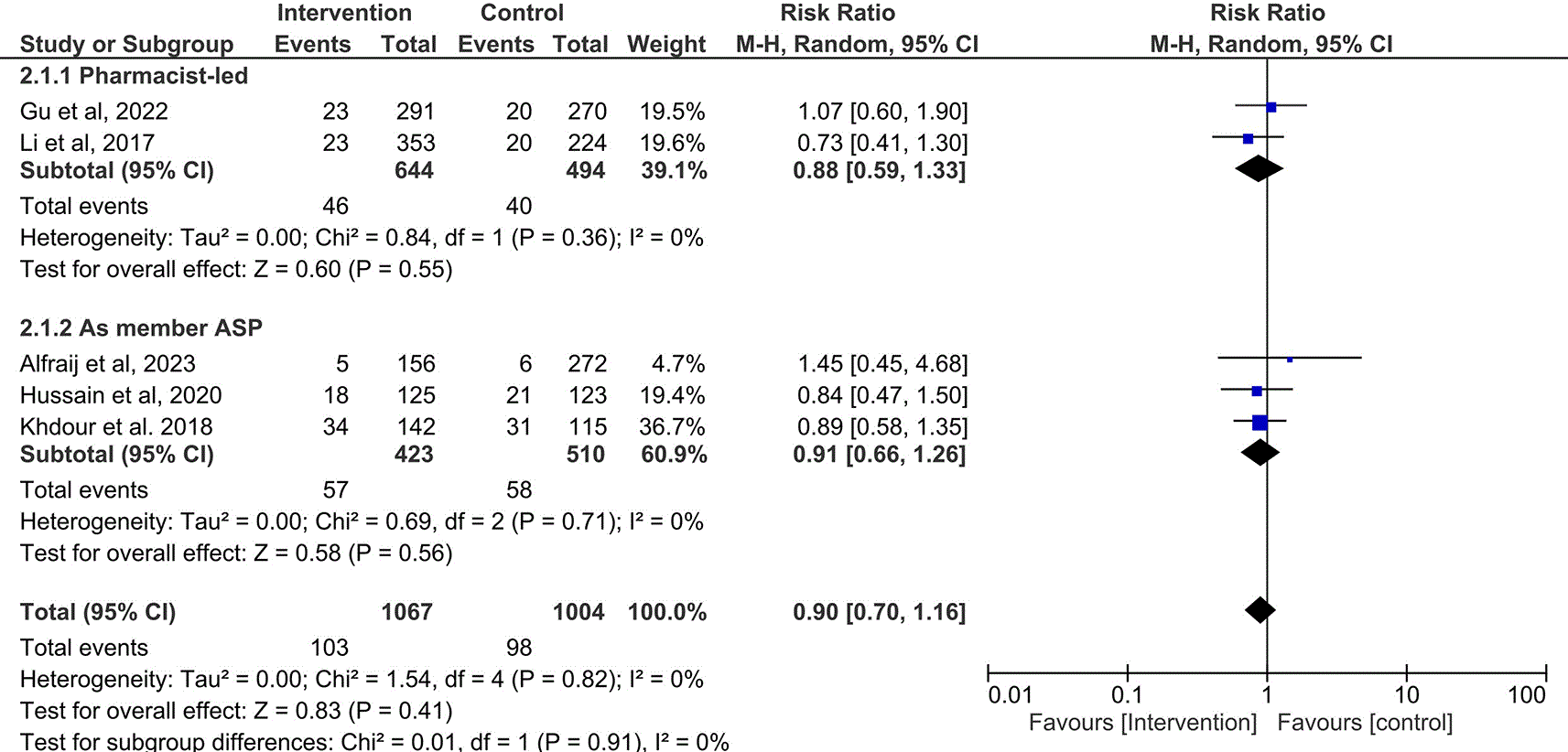
Sensitivity analysis, excluding studies with serious or high risk of bias, was performed by intervention type. Pharmacist-led interventions did not demonstrate a statistically significant reduction in mortality compared with the control group (RR = 0.88; 95% CI: 0.59–1.33; p = 0.55), with low heterogeneity observed among studies (I2 = 0%). Similarly, interventions in which pharmacists participated as members of antimicrobial stewardship teams also showed no statistically significant reduction in mortality (RR = 0.91; 95% CI: 0.66–1.25; p = 0.56), with no observed heterogeneity (I2 = 0%). The overall pooled analysis remained not statistically significant, demonstrating a reduction in mortality favoring pharmacist involvement (RR = 0.90; 95% CI: 0.70–1.16; p = 0.41), with no heterogeneity detected across studies (I2 = 0%). No statistically significant subgroup differences were identified between intervention types (p = 0.91) as shown in Figure 9.
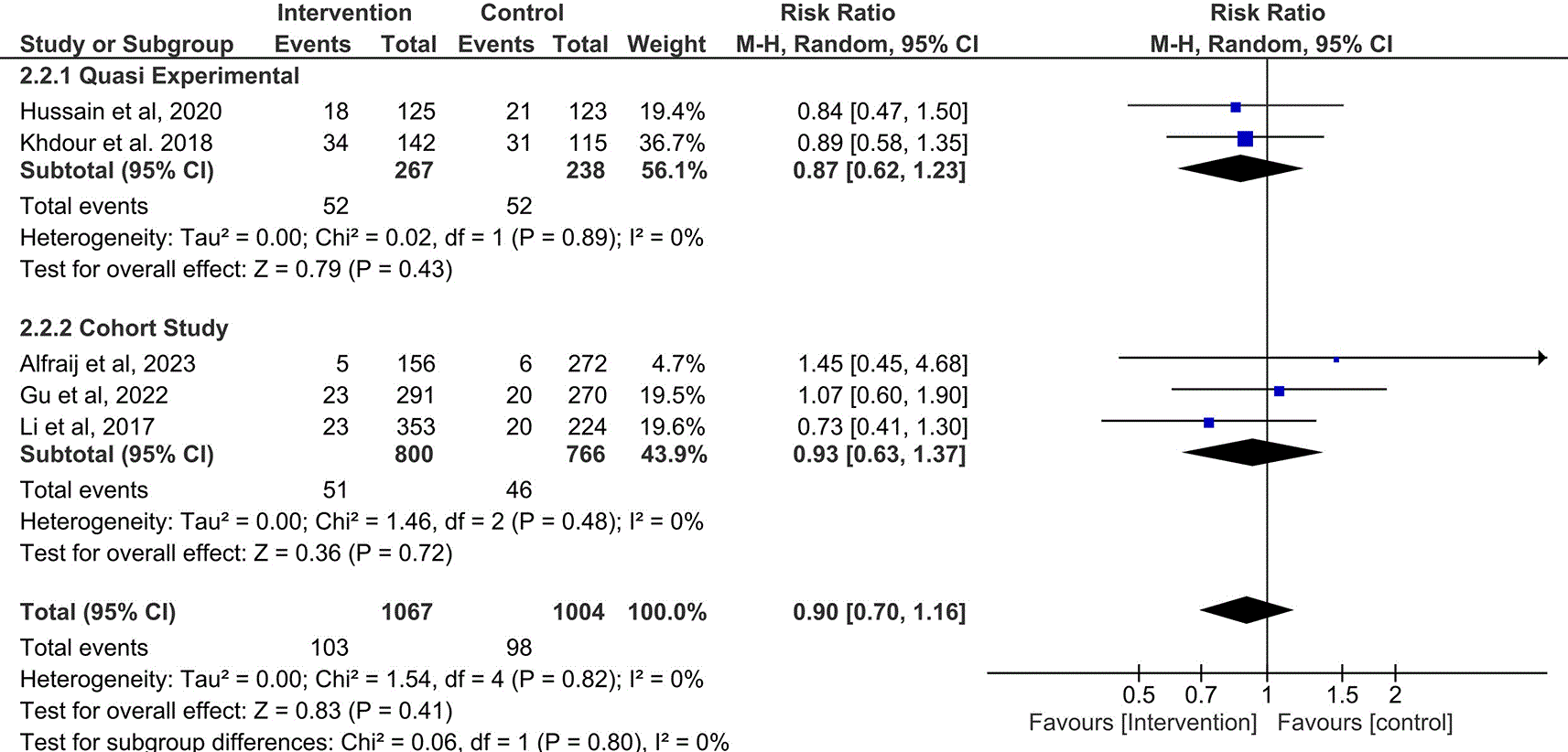
Sensitivity analysis excluding studies with a serious risk of bias was performed according to study design as shown in Figure 10. In quasi-experimental studies, no statistically significant difference in mortality was observed between the intervention and control groups (RR = 0.87; 95% CI: 0.62–1.23; p = 0.43), with no heterogeneity detected (I2 = 0%). Similarly, cohort studies also showed no statistically significant reduction in mortality associated with pharmacist involvement (RR = 0.93; 95% CI: 0.63–1.37; p = 0.72), with no observed heterogeneity across studies (I2 = 0%). The overall pooled analysis remained non-significant after excluding studies with a serious risk of bias (RR = 0.90; 95% CI: 0.70–1.16; p = 0.41), with no heterogeneity detected (I2 = 0%). In addition, no statistically significant subgroup differences were identified between study designs (p = 0.80) as shown as shown in Figure 10.
Sensitivity analysis of ICU stay length in quasi-experimental studies showed no statistically significant difference between the intervention and control groups (MD = −0.82; 95% CI: −2.57 to 0.93; p = 0.36). Although the intervention group showed a tendency toward shorter ICU stay, the pooled effect estimate was not statistically significant. Substantial heterogeneity was observed among the included studies (I2 = 70%). Sensitivity analysis of ICU length of stay in cohort studies showed no statistically significant difference between the intervention and control groups (MD = −0.35; 95% CI: −1.76 to 1.06; p = 0.63). Although the intervention group tended to have a shorter ICU stay, the pooled effect estimate was not statistically significant. Considerable heterogeneity was observed among the included studies (I2 = 89%) as shown in Figure 11.

Sensitivity analysis was conducted using a study-exclusion approach, a risk-of-serious-bias approach, and a leave-one-out approach. For the outcome of the length of stay in quasi-experimental studies that included studies with low-moderate bias (MD -0.82; 95% CI: −2.57-0.93; I2 = 70%). For the outcome of the length of stay in the cohort study (MD -0.35; 95% CI: −1.76-1.06; I2 = 89%). These results show a decrease in the effect of length of stay and study heterogenity as shown in Figure 12.

The results of the analysis with the leave-one-out model approach. Outcome mortality ranged from 0.77 (95% CI 0.67 to 0.88) to 0.88 (95% CI 0.74 to 1.04). These results indicate that no single study dominated this review as described in Table 4. The length-of-stay outcomes across both study designs indicate that one study dominates this analysis. Cohort design studies, such as the study by Yu et al. (2023), influenced the results. The quasi-design study by Kim et al. (2021) has a significant influence on the results of this analysis, as described in Table 5 and Table 6. Overall, the mortality outcome does not indicate a dominant study (robust), whereas the length-of-stay outcome shows a certain study dominance.
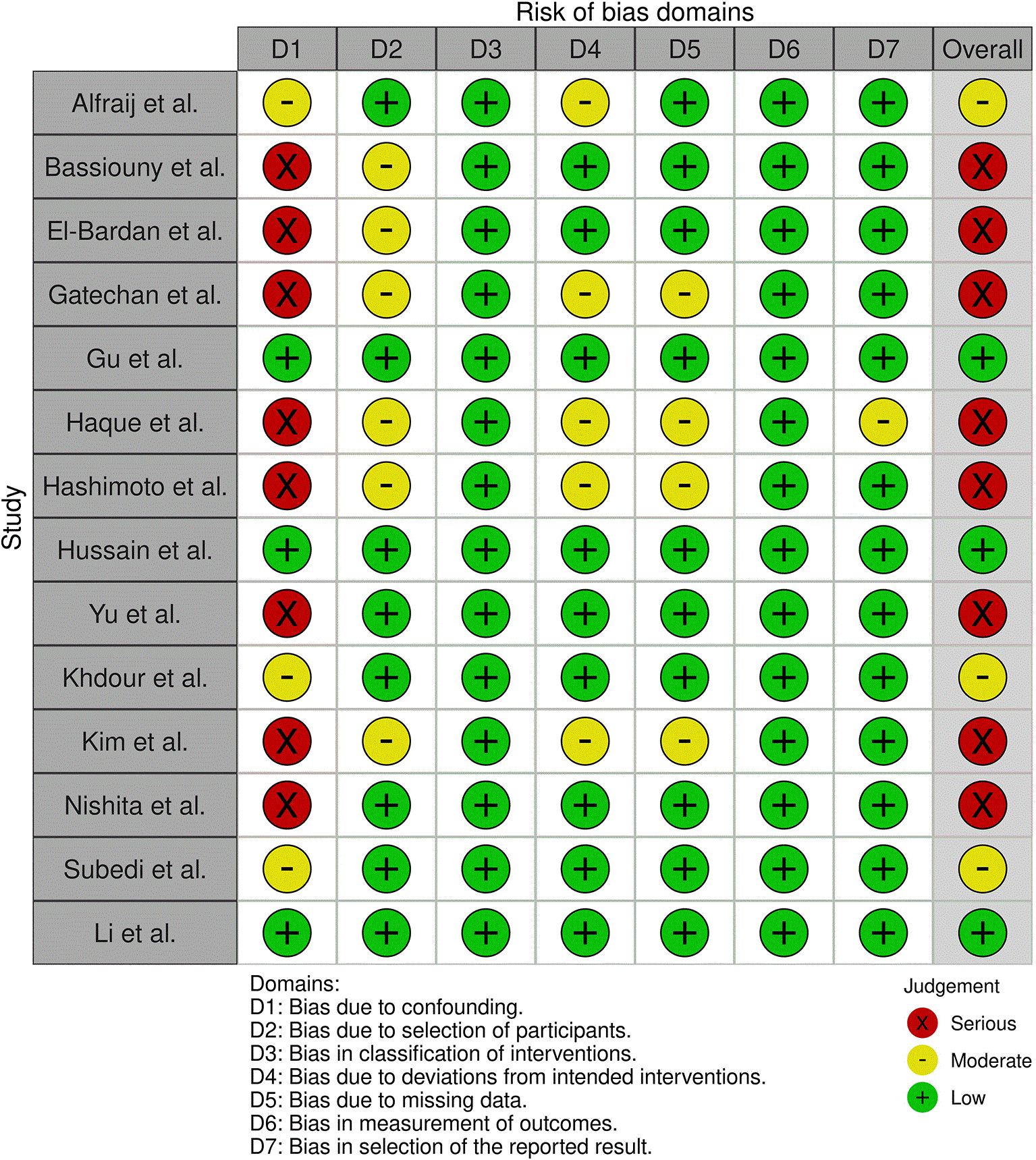
Risk of bias assessment was conducted using the ROBINS-I tool across seven methodological domains. Overall, the methodological quality of the included studies varied considerably. Most studies demonstrated low risk of bias in the domains of intervention classification (D3), missing data (D5), outcome measurement (D6), and selection of reported results (D7) as shown in Figure 13. However, a serious risk of bias was frequently identified in the confounding domain (D1), particularly among quasi-experimental studies. Moderate concerns were also observed in participant selection (D2) and deviations from intended interventions (D4). Several studies, including those by (Bassiouny et al. 2020; El-Bardan et al., 2024; Gatechan et al., 2025; Haque et al., 2018; Hashimoto et al., 2023; Kim et al., 2021; Nishita et al., 2025; Yu et al., 2023), were judged to have an overall serious risk of bias. In contrast, (Gu et al., 2023; Hussain et al., 2020; Li et al., 2017) demonstrated overall low risk of bias, while (Alfraij et al., 2023; Khdour et al., 2018; Subedi et al., 2020) were assessed as having moderate overall risk of bias.
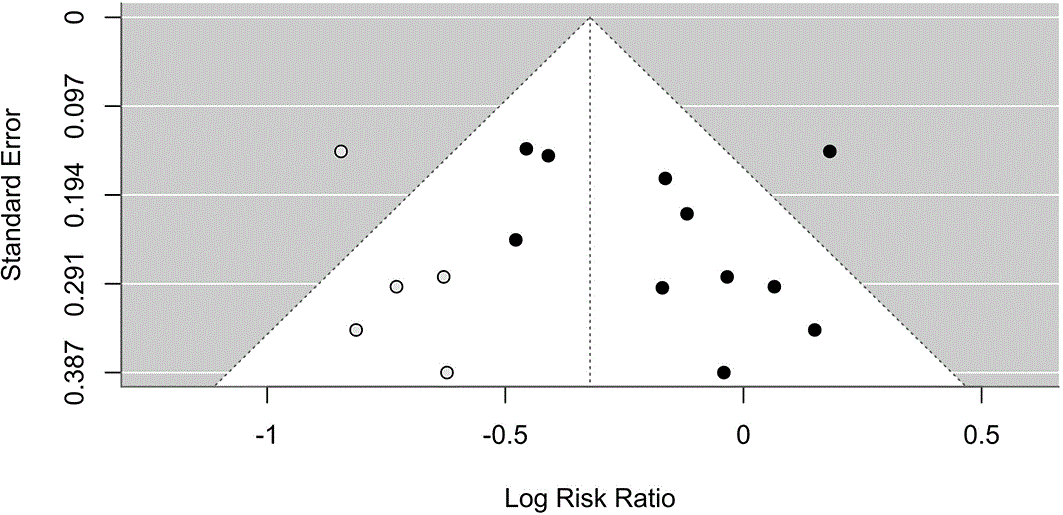
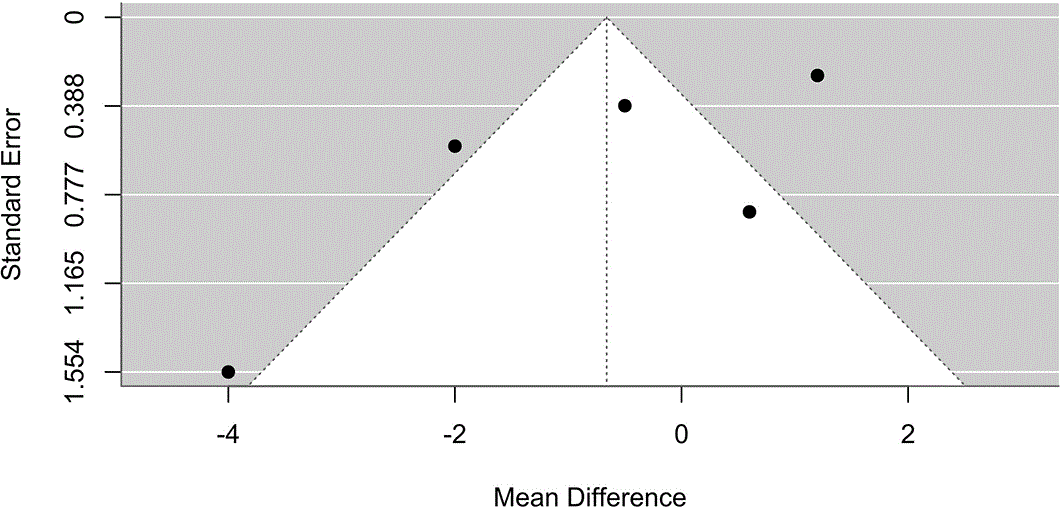
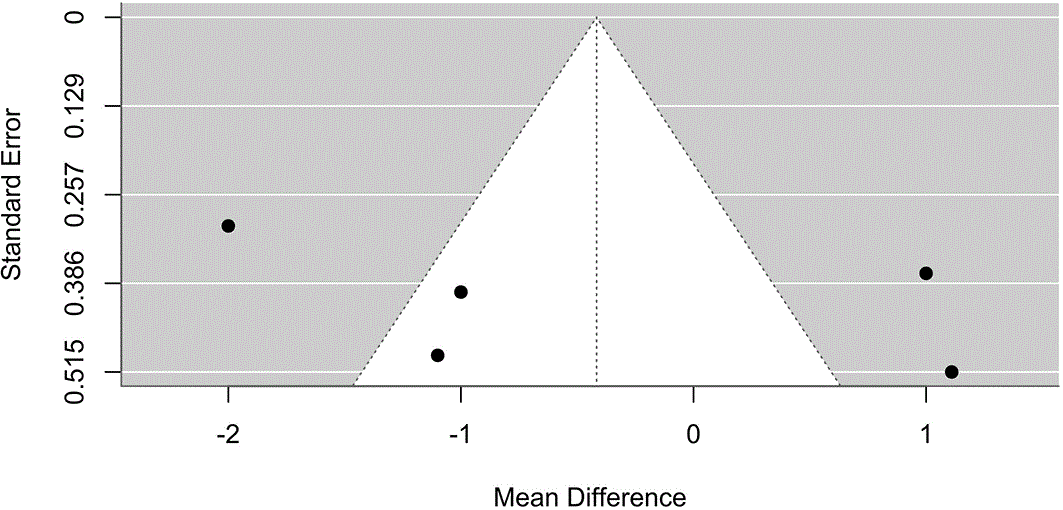
Publication bias analysis in 12 mortality studies used a mixed-effect meta-regression (Egger test) model. The test results in the asymmetric funnel plot showed that the mortality outcomes did not indicate publication bias (p = 0.2162; symmetric) as shown in Figure 14. In the length of stay outcomes both the quasi-experimental and cohort studies, meta-regression analysis could not be performed due to limitations in the available studies, as shown in Figures 15 and 16. The funnel plots for both studies showed no obvious asymmetry, with a relatively symmetrical spread of study points around the combined effect size. This visual interpretation must be performed very carefully and may be subject to publication bias that cannot be eliminated, which could affect the study’s outcome.
The certainty of evidence, assessed using the GRADE approach, varied with the study designs included in the analysis, as described in Table 7. Studies consisting of quasi-experimental and cohort designs to estimate mortality outcomes were rated as moderate-quality evidence. The downgrading of evidence quality was primarily due to serious risk of bias and imprecision, while inconsistency and indirectness were considered not serious. For the length-of-stay subgroup in the cohort study, the certainty of the evidence was rated as very low quality. The downgrading was mainly attributed to serious risks of bias, inconsistency, and imprecision, although indirectness was judged to be not serious. Meanwhile, the length of stay in a quasi-experimental subgroup comprising two studies was rated as very low-quality evidence. The reduction in evidence quality in this subgroup was primarily due to serious risks of bias, inconsistency, and imprecision, whereas the risk of indirectness was considered not serious.
The implementation of antibiotic stewardship programs (ASPs) in the intensive care unit (ICU) is critically important because ICU patients are highly vulnerable to severe infections, multidrug-resistant organisms, prolonged hospitalization, and increased mortality due to the frequent and extensive use of antibiotics. ASPs aim to ensure appropriate antibiotic use, including optimal drug selection, dosing, duration, and timing of administration, according to the clinical condition of critically ill patients (Chen et al., 2023; Wunderink et al., 2020). Clinical pharmacy services contribute significantly to optimizing antibiotic selection, dosing, and treatment duration, thereby improving patient clinical outcomes and reducing antimicrobial resistance. Pharmacy interventions, such as dose adjustment, optimization of initial dosing, and modification of infusion duration, have been shown to effectively improve the appropriateness of antibiotic therapy. Furthermore, the integration of clinical pharmacists into multidisciplinary ICU teams has been associated with reductions in 30-day mortality and improvements in overall patient outcomes (Ergen et al., 2026). In this study, the subgroup analyses demonstrated that pharmacist involvement in antimicrobial stewardship programs (ASPs) was generally associated with reduced mortality among ICU patients. Significant mortality reduction was observed in quasi-experimental studies and pharmacist-led interventions, whereas cohort studies and pharmacist participation as ASP team members did not demonstrate statistically significant effects. These findings may indicate that more active and direct involvement of pharmacists contributes to better optimization of antimicrobial therapy, including appropriate antimicrobial selection, dosing, monitoring, and de-escalation, ultimately improving patient outcomes (Mai et al., 2025). In addition, studies with moderate-to-low risk of bias demonstrated a significant reduction in mortality with no observed heterogeneity, suggesting more consistent evidence among higher-quality studies. These results are consistent with previous studies by Nakamura et al. (2021) and Mohiuddin (2019), which reported that clinical pharmacists’ involvement in critical care and ASP activities improved antimicrobial appropriateness and reduced adverse clinical outcomes, including mortality, by preventing medication-related problems and optimizing pharmacotherapy.
The length of stay for ICU patients, treated as a whole, decreased, though the change was not statistically significant. These results were unstable when assessing the evidence’s sensitivity, so the GRADE evidence was of very low quality. Differences in patient severity, intervention focus, ICU setting, and hospital policies influenced variation in results across studies. Two systematic reviews by Ntim et al. (2025) and Trotter et al. (2023) found shorter, longer, and equivalent LOS outcomes with the implementation of ASP. Subgroup analysis showed that interventions led by clinical pharmacists were associated with a greater decrease in length of care than ASP membership. Research by Panchal et al. (2026) reports that interventions led by clinical pharmacists showed potential to reduce LOS, increase the rational use of antibiotics, and lower treatment costs. Consequently, the overall low quality of the evidence restricts any definitive conclusions regarding the pharmacist’s impact on LOS. This statistical instability underscores a clear phenomenon of confounding by indication, where LOS outcomes are primarily driven by the baseline clinical severity and high-acuity indications such as higher rates of intra-abdominal infections or septic shock—rather than solely reflecting the efficacy of the clinical pharmacist’s intervention. Evidence from El-Bardan et al. (2024) substantiates this challenge, reporting significantly longer ICU stays during the pharmacist intervention period (4.42 vs. 3.31 days), a finding attributed to a higher incidence of complex intra-abdominal infections, which are inherently linked to protracted recoveries and increased rates of shock. Similarly, Kim et al. (2021) observed that their pharmacist-led group initially appeared to have longer stays due to a significantly higher baseline acuity, characterized by a higher rate of septic shock (65.1%) and markedly higher SAPS-3 scores compared to the control group. Furthermore, the high clinical complexity of critically ill patients often creates a disconnect between stewardship success and total LOS. As noted by Subedi et al. (2020) and Li et al. (2017), while pharmacist-led interventions significantly reduced the duration of antibiotic therapy, they did not necessarily translate into a shorter total hospital stay because non-infectious medical factors often remain the primary determinants of the discharge timeline. Yu et al. (2023) further emphasized that specific high-risk conditions, such as intracranial infections, act as independent factors that naturally require extended treatment, thereby confounding antimicrobial-focused outcome metrics.
External and psychological factors also contribute to this phenomenon; for instance, the COVID-19 pandemic significantly altered baseline patient characteristics and disease profiles during the intervention periods, as acknowledged by Gatechan et al. (2025) and Alfraij et al. (2023) Additionally, researchers noted that clinical fears regarding morbid outcomes in high-acuity cases can lead to more conservative treatment approaches, further obscuring the impact of clinical pharmacist recommendations. To address these robust confounders, several studies, including those by Gu et al. (2023) and Kim et al. (2021), employed advanced statistical methods like Propensity Score Matching (PSM) and Inverse Probability of Treatment Weighting (IPTW) to balance baseline variables such as APACHE-II scores, age, and comorbidities. Ultimately, as discussed by Khdour et al. (2018) and Hussain et al. (2020), the impact of stewardship interventions on LOS is often overshadowed by the multifaceted nature of ICU care and the profound influence of patients’ underlying clinical indications.
In line with findings on length of stay, pharmacist involvement among ASP team members also appears to help optimize antimicrobial therapy duration in the intensive care unit (ICU), particularly through prospective audit and feedback (PAF) mechanisms. However, the findings exhibit significant heterogeneity, necessitating a critical analysis of clinical factors that influence metrics such as treatment duration of therapy (DOT). Findings from Hashimoto et al. (2023) demonstrate a significant increase in total DOT post-ASP, providing important insight into the fact that antibiotic consumption in the ICU does not always directly correlate with stewardship failure. This increase was primarily attributed to a surge in admissions of patients with extended-spectrum β-lactamase (ESBL)-producing bacteria and multidrug-resistant Pseudomonas aeruginosa (MDRP), both of which necessitate more intensive regimens and prolonged treatment courses. Furthermore, the pharmacist’s role in facilitating significantly faster implementation of therapeutic drug monitoring (TDM) and precise dosage adjustments in response to fluctuating organ function, such as during augmented renal clearance, may technically increase the accumulated DOT to ensure therapeutic efficacy in the most critically ill patients. Patient disease severity (acuity) also serves as a primary determinant of stable DOT metrics in certain studies. In the study by Kim et al. (2021), the lack of a reduction in anti-pseudomonal beta-lactam DOT was attributed to a patient profile with significantly greater severity during the intervention period, during which the prevalence of septic shock rose from 39% to 65.1% (P < 0.001). In such hemodynamically unstable clinical conditions, pharmacists’ ability to safely implement early de-escalation is inherently limited. Clinical pharmacists play an important role in antibiotic de-escalation strategies to minimize unnecessary use of broad-spectrum antibiotics (Díaz-Madriz et al., 2022).
Nevertheless, several studies have demonstrated that pharmacist-integrated ASPs can successfully reduce antibiotic duration and antimicrobial exposure. Previous studies by Fukuda et al. (2021), Nakamura et al. (2021), and Yu et al. (2023) reported reductions in antibiotic therapy duration and optimization of antimicrobial consumption following pharmacist-led stewardship interventions through prospective audit-and-feedback and de-escalation strategies. In addition, clinical pharmacy services contribute to the development of evidence-based clinical guidelines for infection management in the ICU setting (Wassef et al., 2020).
The limitations of this article are inherent to the characteristics of the included studies. The majority of articles used have a serious risk of bias. These results are due to the studies used, which were limited to non-RCT designs. There was very low-quality evidence and unstable sensitivity test results for length-of-stay data. The low quality of the evidence leads to uncertainty about these outcomes in real-life therapy. Furthermore, the quality of evidence for the length of stay outcome could not be assessed using Egger’s test due to insufficient data. In addition, treatment outcomes varied across the reported results, so the analysis is limited to narrative synthesis. Research with a stricter design, with attention to controlling confounding factors, is highly recommended for future studies.
Pharmacist involvement in antimicrobial stewardship programs (ASPs) in the ICU has the potential to improve antimicrobial use and patient clinical outcomes. Pharmacist-led interventions were may reduced mortality and length of stay. Several studies also demonstrated reductions in antibiotic duration and length of stay, although the overall evidence for these outcomes remains inconsistent. Variations in patient severity, ICU settings, and study designs contributed to substantial heterogeneity across studies. Therefore, further high-quality studies are needed to strengthen the evidence regarding the effectiveness of pharmacist-integrated ASPs in critically ill patients.
Open Science Framework (OSF): Complementary Data & Extraction Sheets. https://doi.org/10.17605/OSF.IO/AKVCD (Dedeo et al., 2026).
The project contains the following underlying data:
1. RevMan_Meta_Data.rm5 (Raw meta-analysis data file exported from RevMan 5, including effect sizes, standard errors, and study-level covariates)
2. Data_Extraction.xlsx (Spreadsheet containing: included studies with extracted effect size data and excluded studies with reasons for exclusion)
3. Meta_Data.xlsx (Complete dataset before meta-analysis, including all variables used for subgroup and sensitivity analyses)
Open Science Framework (OSF): Complementary Data & Extraction Sheets. https://doi.org/10.17605/OSF.IO/AKVCD (Dedeo et al., 2026).
This project contains the following extended data:
1. PRISMA_2020_Abstract_Checklist.pdf (Completed PRISMA 2020 checklist for abstracts.)
2. PRISMA_2020_Chart_low.pdf (PRISMA 2020 flow diagram showing number of records identified, screened, excluded, and included.)
3. PRISMA_2020_Checklist.pdf (Completed PRISMA 2020 main checklist 27 items with page/line numbers where each item is reported.)
Data are available under a CC0 1.0 Universal (CC0 1.0) Public Domain Dedication.
The author gratefully acknowledges the Indonesia Endowment Fund for Education (Lembaga Pengelola Dana Pendidikan– LPDP) for its generous financial support, which made this research and publication possible. The LPDP scholarship has been instrumental in advancing the author’s academic and professional development.
This study was supported by the Indonesia Endowment Fund for Education (LPDP), under the Ministry of Finance of the Republic of Indonesia. Grant Numbers: 202406113203971 (Yermia Ademi Dedeo), 202406113203528 (Andi Desiah Pranada), 202406113203202 (Luthfiah Pertiwi), 202406113203908 (Ayunda Nur Hidayatiningsih). The funder had no role in study design, data collection and analysis, decision to publish, or preparation of the manuscript.
The funders had no role in study design, data collection and analysis, decision to publish, or preparation of the manuscript.
© 2026 Dedeo YA et al. This is an open access article distributed under the terms of the Creative Commons Attribution License, which permits unrestricted use, distribution, and reproduction in any medium, provided the original work is properly cited.
Current Reviewer Status:
AWAITING PEER REVIEW
AWAITING PEER REVIEW
?
Key to Reviewer Statuses VIEW HIDE
ApprovedThe paper is scientifically sound in its current form and only minor, if any, improvements are suggested
Approved with reservations A number of small changes, sometimes more significant revisions are required to address specific details and improve the papers academic merit.
Not approvedFundamental flaws in the paper seriously undermine the findings and conclusions
Open Peer Review
AWAITING PEER REVIEW
Sign up for content alerts
Alongside their report, reviewers assign a status to the article:
Approved - the paper is scientifically sound in its current form and only minor, if any, improvements are suggested
Approved with reservations - A number of small changes, sometimes more significant revisions are required to address specific details and improve the papers academic merit.
Not approved - fundamental flaws in the paper seriously undermine the findings and conclusions