Просмотр новости
Найдите то, что Вас интересует
 Спутники
 РН
РН SpaceX
 Роскосмос
 NASA
NASA
СпутникиРНSpaceXРоскосмосNASABackground Clinical practice guidelines (CPGs) are essential evidence-based tools for safe, effective, high-quality healthcare, yet evidence on their availability, accessibility, implementation, and perceived effectiveness in South African district teaching hospitals remains limited. This study evaluated these domains and barriers to CPG use among healthcare professionals in two district teaching hospitals in the Eastern Cape Province, South Africa. Methods A facility-based cross-sectional survey was conducted using a structured, self-administered questionnaire assessing CPG availability, accessibility, implementation, perceived effectiveness, and implementation barriers. Descriptive statistics summarized participant characteristics and responses, while independent-samples t-tests and one-way ANOVA examined differences in composite domain scores across participant characteristics. Results A total of 169 healthcare professionals participated (response rate: 73.8%); 76.3% were female and 79.9% were nurses. Overall, 71.0% reported that CPGs were available in their facilities and 72.2% considered them relevant to the local disease burden, but only 44.3% believed guidelines were updated regularly. Printed hard copies (30.2%) and multiple access methods (26.7%) predominated, whereas digital resources (8.1%) and mobile applications (9.3%) were infrequently used; 7.0% reported no access. Frequent CPG use (80.5%) and confidence in applying guidelines (88.8%) were high, although only 53.9% reported adequate training. Participants perceived CPGs as highly effective in improving patient outcomes (98.8%), reducing clinical errors (97.0%), and enhancing quality of care (95.3%). Principal implementation barriers were inadequate resources (85.8%), staff shortages (76.9%), and insufficient training (72.2%). Conclusions CPGs were generally available, widely used, and perceived as highly effective in supporting evidence-based care in district teaching hospitals. However, gaps remain in guideline updating, equitable access, digital availability, and healthcare worker training. Strengthening institutional support through regular revision, expanded digital access, adequate resourcing, and continuous professional development may enhance CPG implementation and sustainability in resource-constrained settings.

Majeke B, Sobekwa L, Makola TV et al. Availability, Accessibility, Implementation, and Perceived Effectiveness of Clinical Practice Guidelines Among Healthcare Professionals in District Teaching Hospitals in the Eastern Cape Province, South Africa [version 1; peer review: awaiting peer review]. F1000Research 2026, 15:1377 (https://doi.org/10.12688/f1000research.188193.1)
Research Article
[version 1; peer review: awaiting peer review]
https://orcid.org/0009-0002-3366-1991
1,2, Linda Sobekwahttps://orcid.org/0009-0005-8877-0118
1,2, Thokoe Vincent Makola1,2, [...] Siyonela Mlonyenihttps://orcid.org/0009-0006-7704-6834
1,2, Ntandazo Dlatu1,2, G.A. Pulido Estradahttps://orcid.org/0000-0001-6485-2059
1,3, Mirabel Nanjohhttps://orcid.org/0009-0002-4749-4258
1,2https://orcid.org/0009-0002-3366-1991
1,2, Linda Sobekwahttps://orcid.org/0009-0005-8877-0118
1,2, [...] Thokoe Vincent Makola1,2, Siyonela Mlonyenihttps://orcid.org/0009-0006-7704-6834
1,2, Ntandazo Dlatu1,2, G.A. Pulido Estradahttps://orcid.org/0000-0001-6485-2059
1,3, Mirabel Nanjohhttps://orcid.org/0009-0002-4749-4258
1,21 School of Public Health ,, Walter Sisulu University Faculty of Health Sciences, Mthatha, Eastern Cape, South Africa
2 Walter Sisulu University Institute for Clinical Governance and Healthcare Administration, Walter Sisulu University Faculty of Health Sciences, Mthatha, Eastern Cape, South Africa
3 Biostatistics and Analytics training unit, Walter Sisulu University, Faculty of Health SCIENCES, Eastern Cape, 5200, South Africa
Bomkazi Majeke
Roles: Conceptualization, Data Curation, Formal Analysis, Investigation, Methodology, Project Administration, Writing – Original Draft Preparation, Writing – Review & Editing
Linda Sobekwa
Roles: Methodology, Writing – Review & Editing
Thokoe Vincent Makola
Roles: Methodology, Writing – Review & Editing
Siyonela Mlonyeni
Roles: Conceptualization, Methodology, Writing – Review & Editing
Ntandazo Dlatu
Roles: Methodology, Writing – Review & Editing
G.A. Pulido Estrada
Roles: Data Curation, Formal Analysis, Methodology, Validation, Writing – Review & Editing
Mirabel Nanjoh
Roles: Conceptualization, Formal Analysis, Methodology, Supervision, Validation, Writing – Review & Editing
OPEN PEER REVIEW
REVIEWER STATUS AWAITING PEER REVIEW
Clinical practice guidelines (CPGs) are essential evidence-based tools for safe, effective, high-quality healthcare, yet evidence on their availability, accessibility, implementation, and perceived effectiveness in South African district teaching hospitals remains limited. This study evaluated these domains and barriers to CPG use among healthcare professionals in two district teaching hospitals in the Eastern Cape Province, South Africa.
MethodsA facility-based cross-sectional survey was conducted using a structured, self-administered questionnaire assessing CPG availability, accessibility, implementation, perceived effectiveness, and implementation barriers. Descriptive statistics summarized participant characteristics and responses, while independent-samples t-tests and one-way ANOVA examined differences in composite domain scores across participant characteristics.
ResultsA total of 169 healthcare professionals participated (response rate: 73.8%); 76.3% were female and 79.9% were nurses. Overall, 71.0% reported that CPGs were available in their facilities and 72.2% considered them relevant to the local disease burden, but only 44.3% believed guidelines were updated regularly. Printed hard copies (30.2%) and multiple access methods (26.7%) predominated, whereas digital resources (8.1%) and mobile applications (9.3%) were infrequently used; 7.0% reported no access. Frequent CPG use (80.5%) and confidence in applying guidelines (88.8%) were high, although only 53.9% reported adequate training. Participants perceived CPGs as highly effective in improving patient outcomes (98.8%), reducing clinical errors (97.0%), and enhancing quality of care (95.3%). Principal implementation barriers were inadequate resources (85.8%), staff shortages (76.9%), and insufficient training (72.2%).
ConclusionsCPGs were generally available, widely used, and perceived as highly effective in supporting evidence-based care in district teaching hospitals. However, gaps remain in guideline updating, equitable access, digital availability, and healthcare worker training. Strengthening institutional support through regular revision, expanded digital access, adequate resourcing, and continuous professional development may enhance CPG implementation and sustainability in resource-constrained settings.
Clinical practice guidelines; guideline implementation; evidence-based practice; healthcare quality; clinical governance; district teaching hospitals; Eastern Cape; South Africa.
Corresponding author: Bomkazi Majeke Competing interests: No competing interests were disclosed.
Grant information: The author(s) declared that no grants were involved in supporting this work.
Copyright: © 2026 Majeke B et al. This is an open access article distributed under the terms of the Creative Commons Attribution License, which permits unrestricted use, distribution, and reproduction in any medium, provided the original work is properly cited. How to cite: Majeke B, Sobekwa L, Makola TV et al. Availability, Accessibility, Implementation, and Perceived Effectiveness of Clinical Practice Guidelines Among Healthcare Professionals in District Teaching Hospitals in the Eastern Cape Province, South Africa [version 1; peer review: awaiting peer review]. F1000Research 2026, 15:1377 (https://doi.org/10.12688/f1000research.188193.1) First published: 14 Aug 2026, 15:1377 (https://doi.org/10.12688/f1000research.188193.1) Latest published: 14 Aug 2026, 15:1377 (https://doi.org/10.12688/f1000research.188193.1)
Clinical Practice Guidelines (CPGs) are systematically developed, evidence-based recommendations that support healthcare professionals and patients in making informed decisions about appropriate care for specific clinical conditions by integrating the best available scientific evidence with clinical expertise and patient values.1 As fundamental tools of evidence-based healthcare, CPGs promote consistency in clinical decision-making, reduce unwarranted variations in practice, improve patient safety, and enhance the quality and efficiency of healthcare delivery.2 However, the successful translation of CPGs into routine clinical practice depends not only on the quality of the guidelines themselves but also on effective dissemination, implementation, and sustained use within healthcare systems.
The development of high-quality CPGs follows rigorous, transparent, and scientifically robust methodologies. International organisations such as the World Health Organization (WHO), the National Institute for Health and Care Excellence (NICE), the Scottish Intercollegiate Guidelines Network (SIGN), and the Australian National Health and Medical Research Council (NHMRC) have established comprehensive frameworks for guideline development and adaptation.3,4 Similarly, South Africa has made substantial progress in strengthening evidence-informed healthcare through the development of national CPGs led by the National Department of Health, professional societies, and non-governmental organisations, culminating in the establishment of the South African Guidelines Excellence (SAGE) initiative to improve the quality, transparency, and implementation of clinical practice guidelines.4 Within the context of South Africa's National Health Insurance (NHI) reforms, CPGs have been recognised as a cornerstone of evidence-based, clinically effective, cost-effective, and equitable healthcare delivery.5 Nevertheless, the availability of high-quality guidelines alone is insufficient to improve clinical practice. Their effectiveness depends on deliberate implementation strategies, including adequate dissemination, healthcare worker training, organisational support, audit and feedback mechanisms, and continuous monitoring of adherence. Without these complementary processes, even well-developed guidelines are unlikely to achieve their intended impact on patient care or health system performance.6
District hospitals occupy a pivotal position within the South African district health system by providing comprehensive first-level hospital services while serving as important clinical training platforms for undergraduate and postgraduate healthcare professionals.7,8 In resource-constrained provinces such as the Eastern Cape, adherence to CPGs is particularly important for improving healthcare quality, patient safety, and clinical outcomes. However, implementation remains challenging due to persistent health system constraints, including shortages of healthcare personnel, inadequate infrastructure, limited financial and material resources, and insufficient training in guideline use.9–11 These challenges have raised concerns that guideline implementation in many South African primary healthcare settings remains on "shaky ground," reflecting fragile health system foundations that undermine the translation of evidence into routine clinical practice.6
Despite growing international evidence supporting the effectiveness of CPGs in improving healthcare quality, relatively little is known about their availability, accessibility, implementation, and perceived effectiveness within district teaching hospitals in the Eastern Cape Province. Furthermore, evidence describing healthcare professionals' experiences of accessing and implementing CPGs, together with the organisational barriers and facilitators influencing their use, remains limited. Addressing these evidence gaps is essential for strengthening clinical governance and supporting the successful implementation of evidence-based healthcare in district hospitals.
This study was conceptually informed by Chitha's Clinical Governance Model,12 developed from research conducted in district hospitals within the OR Tambo District of the Eastern Cape. The model conceptualises clinical governance as an integrated system comprising seven interrelated pillars: clinical effectiveness, risk management, patient experience and participation, communication, resource effectiveness, strategic effectiveness, and learning effectiveness. These domains provide an appropriate framework for understanding CPG implementation within healthcare organisations. In the present study, resource effectiveness relates to the availability and accessibility of CPGs; communication reflects the mechanisms through which healthcare professionals obtain guideline information; strategic and learning effectiveness encompass organisational planning, education, and capacity building for guideline implementation; clinical effectiveness relates to the perceived influence of CPGs on patient outcomes and quality of care; while risk management and patient participation provide a framework for understanding barriers and facilitators affecting guideline adoption.12
Accordingly, this study aimed to evaluate the availability, accessibility, implementation, and perceived effectiveness of Clinical Practice Guidelines among healthcare professionals working in district teaching hospitals in the Eastern Cape Province, South Africa. Specifically, the study sought to assess the availability and accessibility of CPGs relevant to the local disease burden, identify the methods through which healthcare professionals access guidelines, evaluate their implementation in routine clinical practice, examine perceptions regarding their contribution to improving patient care and clinical outcomes, and identify the organisational barriers and facilitators influencing successful guideline implementation.
A facility-based quantitative cross-sectional survey was conducted to assess healthcare professionals' perceptions of the availability, accessibility, implementation, and perceived effectiveness of Clinical Practice Guidelines (CPGs) at a single point in time13 between 9 and 30 May 2026. The study was undertaken at two district teaching hospitals in the Eastern Cape Province, South Africa: Oliver and Adelaide Tambo Regional Hospital in Bizana, Alfred Nzo District (290-bed capacity), and Dr Malizo Mpehle Memorial Hospital in Tsolo, OR Tambo District (155-bed capacity). Both hospitals provide comprehensive district-level healthcare services to predominantly rural populations and serve as accredited decentralized clinical training platforms for undergraduate and postgraduate health sciences students of the Walter Sisulu University Faculty of Medicine and Health Sciences. These facilities offer a broad range of medical, surgical, obstetric, paediatric, emergency, and outpatient services, making them appropriate settings for evaluating the availability and implementation of clinical practice guidelines within routine healthcare delivery.
The study population comprised healthcare professionals employed at the two participating district teaching hospitals who were directly involved in patient care and clinical decision-making. A census sampling approach was adopted, whereby all eligible healthcare professionals working at the study sites during the data collection period were invited to participate. Of the 229 eligible healthcare professionals, 169 completed the survey, yielding a response rate of 73.8%. Non-participation was primarily due to annual leave, sick leave, or declining to participate.
Inclusion criteria: Healthcare professionals who were involved in direct patient care, clinical supervision, or clinical decision-making, had been employed at the study facility for at least six months, and were able and willing to provide written informed consent were eligible for inclusion.
Exclusion criteria: Non-clinical personnel, non-resident medical officers, agency or temporary nursing staff, allied health professionals, and undergraduate health sciences students were excluded from the study because they were either not routinely involved in clinical decision-making within the participating hospitals or were not permanent members of the clinical workforce.
Data were collected using a self-administered, structured questionnaire developed specifically for this study, as no validated instrument was identified that comprehensively assessed the availability, accessibility, implementation, perceived effectiveness, and barriers to the use of Clinical Practice Guidelines (CPGs) in the study context. The questionnaire comprised both closed-ended questions and five-point Likert-scale items ranging from 1 (Strongly disagree) to 5 (Strongly agree). It consisted of six sections covering participants' demographic and professional characteristics, availability of CPGs (five items), methods of accessing CPGs, implementation of CPGs (five items), perceived effectiveness of CPGs (five items), implementation barriers (five items), and an open-ended question inviting participants to suggest strategies for improving CPG implementation. The questionnaire was developed following a review of the literature on clinical practice guideline implementation and was conceptually informed by the study objectives and the clinical governance framework. Face and content validity were evaluated by an expert in clinical governance and health services research to ensure that the questionnaire adequately measured the intended constructs. Following expert review, the instrument was pilot tested with 23 healthcare professionals (10% of the eligible study population) from a comparable district hospital not included in the main study. The pilot study assessed the clarity, relevance, comprehensiveness, and feasibility of the questionnaire, and no substantive revisions were required before implementation in the main study. Internal consistency reliability was assessed using Cronbach's alpha, with a coefficient≥0.70 considered indicative of acceptable reliability.14 In the main study, the questionnaire demonstrated excellent internal consistency for the availability domain (α = 0.915), good internal consistency for the implementation (α = 0.837) and perceived effectiveness (α = 0.814) domains. The barriers domain yielded a lower reliability coefficient (α = 0.657), reflecting the multidimensional nature of implementation barriers rather than poor measurement consistency. Consequently, barrier items were analysed individually rather than as a composite scale.
Data collection was conducted over a two-week period at each participating hospital following the receipt of ethical approval, institutional permission, and gatekeeper approval from the relevant district health authorities. Hospital managers facilitated access for eligible participants and coordinated data collection within their respective facilities. Healthcare professionals who met the eligibility criteria received an information sheet outlining the study objectives, procedures, potential risks and benefits, and their rights as research participants. Participation was entirely voluntary, and written informed consent was obtained from all participants before enrolment from 9-30 May 2026. Participants completed a self-administered questionnaire that took approximately 15–20 minutes. To maximize participation and accommodate participant preferences, the questionnaire was administered either in paper-based format or electronically using a secure Google Forms platform. Completed paper questionnaires were collected immediately after completion, while electronic responses were securely stored in the password-protected online platform.
Data were entered, cleaned, and verified in Microsoft Excel before being imported into IBM SPSS Statistics version 30 (IBM Corp., Armonk, NY, USA) for statistical analysis. Data cleaning included checking for completeness, consistency, coding errors, duplicate entries, and missing values before analysis. Descriptive statistics were used to summarise participant characteristics and questionnaire responses. Categorical variables were presented as frequencies and percentages, whereas Likert-scale responses were summarised using frequencies, percentages, mean scores, and standard deviations for each questionnaire domain, with higher scores indicating stronger agreement. Differences in composite domain scores according to participants' demographic and professional characteristics were assessed using independent-samples t-tests for dichotomous variables (gender, professional role, and district) and one-way analysis of variance (ANOVA) for variables with more than two categories (age group and years of professional experience). Where statistically significant differences were identified, post hoc multiple comparison tests were performed to determine which groups differed. All statistical tests were two-tailed, and a p-value of <0.05 was considered statistically significant.
A total of 169 healthcare professionals participated in the study, representing a response rate of 73.8% (169/229). Most participants were female (76.3%), nearly one-third (31.4%) were aged 45–54 years, and the majority (79.9%) were professional nurses. Almost half (45.6%) had 11–20 years of experience in the public health sector. Participants were predominantly recruited from Oliver and Adelaide Tambo Regional Hospital (59.2%), reflecting its larger clinical workforce ( Table 1).
Participants generally reported favourable perceptions regarding the availability of Clinical Practice Guidelines (CPGs). Approximately 7 in 10 participants indicated that CPGs were available within their facilities (71.0%) and relevant to the clinical conditions they managed (72.2%). Most respondents also reported that guidelines were available in multiple formats (67.5%) and were readily accessible during routine clinical practice (63.3%). In contrast, fewer than half (44.3%) agreed that CPGs were reviewed and updated regularly ( Table 2). The distribution of responses is also illustrated in Figure 1.
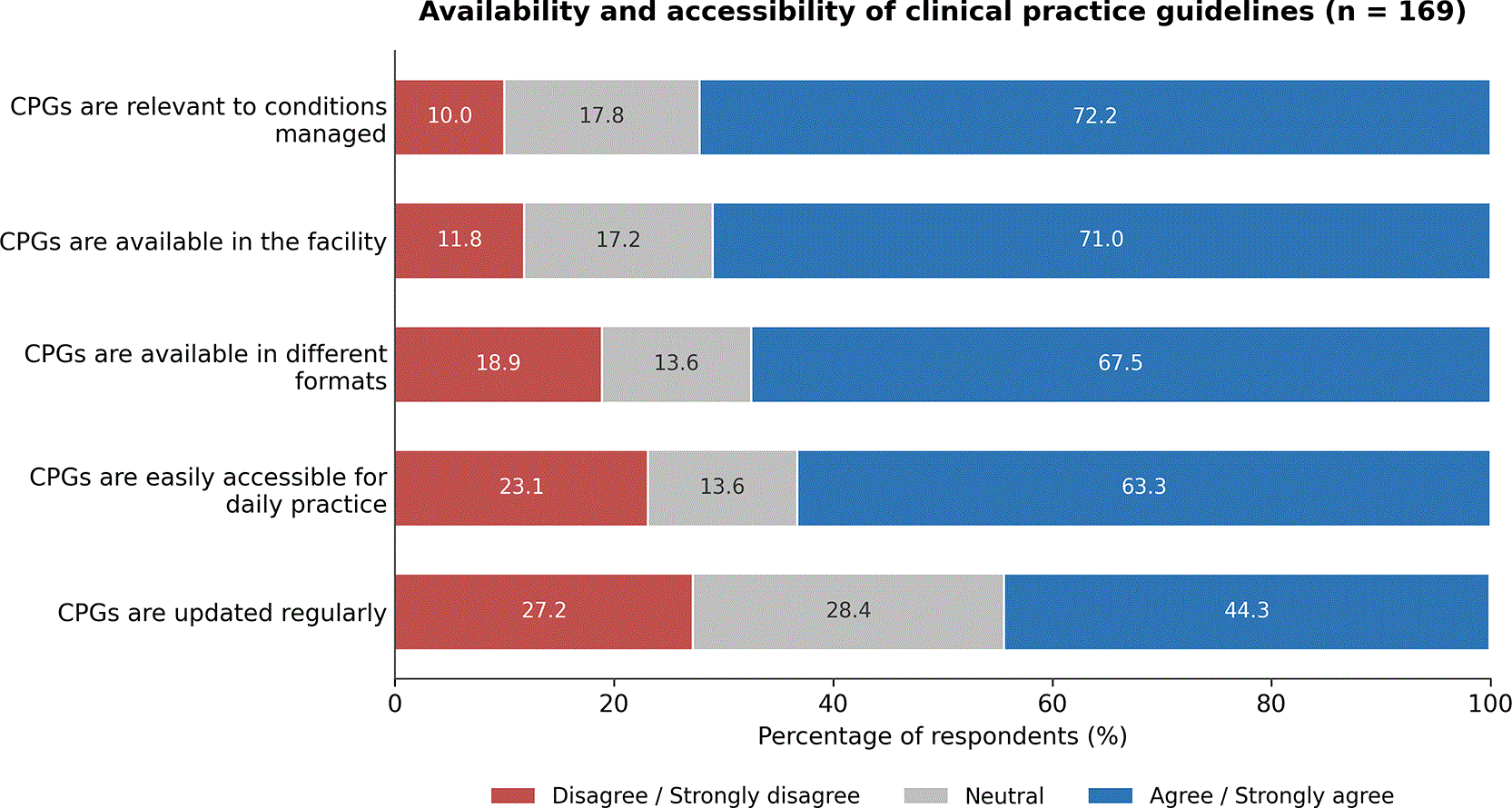
Horizontal stacked bars show the percentage of respondents who disagreed/strongly disagreed, were neutral, or agreed/strongly agreed with each availability and accessibility item, ranked from highest to lowest agreement. Data correspond to Table 2.
Participants identified CPGs covering a broad spectrum of clinical areas, including communicable and non-communicable diseases, maternal and obstetric care, neonatal and paediatric care, trauma, emergency medicine, anaesthesia, nutrition, and infection prevention and control.
Among the 86 participants who responded to questions on accessibility, printed guidelines were the most reported means of accessing CPGs (30.2%), followed by multiple complementary access methods (26.7%). Posters accounted for 18.6% of responses, whereas mobile applications (9.3%) and digital platforms (8.1%) were used less frequently. Notably, 7.0% of respondents reported having no access to CPGs within their workplace ( Table 3).
Participants generally reported high levels of CPG implementation in routine clinical practice. Most respondents reported frequently using CPGs to inform clinical decision-making (80.5%) and expressed confidence in applying guideline recommendations in patient care (88.8%). Over three-quarters (77.0%) considered the guidelines to be clear, practical, and easy to understand, while 71.0% perceived organisational support for CPG implementation. However, only 53.9% reported receiving sufficient training on the use of CPGs ( Table 4). These implementation findings are illustrated in Figure 2.
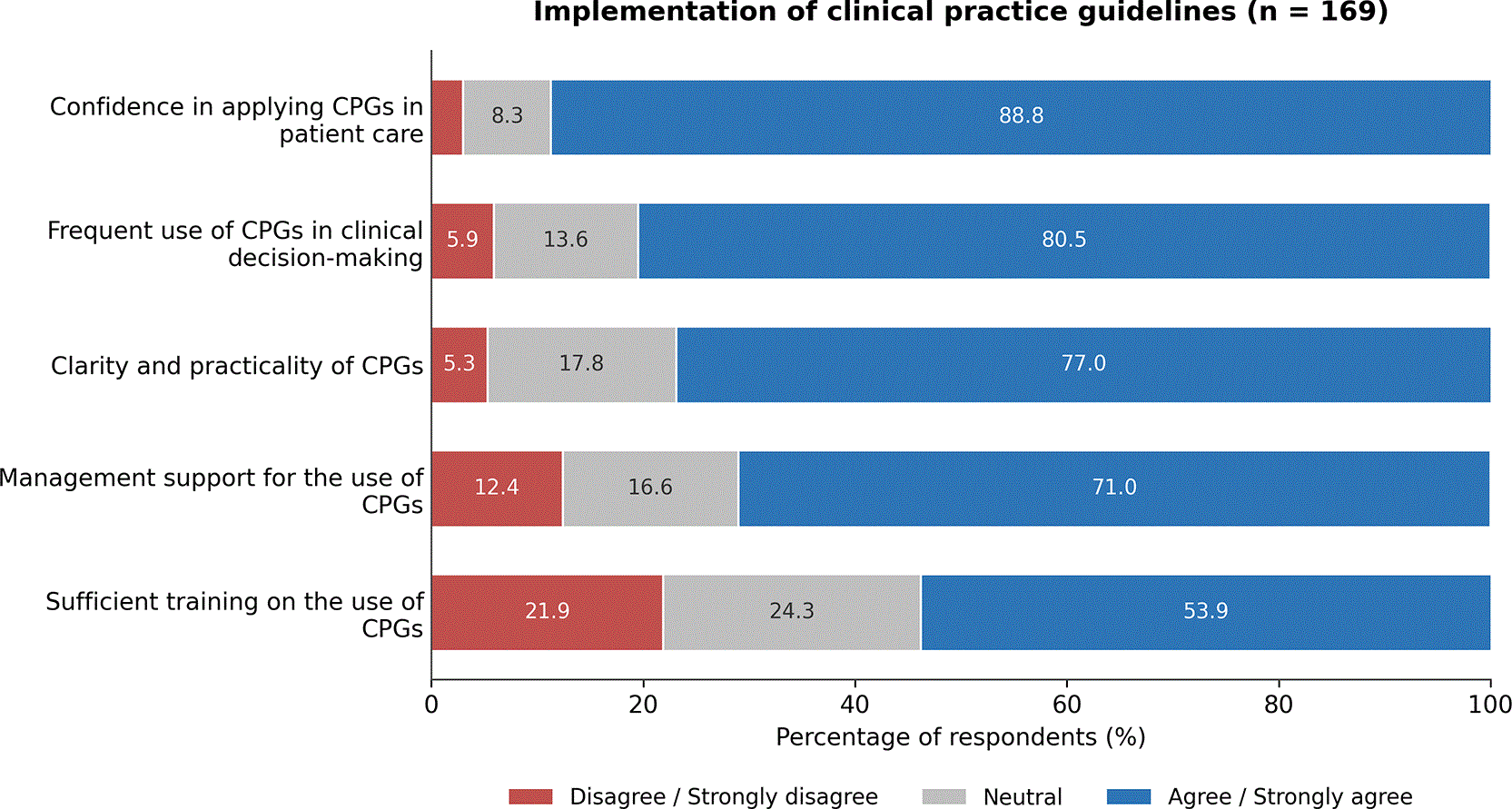
Horizontal stacked bars show the percentage of respondents who disagreed/strongly disagreed, were neutral, or agreed/strongly agreed with each implementation item, ranked from highest to lowest agreement. Data correspond to Table 4.
Healthcare professionals reported highly favourable perceptions regarding the effectiveness of CPGs. Nearly all participants agreed that CPGs improve patient health outcomes (98.8%), reduce clinical errors (97.0%), and enhance the quality of healthcare (95.3%). Perceptions were comparatively less positive regarding the role of CPGs in standardising clinical practice across healthcare providers (62.7%) and improving direct patient benefit (61.5%), with approximately one-third of participants selecting neutral responses ( Table 5). These perceptions are illustrated in Figure 3.
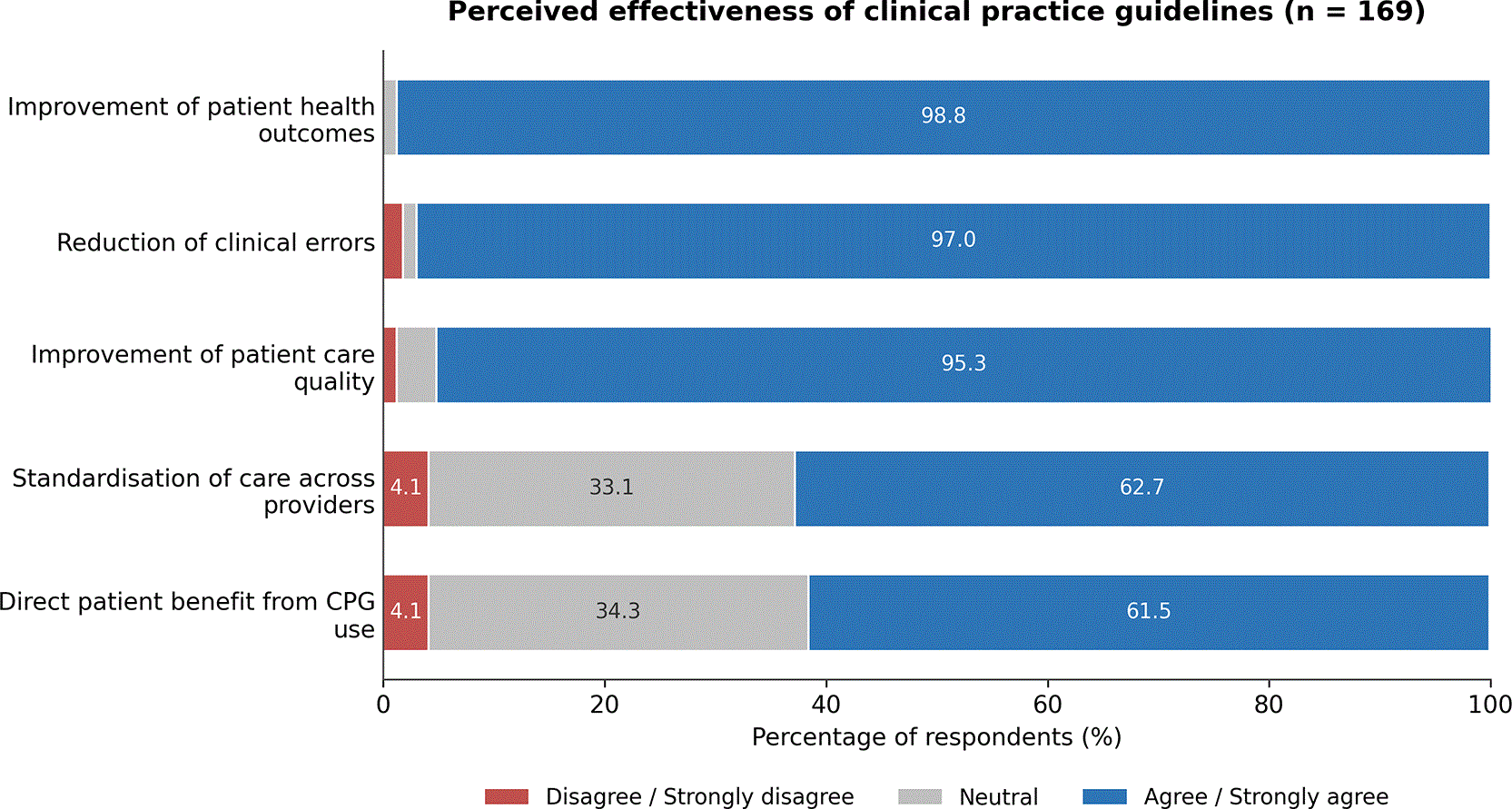
Horizontal stacked bars show the percentage of respondents who disagreed/strongly disagreed, were neutral, or agreed/strongly agreed with each effectiveness item, ranked from highest to lowest agreement. Data correspond to Table 5.
The most frequently reported barriers to CPG implementation were inadequate resources (85.8%), staff shortages (76.9%), and insufficient training (72.2%). Fewer participants identified outdated or unavailable guidelines (51.5%) and limited consultation time (46.1%) as barriers ( Table 6). The reported barriers are summarised graphically in Figure 4.
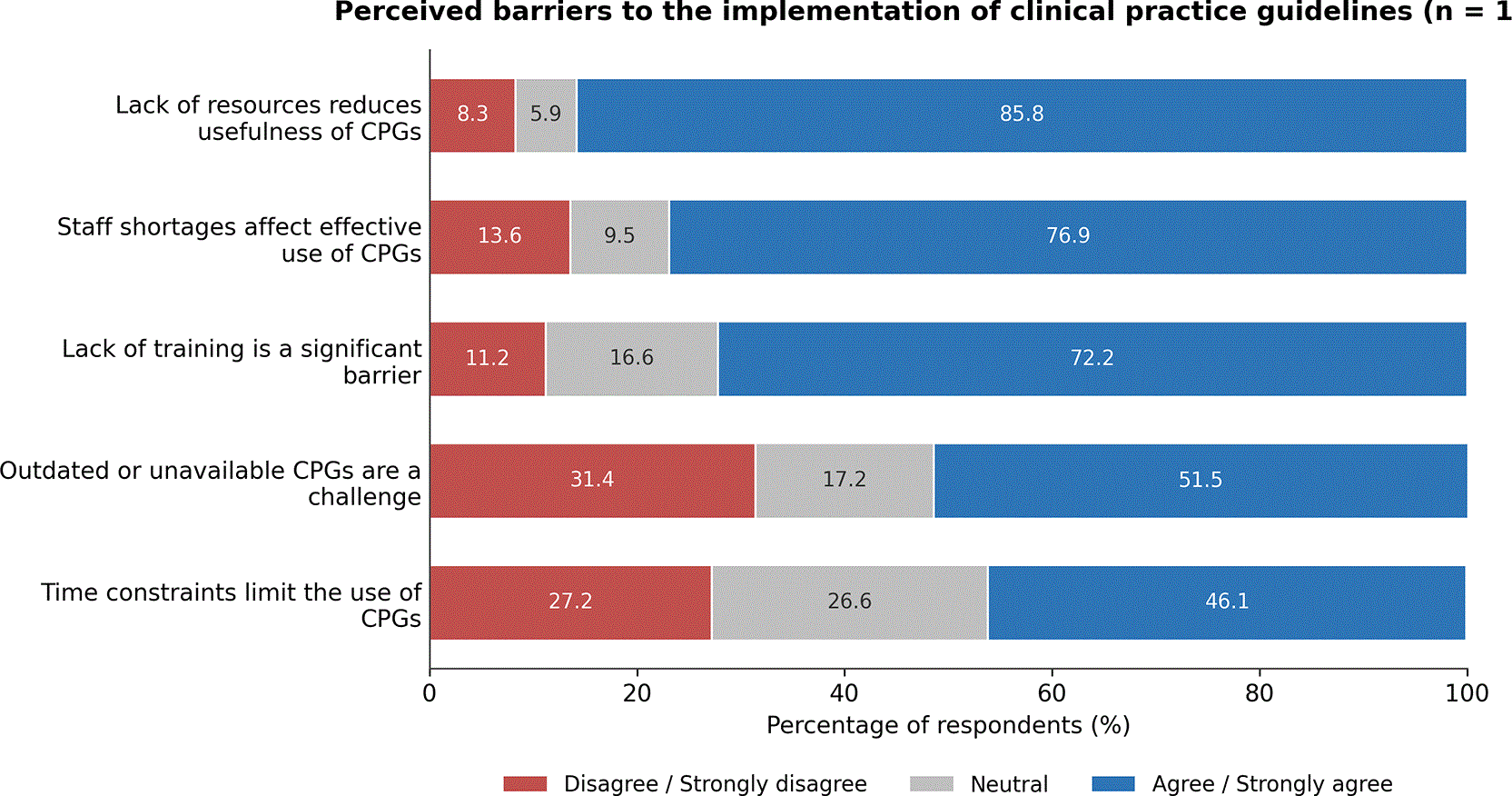
Horizontal stacked bars show the percentage of respondents who disagreed/strongly disagreed, were neutral, or agreed/strongly agreed with each barrier item, ranked from highest to lowest agreement. Data correspond to Table 6.
Eighty participants provided open-ended recommendations to improve the availability and implementation of CPGs. The most frequently proposed strategy was the regular review and updating of guidelines (26.3%), followed by increased training and continuing professional development (22.5%) and improved availability and accessibility of CPGs (20.0%). Other recommendations included increasing staffing levels (10.0%), strengthening digital access and information technology infrastructure (8.8%), enhancing organisational and management support (6.3%), improving the availability of clinical resources and equipment (3.8%), and simplifying or standardising guideline formats (2.5%). These recommendations closely reflected the barriers identified in the quantitative findings ( Table 7).
Significant differences in CPG availability scores were observed according to gender, professional role, age group, and years of professional experience. Female participants reported significantly higher availability scores than males (3.79 ± 0.97 vs. 3.22 ± 1.06; p = 0.002), while nurses reported higher scores than medical doctors (3.84 ± 0.96 vs. 2.92 ± 0.94; p < 0.001). Availability scores also increased significantly with age and years of professional experience, whereas no significant difference was observed between the two study hospitals (p = 0.082). Implementation scores did not differ significantly across any demographic or professional characteristic (all p > 0.05). Perceived effectiveness scores differed significantly by professional role (p = 0.049) and years of professional experience (p = 0.038), with healthcare professionals with 6–10 years of experience reporting the highest perceived effectiveness. The complete comparative analyses are presented in Table 8.
This study assessed the availability, accessibility, implementation, and perceived effectiveness of Clinical Practice Guidelines (CPGs) among healthcare professionals working in district teaching hospitals in the Eastern Cape Province, South Africa. The study achieved a satisfactory response rate (73.8%), which is considered acceptable for facility-based survey research15 and provides one of the first quantitative assessments of CPG implementation within district teaching hospitals in the province. The predominance of female participants and professional nurses reflects the staffing profile of South African district hospitals, where nursing personnel constitute the largest component of the healthcare workforce, and the profession remains predominantly female.7
Overall, participants perceived CPGs to be readily available and relevant to the disease burden encountered in their clinical settings. These findings support recommendations that district hospitals should maintain accessible guidelines covering both acute and chronic conditions to promote evidence-based clinical practice.16,17 Nevertheless, fewer than half of participants believed that guidelines were updated regularly, highlighting an important gap in guideline governance. Failure to maintain current CPGs may expose healthcare professionals to outdated recommendations, potentially compromising patient safety, reducing the quality of care, and increasing medicolegal risk.18 Availability scores differed significantly according to professional role, gender, age, and years of experience. Nurses reported greater availability of CPGs than medical doctors, possibly reflecting the protocol-driven nature of nursing practice and greater routine reliance on standardized clinical guidance. Similar differences between professional groups have been reported internationally.19 Healthcare professionals with longer clinical experience also reported greater availability of guidelines, suggesting that familiarity with institutional systems and accumulated workplace knowledge may facilitate access. Conversely, lower availability scores among less-experienced staff may indicate inadequate orientation and induction in using existing guideline resources, underscoring the importance of structured onboarding and continuing professional education.2 Although printed guidelines remained the most reported means of access, relatively few participants reported using mobile applications or digital platforms. These findings are consistent with evidence from other low- and middle-income countries, where limitations in internet connectivity, information technology infrastructure, and device availability continue to restrict digital access to clinical resources.20,21 Importantly, 7% of respondents reported having no access to CPGs, indicating that inequities in guideline accessibility persist despite generally favourable perceptions of availability. Similar challenges have been documented within South African primary healthcare and district hospital settings.9 Implementation of CPGs was generally high, with participants reporting frequent use of guidelines in clinical decision-making and high confidence in applying guideline recommendations. Implementation scores were consistent across hospitals and professional groups, suggesting that once CPGs are available and accessible, their uptake is relatively uniform. However, just over half of participants reported receiving sufficient training on CPG use, making training the weakest implementation domain. This finding is consistent with previous South African and international studies identifying inadequate training as a major barrier to successful guideline implementation.10,22 Furthermore, the apparent discrepancy between high self-reported confidence and relatively limited formal training should be interpreted cautiously, as self-confidence does not necessarily correspond to clinical competence or adherence to evidence-based practice.23
Participants expressed overwhelmingly positive perceptions regarding the effectiveness of CPGs, with almost universal agreement that guidelines improve patient outcomes, reduce clinical errors, and enhance the quality of healthcare. These findings are consistent with systematic reviews demonstrating that adherence to evidence-based guidelines improves healthcare quality and patient outcomes.24,25 However, respondents expressed greater uncertainty regarding the contribution of CPGs to standardising clinical practice and directly improving patient outcomes. Similar findings have been reported elsewhere, where clinicians generally acknowledge the value of CPGs but remain uncertain about the magnitude of their measurable impact in routine practice.26
Medical doctors and healthcare professionals with 6–10 years of experience reported slightly higher perceived effectiveness scores than nurses and more experienced clinicians. One possible explanation is that mid-career clinicians may combine sufficient clinical experience with greater engagement in evidence-based practice, whereas highly experienced clinicians may rely increasingly on accumulated clinical judgment rather than formal guidelines. Previous research has similarly demonstrated that reliance on clinical guidelines may decrease with increasing years of professional experience.27 Nevertheless, these findings should be interpreted cautiously because the observed differences were relatively small.
Consistent with previous studies from South Africa and other sub-Saharan African countries, participants identified inadequate resources, workforce shortages, and insufficient training as the principal barriers to effective CPG implementation.28 The recommendations proposed by participants, including regular updating of guidelines, increased training opportunities, and improved accessibility, closely mirrored these reported barriers and align with previous South African implementation research.2,29 These findings reinforce the need for multifaceted implementation strategies that combine organizational support, workforce development, infrastructure strengthening, and routine guideline review to maximize the impact of CPGs.
This study has several strengths. It employed a census sampling approach that included all eligible healthcare professionals across two district teaching hospitals and achieved a satisfactory response rate. The study was guided by a locally relevant clinical governance framework12 and used a comprehensive questionnaire to assess multiple dimensions of CPG implementation, including availability, accessibility, implementation, perceived effectiveness, and barriers.
Several limitations should also be acknowledged. First, the cross-sectional design precludes causal inference and does not permit assessment of changes in CPG implementation over time. Second, the reliance on self-reported data may have introduced recall and social desirability bias. The absence of objective measures of guideline adherence, such as clinical audits or medical record reviews, means that reported implementation may overestimate actual clinical practice, particularly given the discrepancy observed between confidence and formal training. Third, although the questionnaire demonstrated acceptable face validity, content validity, and internal consistency for most domains, it has not been externally validated in other healthcare settings. The lower internal consistency observed for the barriers domain likely reflects the multidimensional nature of implementation barriers rather than poor instrument performance. Finally, the study was conducted in only two district teaching hospitals within one province over a relatively short data collection period, which may limit the generalisability of the findings to non-teaching hospitals, primary healthcare facilities, or other provinces.
Clinical Practice Guidelines were generally available, accessible, well implemented, and perceived to be highly effective among healthcare professionals working in two district teaching hospitals in the Eastern Cape Province. However, important gaps remain in the regular updating of guidelines, equitable digital access, and the provision of structured training for healthcare professionals. Significant differences in perceived guideline availability according to professional role, gender, and years of experience suggest that organisational factors influence access to evidence-based resources. Healthcare organisations should strengthen local guideline governance by establishing routine review and updating processes, expanding digital and mobile access while maintaining printed resources, and investing in continuous professional development focused on guideline implementation. Addressing workforce shortages and resource constraints will also be essential to support sustained implementation. Future research should incorporate qualitative methods to explore organisational and professional factors influencing CPG implementation, alongside objective audit-based assessments of guideline adherence. Multicentre studies involving different levels of healthcare and multiple provinces would further improve understanding of CPG implementation across the South African health system.
Ethical approval for the study was obtained from the Walter Sisulu University Faculty of Medicine and Health Sciences Human Research Ethics and Biosafety Committee (Reference: WSU HREC 286/2025). Additional approval was granted by the Eastern Cape Department of Health (Reference: EC_202510_075), together with gatekeeper permission from the relevant district health authorities, before commencement of the study. The study was conducted in accordance with the ethical principles of the Declaration of Helsinki and adhered to the principles of respect for persons, beneficence, non-maleficence, and justice. Participation was voluntary, and all eligible healthcare professionals provided written informed consent before participating. Participants were informed of their right to decline participation or withdraw from the study at any stage without penalty or prejudice. Confidentiality and anonymity were maintained throughout the study. No personally identifiable information was collected, completed questionnaires were stored securely, electronic data were password-protected and accessible only to the research team, and findings are reported only in aggregate form to prevent identification of individual participants or healthcare facilities. Cultural sensitivity and respect for participants were maintained throughout the research process.
Zenodo: Availability, Accessibility, Implementation, and Perceived Effectiveness of Clinical Practice Guidelines Among Healthcare Professionals in District Teaching Hospitals in the Eastern Cape Province, South Africa. https://doi.org/10.5281/zenodo.21620468.31
This project contains the following underlying data:
- DATA Dr Majeke research.xlsx (de-identified participant-level responses, n = 169)
- Data dictionary describing all variables and response coding
The deposited dataset contains de-identified participant data and has been anonymised to protect participant confidentiality in accordance with the ethical approvals and informed consent procedures for this study.
Zenodo: Availability, Accessibility, Implementation, and Perceived Effectiveness of Clinical Practice Guidelines Among Healthcare Professionals in District Teaching Hospitals in the Eastern Cape Province, South Africa. https://doi.org/10.5281/zenodo.21620468.31
This project contains the following extended data:
- Study questionnaire (data collection instrument)
- Participant information sheet and informed consent form
Data are available under the terms of the Creative Commons Attribution 4.0 International licence (CC BY 4.0).
This study is reported in accordance with the STROBE (Strengthening the Reporting of Observational Studies in Epidemiology) statement for cross-sectional studies.30 The completed STROBE checklist is available as Extended data on Zenodo: https://doi.org/10.5281/zenodo.21620468.31
The authors sincerely thank the Eastern Cape Department of Health for granting permission to conduct this study. They also express their appreciation to the Chief Executive Officers, hospital management teams, and healthcare professionals of Dr Malizo Mpehle Memorial Hospital and Oliver and Adelaide Tambo Regional Hospital for their support, cooperation, and participation. Special thanks are extended to Ms. Palesa Njube for her valuable assistance with data collection.
The author(s) declared that no grants were involved in supporting this work.
© 2026 Majeke B et al. This is an open access article distributed under the terms of the Creative Commons Attribution License, which permits unrestricted use, distribution, and reproduction in any medium, provided the original work is properly cited.
Current Reviewer Status:
AWAITING PEER REVIEW
AWAITING PEER REVIEW
?
Key to Reviewer Statuses VIEW HIDE
ApprovedThe paper is scientifically sound in its current form and only minor, if any, improvements are suggested
Approved with reservations A number of small changes, sometimes more significant revisions are required to address specific details and improve the papers academic merit.
Not approvedFundamental flaws in the paper seriously undermine the findings and conclusions
Open Peer Review
AWAITING PEER REVIEW
Sign up for content alerts
Alongside their report, reviewers assign a status to the article:
Approved - the paper is scientifically sound in its current form and only minor, if any, improvements are suggested
Approved with reservations - A number of small changes, sometimes more significant revisions are required to address specific details and improve the papers academic merit.
Not approved - fundamental flaws in the paper seriously undermine the findings and conclusions