Просмотр новости
Найдите то, что Вас интересует
 Спутники
 РН
РН SpaceX
 Роскосмос
 NASA
NASA
СпутникиРНSpaceXРоскосмосNASABackground Depression, anxiety and stress may occur during early pregnancy, but evidence from Indonesian primary healthcare settings remains limited. This study estimated their prevalence, severity and co-occurrence and examined associated maternal, health and psychosocial factors among first-trimester pregnant women. Methods An analytical cross-sectional study was conducted among first-trimester pregnant women attending primary healthcare centres in Makassar, Indonesia, from January to April 2026. Of 442 complete submissions, four highly probable duplicates were excluded, leaving 438 participants. Symptoms were assessed using the Depression Anxiety Stress Scales-21. Subscale scores were multiplied by two and classified using standard severity thresholds. Prevalence estimates with 95% confidence intervals were calculated, and adjusted prevalence ratios were obtained using modified Poisson regression with robust standard errors. Results Mild-to-extremely severe symptoms were identified for depression in 42 women (9.6%, 95% CI 7.2–12.7), anxiety in 130 (29.7%, 95% CI 25.6–34.1) and stress in 52 (11.9%, 95% CI 9.2–15.2). Overall, 138 women (31.5%, 95% CI 27.3–36.0) had symptoms in at least one domain, and 30 (6.8%) had symptoms in all three domains. Age ≤ 20 years was associated with stress (aPR 2.33, 95% CI 1.18–4.59) and any-domain symptoms (aPR 1.54, 95% CI 1.03–2.29), whereas age ≥ 35 years was associated with lower anxiety prevalence (aPR 0.50, 95% CI 0.27–0.92). Chronic illness was associated with stress (aPR 2.70, 95% CI 1.43–5.11) and depression (aPR 3.12, 95% CI 1.48–6.60). Good family support was associated with lower depression prevalence, and very comfortable residential conditions with lower anxiety, stress and any-domain prevalence. Conclusions Psychological symptoms were common in early pregnancy, with anxiety most frequent. First-trimester antenatal care should incorporate brief mental health screening, contextual assessment and appropriate follow-up or referral.
Pregnancy is a major life transition involving biological, psychological, social and family-level changes. During the first trimester, women may experience nausea, fatigue, sleep disturbance, hormonal changes and uncertainty about fetal viability. These experiences can increase vulnerability to depression, anxiety and stress, particularly when women have limited psychosocial resources or concurrent health concerns.1–3
Psychological symptoms during pregnancy are relevant to women’s health because persistent distress may affect maternal wellbeing, quality of life, engagement with antenatal care and maternal–infant adjustment.1,4,5 Antenatal depression, anxiety and stress have also been associated with adverse perinatal and developmental outcomes, including preterm birth, low birth weight, impaired bonding and later child developmental concerns.3–6 Although these associations do not establish causality in every individual pregnancy, they support early identification and proportionate clinical follow-up.
The burden and determinants of antenatal mental health problems may differ across settings. In low- and middle-income countries, symptoms are shaped by socioeconomic insecurity, access to care, family relationships, chronic health conditions and the residential environment.4,7,8 In Indonesia, perinatal mental health screening is not yet consistently integrated into routine antenatal services, while primary healthcare centres remain the principal point of contact for many pregnant women.7–10
Much of the Indonesian literature has examined late pregnancy, childbirth-related anxiety or the broader perinatal period. Evidence focused specifically on the first trimester is more limited, even though early pregnancy represents a distinct period of uncertainty and adaptation. Moreover, examining depression, anxiety and stress together can clarify both their separate distributions and their overlap.
This study therefore aimed to estimate the prevalence and severity of depression, anxiety and stress symptoms, describe their co-occurrence, and identify associated maternal, health and psychosocial factors among first-trimester pregnant women attending primary healthcare centres in Makassar, Indonesia. Reporting was guided by the STROBE recommendations for cross-sectional studies.11
This analytical cross-sectional study was conducted among first-trimester pregnant women attending antenatal care through primary healthcare services in Makassar, the capital of South Sulawesi Province, Indonesia. Makassar is the largest urban centre in Eastern Indonesia and includes populations with diverse socioeconomic circumstances. Data were collected after ethical approval and local permissions had been obtained.
The target population comprised first-trimester pregnant women living in Makassar. Women were eligible if they were in the first trimester, could read and understand Bahasa Indonesia, were willing to participate, and provided electronic informed consent. Women were excluded if an acute clinical condition or severe pregnancy complication prevented questionnaire completion, or if the submission was incomplete for the main variables.
Consecutive sampling was used. Health workers informed eligible women about the study during antenatal contacts, and all consenting women were invited to complete the questionnaire until the minimum sample size had been exceeded. Participation was voluntary and did not affect access to healthcare.
The electronic questionnaire could be accessed only after participants indicated consent, and all required fields had to be completed before submission. Consequently, all submitted questionnaires were complete for the study variables. The number of eligible women approached who declined participation before providing consent was not systematically recorded; therefore, a participation rate could not be calculated.
To reduce potential selection and information bias, participants were recruited consecutively, the same structured electronic questionnaire and scoring procedures were used for all participants, and duplicate submissions were identified using predefined identifying and temporal criteria before outcome analysis.
The minimum sample size was calculated using the single-proportion formula for cross-sectional studies, with a 95% confidence level, an expected proportion of 0.50, and a precision of 0.05.12 The initial estimate was 385. After allowing for 10% non-response or unusable data, the target was 428 participants. A total of 442 complete submissions were received. Four highly probable duplicate responses were identified during data cleaning and removed, resulting in an analytical sample of 438.
Data were collected from 10th January to 24th April 2026 using a structured self-administered electronic questionnaire. Participants received information about the study objectives, procedures, minimal risks, confidentiality, voluntary participation, and the right to withdraw. The source export contained names and telephone numbers solely for field coordination and quality control; these identifiers were excluded from the analytical dataset.
Duplicate screening was undertaken before analysis. A response was classified as a highly probable duplicate when it shared the same valid telephone number with an earlier response, the participant names were highly similar, and the two submissions occurred within two hours. Four later duplicate submissions met all criteria. The first complete response was retained in each pair. No outcome-based information was used to select which response to retain.
Sociodemographic, obstetric and psychosocial variables included maternal age, religion, gestational age, gravidity, educational attainment, employment status, history of pregnancy complications, history of chronic illness, perceived family support, living arrangement and perceived residential comfort.
Family support was originally recorded as poor, adequate or good. Residential comfort was recorded as not comfortable, less comfortable, comfortable or very comfortable. Because some original categories contained fewer than five participants, these variables were collapsed for regression analysis to avoid unstable estimates: family support was analysed as poor/adequate versus good, and residential comfort as very comfortable versus lower levels of comfort. Original categories were retained in descriptive tables.
Symptoms were assessed using the Depression Anxiety Stress Scales-21 (DASS-21), a self-report instrument containing three seven-item subscales.13 The questionnaire included all 21 DASS items, although the electronic form presented them in an order that differed from the conventional item numbering. Subscale membership was therefore assigned from the wording and construct of each administered item according to the DASS scoring key. The seven responses for each subscale were summed and multiplied by two.
Severity categories were defined as follows: depression, normal 0–9, mild 10–13, moderate 14–20, severe 21–27 and extremely severe ≥28; anxiety, normal 0–7, mild 8–9, moderate 10–14, severe 15–19 and extremely severe ≥20; stress, normal 0–14, mild 15–18, moderate 19–25, severe 26–33 and extremely severe ≥34.13 For prevalence models, each domain was dichotomised as normal versus mild-to-extremely severe symptoms. The DASS-21 assesses symptom severity and was not used to establish a clinical diagnosis. Indonesian studies have reported acceptable psychometric properties for the instrument.13,14
Analyses were performed using JASP and independently reproduced during the data audit using Python statistical libraries. Categorical variables are presented as frequencies and percentages. Symptom prevalence is reported with Wilson 95% confidence intervals. Internal consistency was assessed using Cronbach’s alpha. Spearman correlations were used to describe associations among continuous subscale scores. Co-occurrence was described across the three binary symptom domains.
Modified Poisson regression with robust standard errors was used to estimate adjusted prevalence ratios and 95% confidence intervals for depression, anxiety, stress and the presence of symptoms in at least one domain. A common model was used for all four outcomes to facilitate comparison. Covariates were selected for clinical and conceptual relevance while limiting model complexity relative to the number of events: maternal age, gestational age, primigravida status, history of pregnancy complications, history of chronic illness, family support and residential comfort. Maternal age 21–35 years, gestation ≤6 weeks, multigravidity, no pregnancy complication, no chronic illness, poor/adequate support and lower residential comfort were reference categories. Statistical significance was assessed using two-sided p < 0.05; estimates close to this threshold were interpreted cautiously.
The study was approved by the Health Research Ethics Committee of the Faculty of Public Health, Hasanuddin University (Approval No. 2710/UN4.14.1/TP.01.02/2025). All participants received study information and provided electronic informed consent before completing the questionnaire.
A total of 442 complete questionnaires were submitted. Because the electronic form required consent before access and completion of all mandatory fields before submission, no incomplete submitted questionnaires were present. Four later submissions were removed as highly probable duplicates, leaving 438 participants in the final analysis. The number of eligible women approached who did not provide consent was not systematically recorded.
Most participants were aged 21–35 years (77.9%), were Muslim (94.3%) and were at 7–13 weeks’ gestation (67.8%). Nearly three-quarters were not employed (74.2%). Thirteen women (3.0%) reported a history of chronic illness and 31 (7.1%) reported previous pregnancy complications. Good family support was reported by 92.7%, and 70.3% described their residence as very comfortable ( Table 1).
Mild-to-extremely severe anxiety symptoms were present in 130 women (29.7%, 95% CI 25.6–34.1), stress symptoms in 52 (11.9%, 95% CI 9.2–15.2) and depression symptoms in 42 (9.6%, 95% CI 7.2–12.7). Overall, 138 women (31.5%, 95% CI 27.3–36.0) had symptoms in at least one domain. Anxiety was the most frequent domain and had the largest proportion of moderate symptoms (16.7%). See Table 2 and Figure 1.
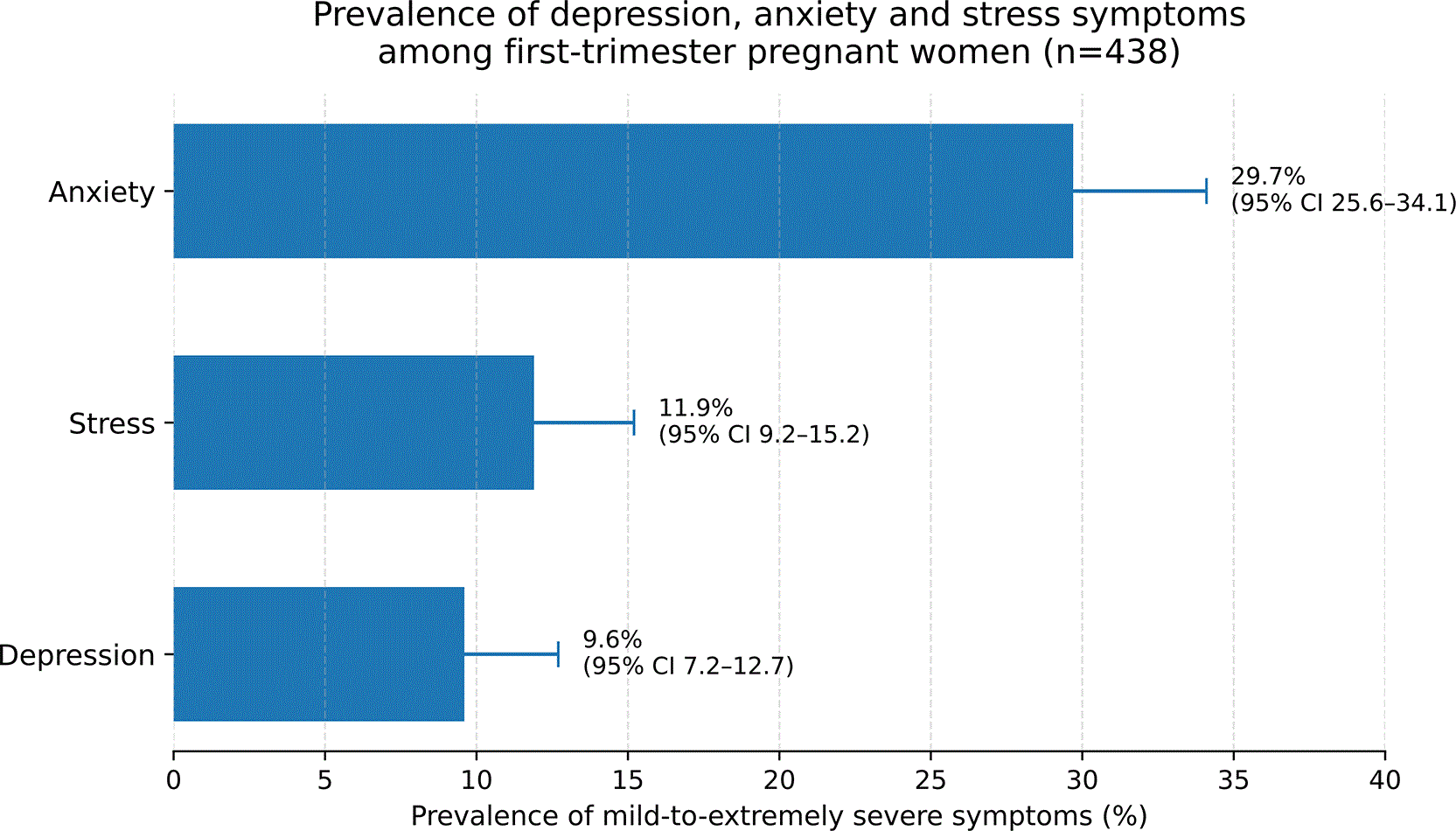
Error bars indicate 95% confidence intervals.
Internal consistency was good for depression (Cronbach’s α = 0.809), anxiety (α = 0.817) and stress (α = 0.855). The subscale scores were positively correlated: depression with anxiety (Spearman ρ = 0.625), depression with stress (ρ = 0.686), and anxiety with stress (ρ = 0.758); all p < 0.001.
Thirty women (6.8%) had symptoms in all three domains. Anxiety-only symptoms were observed in 74 women (16.9%), whereas 16 (3.7%) had anxiety and stress and 10 (2.3%) had depression and anxiety. No participant had concurrent depression and stress symptoms without anxiety ( Table 3).
In the adjusted models, women aged 35 years or older had approximately half the prevalence of anxiety symptoms compared with women aged 21–35 years (aPR 0.50, 95% CI 0.27–0.92). Very comfortable residential conditions were also associated with lower anxiety prevalence (aPR 0.73, 95% CI 0.53–0.99).
Stress symptoms were more prevalent among women aged 20 years or younger (aPR 2.33, 95% CI 1.18–4.59) and those with a history of chronic illness (aPR 2.70, 95% CI 1.43–5.11). Very comfortable residential conditions were associated with lower stress prevalence (aPR 0.46, 95% CI 0.26–0.81).
For depression, chronic illness was associated with higher prevalence (aPR 3.12, 95% CI 1.48–6.60), whereas good family support was associated with lower prevalence (aPR 0.43, 95% CI 0.20–0.91). For symptoms in at least one domain, age 20 years or younger was associated with higher prevalence, while age 35 years or older and very comfortable residential conditions were associated with lower prevalence. See Table 4 and Figure 2.
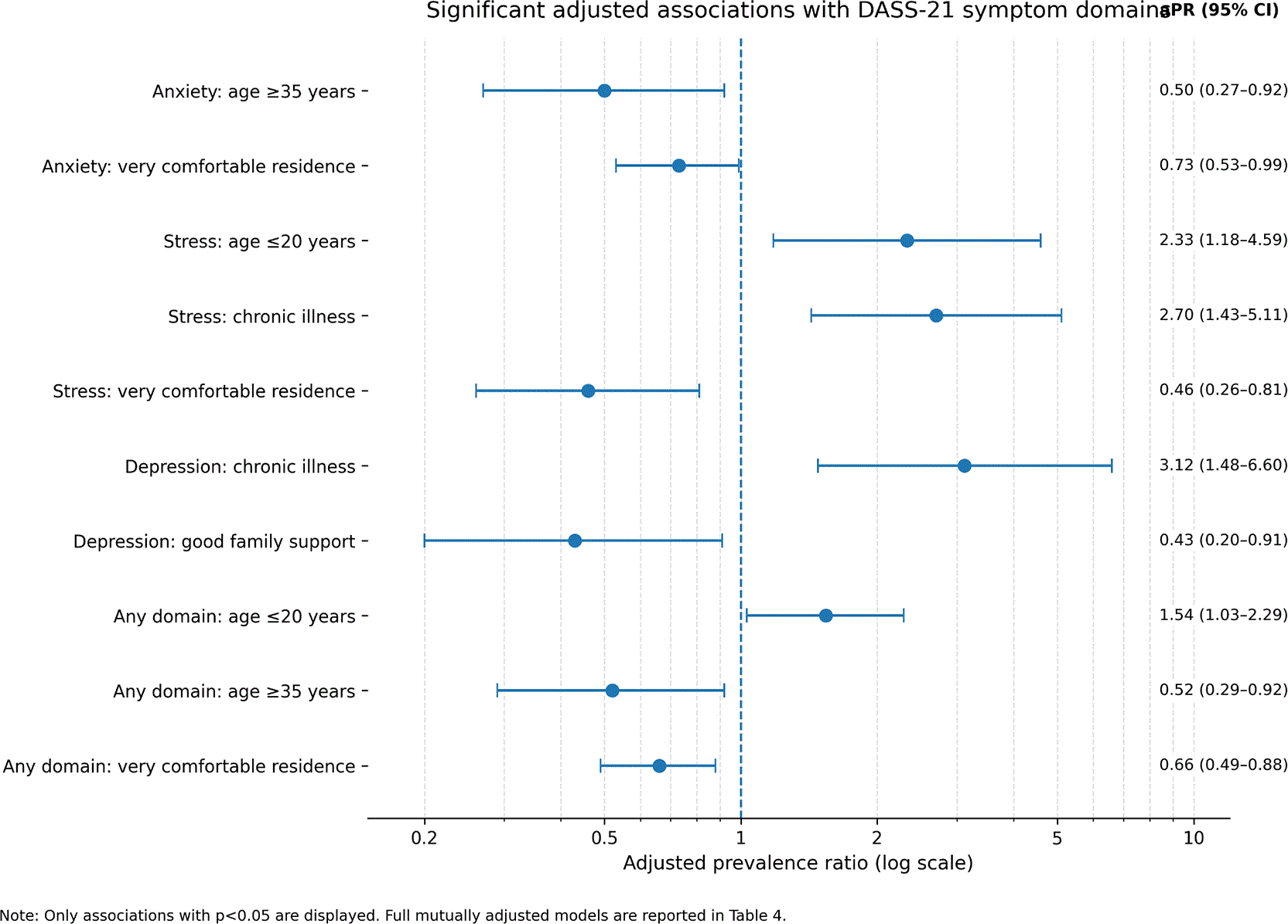
Points indicate adjusted prevalence ratios and horizontal bars indicate 95% confidence intervals from modified Poisson regression with robust standard errors. The dashed vertical line indicates no association (aPR = 1.00). Only associations with p < 0.05 are displayed; complete adjusted estimates are reported in Table 4, while crude and adjusted estimates are provided in Supplementary Table S1 in the extended data.
This study provides primary-care-based evidence on depression, anxiety and stress symptoms among women in the first trimester of pregnancy in Makassar, Indonesia. Almost one-third of participants experienced mild-to-extremely severe symptoms in at least one domain. Anxiety was the most frequent domain, affecting approximately three in ten women, whereas stress and depression affected approximately one in eight and one in ten, respectively. These findings indicate that psychological symptoms are already present during early pregnancy and are not confined to the later antenatal period or the period immediately preceding childbirth.
The three symptom domains showed substantial overlap. Thirty women experienced symptoms across all three domains, and anxiety was present in most observed multidomain combinations. This pattern is consistent with the recognised comorbidity and shared symptom burden of perinatal depression and anxiety. However, it should be interpreted descriptively rather than as evidence that anxiety causally precedes the other domains, because the observed combinations depend on DASS-21 thresholds and the relatively small number of participants in some symptom categories.15
The associated factors differed across symptom domains. Younger maternal age was most clearly associated with stress and the presence of symptoms in at least one domain, whereas women aged 35 years or older had a lower prevalence of anxiety and overall symptoms. Chronic illness was associated with stress and depression. Good family support was associated with lower depression prevalence, whereas very comfortable residential conditions were associated with lower anxiety, stress, and overall symptom prevalence. The domain-specific pattern suggests that antenatal psychological distress should not be treated as a single homogeneous outcome. Different symptoms may reflect partially overlapping but not identical maternal, health-related, and psychosocial processes.
The predominance of anxiety is consistent with systematic reviews and meta-analyses showing that anxiety symptoms and anxiety disorders are common during pregnancy.2,5,16–18 Early pregnancy may be particularly characterised by uncertainty regarding fetal viability, unfamiliar bodily sensations, nausea, fatigue, changes in daily functioning and adjustment to a maternal identity. These experiences may generate apprehension before concerns about childbirth become prominent.
The anxiety prevalence in this study should not be interpreted as directly equivalent to estimates from studies using diagnostic interviews or pregnancy-specific anxiety instruments. Prevalence estimates vary according to the measurement instrument, cut-off score, gestational period, sampling method, clinical versus community setting and whether general anxiety symptoms or specific anxiety disorders are assessed.2,17,18 The present findings therefore indicate symptom burden requiring further assessment rather than the prevalence of clinically diagnosed anxiety disorders.
The prevalence of depressive symptoms was lower than the prevalence of anxiety symptoms. Global reviews have nevertheless shown that antenatal depression remains common and that prevalence is often higher in socially and economically disadvantaged populations.4,16,19 Differences between the present estimate and estimates from other settings may reflect the first-trimester focus, the characteristics of women attending primary healthcare, the DASS-21 thresholds used, and the relatively high proportion of participants reporting good family support and very comfortable residential conditions.
Stress symptoms were identified in approximately one in eight participants. Stress measured by the DASS-21 reflects persistent tension, difficulty relaxing, irritability, and heightened reactivity rather than exposure to a specific stressful event.13,14,20 It should therefore be distinguished from measures of perceived stress, traumatic stress or pregnancy-specific stress. This distinction is important when comparing the present findings with studies that use different constructs and instruments.
The findings also contribute to a still limited body of evidence from Indonesian primary healthcare settings. Indonesian studies have identified perinatal common mental disorders and have described barriers to integrating maternal mental health into routine services.7–9 Evidence from low- and lower-middle-income countries further indicates that perinatal mental health is shaped not only by individual vulnerability but also by poverty, gendered social roles, family relationships, violence, limited service access and physical health conditions.19 The present findings extend this literature by demonstrating that symptoms are detectable during the first trimester among women using routine primary healthcare services.
The co-occurrence findings have practical and conceptual implications. Depression, anxiety, and stress are distinguishable constructs, but they share affective, cognitive, and physiological features. A woman who reports anxiety may also experience reduced motivation, hopelessness, irritability, sleep disturbance, or difficulty relaxing. Perinatal mental health reviews have similarly emphasised that anxiety and depressive symptoms frequently coexist and that focusing on a single disorder may underestimate women’s overall psychological burden.15
The absence of a depression-and-stress combination without anxiety in this sample should not be interpreted as a fixed clinical sequence. The number of participants in several combinations was small, and categorisation at a specific threshold can change the apparent pattern. Nevertheless, the finding supports assessing more than one symptom domain when a woman screens positive. Screening only for depression, for example, could fail to identify women whose predominant difficulty is anxiety or stress.
The association between very young maternal age and stress is plausible and consistent with literature identifying younger age as a potential marker of psychosocial vulnerability during pregnancy.1,10,21,22 Younger pregnant women may have less financial independence, reduced decision-making autonomy, lower preparedness for pregnancy, interrupted education, unstable relationships, or fewer established coping resources. However, these mechanisms were not directly measured in the present study and should not be assumed for every younger participant.
Women aged 35 years or older had a lower prevalence of anxiety than women aged 21–35 years. This finding should be interpreted cautiously. Advanced maternal age can be accompanied by increased obstetric concern, but chronological age may also correlate with greater life experience, more stable relationships, stronger economic resources or a higher probability of planned pregnancy. Reviews of antenatal anxiety suggest that associations with maternal age are inconsistent across populations and may depend on social and obstetric context.1,22
Taken together, the findings suggest that the relationship between maternal age and psychological symptoms may be nonlinear rather than representing a simple increase or decrease with age. Younger age was associated primarily with stress, while older age was associated with lower anxiety. Future studies should retain age as a continuous variable where possible, examine nonlinear associations, and include pregnancy intention, relationship stability, socioeconomic circumstances, and obstetric risk to clarify the mechanisms underlying these differences.
Chronic illness was one of the strongest health-related correlates in this study. Women reporting chronic illness had approximately 2.7 times the prevalence of stress symptoms and more than three times the prevalence of depressive symptoms compared with women without chronic illness. Pregnancy may increase uncertainty regarding medication safety, disease control, maternal complications, and fetal health. Additional appointments, treatment demands, physical limitations, and concerns about the course of pregnancy may also intensify psychological strain.1,15
The finding supports integrating maternal mental health assessment with clinical risk review. Women with chronic physical conditions should not be assessed solely in terms of obstetric or medical complications; psychological wellbeing, treatment burden, social support, and ability to manage self-care may also require attention. At the same time, only 13 participants reported chronic illness. The large adjusted prevalence ratios therefore represent an important signal but remain statistically imprecise and should not be interpreted as exact estimates of effect magnitude.
The cross-sectional design also leaves open the possibility of bidirectional relationships. Chronic illness may increase depression and stress, while psychological symptoms may make symptom management, healthcare engagement, and adherence more difficult. Longitudinal studies are required to establish whether psychological symptoms emerge after pregnancy-related concerns about chronic illness or were already present before pregnancy.
Good family support was associated with lower depression prevalence but was not statistically associated with every symptom domain. Emotional reassurance, practical assistance, accompaniment to antenatal visits, help with household responsibilities, and shared decision-making may reduce feelings of isolation and helplessness. Previous research has identified social and partner support as important correlates of antenatal anxiety and depressive symptoms.1,23–25
The domain-specific association may indicate that family support is particularly relevant to depressive experiences such as hopelessness, withdrawal, and perceived burden, whereas anxiety and stress may also be strongly influenced by uncertainty, physical sensations, and health-related concerns. This interpretation remains tentative because the study used a broad categorical measure rather than a validated multidimensional social-support scale.
The distribution of family support should also be considered. More than 90% of participants reported good support, creating a ceiling effect and leaving relatively few women in the comparison category. This limited the ability to examine gradients or specific dimensions of support. Furthermore, the association may be bidirectional: limited support may contribute to depressive symptoms, but women experiencing depression may also perceive available support less positively. Prospective studies using validated partner- and family-support measures are needed to clarify temporality.
Perceived residential comfort was associated with lower anxiety, stress, and overall symptom prevalence. A comfortable home may facilitate rest, privacy, physical safety and emotional regulation, whereas an uncomfortable environment may reflect noise, overcrowding, interpersonal conflict, insecurity, poor housing quality or limited personal space. Housing and neighbourhood conditions are increasingly recognised as social determinants of maternal and general mental health.25,26
The finding broadens the interpretation of antenatal mental health beyond individual psychological vulnerability. Primary healthcare assessment may need to consider whether a woman has a safe and supportive place to rest, whether household relationships are stressful, and whether environmental conditions interfere with sleep or recovery from pregnancy-related symptoms.
However, residential comfort was assessed using a single subjective item. The study did not separately measure housing quality, crowding, privacy, neighbourhood safety, family conflict or financial insecurity. Distress may also influence how women evaluate their living environment, creating the possibility of reverse causation or common-method bias. The result should therefore be interpreted as evidence that perceived home conditions warrant further investigation, not as proof that residential comfort independently prevents psychological symptoms.
An important feature of the results is that the associated factors were not identical for depression, anxiety and stress. Chronic illness was most clearly related to stress and depression, family support to depression, residential comfort to anxiety and stress, and maternal age to anxiety or stress depending on the age group. These differences support analysing DASS-21 subscales separately rather than combining them into a single total score.
At the same time, the three subscales were strongly correlated. The findings therefore suggest a combination of shared psychological vulnerability and domain-specific influences. Health concerns may generate sustained tension and low mood, limited family support may be particularly relevant to depressive symptoms, and an uncomfortable home environment may heighten vigilance, irritability and inability to relax. These interpretations are plausible but remain hypotheses because the study did not formally test mediation pathways.
Primary healthcare centres provide an important opportunity to identify psychological symptoms early in pregnancy because antenatal visits may represent a woman’s first sustained contact with health services during this period. Screening should not function as an isolated questionnaire exercise. It should be embedded within a pathway that includes explanation of results, assessment of symptom severity and functioning, enquiry about safety and self-harm, brief supportive intervention, follow-up and referral where required.27,28
A positive DASS-21 result should not be treated as a psychiatric diagnosis. Women with positive screens require further clinical assessment to determine whether symptoms reflect an adjustment response, an anxiety or depressive disorder, a trauma-related condition, a physical health problem, substance use, intimate partner violence or another source of distress. Severe symptoms, marked functional impairment, psychotic symptoms, mania, self-harm thoughts, or immediate safety concerns require urgent assessment by an appropriately trained professional.
Within primary healthcare, midwives, nurses, and general practitioners could use a stepped approach. Women with mild symptoms and preserved functioning may benefit from psychoeducation, sleep and coping support, scheduled follow-up, and appropriate family involvement. Women with persistent moderate symptoms may require structured psychological support or referral to counselling services. Women with severe or complex presentations should have access to mental health specialists and coordinated obstetric care. The precise screening tool and referral thresholds should be adapted to local resources, staff competencies, and referral availability.
The results identify several groups who may warrant closer assessment: women aged 20 years or younger, women with chronic illness, women reporting limited family support, and women who do not experience their home environment as comfortable or supportive. These characteristics should not be used to label women as psychologically unwell; rather, they can prompt more careful, person-centred enquiry.
At the service level, integrating perinatal mental health requires staff training, privacy during screening, documentation procedures, supervision, and clear referral agreements. Screening without accessible follow-up risks identifying distress without providing an appropriate response. International guidance therefore emphasises integration of perinatal mental health into existing maternal and child health systems rather than developing a disconnected parallel service.27,28
Future studies should use longitudinal designs beginning in early pregnancy and continuing through later pregnancy and the postpartum period. Such designs would help establish whether symptoms persist, remit or increase and whether family support, chronic illness and residential conditions precede changes in mental health.
More detailed measures are also needed. Family support should be assessed across emotional, instrumental and partner-specific dimensions. Residential conditions should include objective and subjective indicators such as crowding, privacy, housing quality, neighbourhood safety, financial strain, and household conflict. Pregnancy intention, previous mental health history, intimate partner violence, reproductive loss, and obstetric risk should be included because they may confound or modify the observed relationships.
Research should also evaluate the feasibility and clinical utility of early screening in Indonesian primary healthcare. Important outcomes include staff acceptability, referral completion, symptom improvement, cost, unintended consequences and whether screening reaches women with limited digital literacy or access.
This study has several strengths. It focused specifically on the first trimester, a period that remains less frequently studied than late pregnancy or the postpartum period. Recruitment through primary healthcare services increases the relevance of the findings to routine antenatal practice. The final sample exceeded the calculated minimum, all three DASS-21 domains were analysed, and symptom severity and co-occurrence were retained rather than reporting only a single binary outcome. Modified Poisson regression with robust standard errors provided prevalence ratios, which are generally more interpretable than odds ratios for common binary outcomes in cross-sectional studies.
The data audit also strengthened transparency. DASS-21 scores were reconstructed from the raw item responses, the electronic item order was mapped to the correct subscales, and four highly probable duplicate submissions were removed using predefined identifying and temporal criteria without reference to outcome values.
Several limitations should nevertheless be considered. First, the cross-sectional design precludes conclusions about temporality, mediation, or causality. Associations with family support and residential comfort may be bidirectional because psychological symptoms can affect how women perceive their relationships and environment.
Second, the DASS-21 is a self-report symptom instrument and does not provide clinical diagnoses.13,14,23 Some anxiety and stress items include physiological or arousal-related experiences that may overlap with normal pregnancy sensations. Although the DASS-21 subscales showed good internal consistency, clinical assessment would be required to determine whether symptoms represent a psychiatric disorder, a physical condition or a transient adjustment response.
Third, consecutive recruitment and electronic questionnaire completion may limit generalisability. Women who attended participating services, had access to a mobile device and were able to complete an online questionnaire may differ from women with limited healthcare access, digital literacy or severe social disadvantage.
Fourth, chronic illness and previous pregnancy complications were self-reported and were not classified by diagnosis, severity, or treatment. Only 13 women reported chronic illness. Consequently, the strong associations with depression and stress should be interpreted cautiously because confidence intervals remain relatively wide.
Fifth, family support and residential comfort were measured using broad categorical items rather than validated multidimensional instruments. The original categories were highly imbalanced and therefore had to be collapsed for regression. In particular, the high prevalence of reported good family support may have produced a ceiling effect and limited the ability to distinguish moderate from very strong support.
Sixth, the depression model included only 42 symptomatic cases. Although the multivariable model was kept conceptually focused, some adjusted estimates may remain vulnerable to overfitting and imprecision. Replication in a larger sample with more depression events is warranted.
Seventh, duplicate screening was based on identical telephone numbers, highly similar names and closely spaced submission times. Although these criteria were stringent and affected only four later responses, future studies should use a non-identifying unique participant code to prevent duplicate entry without retaining direct identifiers in the analytical file.
Finally, several potentially important variables were unavailable, including pregnancy intention, previous mental health diagnosis, psychiatric treatment, reproductive loss, intimate partner violence, financial strain, sleep quality, substance use, obstetric risk and exposure to stressful life events. Residual confounding therefore remains possible.
Depression, anxiety, and stress symptoms were present among a substantial proportion of first-trimester pregnant women attending primary healthcare centres in Makassar, with anxiety the most frequent domain. Maternal age, chronic illness, family support, and residential comfort showed different patterns of association across symptom domains. Integrating brief mental health screening and contextual psychosocial assessment into early antenatal care may help primary healthcare teams identify women who require support, monitoring or referral. Longitudinal research using more detailed psychosocial measures is needed to clarify temporal pathways and inform targeted interventions.
Not applicable. The manuscript contains no identifiable individual data, images or videos.
During manuscript preparation, the authors used Generative AI (GPT-5.6 Sol.) as a supporting tool for language refinement, structural editing, checking selected analysis scripts, and improving the presentation of tables, figures, and data documentation. The research questions, study design, data collection, analytical decisions, interpretation of findings, and final manuscript remained under the authors’ direct responsibility. All AI-assisted content was reviewed, verified against the sources data and relevant data references, and revised as necessary by the authors.