Просмотр новости
Найдите то, что Вас интересует
 Спутники
 РН
РН SpaceX
 Роскосмос
 NASA
NASA
СпутникиРНSpaceXРоскосмосNASABackground Educational buildings in Egypt are predominantly cooling-dominated, and their envelope design and operation strongly affect both energy use and indoor environmental quality. The present study explores the energy retrofit strategy of existing higher educational building in the Mediterranean climate as a sustainable approach. This issue is particularly significant in Marsa Matruh, where energy demand is high and knowledge of energy-efficient practices is relatively low. This research focuses on incorporating phase change materials (PCMs) within external wall and roof assemblies to enhance thermal comfort and improve building energy efficiency, thereby minimizing the requirement for mechanical air-conditioning during the summer season. Methods The research comprises six chapters covering the research background, aim and objectives, methodology, and relevant literature on higher education buildings in Mediterranean climatic regions. It examines building energy consumption challenges and explores building envelope retrofit strategies, focusing on PCMs as a passive thermal improvement measure. A case study is conducted using Design Builder v7.0.2.006 integrated with the EnergyPlus v9.4 simulation engine to assess the effectiveness of RT25HC PCM integrated into external walls and roof assemblies of a higher education facility. Results The findings show that RT25HC PCM improves thermal comfort in educational buildings under free-running conditions. Among the evaluated cases, Scenario 5, featuring a 40 mm PCM layer on the exterior side of the external wall, emerged as the most effective configuration, resulting in a 7.65% reduction in annual discomfort hours compared with the base case and demonstrating the greatest potential for lowering cooling energy demand. Conclusion In summary, this study demonstrates that RT25HC PCM can enhance indoor thermal comfort while lowering energy consumption in higher education buildings. Using a representative university building, the research develops retrofit strategies that can provide as a practical framework for improving the energy performance of similar educational buildings within Egypt’s Mediterranean coastal cities.

Assem ELTanany M, Hany N and Mosaad G. Improving Thermal Comfort Performance of Mediterranean Higher-Education Buildings via PCM-Integrated Envelope Retrofit: A Case Study of the AASTMT Campus, Marsa Matruh, Egypt. [version 1; peer review: awaiting peer review]. F1000Research 2026, 15:1307 (https://doi.org/10.12688/f1000research.185789.1)
Research Article
[version 1; peer review: awaiting peer review]
https://orcid.org/0009-0002-7957-7381
1, Nermine Hanyhttps://orcid.org/0000-0003-4816-3127
2, Gihan Mosaad3https://orcid.org/0009-0002-7957-7381
1, Nermine Hanyhttps://orcid.org/0000-0003-4816-3127
2, Gihan Mosaad31 Architectural Engineering, Arab Academy for Science Technology and Maritime Transport College of Engineering and Technology, Alexandria, Alexandria Governorate, 1029 (P.O. Box 1029), Egypt
2 Associate Professor of Architectural Engineering and Environmental Design, College of Engineering and Technology, Arab Academy for Science, Technology and Maritime Transport (AASTMT), Alexandria, Egypt
3 Dean of Education Affairs, Architectural Engineering and Environmental Design, College of Engineering and Technology, Arab Academy for Science, Technology and Maritime Transport (AASTMT), Alexandria, Egypt
Mariam Assem ELTanany
Roles: Conceptualization, Data Curation, Formal Analysis, Investigation, Methodology, Software, Visualization, Writing – Original Draft Preparation
Nermine Hany
Roles: Project Administration, Supervision, Writing – Review & Editing
Gihan Mosaad
Roles: Project Administration, Supervision, Writing – Review & Editing
OPEN PEER REVIEW
REVIEWER STATUS AWAITING PEER REVIEW
Educational buildings in Egypt are predominantly cooling-dominated, and their envelope design and operation strongly affect both energy use and indoor environmental quality. The present study explores the energy retrofit strategy of existing higher educational building in the Mediterranean climate as a sustainable approach. This issue is particularly significant in Marsa Matruh, where energy demand is high and knowledge of energy-efficient practices is relatively low. This research focuses on incorporating phase change materials (PCMs) within external wall and roof assemblies to enhance thermal comfort and improve building energy efficiency, thereby minimizing the requirement for mechanical air-conditioning during the summer season.
MethodsThe research comprises six chapters covering the research background, aim and objectives, methodology, and relevant literature on higher education buildings in Mediterranean climatic regions. It examines building energy consumption challenges and explores building envelope retrofit strategies, focusing on PCMs as a passive thermal improvement measure. A case study is conducted using Design Builder v7.0.2.006 integrated with the EnergyPlus v9.4 simulation engine to assess the effectiveness of RT25HC PCM integrated into external walls and roof assemblies of a higher education facility.
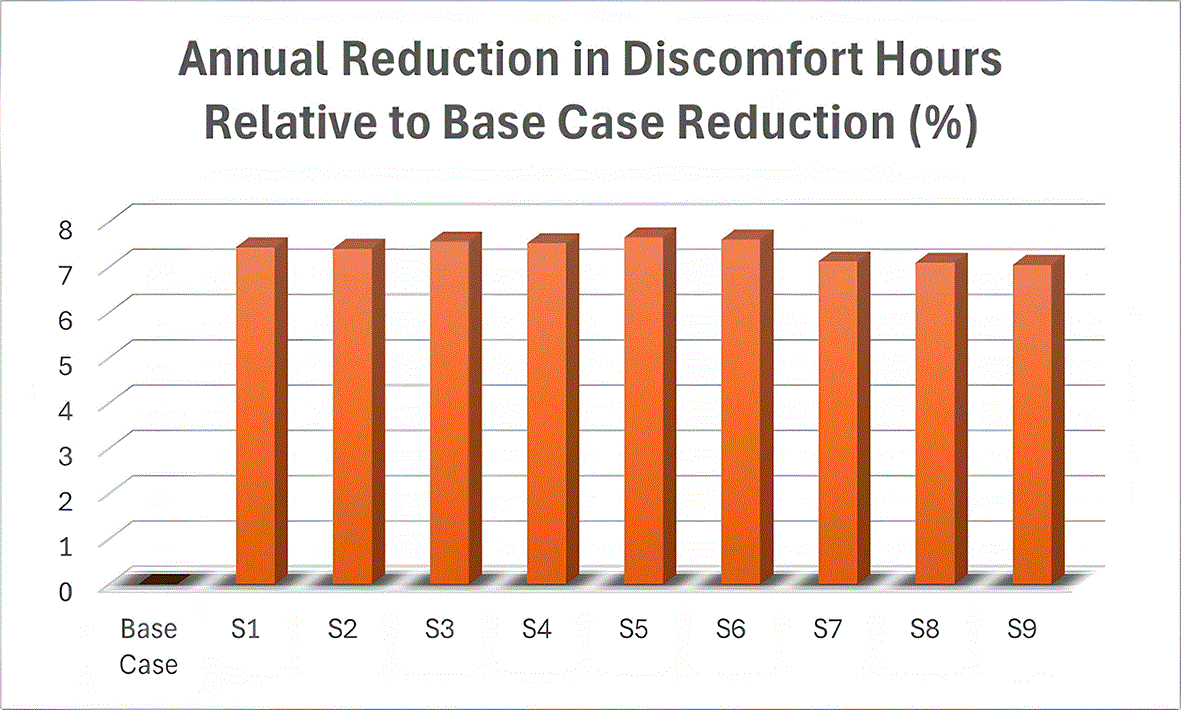
ResultsThe findings show that RT25HC PCM improves thermal comfort in educational buildings under free-running conditions. Among the evaluated cases, Scenario 5, featuring a 40 mm PCM layer on the exterior side of the external wall, emerged as the most effective configuration, resulting in a 7.65% reduction in annual discomfort hours compared with the base case and demonstrating the greatest potential for lowering cooling energy demand.
ConclusionIn summary, this study demonstrates that RT25HC PCM can enhance indoor thermal comfort while lowering energy consumption in higher education buildings. Using a representative university building, the research develops retrofit strategies that can provide as a practical framework for improving the energy performance of similar educational buildings within Egypt’s Mediterranean coastal cities.
Keywords Energy Efficiency, Thermal Comfort, Building Envelope, RT25HC PCM, Building Thermal Performance ASHRAE-55, Passive Cooling.
Corresponding authors: Mariam Assem ELTanany, Nermine Hany Competing interests: No competing interests were disclosed.
Grant information: The author(s) declared that no grants were involved in supporting this work.
Copyright: © 2026 Assem ELTanany M et al. This is an open access article distributed under the terms of the Creative Commons Attribution License, which permits unrestricted use, distribution, and reproduction in any medium, provided the original work is properly cited. How to cite: Assem ELTanany M, Hany N and Mosaad G. Improving Thermal Comfort Performance of Mediterranean Higher-Education Buildings via PCM-Integrated Envelope Retrofit: A Case Study of the AASTMT Campus, Marsa Matruh, Egypt. [version 1; peer review: awaiting peer review]. F1000Research 2026, 15:1307 (https://doi.org/10.12688/f1000research.185789.1) First published: 06 Aug 2026, 15:1307 (https://doi.org/10.12688/f1000research.185789.1) Latest published: 06 Aug 2026, 15:1307 (https://doi.org/10.12688/f1000research.185789.1)
Educational institutions are priority candidates for energy-retrofit interventions in Egypt, as the building stock represents a significant portion of national energy consumption, and cooling demand predominates for much of the year. Sectoral indicators and national briefs further underscore the country’s heavy reliance on electricity for space conditioning, positioning the built environment as a critical locus for efficiency improvements.1
Cooling requirements decisions (direction, glazing ratios, and envelope construction) in hot-arid locations, particularly along Egypt’s Mediterranean coast, have a significant impact on annual consumption and indoor comfort in educational settings. Recent studies on Egyptian classrooms and campuses have confirmed the sensitivity of student comfort and envelope and ventilation decisions, emphasizing the relevance of passive solutions in schools and university buildings.2
Moreover, by 2050, Global electricity consumption for space cooling is projected to increase threefold. With most of this growth occurring in emerging and developing economies, making improvements in air-conditioning efficiency and passive cooling strategies a central opportunity to curb future building energy use.3 The thermal characteristics of a building’s exterior significantly influence the cooling requirements of its interior spaces. Within this framework, the building envelope serves a pivotal function, acting as the barrier that shields the internal environment of the building from external conditions.
This envelope comprises multiple essential elements, including walls, ceilings, floors, windows, doors, and external shading features. Therefore, enhancing the thermal efficiency of these components not only decreases the energy required for areas requiring cooling but also increases indoor thermal comfort.4
Egypt’s educational buildings confront constant cooling loads and indoor-environmental difficulties because of envelope design and operation. Empirical and simulation studies on Egyptian schools and university facilities demonstrate that large lecture halls and classrooms are sensitive to envelope/ventilation decisions and regularly have thermal-comfort shortages in hot, arid weather. Only a few researchers have evaluated the environmental performance of educational halls over prolonged periods within Egypt.5
The purpose of this research is to analyze the efficiency of PCMs applications on the building envelope components, which is a passive method that is not widely used in Egypt. To present the advantages of it on thermal comfort and energy efficiency, by incorporating RT25HC PCM in external walls and roof slab.
The implementation of (PCMs) is a common passive cooling technique for buildings around the world.6Phase change materials are latent heat storage materials that manage thermal energy by collecting heat during melting and releasing it during solidification under generally steady temperature settings.7 The popularity of employing PCMs to improve optimal temperature for feeling comfortable can be ascribed in three ways.
1. Using PCMs in building materials decreases overheating by absorbing heat and releasing it at lower temperatures.
2. Lowering the PCM’s surface temperature Walls relying on radiation to enhance thermal comfort by facilitating heat transfer.
3. Improved natural convection mixing can reduce uncomfortable thermal stratifications.8
PCMs can be employed in developing new structures and modifying existing ones without the need for major renovations. This provides an opportunity to enhance the thermal efficiency and energy effectiveness of the current building infrastructure.8,9 As the temperature degrees rise to the melting point, PCM takes in energy by breaking chemical bonds, occurring simultaneously with the endothermic reaction. When in operation, the PCM transitions undergo a phase transition from a solid state to a liquid state at a stable temperature.10as shown in Figure 1. Sensible heating increases the heat level of the PCM even more. As the temperature of the PCM drops below freezing, it employs an exothermic process to restore chemical bonds and emits energy. Consequently, PCM transitions from a liquid condition to a solid condition. Charging and discharging processes can be carried out multiple times, making PCM an efficient thermal storage option. As a result, PCMs decrease peak energy usage and improve overall building efficiency.11Several studies have found that using PCMs improves thermal comfort. For instance, Adding a PCM wallboard (23 °C melt point) boosted summer comfort by 215 hours and reduced annual uncomfortable hours from 1,543 to 1.469, resulting in a 4.8% reduction in discomfort hours and an 11.7% decrease in summer energy demand.6
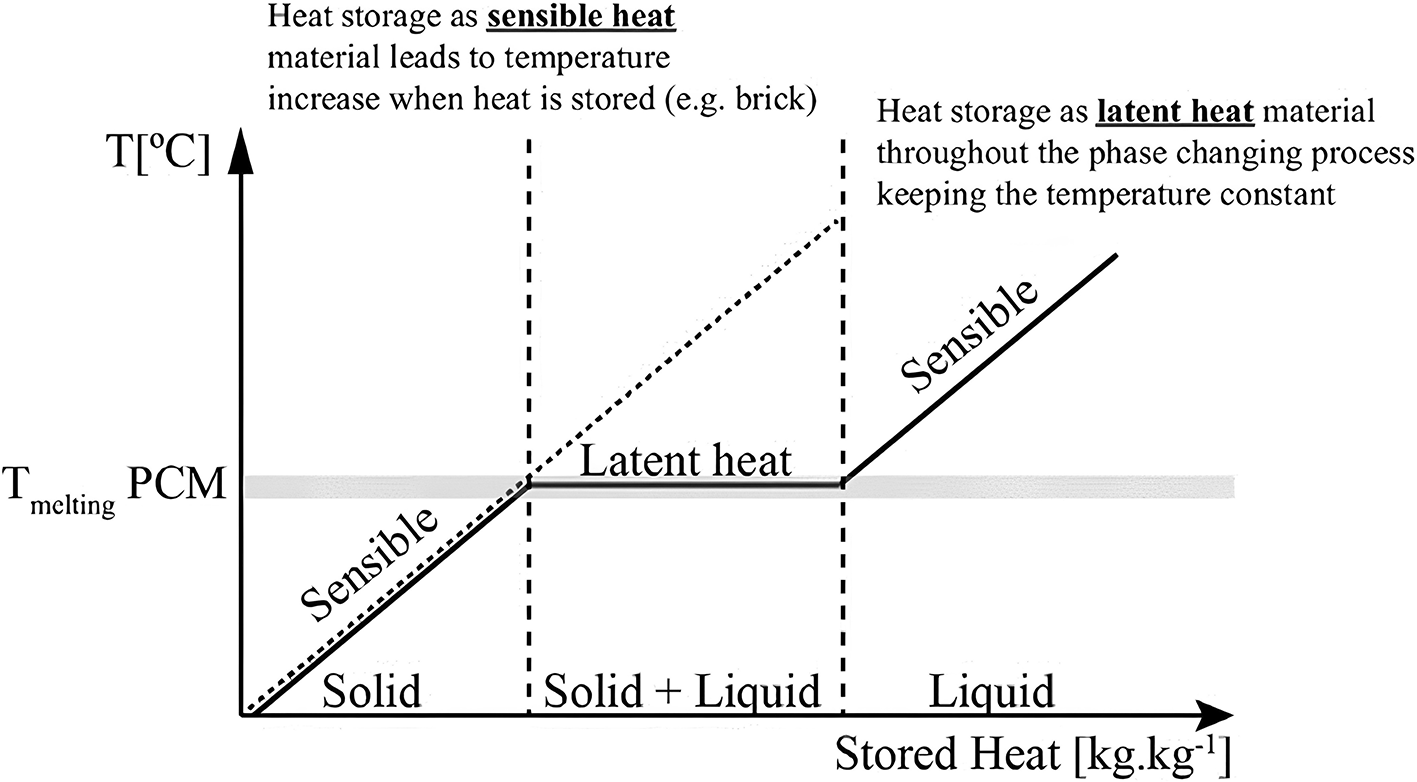
Source by (Yang, G., & Yim, Y.-J. (2019).
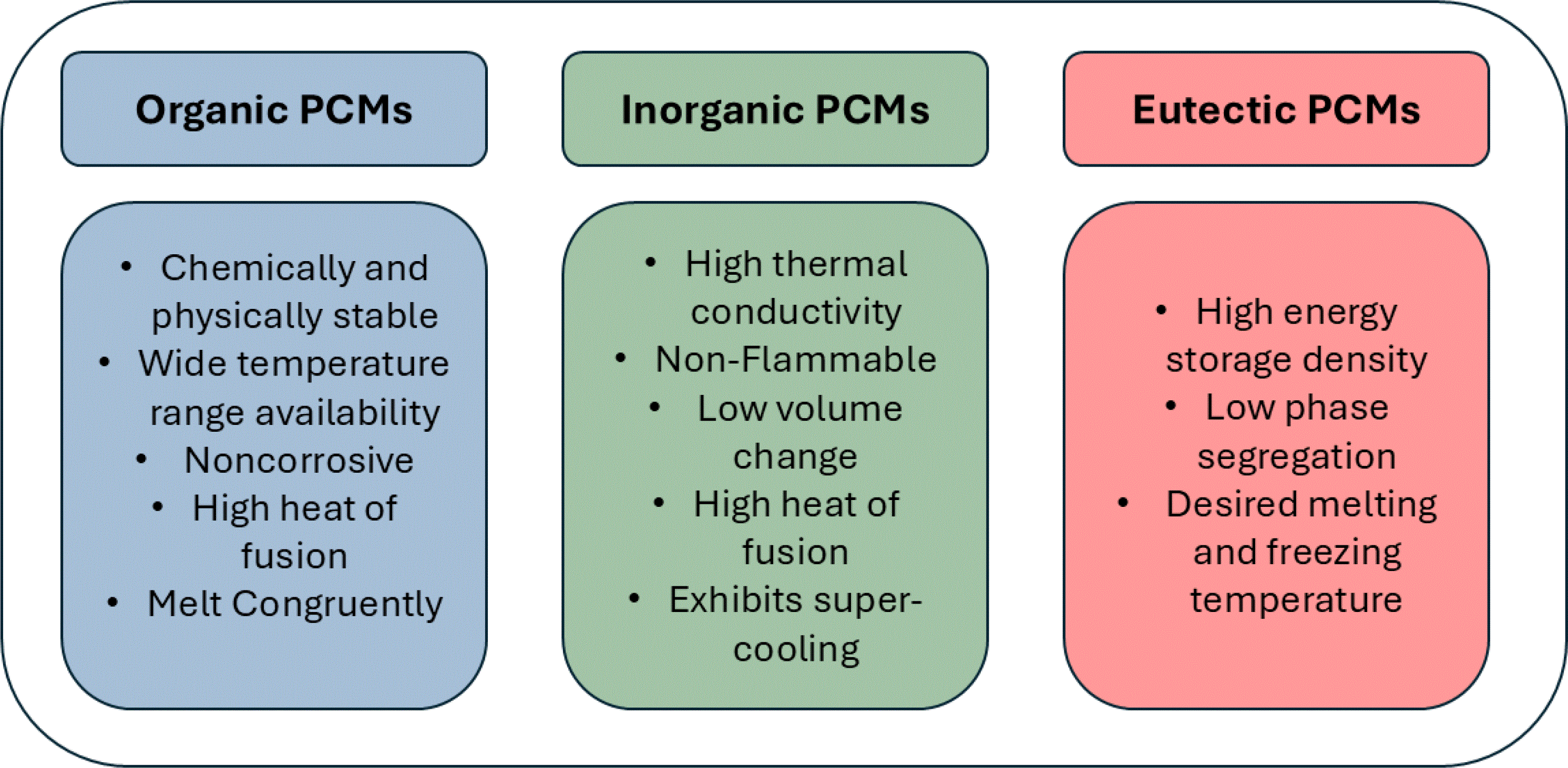
Phase change materials (PCMs) offer several advantages over other thermal energy storage techniques owing to their ability to store and release large amounts of thermal energy during phase transitions, wide availability, chemical reliability, low toxicity, economic feasibility, and relatively limited environmental impact. In terms of chemical composition, PCMs are generally divided into three main groups: organic materials, inorganic materials, and eutectic mixtures, each distinguished by its specific thermophysical properties. This classification facilitates the evaluation of their suitability for building thermal energy storage applications.12 as shown in Figure 2. Differences in thermophysical behavior and allowable working temperatures across the categories lead to variations in which materials are most appropriate for specific applications14 Table 1 summarizes the shared features of the three groups and highlights their key benefits and limitations. In addition to general performance requirements, an appropriate PCM should be chosen by matching the application’s operating-temperature window to the PCM’s melting point.13
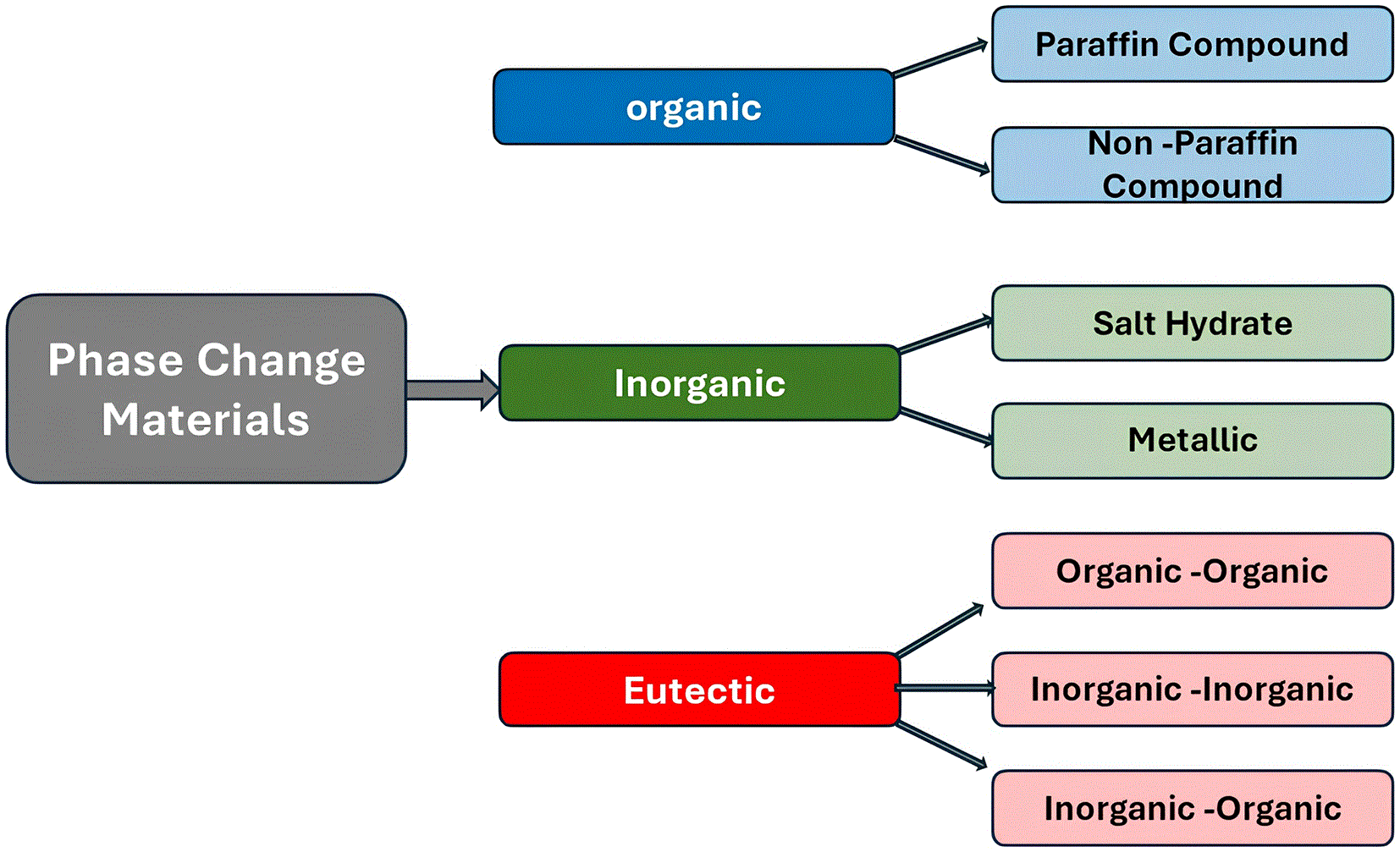
(Sharma, A., Tyagi, V. V., Chen, C. R., & Buddhi, D. (2009).
PCM integration within the building envelope can improve thermal performance by reducing peak temperature fluctuations and slowing heat transmission into interior spaces. It can even lower it by up to 4 degrees Celsius. Consequently, this helps sustain stable levels of thermal comfort during the summer season. Multiple factors impact the performance of PCM, ultimately affecting its thermal efficiency, which can occasionally perform poorly. Taking these factors into account is advised to guarantee the best performance of PCM and make the most of its capabilities.31
Completing a full daily melting/freezing cycle led to achieving the best thermal performance and ideal PCM application location, despite various optimal placements found in the experiments.
Consequently, the best spot to position PCMs on a wall is one that offers adequate heat throughout the day to entirely melt the PCMs and enough chill at night to fully freeze them.5 Different elements could affect this process; consequently, they can be classified as external factors and internal factors ( Table 2). The placement of the PCM layer in a structure is dictated by the specific goal, whether it aims to minimize heating demands, cooling demands, or both. Studies have shown that embodying PCM into buildings is more effective in reducing cooling demands than in decreasing heating loads. Furthermore, PCM exhibits the ability to function effectively at temperatures above its melting point.16 A multitude of research studies indicate that the PCM layer ought to be situated near the primary heat source.17Additional research revealed placement of the PCM layer embedded at the core of the building element increases the structure’s annual performance. To achieve cooling, the PCM layer must be strategically installed on the exterior face of the building envelope, while for heating uses, placing the layer closer to the inside is more effective.17
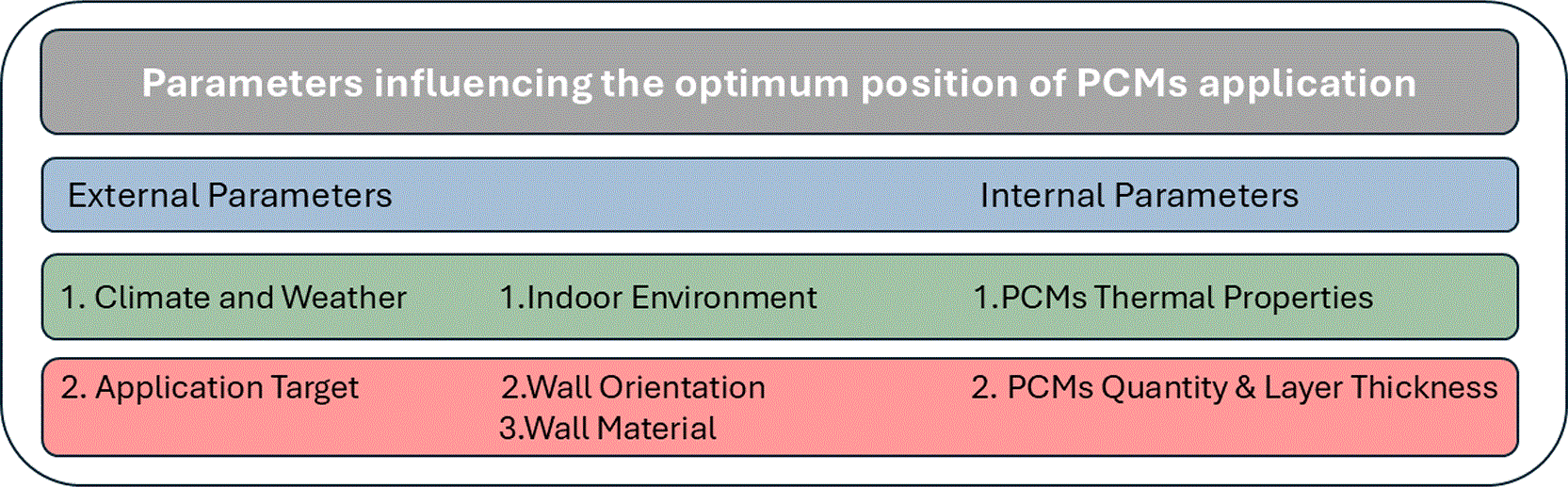
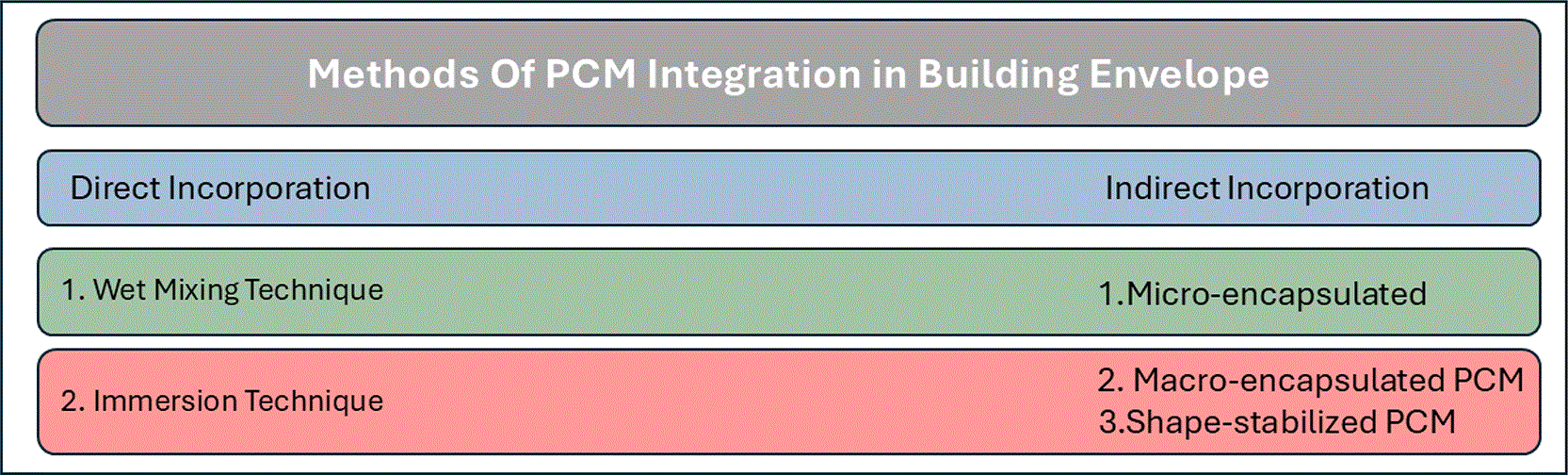
Previous studies have reported different ways of incorporating (PCMs) into building envelope elements with the aim of improving thermal performance, as demonstrated in Table 3.14 The approaches for implementing (PCMs) into the building envelope components use two principal methods: direct integration and indirect integration.18 Among these, the method of direct incorporation is recognized as the most cost-effective strategy. This method involves directly blending (PCMs) with building materials such as concrete, cement, and drywall throughout the construction phase.19 There are two separate approaches for the direct integration of PCM: Methods such as Wet Mixing and Immersion are employed for incorporating PCM into construction materials. The Wet Mixing method, performed on-site, involves directly blending PCM with materials like mortar, concrete, and cement, thereby enhancing the storage capacity of the thermal energy for these building components. However, for this method to succeed, it is crucial that the PCM does not disrupt the hydration process or chemically engage with any of the included components.20 Using the immersion technique, permeable construction materials like concrete blocks, gypsum wallboards, and porous aggregates are placed underwater in a vessel packed with liquid PCM. The PCM is taken up by the building elements via capillary action. The success of the absorption relies on factors such as the porosity of the material, the concrete’s capacity to absorb, the temperature during the immersion, and the particular type of PCM utilized.21 The encapsulation technique maintains the liquid phase of the PCM by sealing it prior to its Integration into construction materials. To guarantee that the encapsulating substance is suitable for the construction materials, it must fulfill particular criteria:
1. the formulation of a core, or shell, around the PCM;
2. Stopping molten PCM from leaking.
3. Adding impurities to the core or the shell system
4. Resilience to the thermal and mechanical pressures22
The synthesis process and shell material used identify the size and form of the capsules, and they are then classified. Micro-capsules are those with a diameter not more than 1 millimeter or 1 centimeter, whereas macro-capsules have a diameter exceeding 1 millimeter or 1 centimeter. They are also identified as nanocapsules or nanospheres.23
This section discusses the possible advantage of PCMs in improving the building envelope’s indoor thermal performance. (PCMs) were carefully investigated for use in commonly utilized building materials, such as concrete, bricks, walls, roofing structures, and glass panels.13
Bricks are among the most commonly used building materials across diverse geographical regions. Their advantages include durability, affordability, strength, and ease of production. Despite these benefits, bricks may exhibit poor thermal performance when exposed to temperature fluctuations caused by outdoor environmental conditions. This can lead to thermal discomfort within buildings. Consequently, there is a need to improve the thermal efficiency of burnt clay bricks. One effective technique for enhancing thermal performance is increasing the heat storage capacity of bricks through the incorporation of PCMs.24,25 The brick used in this study measured 240 mm × 240 mm × 135 mm and contained three identical square chambers, each measuring 30 mm × 30 mm, which were initially filled with air. The study found that filling one chamber with PCM resulted in the greatest energy savings on the interior side. The incorporation of (PCMs) into the brick resulted in a 17.6% reduction in annual energy consumption. Consequently, the use of PCM-integrated bricks led to greater energy conservation during the heating season.6
The location of phase change materials (PCMs) within a structure substantially impacts the efficacy of walls that incorporate PCMs. Therefore, it is crucial to optimize the positioning of (PCMs) to increase the thermal effectiveness of these walls. Determining the optimal placement is affected by multiple factors, including the properties of the PCMs, local environmental conditions, and the structural characteristics of the wall.4 The findings of the study suggest that incorporating PCM into warm-climate buildings possesses the capability to lessen CO2 emissions by approximately 1% and decrease energy consumption associated with wall construction by 6%. Furthermore, the research highlights the importance of PCM placement within the wall, demonstrating that positioning the PCM layer within the insulation can achieve 1% to 7% greater energy savings compared to external placement. In regions characterized by extreme heat, the use of thicker PCM layers can improve its ability to store thermal energy, leading to reductions in building energy consumption by about 2% to 6%.6 The best-performing placement of a thin PCM layer within a framed wall, aimed at reducing thermal transfer through the wall, was evaluated using analytical and experimental approaches. As shown in Figure 3, the PCM was positioned at various depths between the interior and exterior layers. Simulation results indicate that the best location is selected based on the PCM’s thermophysical characteristics and the surrounding environmental influences.5 The study identified two favorable placements. When interior temperatures were elevated, locating the PCM adjacent to the inner wall face (case b) was superior. By contrast, higher PCM thickness, heat of fusion, and melting point favored a placement close to the outer wall face (case d). In all cases, thicker PCM layers yielded larger decreases in heat flux.5
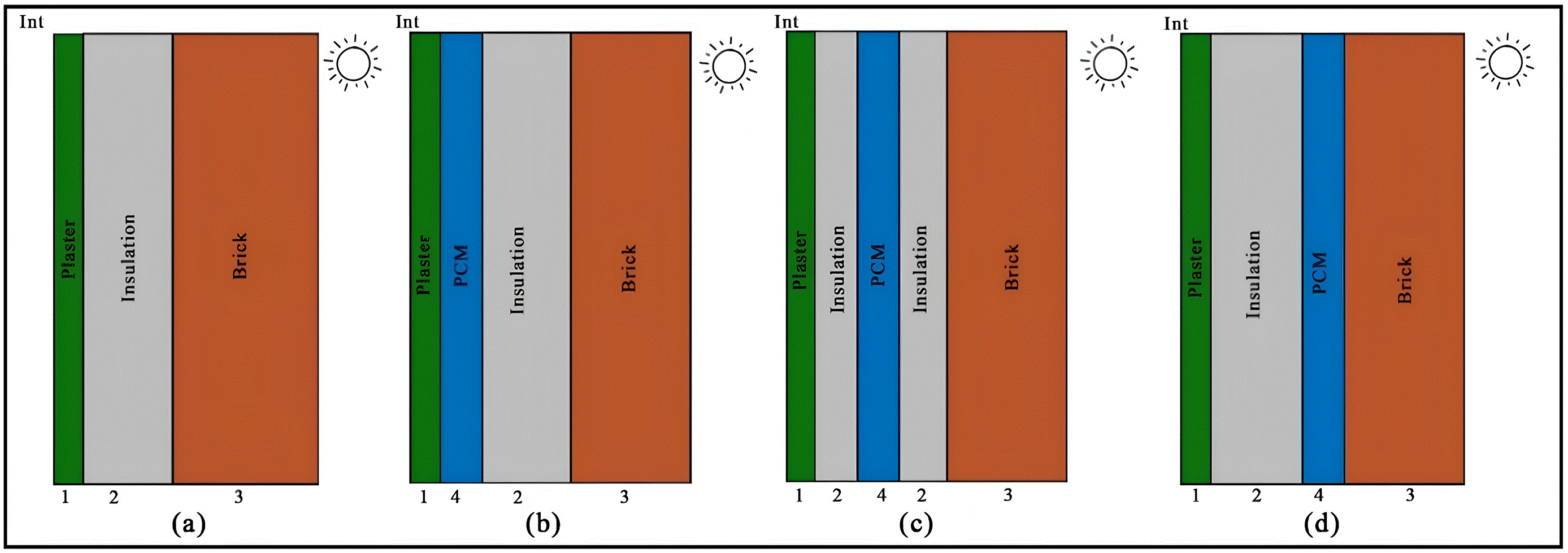
The elements include 1. Plaster, 2. Insulation, 3. Bricks, and 4. PCM layer [by the researcher].
For wall applications, the literature shows strong agreement that PCM performance depends more critically on location within the wall than on very large thicknesses. Across experimental, numerical, and review studies, wall PCM thicknesses range from thin layers (≈1–20 mm) when used as sheets or boards to thicker layers (10–40 mm) in parametric envelope studies. Mediterranean-focused optimization studies consistently identify an optimal thickness range of 20–40 mm, with 30–40 mm often producing the highest energy savings before performance gains plateau. The most effective location for wall PCM is near the wall’s interior or inside/behind the insulation layer, as this allows the PCM to interact directly with indoor temperature fluctuations, increasing thermal inertia and delaying heat transfer. Exterior wall placement is generally less effective in Mediterranean climates due to premature heat dissipation. Overall, the reviewed evidence supports interior-side wall PCM layers of 20–40 mm as the optimal and most robust solution for Mediterranean buildings.26,27
Concrete is among the most widely used thermal mass materials in the construction industry due to its excellent properties, including durability, fire resistance, moldability, and high compressive strength. Concrete consists of cement, water, fine aggregates, and coarse aggregates. Its thermophysical properties are influenced by factors such as material age, constituent properties, mixed proportions, and curing conditions during construction. The thermal behavior of concrete is primarily determined by its heat capacity and thermal conductivity.28,29 Improving the latent heat storage capacity of concrete by integration of phase change materials (PCMs) can enhance indoor thermal comfort performance by reducing temperature fluctuations and thermal loads, thereby improving energy efficiency. Researchers have evaluated the thermal performance of building envelopes combining macro-encapsulated PCM systems. In one study, two identical concrete test structures sized at 1.20 m × 1.20 m × 1.12 m were constructed. PCM was embedded into one structure, while the other served as a reference without PCM.30 According to the results, the structure containing PCM reduced indoor temperature fluctuations by 2.43% to 51.3% throughout the year and decreased peak temperature variations by 0.2 °C to 4.3 °C.31
Incorporating phase change materials (PCMs) within the air cavity of multi-pane glazing systems is an effective approach for increasing thermal insulation and lowering energy consumption in buildings. To experiment with detailed evaluation and compare the differences between the effectiveness of a window with two panes of glass with water flowing pane window. Has a U-value of about 2.8 W/m2K.A standard dual-pane window system, such as a double-pane window, usually has a U-value of around 2.8 W/m2K. The researchers studied a glazing system that includes an air cavity. Explored how efficient the system was regarding energy use, financial sustainability, and environmental impact performance. They calculated the energy requirements monthly and annually for different types of glazing, considering the energy needed. The aspect of analyzing balance.32 The scientists calculated the energy consumption and CO₂ emissions, revealing that substituting a typical glazing system with a double-glazed unit featuring the water flow chamber in the façade reduces CO₂ emissions by approximately 18%.32
Research on PCM-incorporated roofs consistently demonstrates that the thickness of the (PCM) layer is a primary determinant of cooling performance in both Mediterranean and hot-summer climates. Multiple experimental, numerical, and review studies confirm that roof slabs are among the most effective building envelope components for phase change material (PCM) integration owing to their direct solar exposure, particularly in Mediterranean and hot–arid climates. Across the literature, PCMs are typically placed within the upper layers of the roof assembly, either directly beneath the external roof surface, above the structural slab, or integrated into roof panels, to absorb and delay incoming solar heat before it reaches the indoor environment. Parametric simulation studies conducted for Mediterranean climates demonstrate that PCM roof layers with thicknesses between 40 and 60 mm achieve substantial reductions in cooling energy demand and annual electricity consumption, while further increases in thickness yield diminishing returns. Research has shown that, in hot-arid climates, the application of PCM roof layers about 70 mm thick can significantly improve thermal performance, resulting in reduced indoor temperature peaks and lower cooling requirements due to high solar radiation and large daily temperature swings. Review studies further confirm that roof-integrated PCM systems generally outperform wall-integrated configurations in cooling-dominated climates, as roofs constitute the primary pathway for solar heat gains.33,34
This section intends to thoroughly examine how earlier researchers assessed the performance of PCMs in the design of building envelope components. In particular, the examples are assessed based on their closeness to their site, the architect involved, the standards followed, and the PCM application methods employed.
The earlier examples are detailed in Table 4, where location, architect, criteria, and application of suitable PCM were utilized. Consequently, they successfully attained both thermal comfort and energy efficiency.
The most popular material for phase change materials (PCM) is paraffin, used in cooling systems because it can retain a lot of heat. in a variety of climates, with a maximum usage frequency of 87.5%.35
Table 5 outlines important considerations for using (PCMs) in Egyptian structures because of the nation’s arid and high-temperature climatic conditions.
Rubitherm RT25HC PCM is a chosen insulation material for the case study; it is an organic (paraffin-based) phase-change material from the RT series, which is well-suited to Egypt’s coastal Mediterranean conditions (e.g., Marsa Matruh) because its main melting peak near 25 °C aligns with typical occupied comfort setpoints while the local diurnal cycle enables nightly re-solidification. Summer temperatures in Marsa Matruh commonly reach ~28–31 °C by day and fall to ~21–24 °C at night, allowing the PCM to charge under daytime gains and discharge overnight, which is essential for effective latent storage.38,39
Egypt’s educational buildings are cooling-dominated for much of the year, and their envelopes (orientation, glazing, and construction) critically shape both energy usage and indoor environmental quality.40 which is very important, for our health and the environment. The main aim of this research is to enhance indoor thermal comfort performance in higher education buildings by utilizing RT25HC PCM as a thermal insulation material. The most energy-efficient building will be determined by comparing scenarios that include and exclude RT25HC PCM, as well as passive design.
This study looks at the Marsa Matruh’s bioclimatic analysis chart using Climate Consultant version 6.0. Climate Consultant version 6.0 makes a Psychrometric chart using information about the weather. This graph shows bioclimatic design ideas for Marsa Matruh that are meant to make people feel more comfortable with the temperature inside buildings. The bioclimatic design ideas for Marsa Matruh are important to enhance occupants’ thermal comfort, in Marsa Matruh, as illustrated in Figure 4, demonstrating successful passive design techniques.
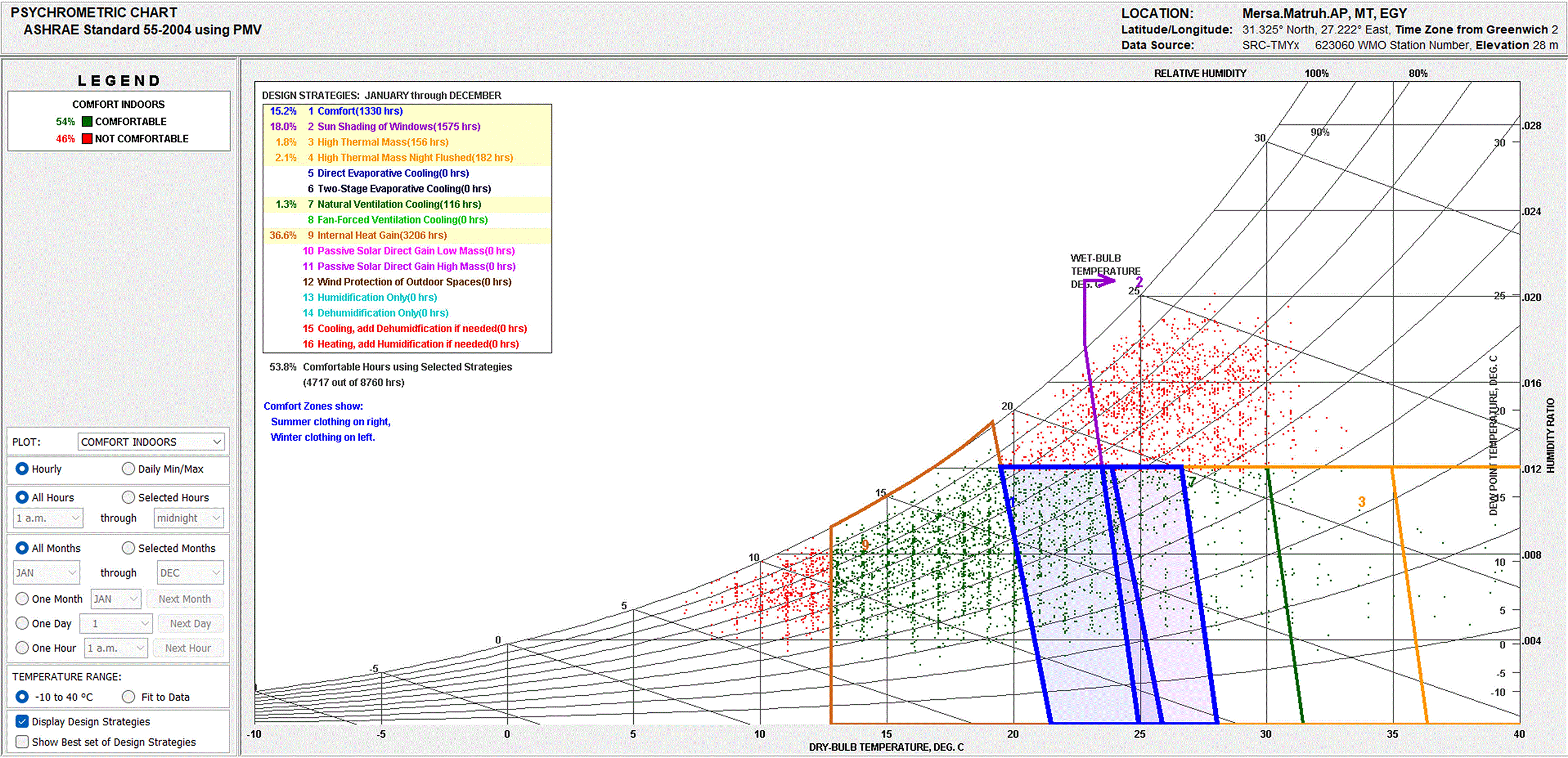
Based on the psychrometric chart, Figure 4 comfort range (approximately between 15 °C –30 °C operative temperature, with the majority of conditions concentrated within a temperature range of 20 °C–26 °C and a relative humidity range of 40%–80%, with most values falling between 50% and 70%)in accordance with ASHRAE Standard 55), and discovered that just 15.2% of the year was spent in Marsa Matruh’s comfort zone. The researchers used Climate Consultant v.6.0; ASHRAE-5540: software to evaluate the passive design methodologies listed below to upgrade thermal comfort:
• Sunshade from windows can improve comfort by 18.0%, especially during the summer.
• High thermal mass improved comfort by 1.8.
• Night flushing with thermal mass increases comfort by 2.1%.
• Natural ventilation and cooling provided 1.3% of the comfort.
• Adding zone internal gains might enhance pleasant hours by 36.6%, especially during the cold months, resulting in 53.8% pleasant hours.
Still, the conclusions reached were limited to broad suggestions derived from climate data analysis. The design parameters of the building case study were examined in greater detail to determine the most efficient alternatives.
Marsa Matruh is a prominent coastal city in Egypt’s northwestern area, along the Mediterranean coast, some 240 km west of Alexandria, and the administrative headquarters of Matruh Governorate. Geographically, the city is located at 31.35°N, 27.25°E, making it a vital hub between the Nile Delta and the Libyan border. Marsa Matruh has a hot desert environment, but its coastline location moderates the intense heat found in Egypt’s inland deserts. Summer average temperatures range from 28 to 32 °C, while winter averages are 17–19 °C.41,42
1. The significance of architecture and design
The main building’s reinforced concrete construction, considerable glazing, and modern façade define Egyptian academic architecture today. Its functional diversity (lecture halls, labs, offices) provides numerous chances for PCM integration into walls, roofs, and windows.12
2. Cultural and Social Impact
As the major core of the AAST Al Alamein campus, the main building directly influences the comfort, productivity, and well-being of students and staff. Integrating PCMs supports the institution’s social responsibility by reducing energy costs and lowering its carbon footprint.42
3. Climatic and Spatial Representativeness
Located on Egypt’s northern Mediterranean coast, Al Alamein has hot, dry summers, moderate winters, and considerable diurnal temperature changes, making it a good habitat for PCM thermal storage.42
4. Documented Outcomes and Data Access
Extensive international studies have demonstrated that PCMs can reduce cooling energy demand, delay heat transfer, and improve thermal comfort in public and educational buildings. The AAST main building also provides available data on energy consumption, occupancy, and envelope characteristics for comparison.43
- Name of the project: B07- Technology Engineering College.
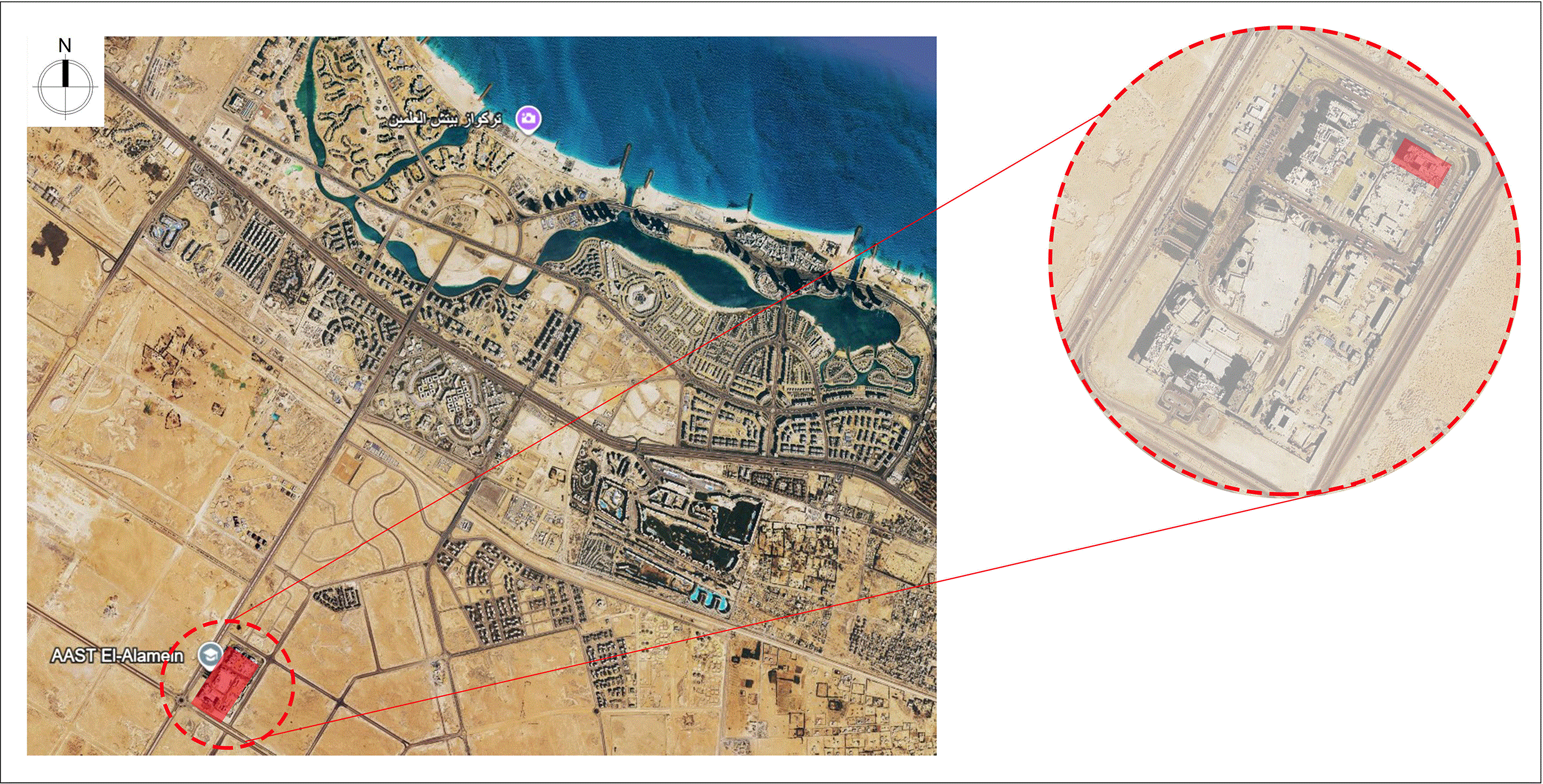
- Site Location: The project is 240 km away from Cairo, 90 km from Alexandria, and just 30 Km away from Sidi Abdel Rahman, The project land is 213,380 square meter (607 m X 351 m) and is located approximately three (3) km to the south of the North Coast Road, The project is close to social residence compounds, entertainment areas and the new ministry council in El-Alamein New City as shown in Figure 5.
- Weather Conditions: El- Alamein is located on Egypt’s Mediterranean coast and exhibits a cooling-dominated Mediterranean to semi-arid climate. The area experiences hot summers with average outdoor temperatures of 30–32 °C and mild winters with temperatures around 11–13 °C. Annual precipitation is low (typically <50 mm) and concentrated in winter months, while high solar radiation persists throughout most of the year. These climatic conditions result in significant cooling demand, making passive thermal control strategies particularly effective.
- Building Description: The chosen case study is the College of Engineering and Technology (Building B07), which forms a central academic component of the El-Alamein New Campus, a modern higher-education development designed to support applied engineering programs within a sustainable, future-ready environment. Positioned within the northern academic zone of the campus masterplan, the building serves as a dedicated hub for technology, engineering, and applied sciences, integrating instructional spaces, research facilities, administrative offices, and student collaboration areas. It comprises a basement, ground level, and four upper floors. With a built-up area of 11088 m2, as illustrated in Figure 6.
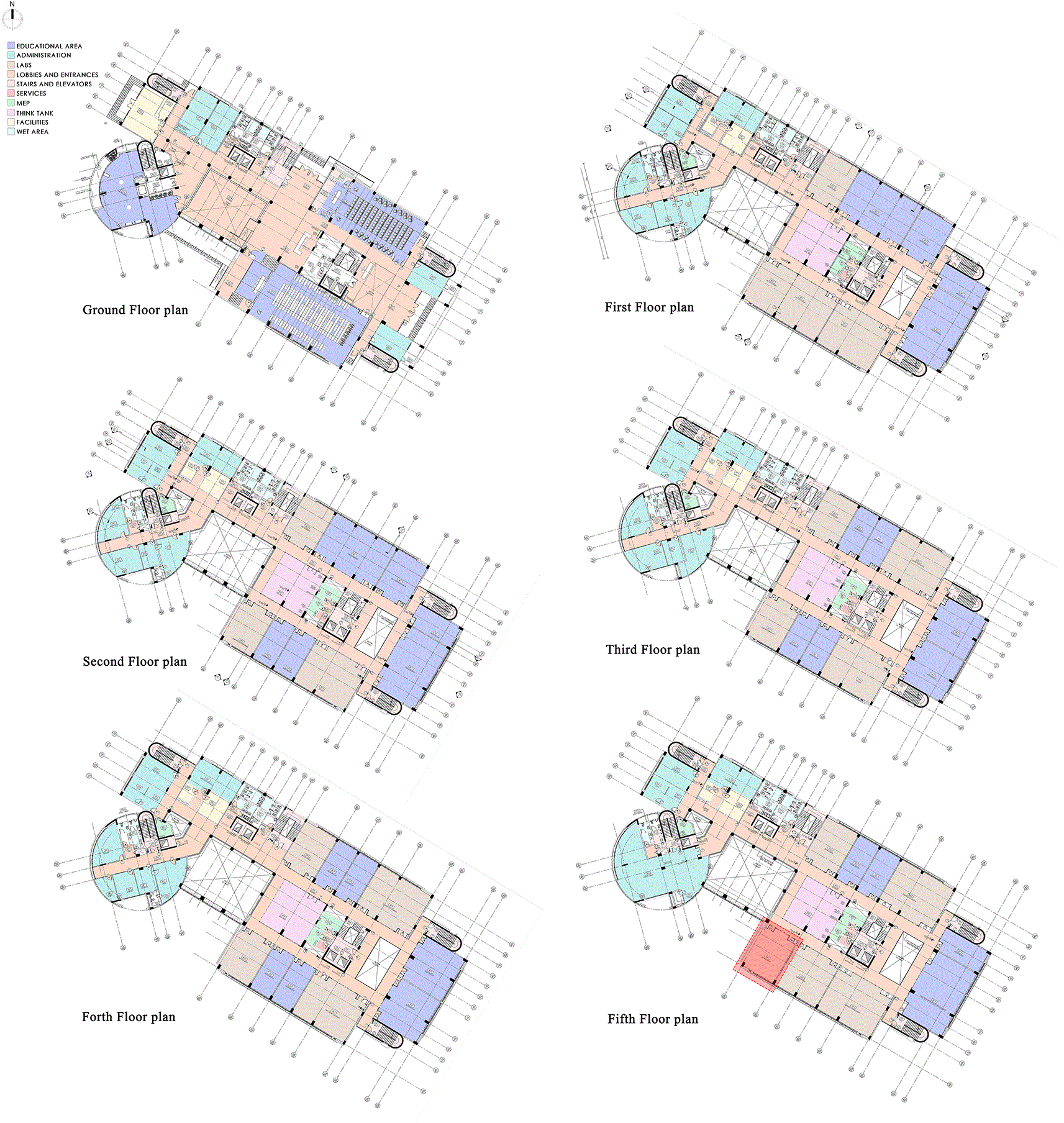
In this case study, energy was modeled employing Version 7.0.2.006 of Design Builder, in combination with the Energy Plus 9.4 plugin. This software accurately models the environmental conditions of the building on both an annual and hourly basis, encompassing factors such as humidity, illumination, thermal equilibrium, and energy consumption.
Activity
• Template: Computer Lab
• Number of users: 17 users
• Occupancy Density (people/m2): 0.2313 people/m2
• Metabolic Rate: 0.90
The simulation was carried out hourly from 1 January to 31 December on the comfort using EGY_MT_Mersa.Matruh.AP.623060_TMYx.2009–2023.zip EPW Weather file.
Construction
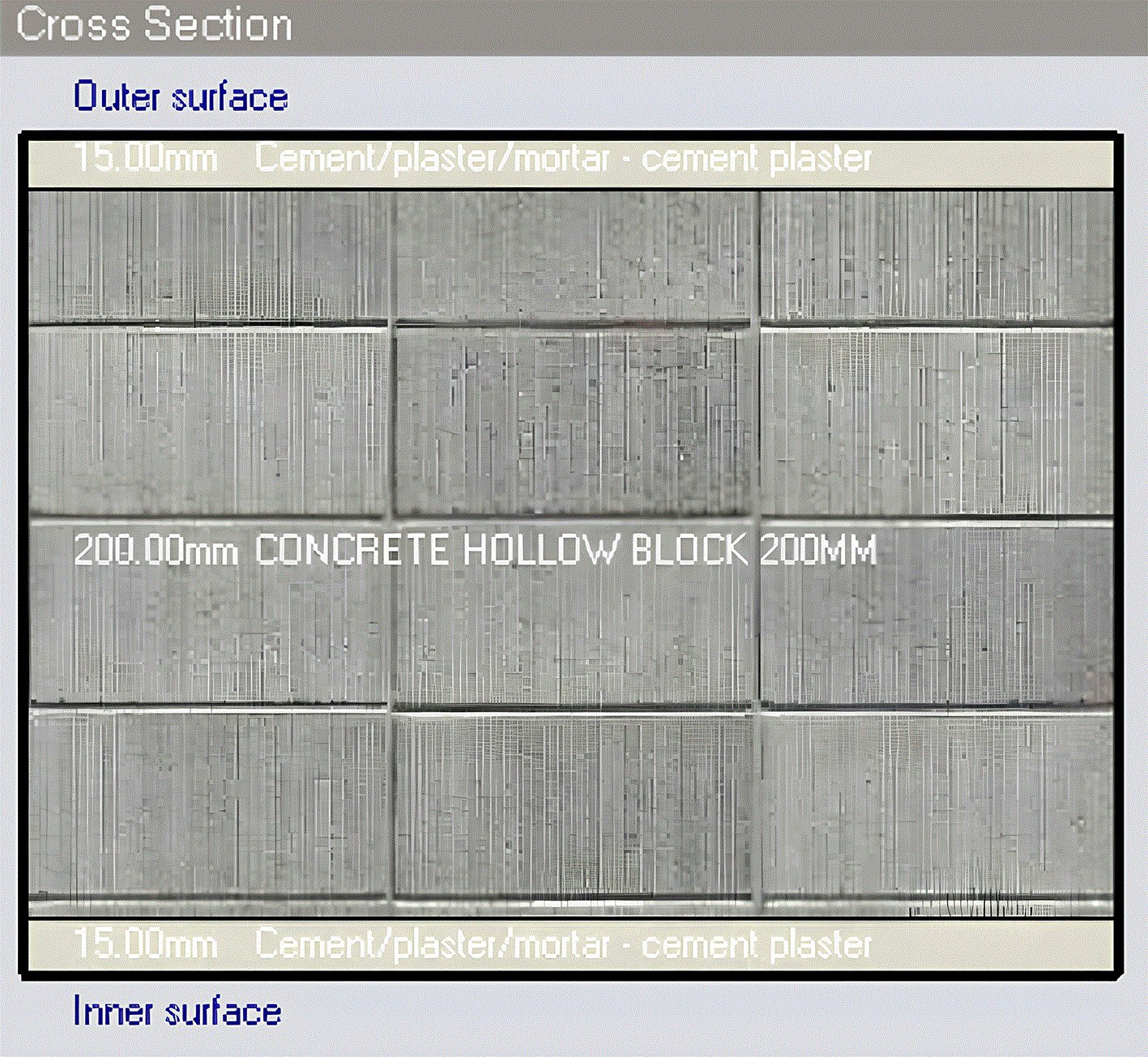
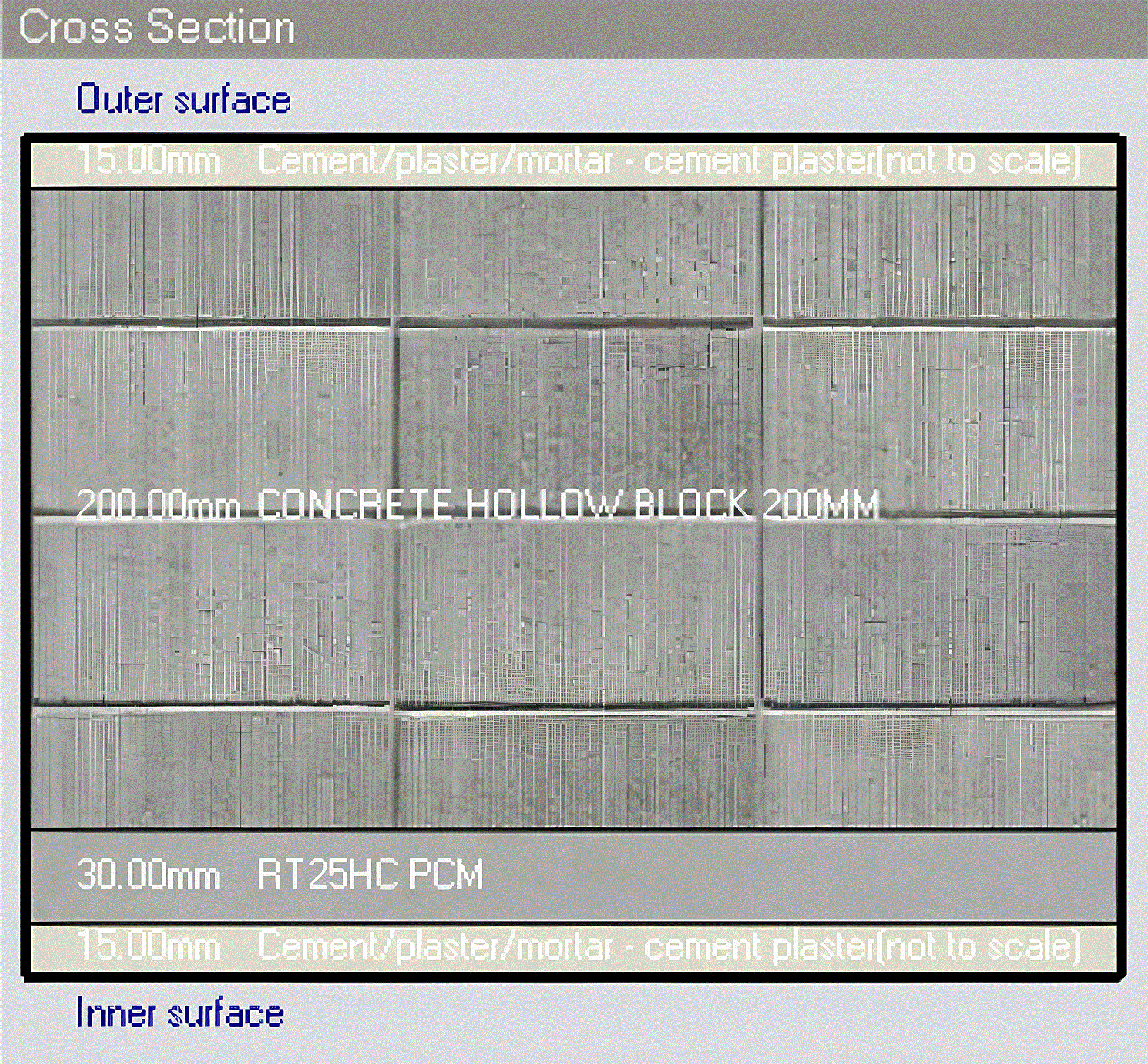
• External Walls: (outer to inner) 15 mm cement plaster,200 mm thick concrete hollow block, and 15 mm cement plaster, Figure 7
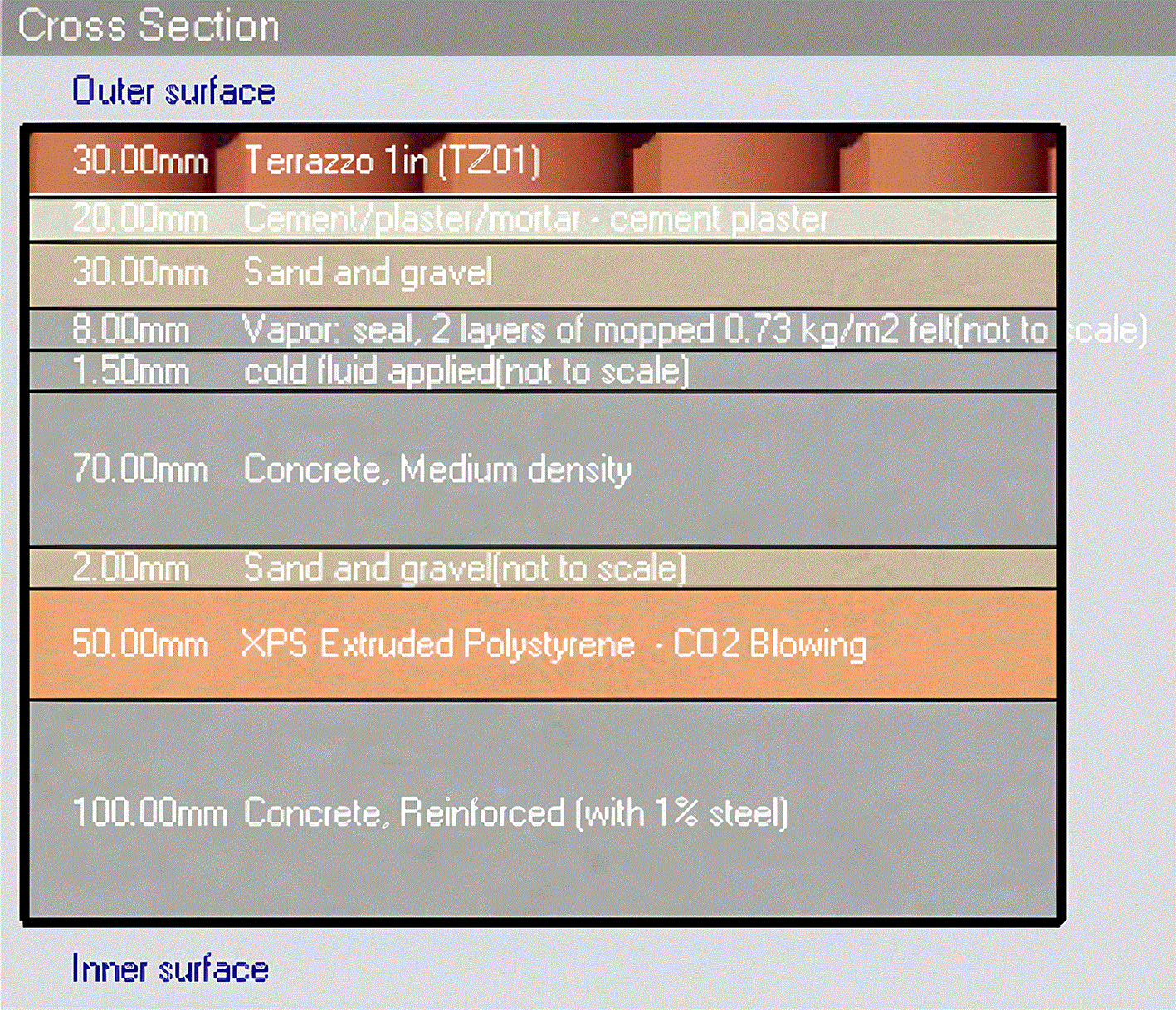
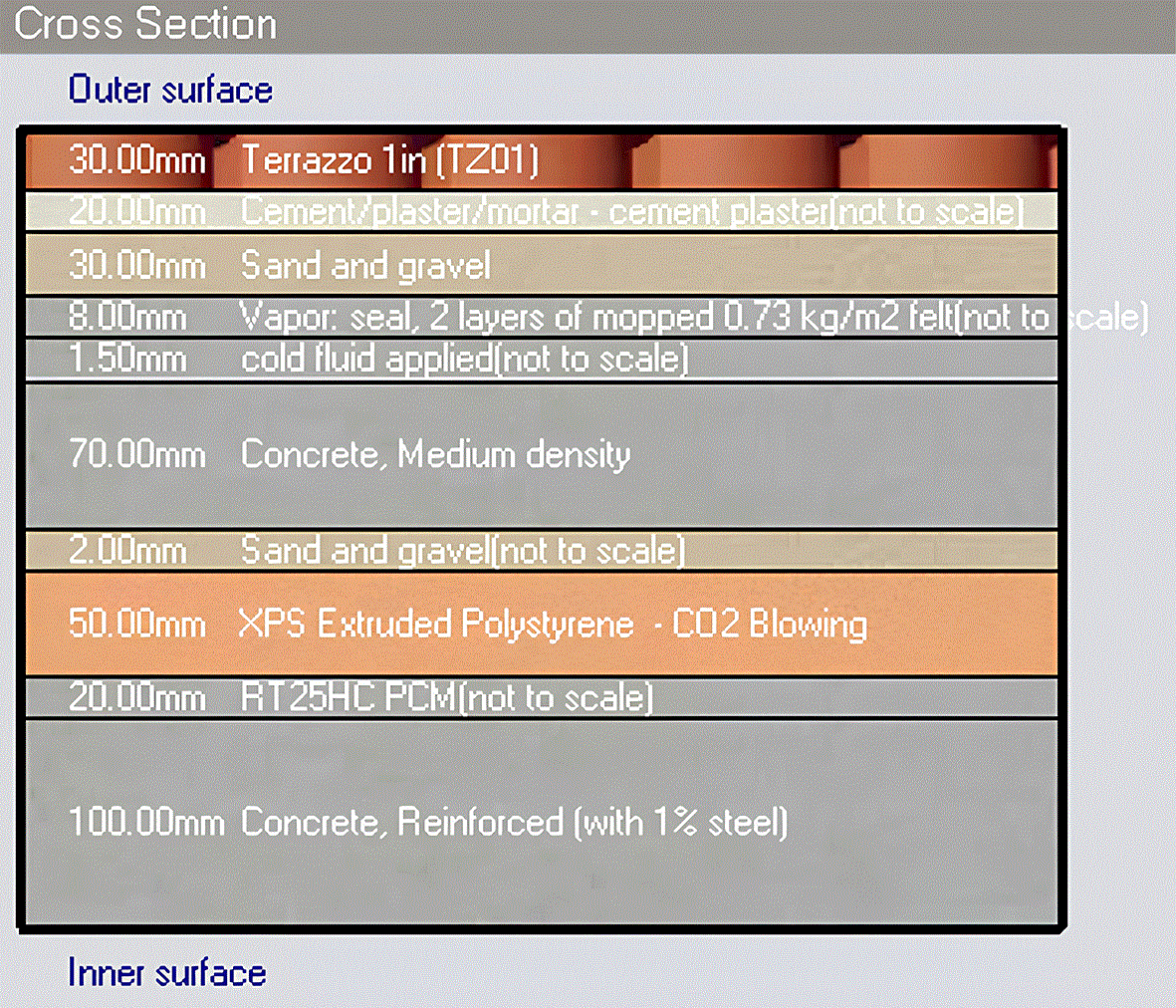
• Roof slab: (outer to inner) 30 mm terrazzo tiles,20 mm cement mortar,30 mm sand bed,8 mm 2 layers bituminous membrane, 1.5 mm cold fluid applied,70 mm sloped concrete, 2 mm core geotextile,50 mm XPS foam,1.5 mm elastic cementitious coating,100 mm RC Slab, Figure 8
Openings
• Double-glazed unit (outer to inner) 6 mm high-performance glass,12 mm Air gap, 6 mm clear glass with aluminum frame
HVAC
• HVAC Template: Natural ventilation only (no heating or cooling provided)
• Mechanical Ventilation: Disabled
• Humidity Control: Disabled
• Natural Ventilation: Enabled
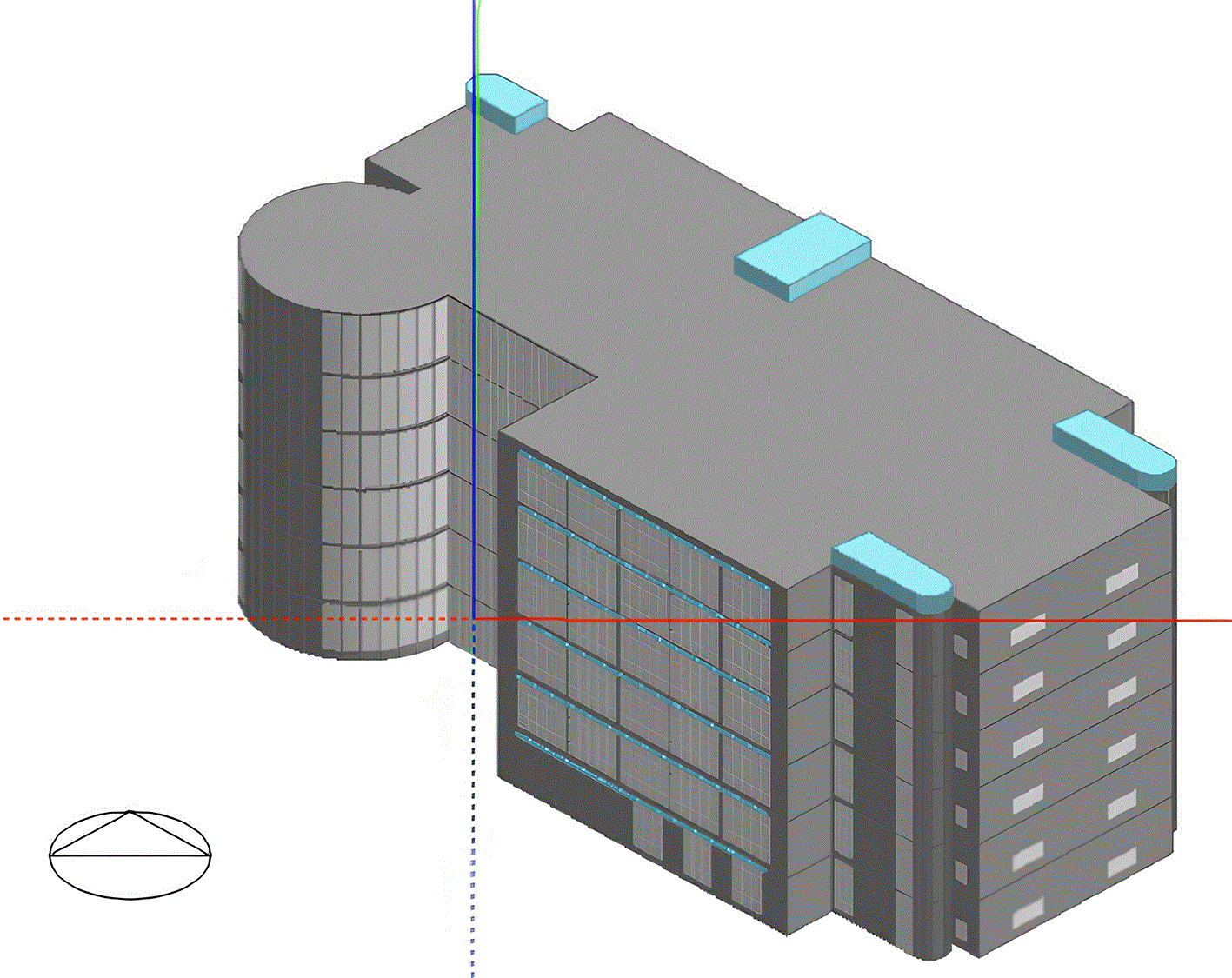
This research focuses on educational structures (computer lab) within coastal urban regions, with a particular emphasis on the primary structural composition of the B07- Technology Engineering College of AASTMT College of Engineering and Technology, El-Alamein, in Marsa Matruh, Egypt. It involves modeling and simulating a base case of the building, as shown in Figure 9 over the full annual period. Research was conducted on an altered passive strategy for retrofitting the building envelope (external wall and roof slab) with (RT25HC PCM) in the southwest zone on the fifth floor (Computer Lab), as shown in Figure 10.
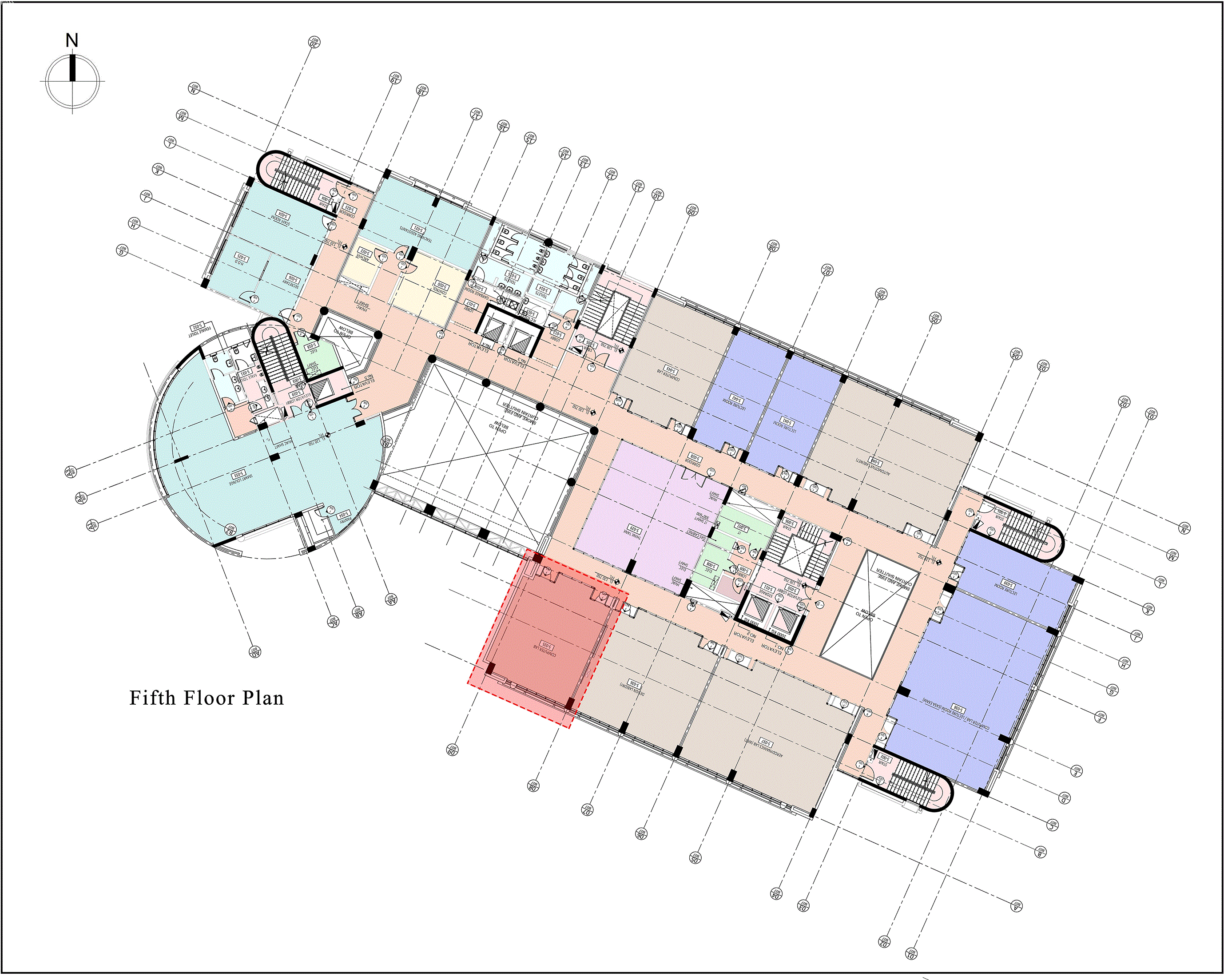
Nine scenarios were tested using PCM material as a passive cooling strategy for the building envelope. It comprises nine phases:
○ Base Case: Use conventional construction materials without RT25HC PCM. ( Figure 7 and Figure 8)
○ External Wall Implementation
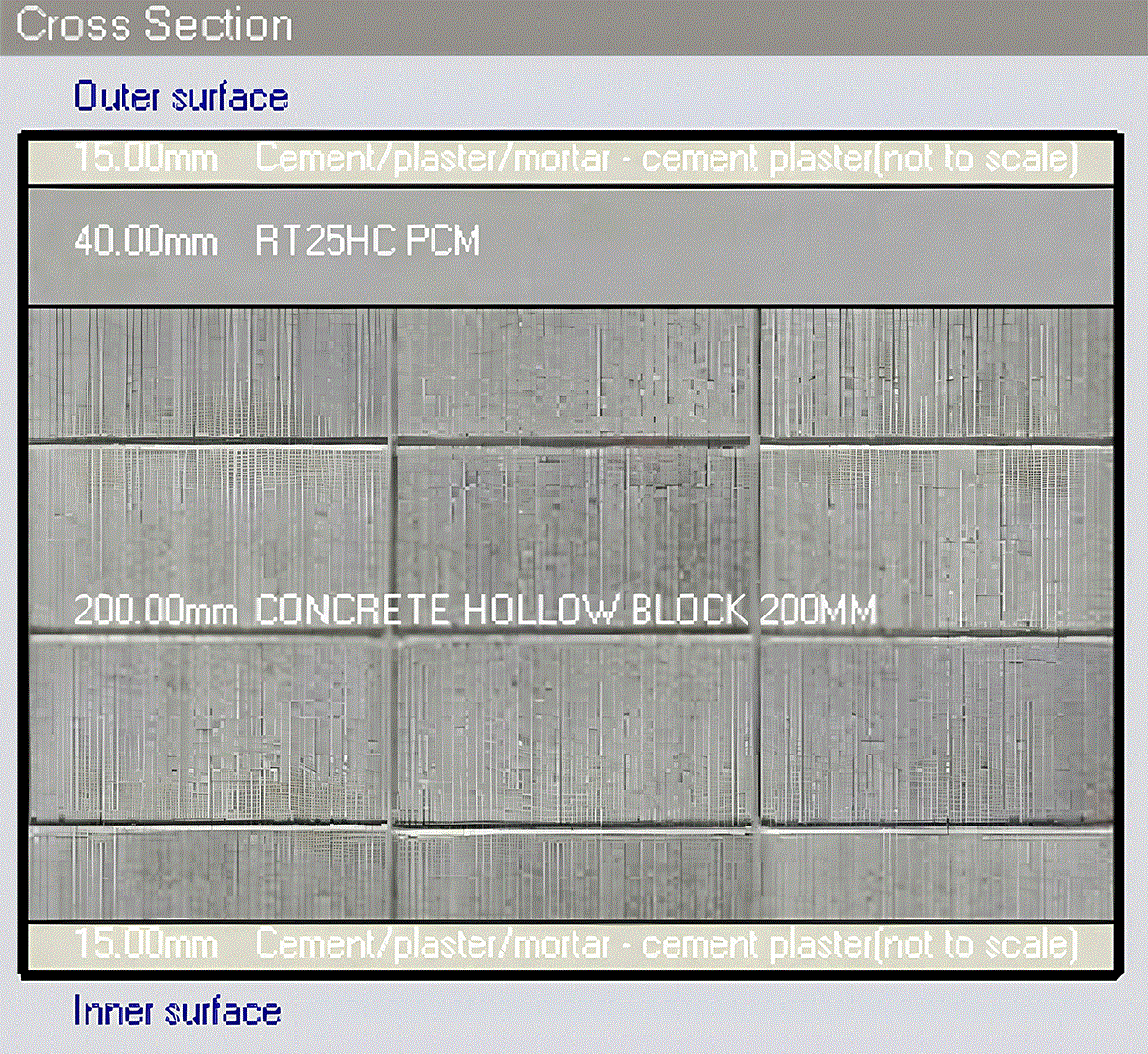
• Scenario 1: Adding a 20 mm RT25HC PCM to the external wall near the exterior. Figure 11
• Scenario 2: Adding a 20 mm RT25HC PCM to the external wall near the interior. Figure 12
• Scenario 3: Adding a 30 mm RT25HC PCM to the external wall near the exterior. Figure 13
• Scenario 4: Adding a 30 mm RT25HC PCM to the external wall near the interior. Figure 14
• Scenario 5: Adding a 40 mm RT25HC PCM to the external wall near the exterior. Figure 15
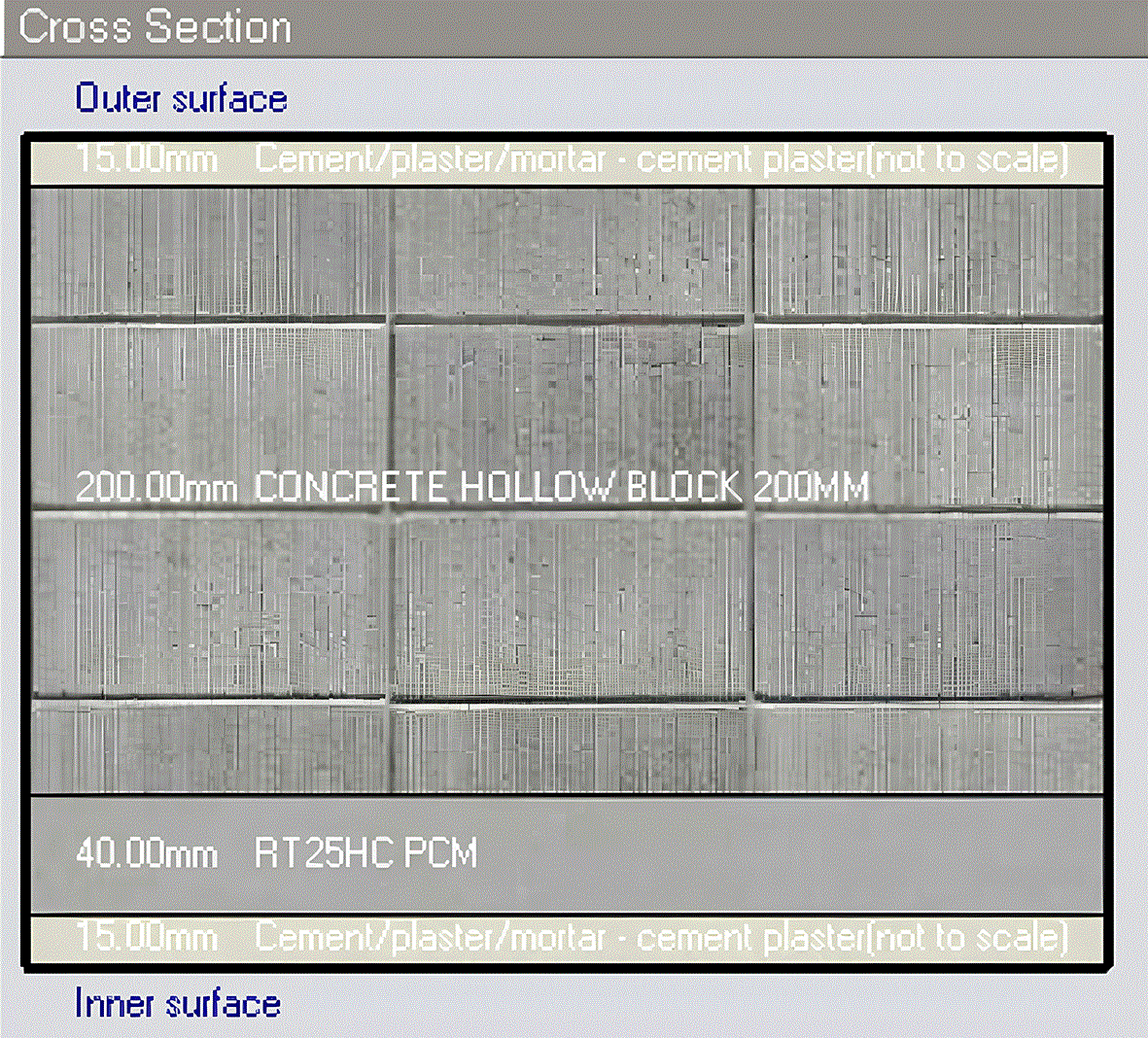
• Scenario 6: Adding a 40 mm RT25HC PCM to the external wall near the interior. Figure 16
○ Roof slab Implementation
○ Simulation results discussion and Evaluation.
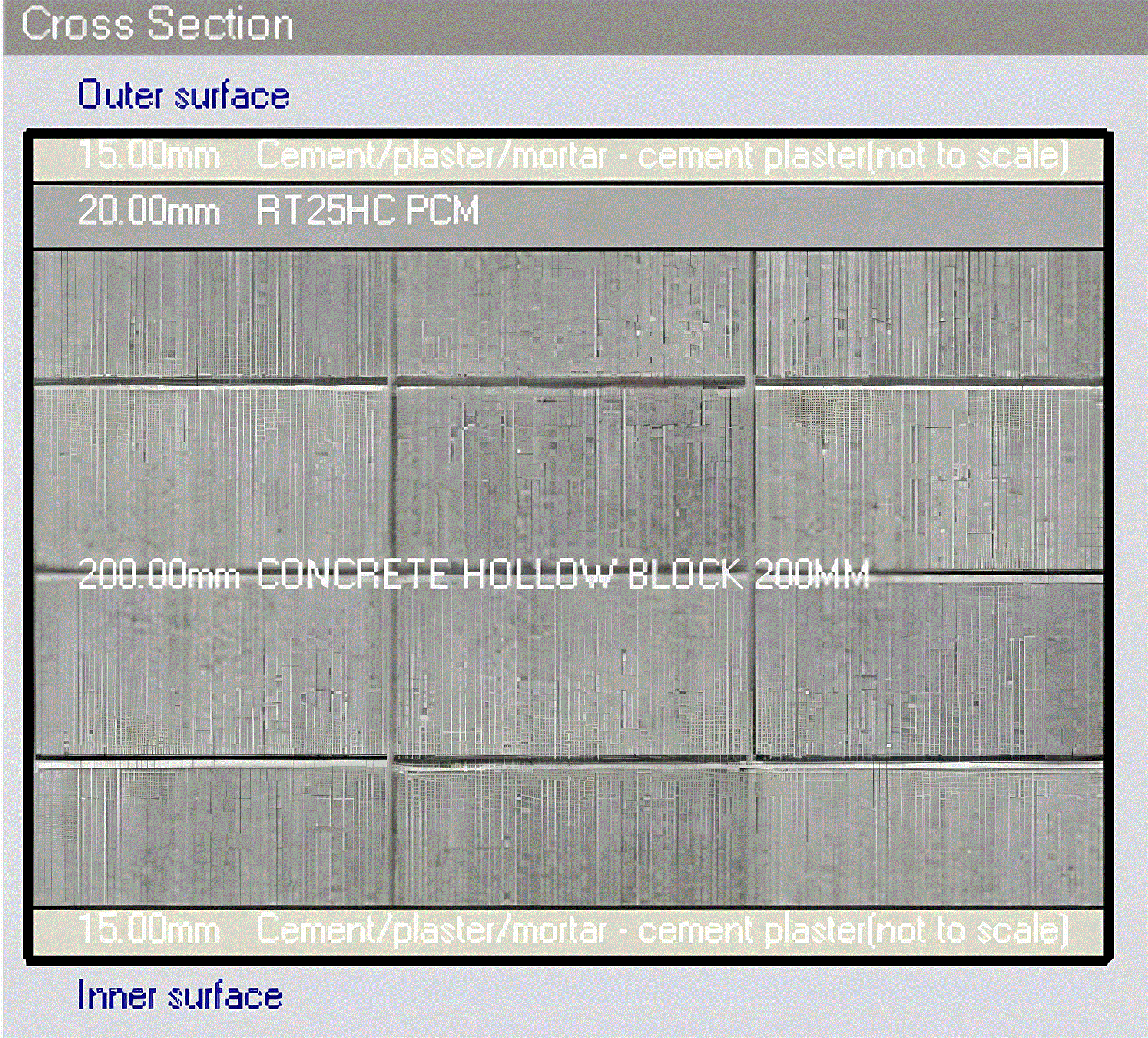
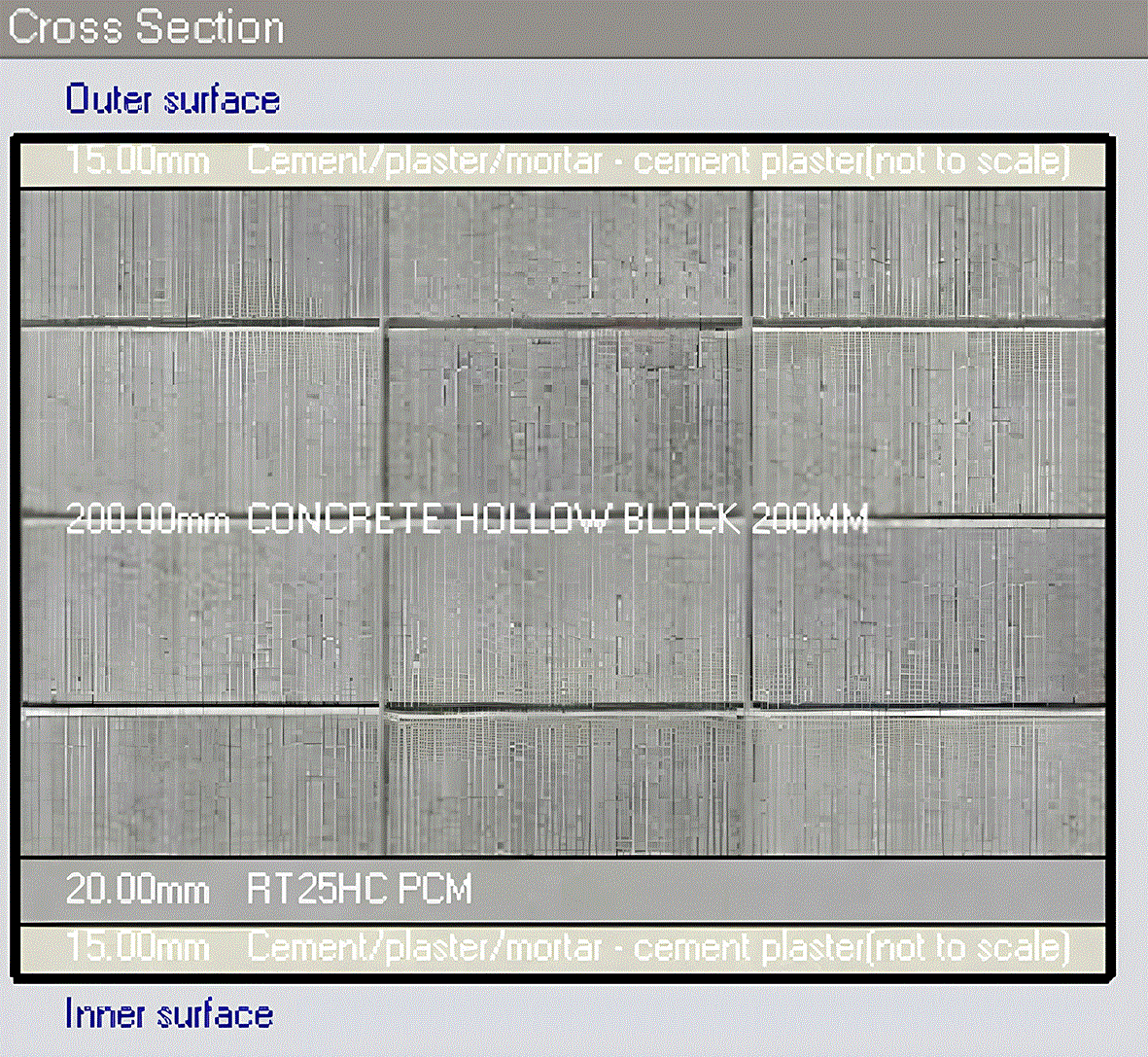
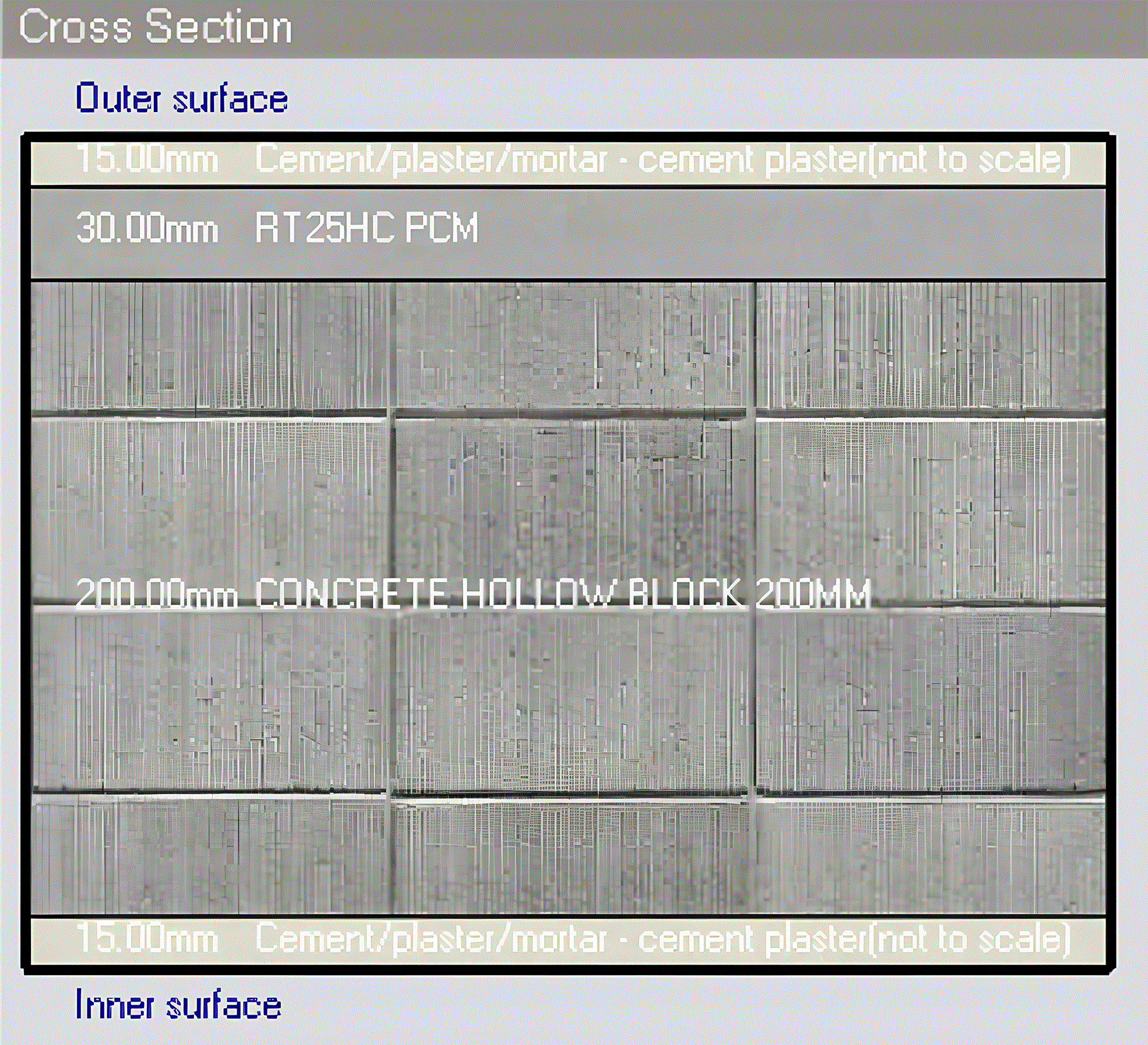
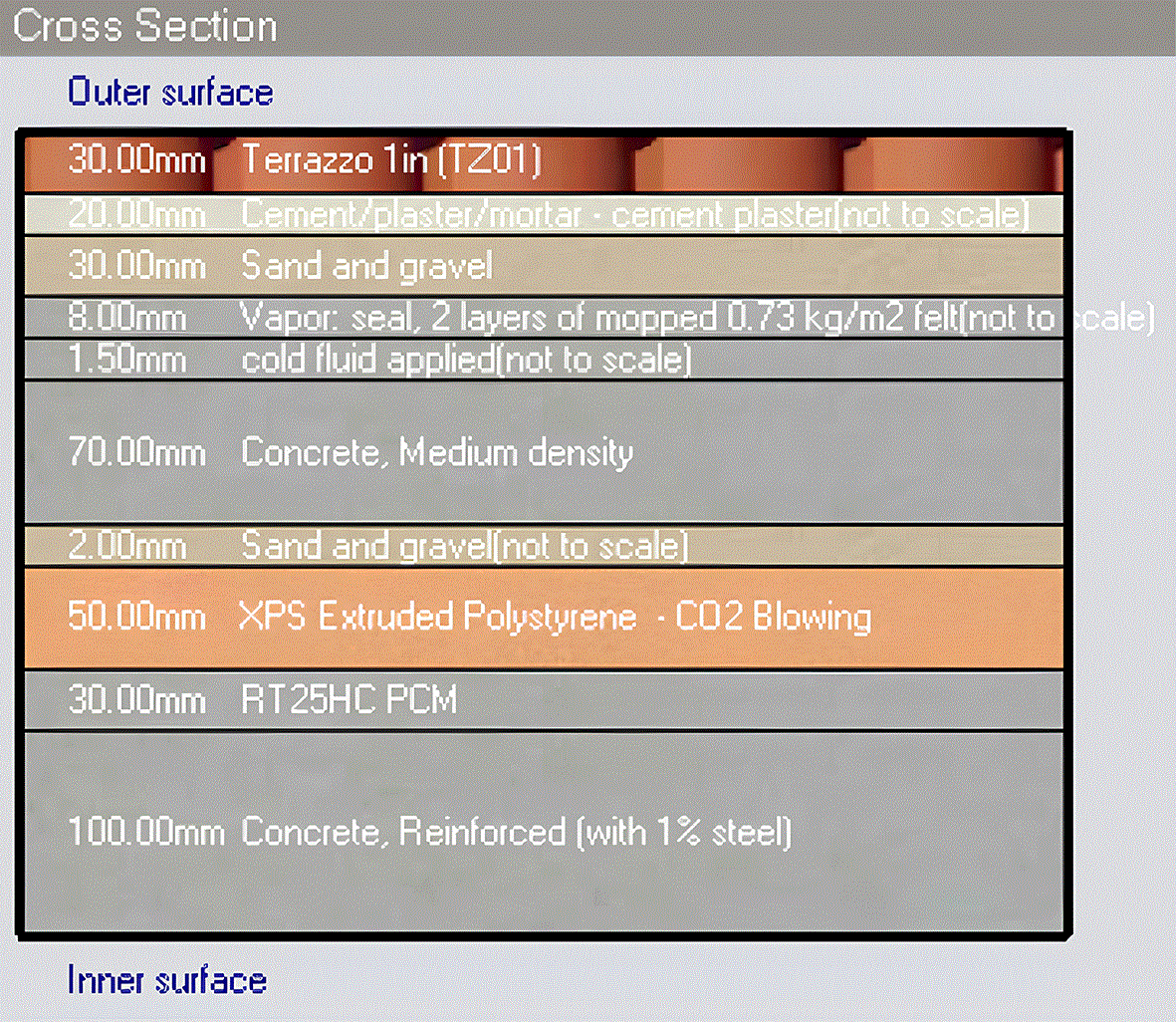
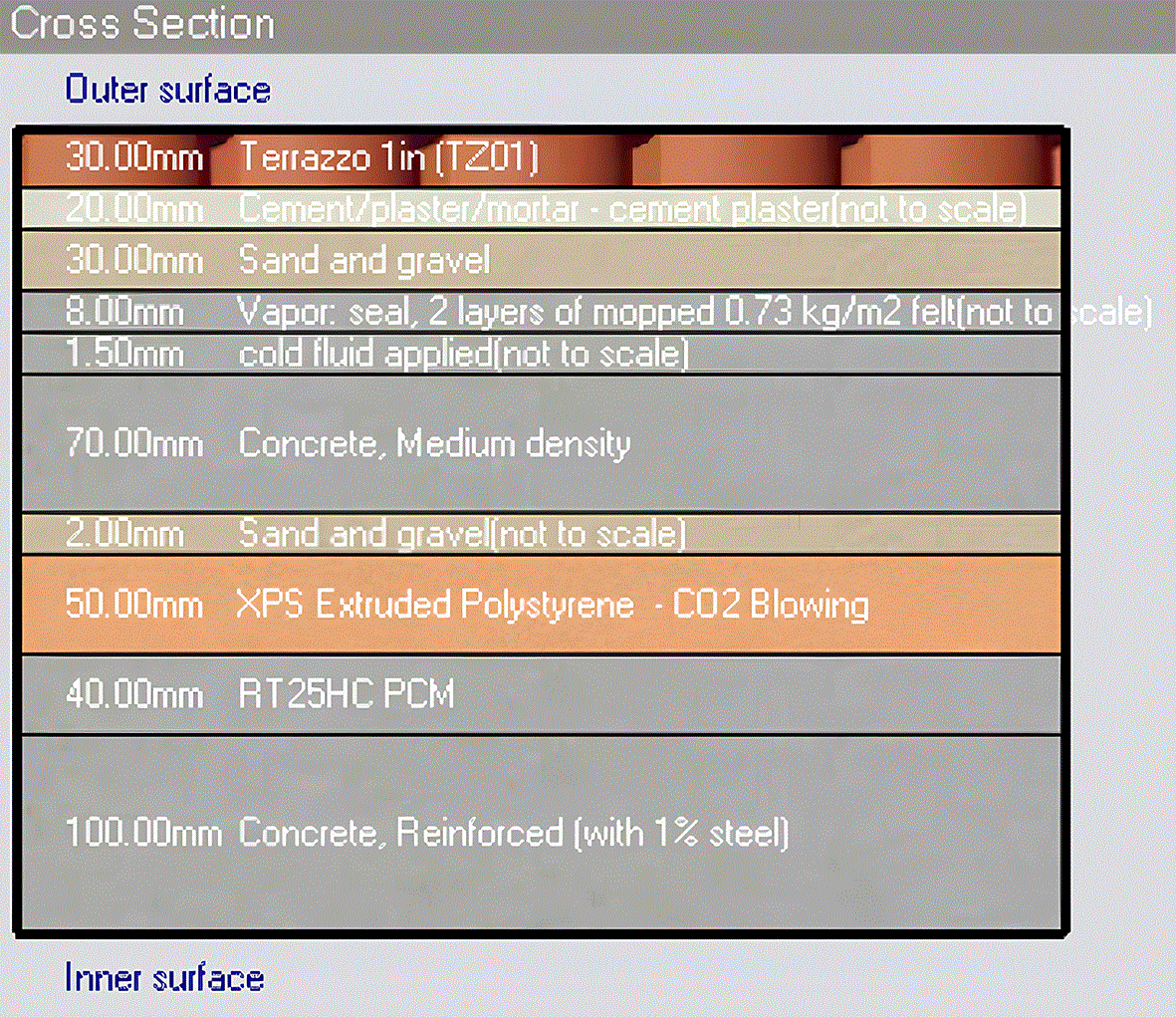
The PCM selected for the case study was RT25HC, which has a phase change temperature of approximately 25 °C. Its physical and chemical properties were obtained from the RUBITHERM data sheet:
• Melting point: 22–26 °C
• Heat storage capacity 230 kJ/kg
• Specific Heat 2 kJ/kg·K
• Heat conductivity 0.2 W/mK
• Relative density 0.77–0.88 kg/l
External Wall Implementation.
Roof Slab Implementation.
Case study simulation results.
Result 1: Base case.
External Wall Implementation.
Result 2: Scenario 1: Adding a 20 mm RT25HC PCM to the external wall near the exterior.
Result 3: Scenario 2: Adding a 20 mm RT25HC PCM to the external wall near the interior.
Result 4: Scenario 3: Adding a 30 mm RT25HC PCM to the external wall near the exterior.
Result 5: Scenario 4: Adding a 30 mm RT25HC PCM to the external wall near the interior.
Result 6: Scenario 5: Adding a 40 mm RT25HC PCM to the external wall near the exterior.
Result 7: Scenario 6: Adding a 40 mm RT25HC PCM to the external wall near the interior.
Roof Slab Implementation.
Result 8: Scenario 7: Adding a 20 mm RT25HC PCM to the roof above the structural slab.
Result 9: Scenario 8: Adding a 30 mm RT25HC PCM to the roof above the structural slab.
Result 10: Scenario 9: Adding a 40 mm RT25HC PCM to the roof above the structural slab.
Figures 20–29 present the outcomes of the building energy simulations conducted under free-running operation, where natural ventilation is applied, and no mechanical heating or cooling systems are employed. Under these conditions, thermal comfort is most reliably evaluated by examining the total annual hours during which indoor conditions fall outside the ASHRAE 55 comfort limits. Although the average operative temperature offers a broad overview of indoor thermal behavior, it fails to reflect short-term fluctuations and periods of intensified discomfort that are critical in naturally ventilated buildings.
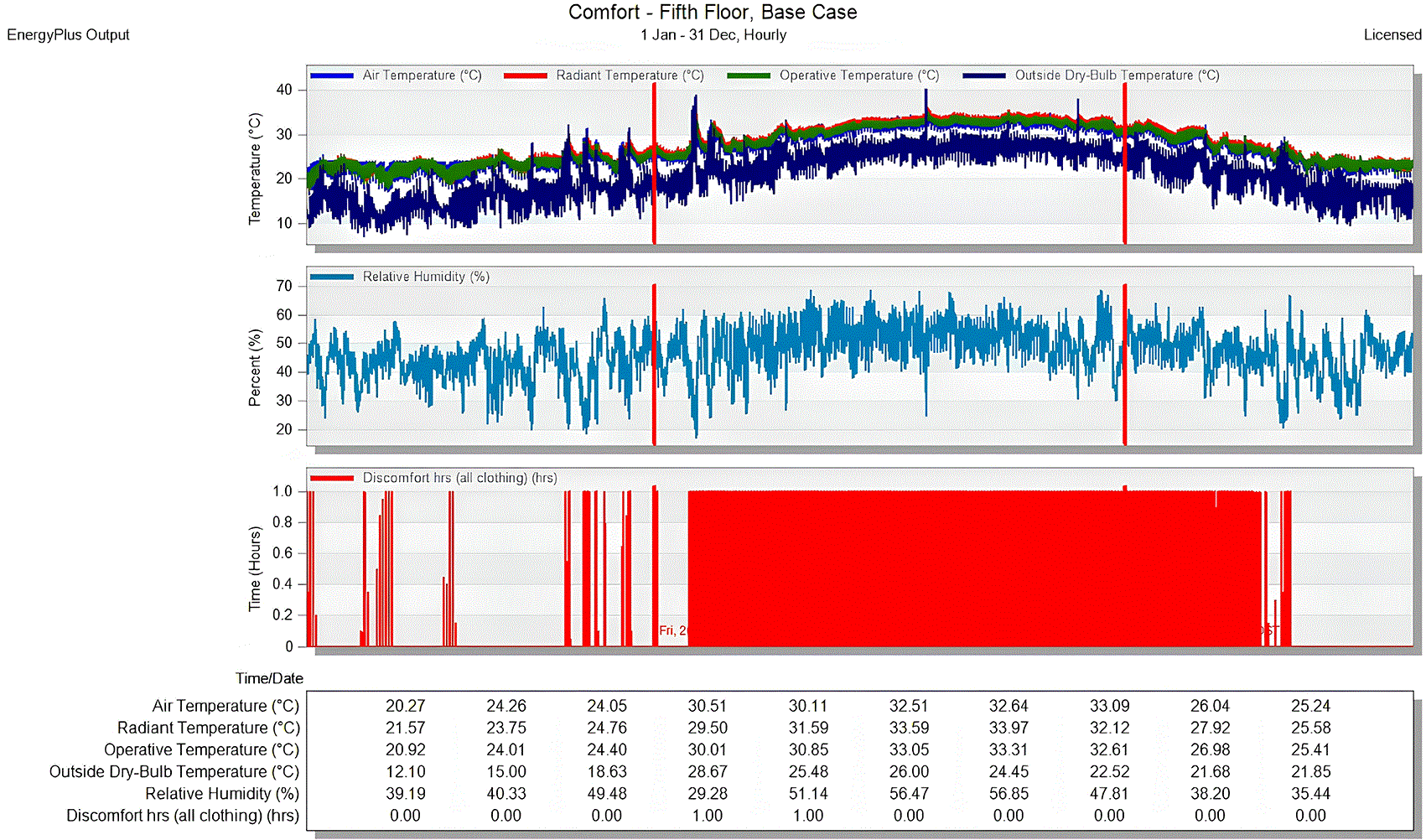
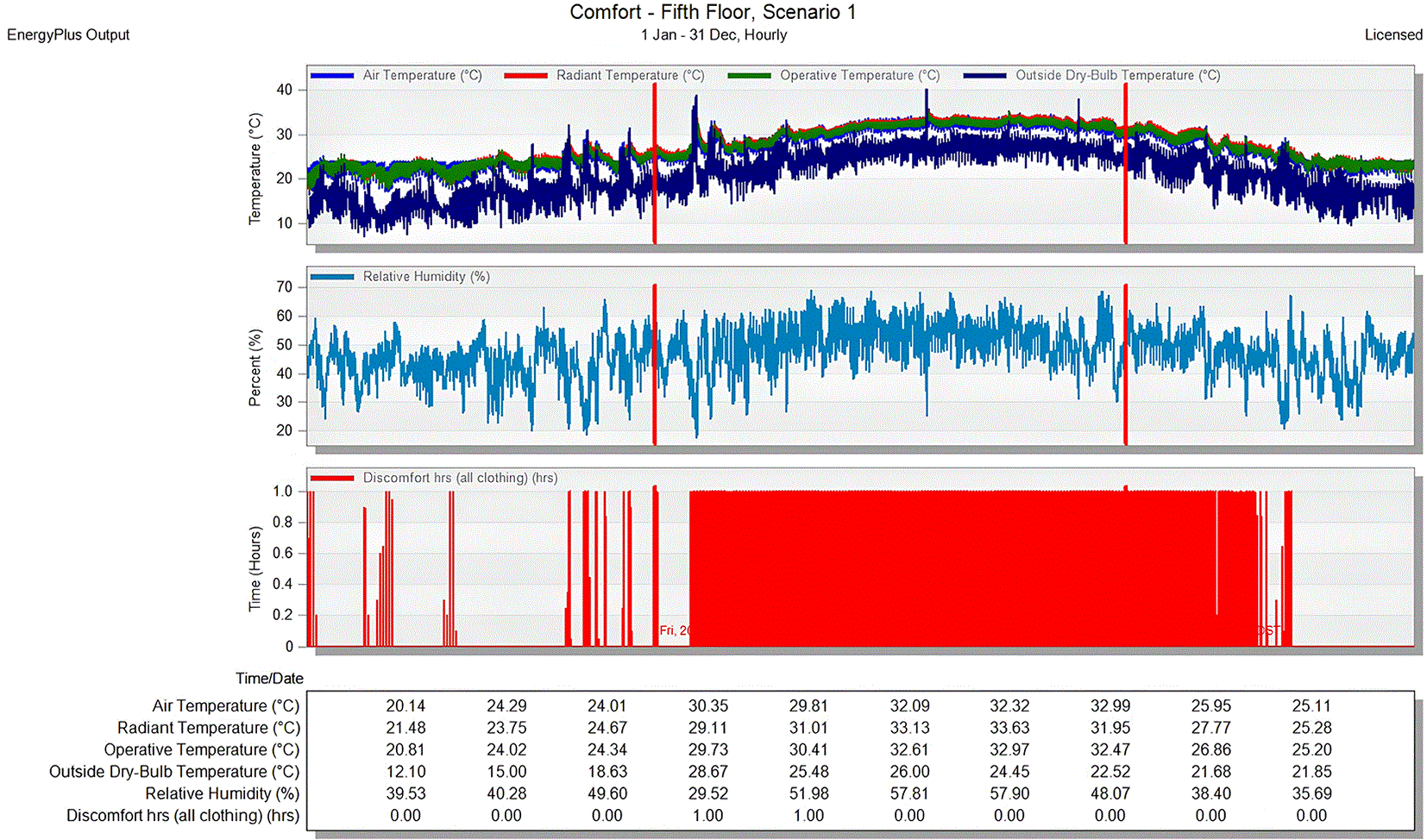
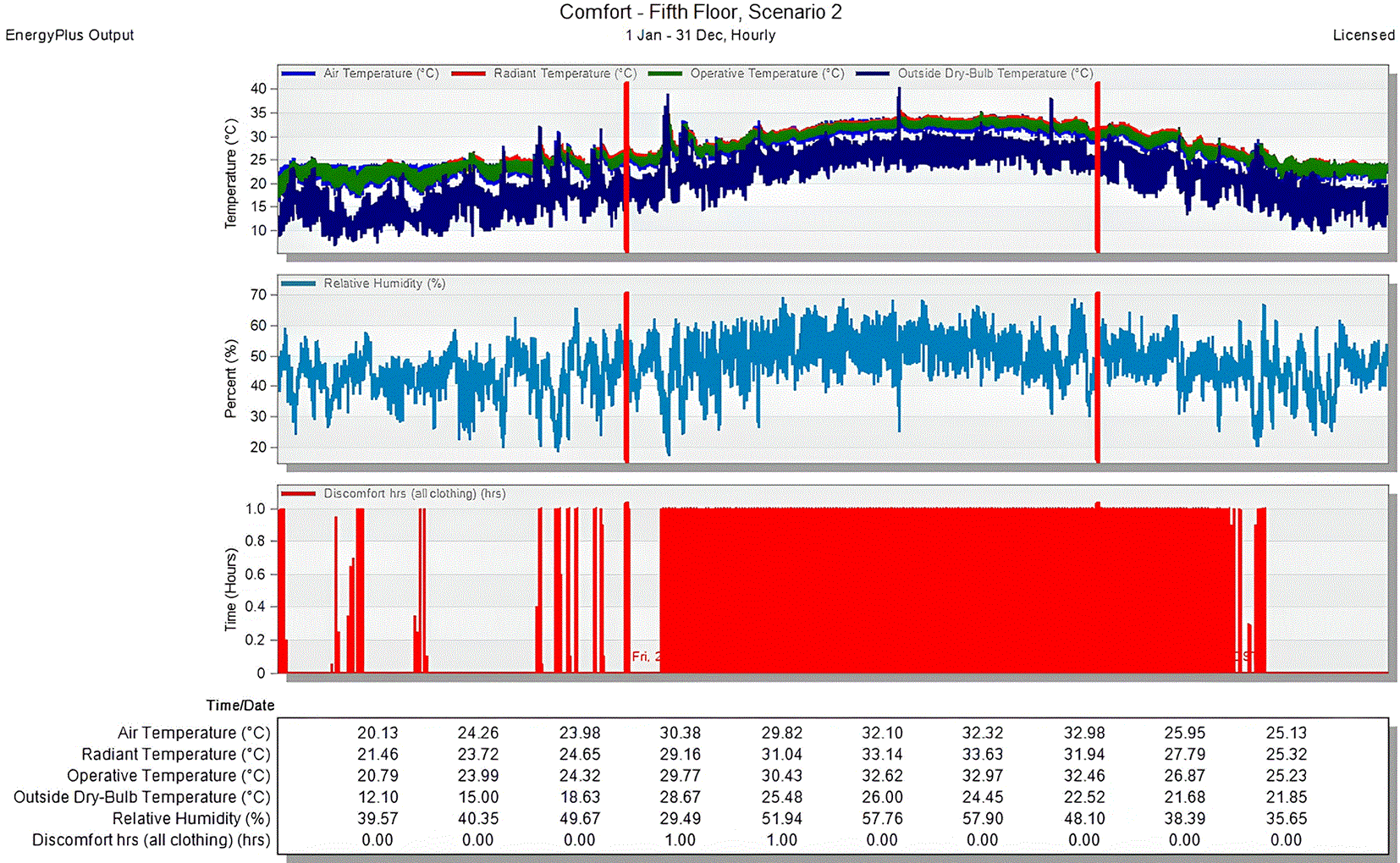
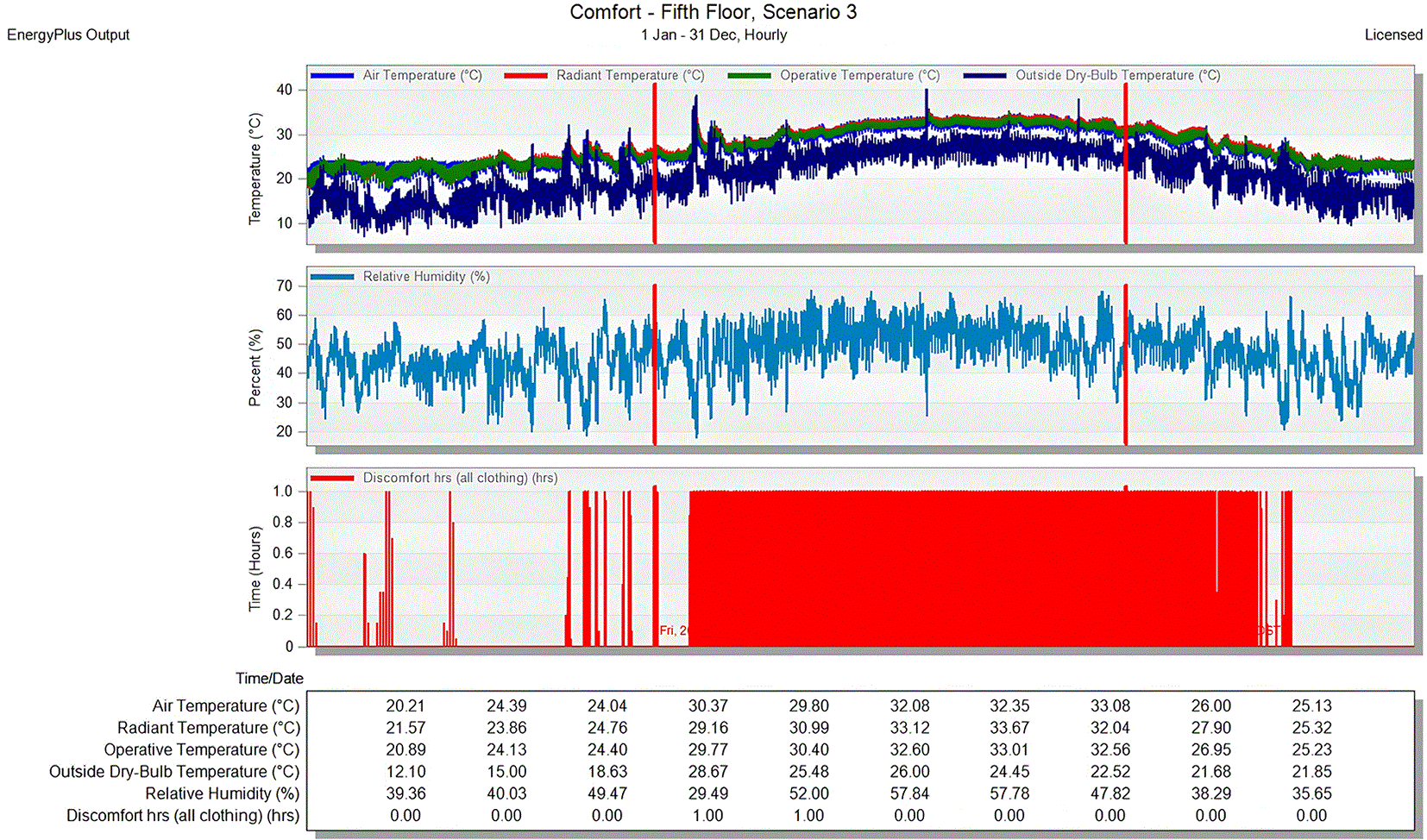
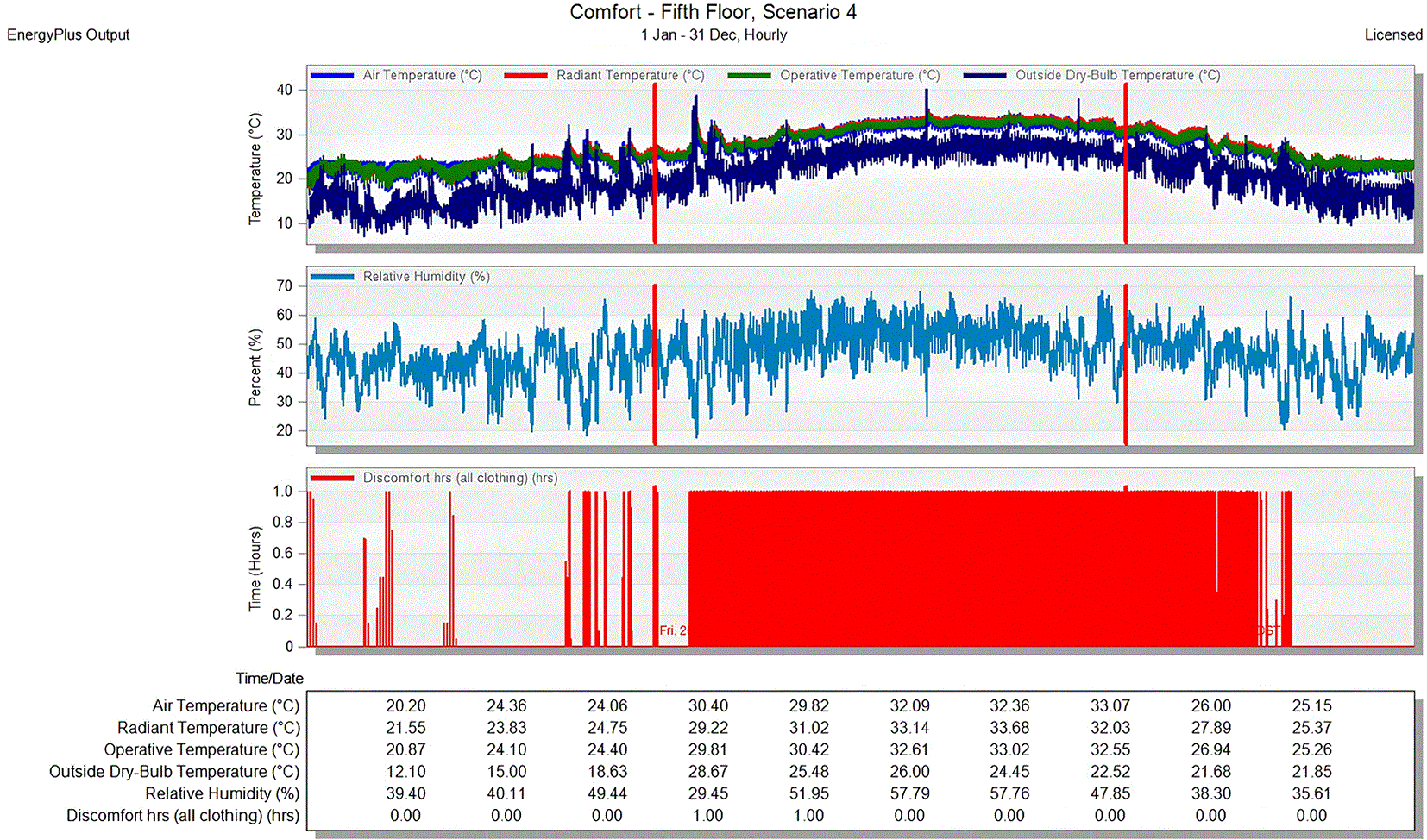
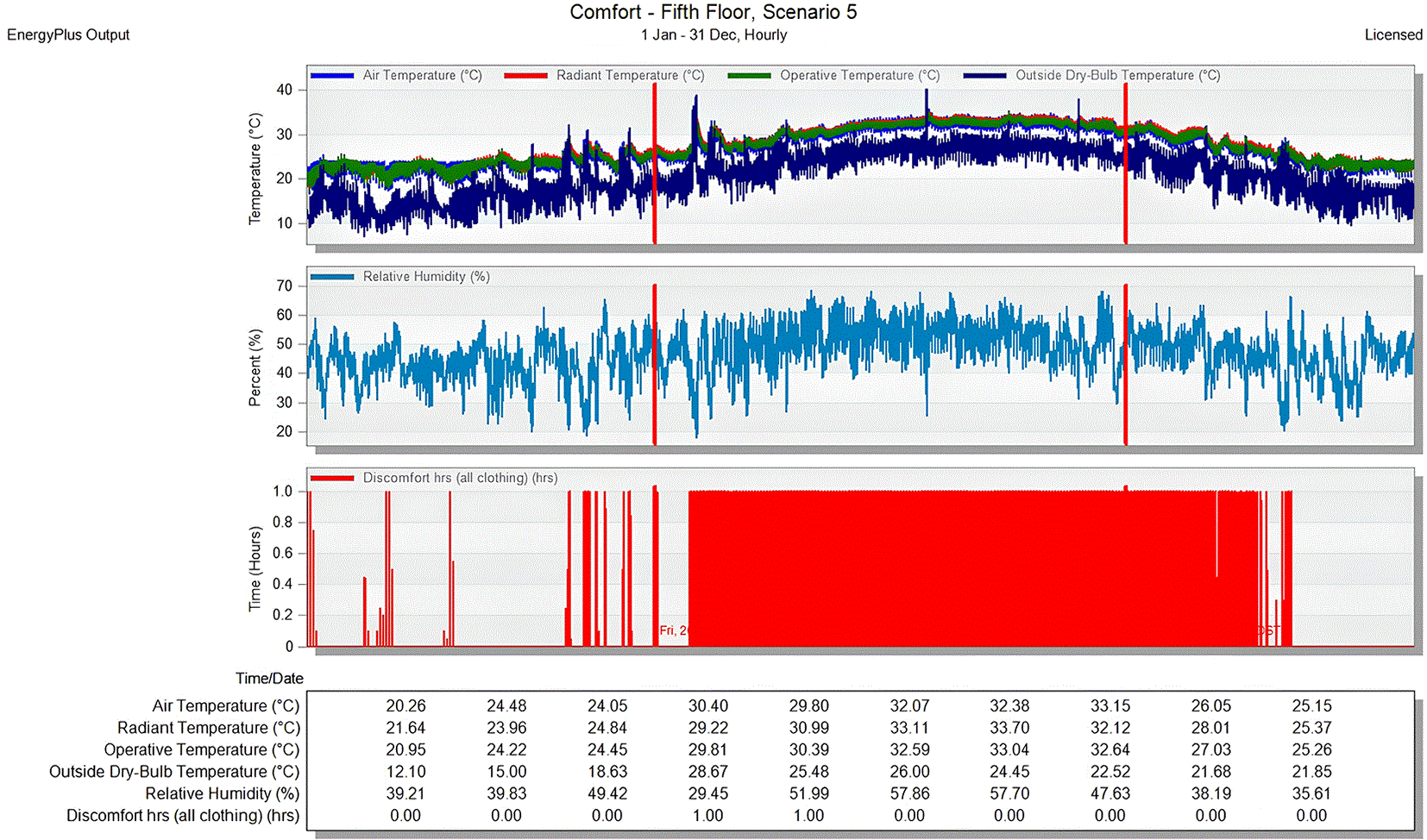
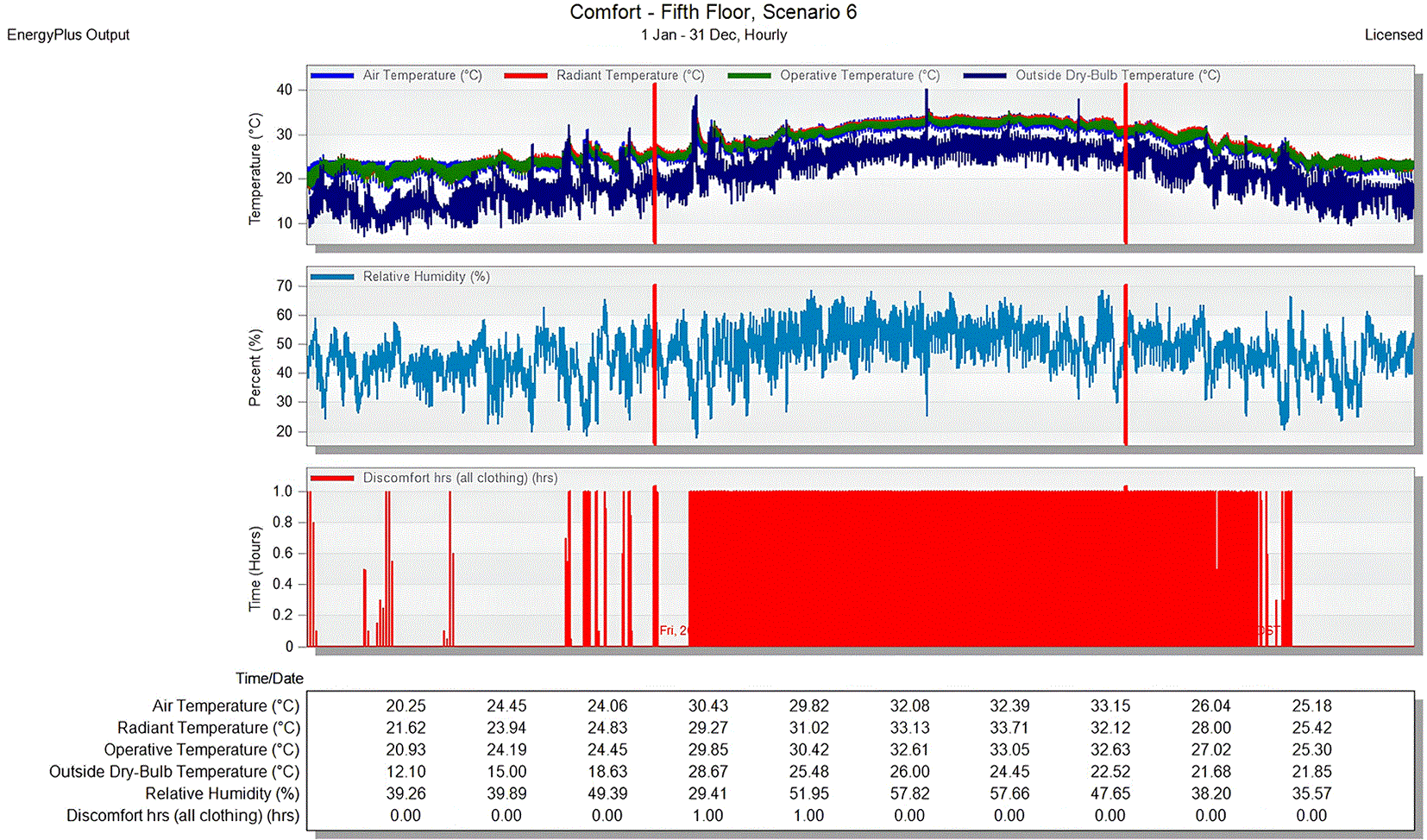
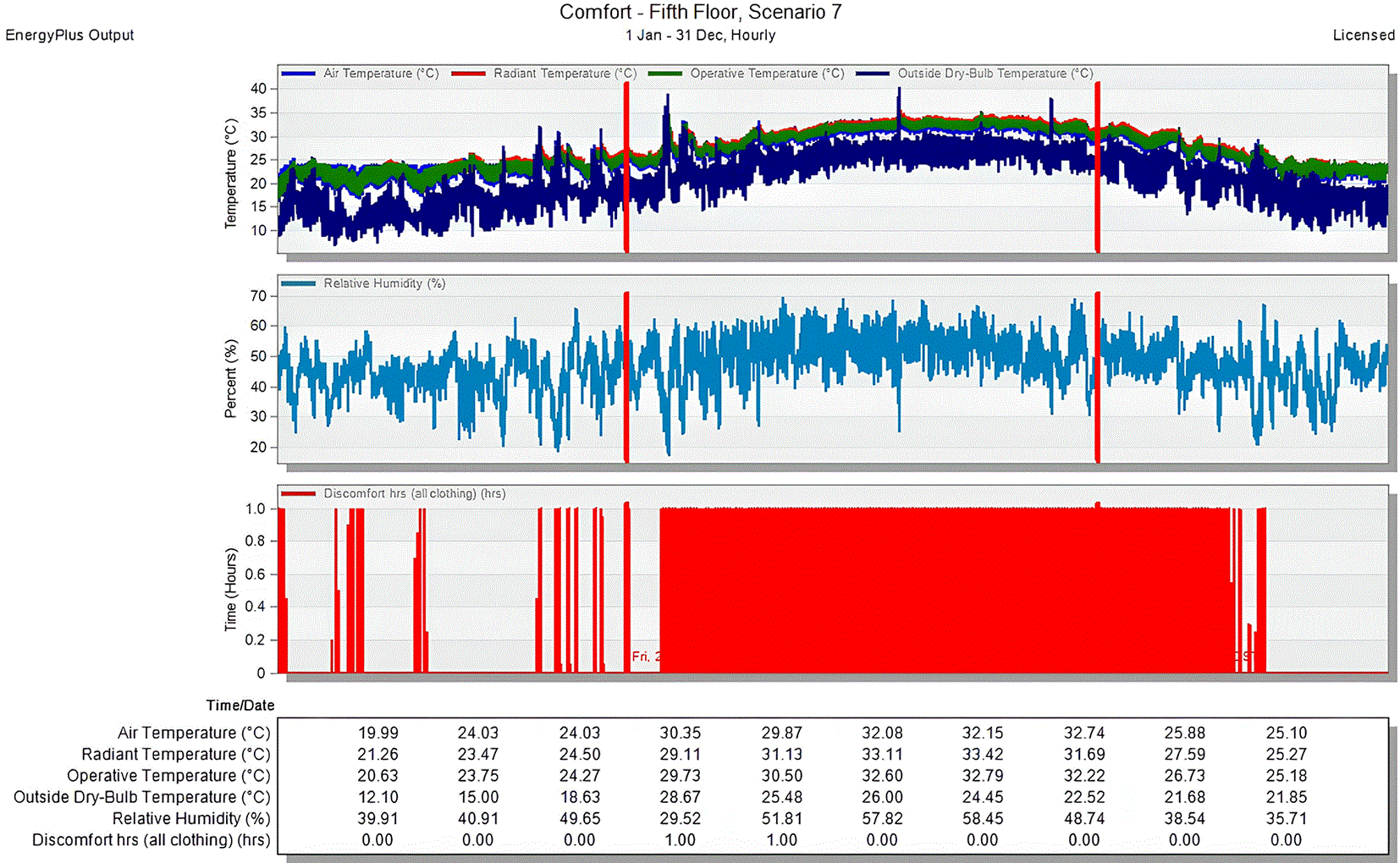
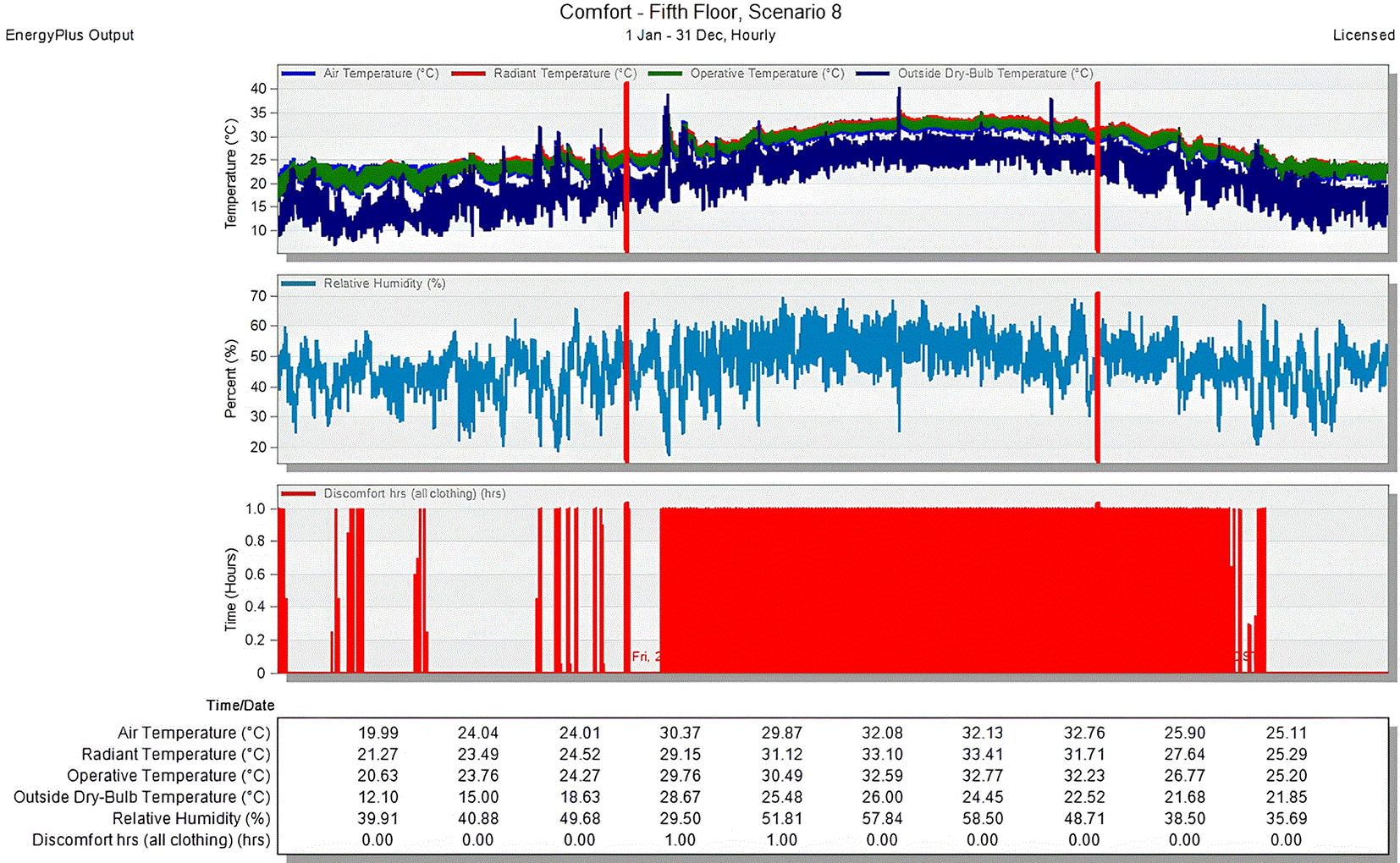
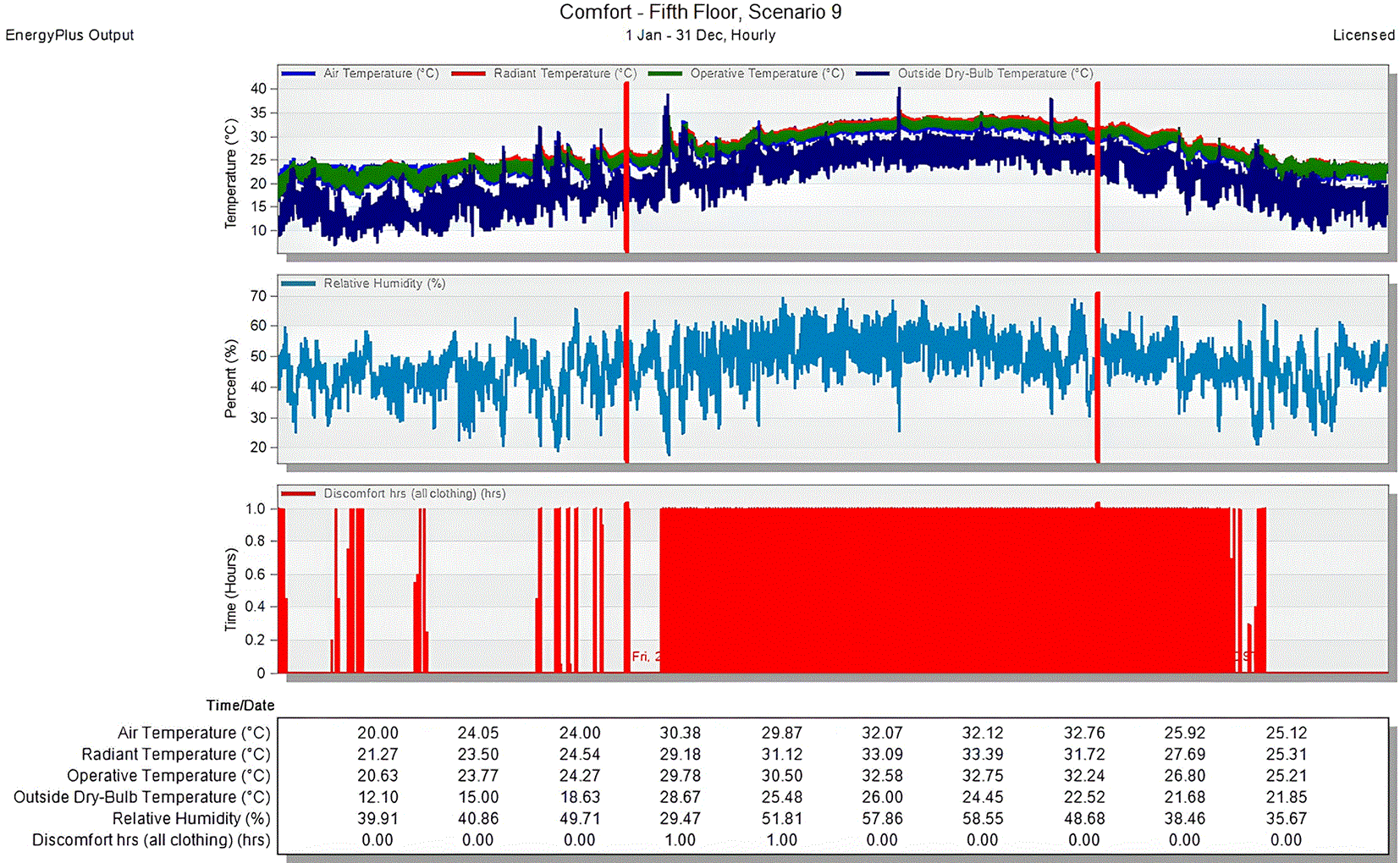
Consequently, the change in annual discomfort hours relative to the base case is adopted as the primary metric for assessing comfort enhancement in this study. The analysis indicates that Scenario 5, featuring a 40 mm RT25HC PCM layer installed near the exterior side of the wall, provides the greatest improvement, reducing annual discomfort hours by 7.65% to a total of 3115.75 hours. Notably, this improvement occurs despite a slightly elevated average operative temperature, suggesting that enhanced comfort arises from reduced temperature extremes rather than a lower mean indoor temperature.
This behavior highlights the effectiveness of PCM integration in moderating heat gains and delaying thermal transmission through the building envelope. Moreover, the observed performance implies that this configuration would offer the greatest potential for reducing cooling energy demand should active cooling systems be implemented, as summarized in Table 6. To ensure consistent comparison across all retrofit scenarios, to figure out how much the discomfort hours were reduced, we used a formula. The percentage reduction in hours was calculated with respect to the basic scenario using the following expression:
Percentage Reduction of discomfort hours (%) = Base case discomfort hours−Scenario discomfort hoursBase case discomfort hours×100.
This study looked at the feasibility of using phase change material (PCM)-integrated envelope retrofitting as a passive technique for enhancing the thermal efficiency of higher-education buildings in Egypt’s Mediterranean environment. The study was inspired by rising cooling demand and thermal comfort difficulties in educational buildings, particularly in coastal places like Marsa Matruh, where high outside temperatures and sun exposure greatly increase energy usage.
A comprehensive literature analysis was undertaken to assess the link between building envelope performance, thermal comfort, and energy efficiency, focusing specifically on the incorporation of PCMs into external wall and roof systems. Addressing the identified gap in the literature, the College of Engineering and Technology (Building B07) on the AASTMT El-Alamein Campus was chosen as a sample case study. The building was designed using Design Builder 7.0.2.006 and Energy Plus 9.4 in free-running mode, and several retrofit scenarios were tested by including RT25HC PCM into exterior wall and roof assemblies.
The simulation findings demonstrated that PCM integration may significantly improve interior thermal comfort by minimizing heat transfer through the building envelope and stabilizing indoor temperature fluctuations. Scenario 5, which included a 40 mm RT25HC PCM layer, was installed on the exterior face of the wall and outperformed the other possibilities, lowering yearly discomfort hours by 7.65% compared to the basic scenario. The findings indicate that both the placement and thickness of the PCM have a considerable impact on thermal performance and the reduction of cooling loads.
Overall, the study shows that PCM-based envelope retrofitting is a realistic and sustainable passive cooling approach for higher education facilities in Mediterranean climates. The suggested solution improves occupant comfort, reduces reliance on mechanical cooling systems, and supports Egypt’s national objectives to build energy-efficient, low-carbon educational institutions. The findings may be useful for architects, engineers, and decision-makers looking for appropriate retrofit options for existing university buildings. Future studies should look at the combined impacts of PCM integration with other passive design methods, including shading devices, natural ventilation, and improved glazing systems, as well as assess long-term economic and environmental performance.
Zenodo Repository: “Improving Thermal Comfort Performance of Mediterranean Higher-Education Buildings via PCM-Integrated Envelope Retrofit: A Case Study of the AASTMT Campus, Marsa Matruh, Egypt”.44
This project contains the following underlying data: https://doi.org/10.5281/zenodo.21050285
Assem ELTanany, M., Hany, N., & Mosaad, G. (2026). Simulation Data for: Improving Thermal Comfort Performance of Mediterranean Higher-Education Buildings via PCM-Integrated Envelope Retrofit: A Case Study of the AASTMT Campus, Marsa Matruh, Egypt [Data set]. Zenodo. https://doi.org/10.5281/zenodo.21050285
- DesignBuilder v7.0.2.006 simulation model files
- Weather file (EPW) EGY_MT_Mersa.Matruh.AP.623060_TMYx.2009–2023(4).zip
- EnergyPlus v9.4 input and output files
- Excel spreadsheets containing the hourly simulation outputs for the base case and all nine retrofit scenarios
- Building envelope specifications, PCM properties, and simulation input parameters necessary to reproduce the analysis
- PNG figures and tables
Data are available under the terms of the https://creativecommons.org/licenses/by/4.0/ (CC-BY 4.0).
The author(s) declared that no grants were involved in supporting this work.
© 2026 Assem ELTanany M et al. This is an open access article distributed under the terms of the Creative Commons Attribution License, which permits unrestricted use, distribution, and reproduction in any medium, provided the original work is properly cited.
Current Reviewer Status:
AWAITING PEER REVIEW
AWAITING PEER REVIEW
?
Key to Reviewer Statuses VIEW HIDE
ApprovedThe paper is scientifically sound in its current form and only minor, if any, improvements are suggested
Approved with reservations A number of small changes, sometimes more significant revisions are required to address specific details and improve the papers academic merit.
Not approvedFundamental flaws in the paper seriously undermine the findings and conclusions
Open Peer Review
AWAITING PEER REVIEW
Sign up for content alerts
Alongside their report, reviewers assign a status to the article:
Approved - the paper is scientifically sound in its current form and only minor, if any, improvements are suggested
Approved with reservations - A number of small changes, sometimes more significant revisions are required to address specific details and improve the papers academic merit.
Not approved - fundamental flaws in the paper seriously undermine the findings and conclusions
| # | Наименование новости | Тональность | Информативность | Дата публикации |
|---|---|---|---|---|
| 1 | Enhancing building resilience: Maintaining energy efficiency and thermal comfort during power outages in cold climates | 0 | 6.14 | 18-08-2026 |
| 2 | Косачёв: импичмент станет ковровой дорожкой Трампа на второй срок | 0 | 0 | 06-02-2020 |
| 3 | Re: DSN capability with XDMA Subsystem core | 0 | 0 | 26-02-2020 |
| 4 | 'Chicken Shop Date' creator Amelia Dimoldenberg brings flirty awkwardness to the Oscars red carpet | 0 | 0 | 27-02-2025 |
| 5 | Забавные вакансии и резюме (часть 2) (#1030) | 0 | 0 | 19-09-2019 |
| 6 | Re: Creating topography/terrain in civil 3D from Google earth data | 0 | 0 | 15-01-2020 |
| 7 | Форум-выставка «ГОСЗАКАЗ»: «НОВАЦИИ ЕИС В СФЕРЕ ЗАКУПОК» | 0 | 0 | 08-04-2022 |
| 8 | Европейские индексы потеряли больше 3% | 0 | 0 | 24-02-2020 |
| 9 | Дюрарара!! 2 (второй сезон) / Durarara!!x2 Ten [1-12 из 12] | 0 | 0 | 29-03-2018 |
| 10 | Панель 3D-07 | 0 | 0 | 28-04-2022 |