Просмотр новости
Найдите то, что Вас интересует
 Спутники
 РН
 SpaceX
 Роскосмос
 NASA
СпутникиРНSpaceXРоскосмосNASA
After last month’s massive grocery bill, I presented it to both ChatGPT and Gemini with hopes of finding ways to reduce it without eating less.
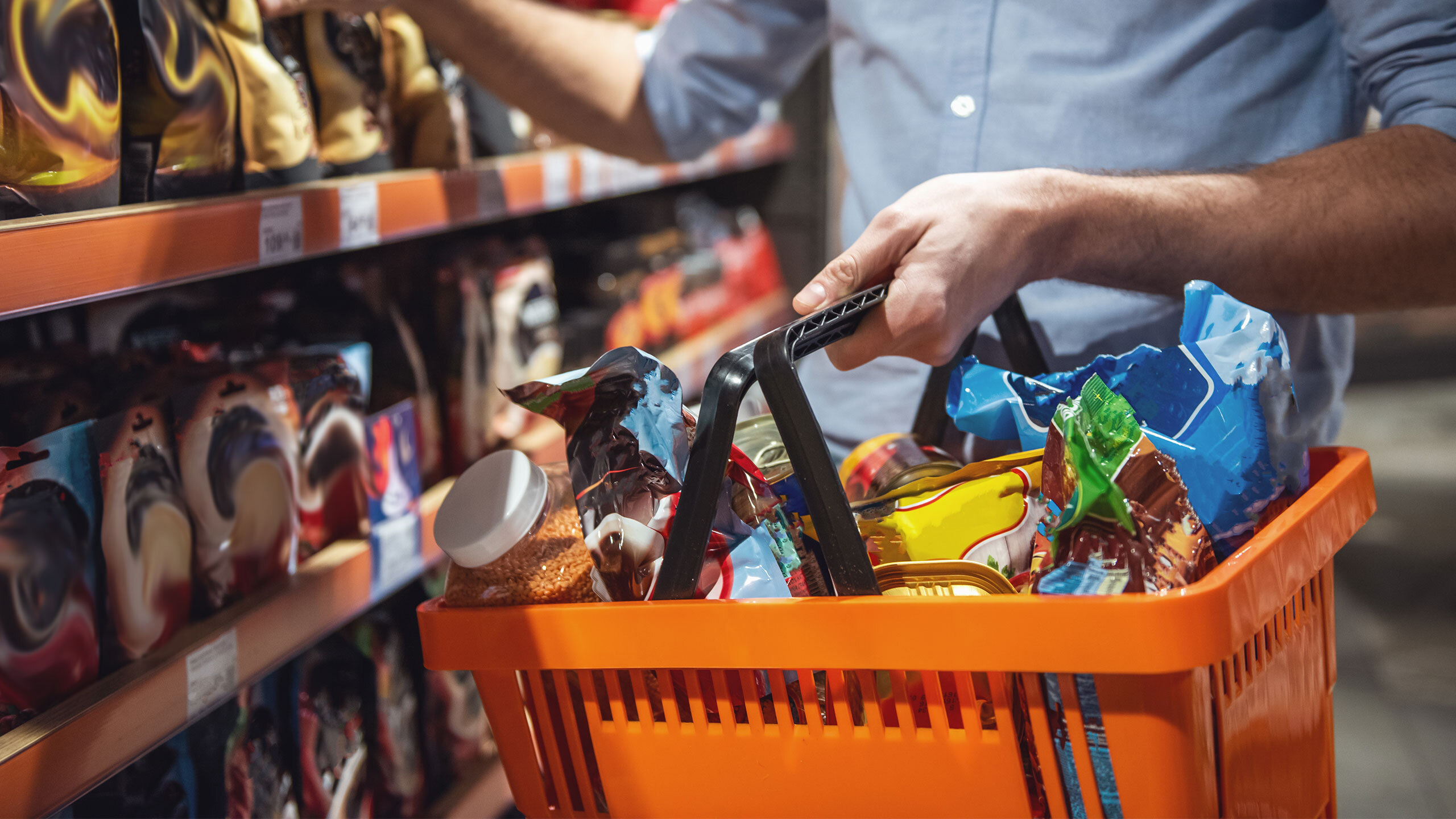 (Image credit: Shutterstock)
$400. That was the sobering high cost of my grocery bill staring back at me after last month’s run to the supermarket for a large haul.
I can remember the good ol’ days when I went shopping with my parents, and they only had to spend $100 and some change to get everything we needed. Nowadays, just picking up a carton of eggs, some frozen vegetables, a couple of snacks, and some drinks could reach near or into the hundreds without your basket even reaching full capacity.
After staring at that $400 grocery bill for an uncomfortably long time, I got the urge to see if AI could really find the best methods toward lessening the cost of my future supermarket visits. I desperately needed the assistance of chatbots to help me confront my newest foe: inflation and “shrinkflation” (my fellow potato chip eaters know what I’m talking about).
Lo and behold, the combined efforts of ChatGPT and Gemini put a bunch of helpful tips on display that helped me decrease my latest grocery bill and made me shop a whole lot smarter.
ChatGPT’s standout tips
In my desperate attempt to lower the price of my next grocery bill, I prompted ChatGPT with this question: “I usually spend $400 a month on groceries. What are the 7 best tips you can give me on how to spend less on groceries without eating less?”
Out of the seven pieces of advice the chatbot sent my way, there were three of them that I ended up adding to my list of practical grocery shopping advice:
Along with those suggestions, ChatGPT also listed the potential monthly savings target for its three listed tips.
Sign up to the Tom's AI Guide weekly newsletter summing up all the biggest AI news you need to know. Plus, analysis from our AI editors and tips on how to use the latest AI tools!
Switching to store brands could save me $15, purchasing cheaper protein alternatives could also save me $15 and taking note of unit-price comparisons could save me $5. With all that in mind, I made sure to pick up store-brand canned vegetables during my latest grocery haul.
And I also made a bigger deal of reading the unit prices of the larger shelf-stable items, such as bags of rice and dry beans. And finally, I picked up some store-brand lentils to embark on my new journey of making lentil curry with white rice as a weekly hearty meal.
Gemini’s noteworthy suggestions
After bringing the same inquiry to Gemini, it also came back to me with a bunch of helpful tips. Two of them ended up getting thrown into my memory bubble for my latest visit to the supermarket:
Gemini also noted that the frozen fruit buying method could potentially save me an extra $15 to $30, while its tip focused on ditching convenience markups pointed out how I could save an extra $25 – $40.
With Gemini’s first tip in mind, I began picking up Great Value-branded frozen strawberries, blueberries and mango chunks for my monthly forays into making smoothies.
Great Value’s products also became a bigger staple in my freezer once I started picking up more of their frozen broccoli florets, super sweet corn and sweet potatoes. It took a lot for me to break my habit of buying pre-cut and pre-shredded food (I’m incredibly lazy most of the time, to be fair), but I began making a more concerted effort to buy blocks of parmesan cheese, carrots and romaine lettuce & shredding/cutting them down myself.
The takeaway$300.56. That was my latest grocery bill cost. And while it’s still up there, I can deal with paying a hundred dollars less than I usually do when I head to the supermarket. ChatGPT and Gemini’s counsel pushed me to make some major changes to my shopping habits.
And while I still get a few brand-name goods here and there (family-size bags of Utz potato chips and Dr. Pepper will never leave my food & drink rotation!), purchasing store-branded goods (as well as sticking close to both chatbots’ cheaper grocery shopping tips) helped me save several more bucks on my latest shopping excursion.
Follow Tom's Guide on Google News and add us as a preferred source to get our up-to-date news, analysis, and reviews in your feeds. Subscribe to Tom's Guide on YouTube and follow us on TikTok.
Elton Jones covers AI for Tom’s Guide, and tests all the latest models, from ChatGPT to Gemini to Claude to see which tools perform best — and how they can improve everyday productivity.
He is also an experienced tech writer who has covered video games, mobile devices, headsets, and now artificial intelligence for over a decade. Since 2011, his work has appeared in publications including The Christian Post, Complex, TechRadar, Heavy, and ONE37pm, with a focus on clear, practical analysis.
Today, Elton focuses on making AI more accessible by breaking down complex topics into useful, easy-to-understand insights for a wide range of readers.