Просмотр новости
Найдите то, что Вас интересует
 Спутники
 РН
РН SpaceX
 Роскосмос
 NASA
NASA
СпутникиРНSpaceXРоскосмосNASA
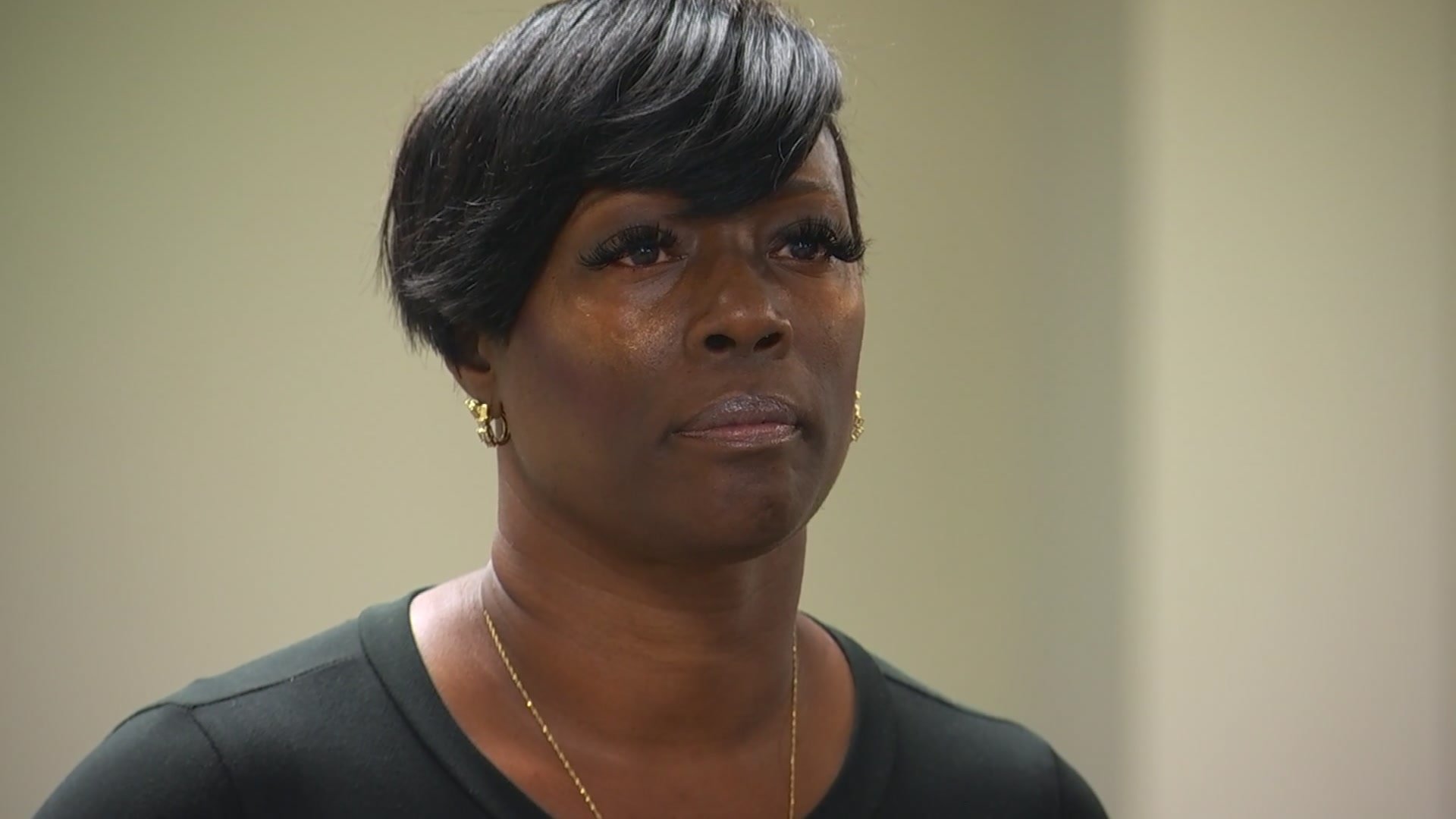
On Thursday, the Texas Court of Criminal Appeals ruled that Crystal Mason’s acquittal in a years-long illegal voting case will stand. The state’s highest criminal court dismissed the state’s effort to revive her conviction.
The court dismissed the state’s petition seeking review of a 2024 ruling that overturned Mason’s conviction and five-year prison sentence. The court offered little explanation, writing only that its earlier decision to hear the case was “improvident.”
The court’s decision is the latest development in a case dating back to 2016.
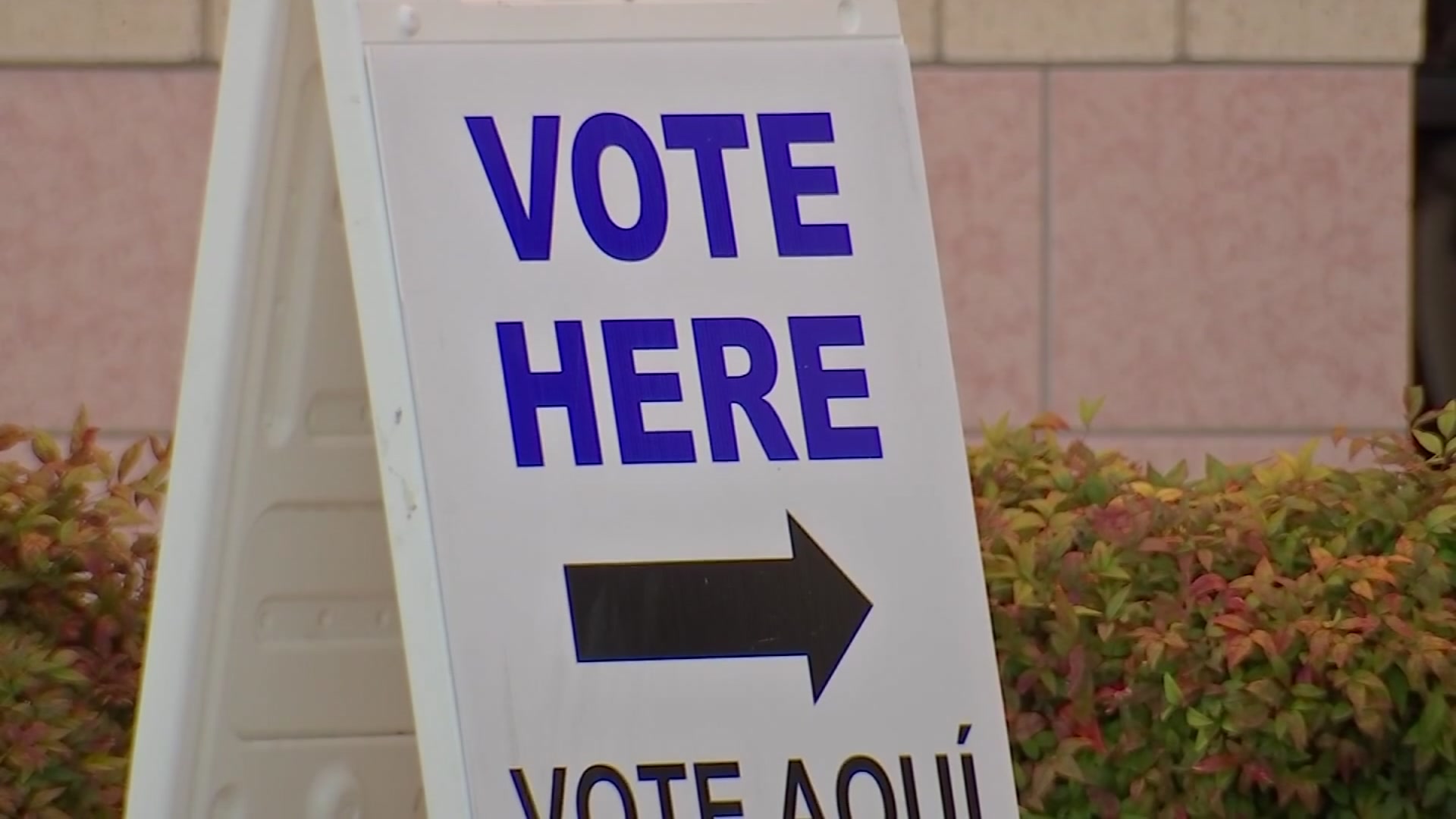
Mason was convicted in 2018 and sentenced to five years for voting in Tarrant County when she was ineligible. Mason went to a polling place to vote in the 2016 general election, and when poll workers couldn’t find her registration, she was given a provisional ballot.
The ballot was not counted, but Mason was charged with illegal voting.
The crux of the legal fight centered not on Mason’s eligibility ,but rather on whether prosecutors could prove Mason knew she was ineligible when she submitted the provisional ballot.
At the center of that question was the provisional ballot itself. The affidavit Mason signed stated that a person convicted of a felony must have completed all of their punishment, including incarceration, parole, supervision, or probation, to be eligible to vote. It also warned that knowingly voting in an election while ineligible was a felony.
Mason testified that she did not read those warnings and that no one had told her she was ineligible to vote while on supervised release. She said that had she known she was ineligible, she would not have voted.
Two election workers, however, testified that Mason had read the form. Election judge Karl Dietrich testified that he instructed Mason to read the provisional ballot and watched her pause for several seconds over the portion containing the eligibility information. Poll worker Jarrod Streibich testified that he saw Mason going line by line with her finger, “making sure she read it all.” Mason also acknowledged at trial that she had previously told a reporter she “skimmed through” the information.
While Mason’s case was moving through the courts, Texas lawmakers amended the state’s illegal voting law to require evidence beyond a person’s signature on a provisional ballot affidavit to prove the person knowingly committed the offense. The change was made applicable to cases that had not yet become final, including Mason’s.
In 2022, the Court of Criminal Appeals ruled that prosecutors had to prove not only that Mason knew she was on supervised release, but that she “actually realized” that being on supervised release made her ineligible to vote. The court sent the case back to the Fort Worth appeals court to reconsider the evidence under that standard.
Two years later, the Second Court of Appeals reversed Mason’s conviction and rendered a judgment of acquittal, finding the evidence insufficient to prove beyond a reasonable doubt that Mason actually knew she was ineligible.
Four judges dissented from Thursday’s decision to dismiss the case, arguing the court should have considered the state’s challenge and that there was sufficient evidence to support Mason’s conviction.
Judge Finley, joined by Judge Parker, wrote that the trial judge was entitled to weigh the conflicting testimony and infer that Mason had read the provisional ballot, understood its warnings and knew she was ineligible to vote.
“This is not a close case,” Finley wrote, calling the evidence “clearly and unquestionably sufficient.” “We should say so.”
Parker, who wrote separately, also argued the evidence was sufficient, pointing in part to testimony from election workers who said Mason appeared to read the affidavit before signing it. “This is not a close case,” Parker wrote. “I cannot agree with this Court’s decision, after granting review, to now dismiss the State’s petition as improvidently granted.”
Parker similarly argued the evidence was sufficient, writing that he could not agree with the court’s decision “after granting review, to now dismiss the State’s petition as improvidently granted.”
In a statement, the Tarrant County District Attorney’s Office defended its decision to continue pursuing Mason’s conviction.
“Illegal voting remains a crime in Texas,” Tarrant County District Attorney Phil Sorrells said. “If there is evidence that someone knowingly violates our election laws in Tarrant County, we will investigate it and, when the evidence supports it, prosecute it.”
Sorrells said his office’s responsibility remains to “enforce the law fairly, protect the integrity of our elections, and pursue justice without fear or favor.”
The DA’s office noted that Thursday’s ruling did not decide whether the appeals court correctly evaluated the evidence. Prosecutors had argued that the lower court applied the wrong legal standard when it found the evidence insufficient to prove Mason knew she was ineligible to vote.
Mason’s supporters celebrated Thursday’s decision as the conclusion of a legal fight that has stretched nearly eight years.
“This was never simply about one provisional ballot,” Next Generation Action Network President and CEO Dominique Alexander said in a statement. “This was about whether our justice system would allow a woman to lose five years of her freedom when the ballot at the center of the prosecution was never even counted.”
The organization became involved after Mason’s conviction and helped connect her with attorneys who represented her during the appellate process. The ACLU, ACLU of Texas and Texas Civil Rights Project later joined the legal effort.
Mason, meanwhile, said Thursday that she was relieved the years-long legal fight had come to an end.
“In all these years, I never lost my faith that justice would be done,” Mason said in a statement released by the ACLU of Texas. “I am so happy my nightmare is over and I can move on.”
Mason said she hopes her case encourages others to make their voices heard and vote.
“If the right to vote weren’t so important, they wouldn’t be trying to take it away,” Mason said.
Mason, advocates, and members of her legal team are expected to discuss the ruling at a news conference on Monday in Fort Worth at 11 a.m.
Crystal Mason case: How we got here
Revisit NBC 5's coverage of Crystal Mason's illegal voting case, from her 2018 conviction through years of appeals and her eventual acquittal.
Fort Worth
Oct 30, 2024
Civil Rights attorneys urge court to uphold Crystal Mason's acquittal in fraud case
Fort Worth
May 15, 2024
Fort Worth's Crystal Mason speaks at Dallas luncheon amid legal battle
Fort Worth
May 11, 2024
Supporters rally for Texas woman after DA appeals ruling to overturn illegal voting conviction
Tarrant County
May 7, 2024
Tarrant County DA facing backlash for trying to reconvict woman acquitted off voting illegally
Elections
Mar 29, 2024
Texas appeals court overturns voter fraud conviction for Fort Worth's Crystal Mason
Fort Worth
May 12, 2022
Lower Court Ordered to Take a New Look at Crystal Mason Voter Fraud Case
May 12, 2022
Crystal Mason Illegal Voting Case To Be Re-Examined
Fort Worth
Dec 1, 2020
Legal Team of Fort Worth Woman Convicted of Voting Illegally Seeks Review By Highest Criminal Court in Texas
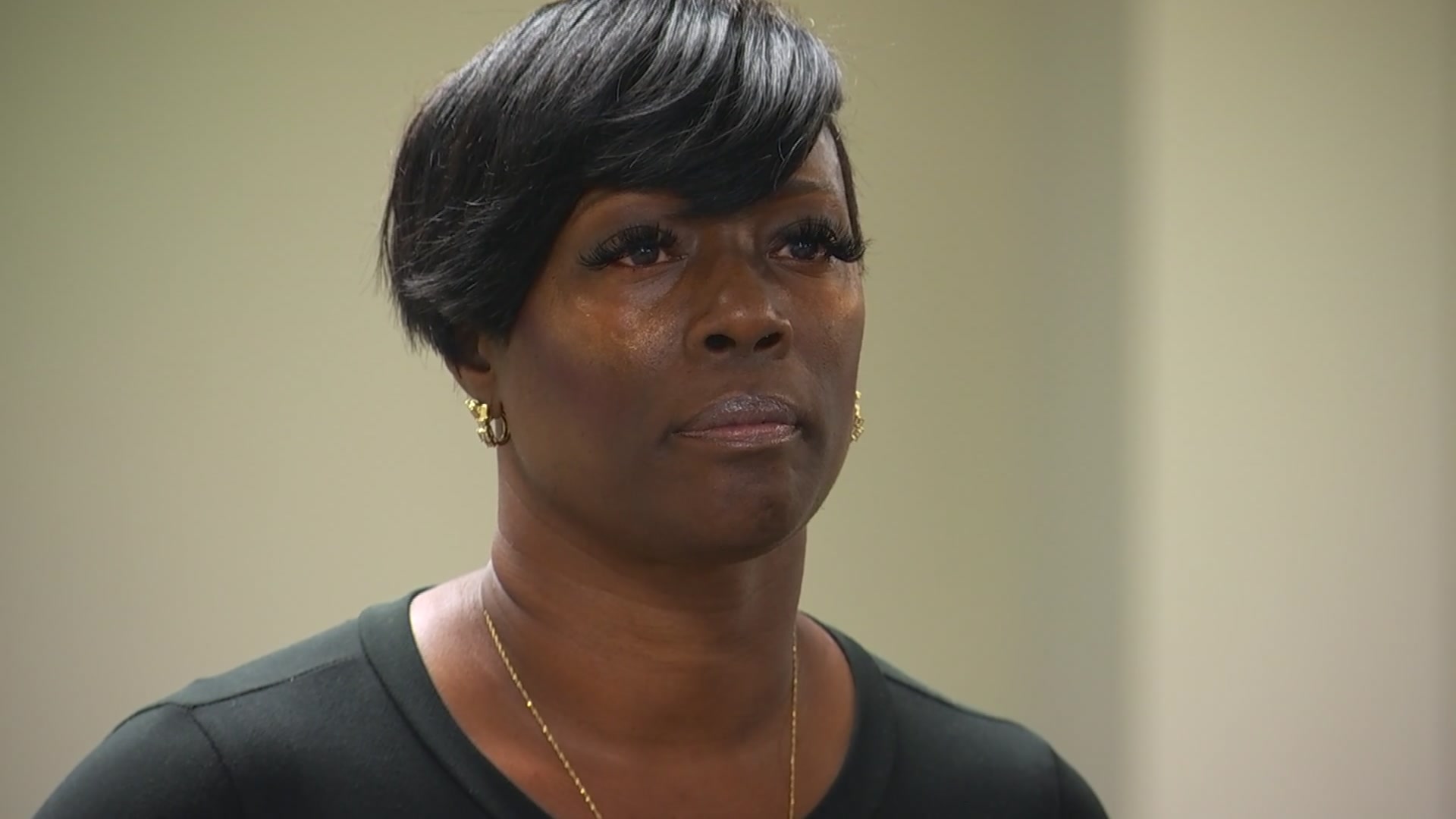
On Thursday, the Texas Court of Criminal Appeals ruled that Crystal Mason's acquittal in a years-long illegal voting case will stand. The state's highest criminal court dismissed the state's effort to revive her conviction.
The court dismissed the state's petition seeking review of a 2024 ruling that overturned Mason's conviction and five-year prison sentence. The court offered little explanation, writing only that its earlier decision to hear the case was "improvident."
The court's decision is the latest development in a case dating back to 2016.
Mason was convicted in 2018 and sentenced to five years for voting in Tarrant County when she was ineligible. Mason went to a polling place to vote in the 2016 general election, and when poll workers couldn't find her registration, she was given a provisional ballot.
The ballot was not counted, but Mason was charged with illegal voting.
The crux of the legal fight centered not on Mason's eligibility ,but rather on whether prosecutors could prove Mason knew she was ineligible when she submitted the provisional ballot.
At the center of that question was the provisional ballot itself. The affidavit Mason signed stated that a person convicted of a felony must have completed all of their punishment, including incarceration, parole, supervision, or probation, to be eligible to vote. It also warned that knowingly voting in an election while ineligible was a felony.
Mason testified that she did not read those warnings and that no one had told her she was ineligible to vote while on supervised release. She said that had she known she was ineligible, she would not have voted.
Two election workers, however, testified that Mason had read the form. Election judge Karl Dietrich testified that he instructed Mason to read the provisional ballot and watched her pause for several seconds over the portion containing the eligibility information. Poll worker Jarrod Streibich testified that he saw Mason going line by line with her finger, "making sure she read it all." Mason also acknowledged at trial that she had previously told a reporter she "skimmed through" the information.
While Mason's case was moving through the courts, Texas lawmakers amended the state's illegal voting law to require evidence beyond a person's signature on a provisional ballot affidavit to prove the person knowingly committed the offense. The change was made applicable to cases that had not yet become final, including Mason's.
In 2022, the Court of Criminal Appeals ruled that prosecutors had to prove not only that Mason knew she was on supervised release, but that she "actually realized" that being on supervised release made her ineligible to vote. The court sent the case back to the Fort Worth appeals court to reconsider the evidence under that standard.
Two years later, the Second Court of Appeals reversed Mason's conviction and rendered a judgment of acquittal, finding the evidence insufficient to prove beyond a reasonable doubt that Mason actually knew she was ineligible.
Four judges dissented from Thursday's decision to dismiss the case, arguing the court should have considered the state's challenge and that there was sufficient evidence to support Mason's conviction.
Judge Finley, joined by Judge Parker, wrote that the trial judge was entitled to weigh the conflicting testimony and infer that Mason had read the provisional ballot, understood its warnings and knew she was ineligible to vote.
"This is not a close case," Finley wrote, calling the evidence "clearly and unquestionably sufficient." "We should say so."
Parker, who wrote separately, also argued the evidence was sufficient, pointing in part to testimony from election workers who said Mason appeared to read the affidavit before signing it. "This is not a close case," Parker wrote. "I cannot agree with this Court's decision, after granting review, to now dismiss the State's petition as improvidently granted."
Parker similarly argued the evidence was sufficient, writing that he could not agree with the court's decision "after granting review, to now dismiss the State's petition as improvidently granted."
In a statement, the Tarrant County District Attorney's Office defended its decision to continue pursuing Mason's conviction.
“Illegal voting remains a crime in Texas,” Tarrant County District Attorney Phil Sorrells said. “If there is evidence that someone knowingly violates our election laws in Tarrant County, we will investigate it and, when the evidence supports it, prosecute it.”
Sorrells said his office's responsibility remains to “enforce the law fairly, protect the integrity of our elections, and pursue justice without fear or favor.”
The DA's office noted that Thursday's ruling did not decide whether the appeals court correctly evaluated the evidence. Prosecutors had argued that the lower court applied the wrong legal standard when it found the evidence insufficient to prove Mason knew she was ineligible to vote.
Mason's supporters celebrated Thursday's decision as the conclusion of a legal fight that has stretched nearly eight years.
"This was never simply about one provisional ballot," Next Generation Action Network President and CEO Dominique Alexander said in a statement. "This was about whether our justice system would allow a woman to lose five years of her freedom when the ballot at the center of the prosecution was never even counted."
The organization became involved after Mason's conviction and helped connect her with attorneys who represented her during the appellate process. The ACLU, ACLU of Texas and Texas Civil Rights Project later joined the legal effort.
Mason, meanwhile, said Thursday that she was relieved the years-long legal fight had come to an end.
“In all these years, I never lost my faith that justice would be done,” Mason said in a statement released by the ACLU of Texas. “I am so happy my nightmare is over and I can move on.”
Mason said she hopes her case encourages others to make their voices heard and vote.
“If the right to vote weren’t so important, they wouldn’t be trying to take it away,” Mason said.
Mason, advocates, and members of her legal team are expected to discuss the ruling at a news conference on Monday in Fort Worth at 11 a.m.
Revisit NBC 5's coverage of Crystal Mason's illegal voting case, from her 2018 conviction through years of appeals and her eventual acquittal.