Просмотр новости
Найдите то, что Вас интересует
 Спутники
 РН
РН SpaceX
 Роскосмос
 NASA
NASA
СпутникиРНSpaceXРоскосмосNASAOn Saturday, September 26, 2026, G. L. Mezzetta Inc. of American Canyon, California, announced a recall of one lot of Mezzetta Golden Greek Peperoncini, Medium Heat, in 32-ounce glass jars: SKU 10106328, Lot 720106. FDA posted the company’s announcement the same day under a headline that ends “Due to Presence of Pest Contaminant in the Jar.” The...
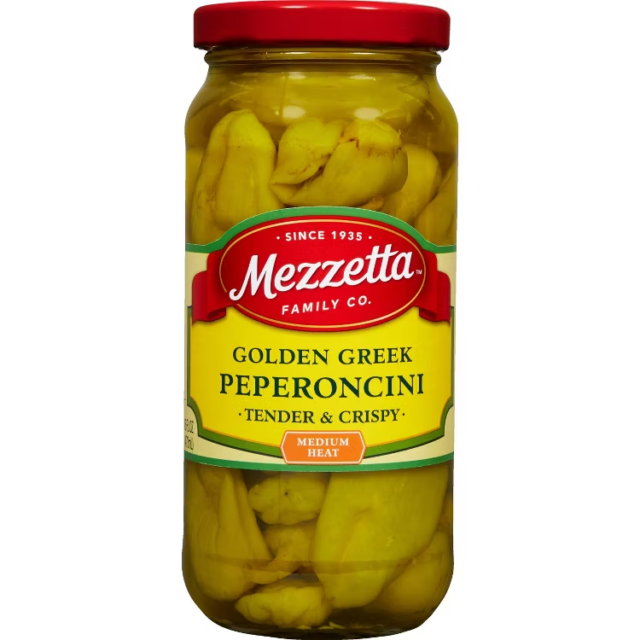
On Saturday, September 26, 2026, G. L. Mezzetta Inc. of American Canyon, California, announced a recall of one lot of Mezzetta Golden Greek Peperoncini, Medium Heat, in 32-ounce glass jars: SKU 10106328, Lot 720106. FDA posted the company’s announcement the same day under a headline that ends “Due to Presence of Pest Contaminant in the Jar.” The reason FDA lists is that the product “may contain foreign objects such as Pest contaminant in jar.” The company says it has received no reports of illness or injury.
The announcement never says what the pest was. The video that started this does. On September 16, a consumer posted a series of TikTok videos showing what she described as a dead baby mouse in a jar of Mezzetta peperoncini she had opened while making a Mississippi-style pot roast. She tagged the company. In a later video she said she had contacted the store where she bought the jar, an attorney and poison control. CBS News, Gray Television stations and others reported on the videos; CBS said Mezzetta did not respond to its request for comment.
Ten days after the first video, the recall notice went up on FDA’s website. The notice describes the company’s response under a bold heading: “We Moved Quickly.” I will leave the adverb to readers and stick to the dates. Video: September 16. Recall: September 26. The FDA page also carries a note that the company “updated the product information on September 26, 2026 in order to accurately reflect the recalled item.” The notice does not say what was wrong the first time.
What was recalled
What the notice does not say
FDA has told companies what a recall warning should contain. Its February 2019 guidance, Public Warning and Notification of Recalls Under 21 CFR Part 7, Subpart C, recommends images of the product; lot numbers and packaging details; the geographic areas and dates of distribution; a thorough description of the defect, the health hazard and the reason for the recall; the number and nature of complaints; instructions to consumers; and the company’s contact information. Measured against that list, the Mezzetta notice comes up short on nearly every count.
The notice also tells us, by omission, how the company learned of the problem. It did not learn from its SQF audit, its HACCP plan or its pest-control program. It learned from a customer with a phone. I do not write that to score a point. The company chose to put those programs in its recall notice as reassurance, and the sequence of events is what it is.
A mouse in a jar is adulteration, whether or not anyone gets sick
The Federal Food, Drug, and Cosmetic Act does not wait for an illness. Under 21 U.S.C. § 342(a)(3), a food is adulterated if it “consists in whole or in part of any filthy, putrid, or decomposed substance, or if it is otherwise unfit for food.” Under § 342(a)(4), it is adulterated if it “has been prepared, packed, or held under insanitary conditions whereby it may have become contaminated with filth.” FDA’s Current Good Manufacturing Practice regulation is blunter: “Pests must not be allowed in any area of a food plant,” and “[e]ffective measures must be taken to exclude pests from the manufacturing, processing, packing, and holding areas and to protect against the contamination of food on the premises by pests.” 21 CFR 117.35(c).
A rodent in a jar of acidified peppers raises the questions any investigator would ask. Was the vacuum seal intact when the consumer opened the jar? Was the animal in the jar before the brine and the cap, or did it get there afterward? What do the pest-control logs, the line-clearance records and the fill-and-cap records for Lot 720106 show? Were other jars from the same lot and the same fill window pulled and inspected? The company says it is reviewing “the relevant production, sanitation and food-safety records.” Good. It should tell the public what it finds.
FDA has not yet classified this recall. When it does, the classification, the quantity and the distribution pattern will show up in FDA’s weekly Enforcement Report, which is where those facts usually surface: weeks after the announcement, when they no longer help anyone standing in a grocery aisle. FDA’s November 2020 guidanceon retail consignee lists reserves them mostly for foods that cannot be identified from their packaging; USDA’s Food Safety and Inspection Service posts retail distribution lists for its recalls as a matter of routine. A lot code on a jar should not be the reason consumers are left to guess which stores sold it.
What you should do
Questions for Mezzetta and FDA
“For generations, families have trusted Mezzetta products on their tables,” the notice begins. Trust is earned with facts. Tell people what was in the jar, where the jars went and what the records show. That is what a recall notice is for.