Просмотр новости
Найдите то, что Вас интересует
 Спутники
 РН
РН SpaceX
 Роскосмос
 NASA
NASA
СпутникиРНSpaceXРоскосмосNASAExplore what The Estée Lauder Companies said about TikTok Shop, Ulta Beauty and Amazon sales, and how Favorite Daughter sold $2 million in a day with 25 creators, from Shoptalk Fall 2026 Day 1.
The post Shoptalk Fall 2026: Day One—Hearing from Amazon, Anthropic and Ulta as Brands Prepare for AI-Led Discovery appeared first on Coresight Research.
Coresight Research is a research partner of Shoptalk Fall 2026, taking place September 29–October 1 at the Music City Center in Nashville, Tennessee.
The sessions at Shoptalk Fall 2026 are categorized into three major themes, which we presented in our guide to the event:
In this report, we present highlights from Day 1, which mainly covered the topics of agentic commerce, omnichannel discovery, creator-led marketing, marketplaces and evolving store roles.
Shoptalk Fall 2026 Day One: Coresight Research Analysis1. Estée Lauder Cos. Ties Ulta, Amazon Spike to TikTok ShopSales at Ulta Beauty and Amazon spiked within 14 hours of Super Brand Day, a seven-day TikTok Shop campaign for Clinique, said Tara Simon, President, The Americas at The Estée Lauder Companies. The campaign was for Clinique’s Black Honey, the top-selling lipstick shade in the U.S. In her view, a shopper may discover a product on TikTok Shop, try it at Sephora, Ulta or Macy’s and check reviews on Amazon, so transactions happen on every channel. She called TikTok Shop a marketing tool and called talks with retail partners about it and Amazon sensitive. “We’re nothing without our retail partners,” she added. Also on stage was Lisa Sequino, President, Makeup Cluster at The Estée Lauder Companies.
The MAC Cosmetics launch at Sephora, in February, took nine months, against the 18 to 24 months such a launch usually takes at any retailer, Simon said. The company set aside its usual rules and asked what would have to be true for the launch to work. The first of three factors was getting the right people together to agree the deal, and both companies needed to sell more makeup. The executives called MAC the world’s number one makeup brand. Sequino added that MAC now moves faster. For the Saturday launch, the team approached a person on Thursday to represent MAC at its Times Square store, shot him on Friday and put him on a billboard, and large crowds came to the store.
The company launched Bobbi Brown on Amazon earlier this year, Sequino said. Six of the company’s brands have reached more than a billion dollars in sales, and The Ordinary is about to join them, she added.
We note that MAC net sales rose on shipments for the Sephora launch while makeup net sales stayed virtually flat for the year to June 30, 2026, according to The Estée Lauder Companies’ results, which suggests that the brand outperformed the overall company.
2. Favorite Daughter Sells $2 Million in a Day via 25 CreatorsWomen’s fashion brand Favorite Daughter sold $2 million on National Daughter’s Day (Sept. 25), its biggest day ever and up 100% year over year, according to the company. The day is a play on the brand name and the one day a year the whole site is 25% off, with no exclusions, said Sara Foster, Co-Founder and Co-CEO at Favorite Daughter. The company started building demand in August, working with creators formally for the first time, and 25 creators went live that morning. Favorite Daughter was the only brand to claim the day, which showed the creator approach works, according to Foster. A mother in Dallas with 60,000 followers sells more than a celebrity with 80 million, added Jennifer Stender Hawkins, who spoke with Foster.
The collection is 60% of the business, Foster said. Wholesale helped, according to Stender Hawkins: a direct-to-consumer start-up cannot meet minimum order sizes for a full collection, and orders from Nordstrom and Anthro made one possible from the start. With customer acquisition now expensive, the company also relies on retail partners to help shoppers find the brand. Its shoppers skew 25 to 34, followed by 34 to 44, against 40 to 60 for the typical contemporary customer, so retail partners like the younger shopper it brings to their stores.
Content: The brand’s customer listens to its podcast, watches the shows it produces, including Nobody Wants This on Netflix, and buys the consumer brands it invests in through Oversubscribed Ventures, Foster and Stender Hawkins said. Stender Hawkins ranked having a creator on staff above almost everything else and added that the company produces 10 to 15 new videos every week.
AI: Favorite Daughter wants AI assistants to recommend it rather than list it among many and hopes the answer will be “That’s the one you have to have,” Foster and Stender Hawkins said. The Aviator Nation team asked Claude about its brand and got a description of a sports partnership brand, not its origin story. In their view, that shows brands need to control what is written about them, including how they want to be discovered and recommended in LLMs.
Stores: Favorite Daughter will open many more stores, and new categories are coming, starting with handbags and followed by sleep, Stender Hawkins said. Stores help win customers and could double as small warehouses, since shipping across the country is slow and difficult. On the eve of National Daughter’s Day, the company held its first owned live shopping event, in its store. It will do $150 million in retail sales this year, she added.
3. Anthropic Says Retailers Can Build Agents in Under an HourParinaz Firozi, Head of Growth and Agentic Commerce Partnerships at Anthropic, said retailers and brands can build their own agents on Claude Commerce Agents, an open-source platform that costs nothing. Merchants can copy the code repository and adapt it, and the platform works with any protocol, payment type or cloud provider. A Wix agent was running within 15 minutes, and Firozi said other setups also finish within one hour. Getting to production takes one to two weeks, against months before.
The product is aimed at businesses. Firozi said large merchants such as Shopify, Amazon and Priceline are building AI experiences that reach beyond the shopper-facing chatbot into the back end, including live inventory and price changes. Anthropic already works with all three on their agentic products, such as Alexa+. It wants the platform to be simple, free and open to every merchant on both the shopper and back-end sides, and store staff can use it to answer questions.
Firozi named three foundations for trust in agentic commerce: privacy, accuracy and freedom from bias. Conversations between a user and the agent stay private, and retailers share responsibility for accuracy, since models should not hallucinate. She stated that freedom from bias matters most: Claude carries no ads, and no retailer can pay for a better ranking. Anthropic does not seek or take advertiser money, unlike its peers, and earns revenue from subscriptions, APIs and companies building on its models. According to Firozi, ads do not belong in a trusted setting and selling against a conversation about someone’s sleep problems, for example, would erode trust.
Anthropic’s Advice for Retailers
For retailers that want AI agents to find their products, Firozi highlighted three basic but important steps. First, let agents onto the website, which means content delivery networks and robots.txt files must allow them; second, write product descriptions in HTML; third, keep information as current as possible. Anthropic indexes and trains on the data retailers expose, and more qualifiers on a product detail page help Claude infer what a shopper wants.
Claude serves as an intelligence layer and does not own the merchant relationship: it gathers information, then the shopper deals with the retailer, and Anthropic does not want to disintermediate merchants, Firozi said. Claude holds high-intent information about its users, which lets it give more relevant answers than a search engine. A person who searches for new shoes may already have told Claude a fair amount about themselves, and a request to redo a guest bedroom around one color opens a wider conversation about what the person wants.
Shoppers would let an agent buy routine, repeat items such as groceries, Firozi said, and would also hand it choices among many options, such as a mattress for a guest bedroom. People still like to shop and want a hand in expensive purchases. Agents today keep a person in the loop, and merchants welcome that sales still go through while shoppers get used to agents.
Agents can lift basket size by suggesting extra items, such as the mirror a guest-bedroom shopper had not thought to order, and they can upsell. They can also settle doubts about fit and match, a reason shoppers drop off. Real-time pricing and supply chain data can raise GMV, so retailers do not leave money on the table.
Anthropic’s model family includes Haiku, Sonnet, Opus and Fable, and retailers can ask Claude which one suits them, Firozi said. Anthropic launched Sonnet 5.5 the previous day at a lower cost than Opus, and prices are falling as capability rises. She said it had been unclear whether agentic commerce, or demand for it, was real, that new modalities over the past six weeks showed it is not hype, and that it will change further and take a larger share of B2B and B2C commerce.
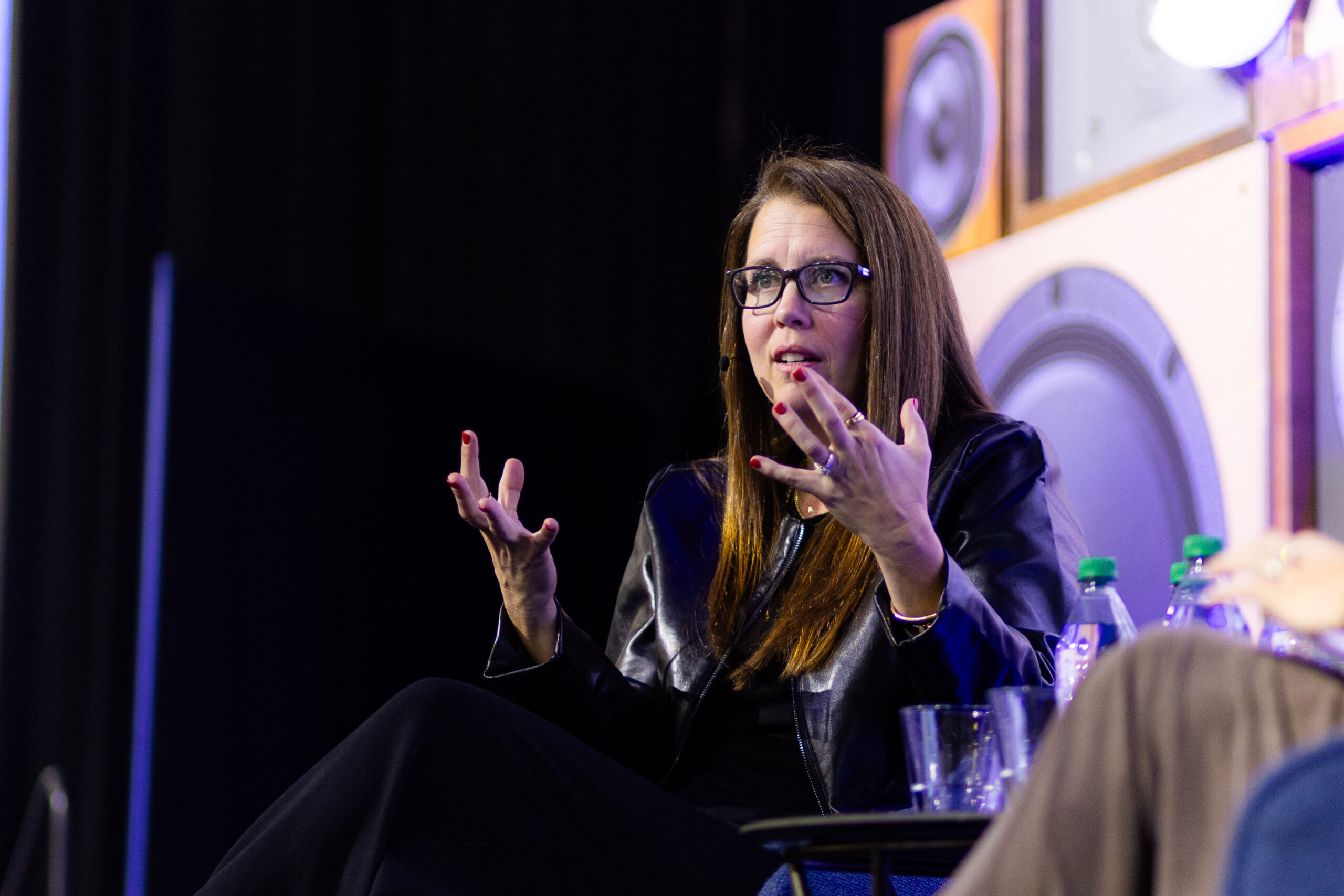
AWS and Anthropic highlighted agentic commerce as one of the defining retail technology shifts through 2027, alongside AI-ready infrastructure, supply-chain resilience and enterprise AI assistants. Justin Honaman, Global Head, Retail, Restaurants & Consumer Goods Business Development, AWS, outlined the evolution from personalization and predictive commerce toward agent-driven shopping experiences, citing examples including Amazon’s Agentic Shopping Assistant, “Buy for Me,” agent-powered advertising and Amazon Quick.
Firozi emphasized that retailers have three pathways to participate in agentic commerce: through AI-native surfaces, AI agents operating on the open web, or retailer-owned agents within their own apps. Anthropic’s Claude Commerce Agents are designed to help retailers build their own AI shopping agents while retaining ownership of checkout and customer relationships.
Retailers seek AI benefits without customer disintermediationA central tension discussed was retailers’ concern that AI agents could weaken direct customer relationships. Firozi noted that merchants face a “damned if you do, damned if you don’t” moment, balancing the need to participate in AI-driven commerce with the risk of losing control of the customer journey.
Anthropic’s approach is focused on enabling retailers rather than replacing them. Firozi stated: “We don’t want to disintermediate the merchant,” emphasizing that retailers should continue owning key customer touchpoints while agents transact on consumers’ behalf.
AI adoption depends on data, governance and organizational readinessThe discussion highlighted that AI success will depend less on individual models and more on retailer capabilities. Honaman noted that “the pendulum is swinging back to capabilities, not tech or model,” as retailers focus on practical implementation.
Data modernization, cybersecurity and governance remain major priorities. Retailers need connected data across ecommerce, stores and supply chains to make AI effective, while also addressing concerns around security and access.
Human adoption remains a critical challengeSpeakers highlighted workforce concerns as a barrier to AI adoption. Honaman shared that some retailers are enthusiastic about AI but face employee resistance due to fears around job displacement. The panel emphasized that retailers would need to build new AI-related capabilities and roles while helping employees understand how AI can augment their work.
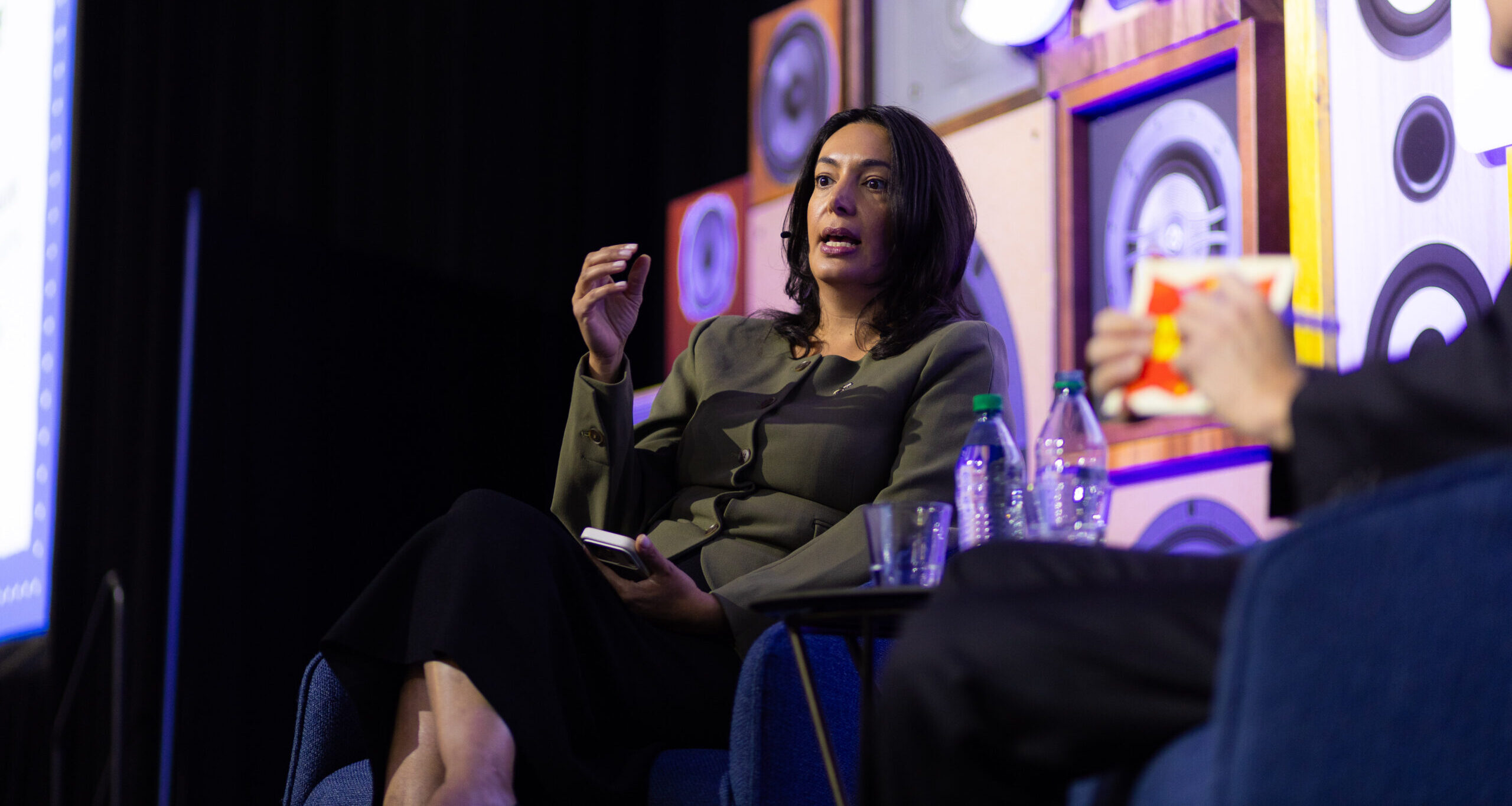
4. Amazon Prime’s Next Evolution: Building Everyday Value Through Convenience, Scale and FrequencyAmazon Prime is evolving beyond a traditional subscription offering into a broader ecosystem designed around three consumer priorities: savings, convenience and entertainment. Jamil Ghani, Worldwide Head of Prime at Amazon, described Prime as a way to remove friction from everyday life by helping consumers save money, save time and access experiences that add value.
Launched in 2005 with free two-day shipping on a limited assortment, Prime has expanded into a global offering with more than 200 million members across 27 countries, spanning commerce, video streaming, pharmacy and other services. Ghani emphasized that Prime is not designed as a loyalty program or loss leader, but as a financially sustainable model where increased customer engagement enables Amazon to reinvest in additional benefits.
Faster delivery expands Prime into everyday shopping missionsDelivery speed remains central to Prime’s value proposition, particularly as Amazon expands into higher-frequency categories such as groceries and perishables. Ghani noted that Amazon’s grocery growth has been driven by making everyday shopping more convenient and predictable.
Amazon reported that perishable item sales grew 50% in the first half of 2026, with 40% of that growth delivered same day or next day. Ghani emphasized that grocery success depends on three factors: solving a genuine customer need, operating at scale and maintaining financial sustainability.
He noted that everyday essentials — including items such as bananas, blueberries and household goods — become more valuable when customers can rely on predictable delivery without needing separate shopping trips.
Building long-term customer relationships from the first purchaseGhani challenged the traditional view that loyalty is something customers earn after repeated engagement. Instead, he argued that companies need to create value from the first interaction.
“Loyalty is you to the customer: day 1, purchase 1,” Ghani said, emphasizing that brands should begin earning trust immediately rather than placing benefits behind a loyalty threshold.
He also distinguished Prime from “breakage” models, where companies benefit when customers fail to use benefits such as points or memberships. According to Ghani, Prime’s objective is the opposite: increasing usage frequency by delivering enough value that customers want to use the service more often.
Scale enables broader value creationGhani highlighted that Prime’s model depends on the breadth and depth of Amazon’s marketplace. More than 60% of units sold on Amazon.com come from small and medium-sized businesses, allowing Prime customers access to a broad assortment while supporting marketplace growth..
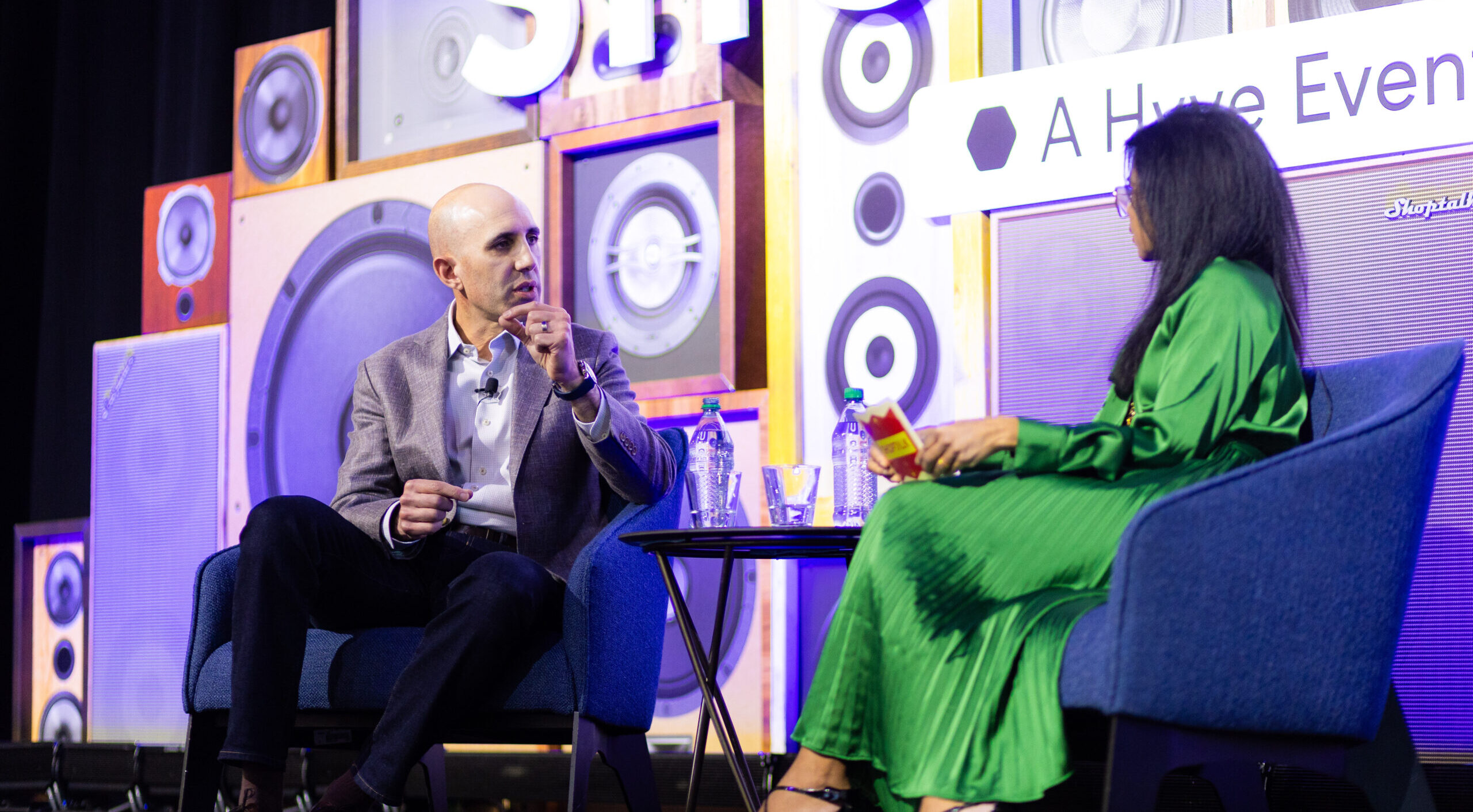
B2B marketplaces are becoming an increasingly important discovery and commerce channel as professional buyers bring consumer ecommerce expectations — including fast search, trusted checkout, broad availability and purchasing convenience — into workplace procurement. Brian Beck, Co-Founder, Master B2B, noted that platforms such as Amazon Business are increasingly functioning as search and discovery environments where buyers research products, compare options and make purchasing decisions.
Trent Guyer, VP, Marketing and Digital Strategy at Grasshopper Mowers, and Jared Abelson, Head of Digital Marketing and eCommerce at Simpson Strong-Tie, emphasized that succeeding on marketplaces requires more than simply uploading an existing product catalog. Manufacturers need to consider which products fit professional buying behavior, including appropriate pack sizes, business pricing, quantity discounts and detailed product information.
For technical categories such as those served by Simpson Strong-Tie, product data accuracy is especially important because buyers may be selecting components for construction projects or other operationally sensitive applications. Abelson emphasized that marketplace content is not only a conversion tool but also a critical resource for professional buyers making specification-driven decisions.
Manufacturers must balance marketplace growth with channel relationshipsMarketplace expansion creates a channel governance challenge for manufacturers with established dealer and distributor networks. Guyer explained that Grasshopper Mowers has approached marketplace participation by looking for incremental reach while continuing to support its authorized dealer network and service model.
The speakers emphasized the importance of understanding how products are already represented online, including identifying existing sellers, managing authorized listings and determining how marketplaces should complement — rather than undermine — existing channels.
Product content and marketplace execution become competitive differentiatorsThe panel stressed that B2B marketplace success depends on strong product data and professional-grade merchandising. Buyers require deeper specifications, accurate information and content designed around business purchasing needs rather than consumer browsing behavior.
For manufacturers, marketplace strategy requires clear ownership of product content, pricing, assortment decisions and seller policies. External marketplace specialists can support optimization, but companies still need internal alignment on what role marketplaces should play within their broader channel strategy.
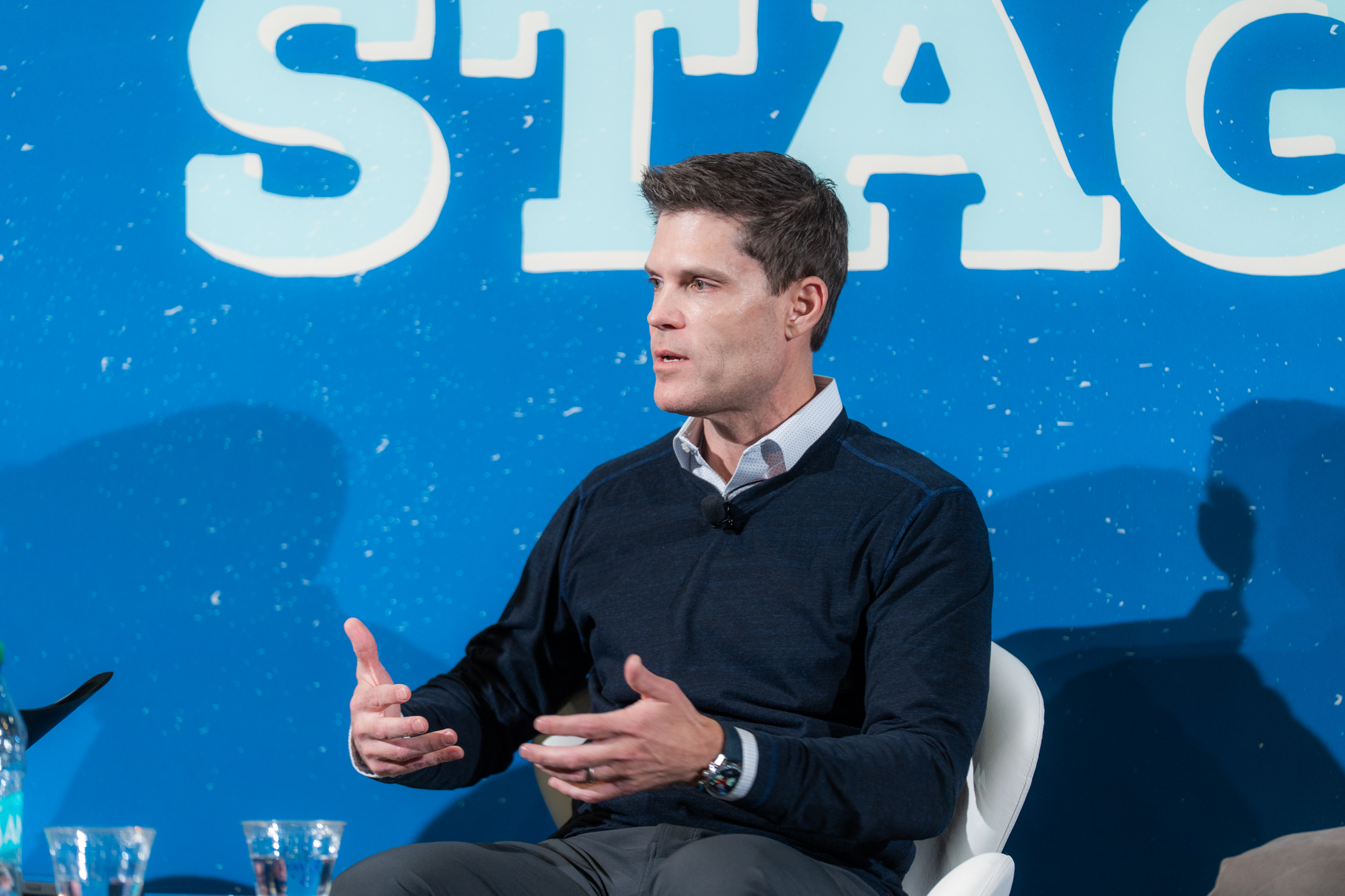
Brand storytelling is increasingly being built into the product-development process rather than added after a product is created. Michelle Crossan-Matos, Chief Brand & Experience Officer at SharkNinja, described a model where marketing, creative, engineering and consumer-insights teams work together early to identify consumer frustrations, design solutions and develop the product narrative simultaneously.
This approach supports a high launch cadence — approximately 25 products annually across around 40 categories — by ensuring each innovation addresses a clear consumer need and has a distinctive story. Crossan-Matos emphasized the role of in-home research, consumer observation and ratings and reviews in shaping both product decisions and launch strategies.
Creator ecosystems become a core storytelling engineCreators are increasingly becoming an embedded part of brand-building rather than a campaign tactic. Crossan-Matos said around 70% of Shark and Ninja content is creator-generated, supported by category-specific creator playbooks, tailored briefs and an always-on writers-room model that develops timely hooks and content ideas.
She cited the Ninja CREAMi as an example of creator-led momentum, with consumers generating recipes and use cases that helped drive approximately one billion impressions. The approach allows brands to build communities around products while enabling creators to tell stories in ways that feel native to their audiences.
Consumer-led channel strategies drive go-to-market decisionsBrands need to follow consumers across the channels where they choose to discover and purchase products. Crossan-Matos highlighted TikTok Shop, Amazon and direct-to-consumer channels as important commerce touchpoints, with the right mix depending on category and customer behavior.
The focus is not on directing consumers toward a preferred channel, but on ensuring marketing and commerce strategies align with actual purchasing journeys as those behaviors continue to evolve.
AI accelerates decision-making while preserving human insightAI is being applied to help marketing teams convert large volumes of consumer and channel data into faster action. Crossan-Matos described the use of agent-based tools and hybrid human-agent teams to create a more accessible source of insights across the organization.
However, AI is positioned as an enabler rather than a replacement for human understanding. In customer service, for example, AI helps agents access information and resolve issues faster, while human teams remain responsible for empathy and understanding individual customer needs.
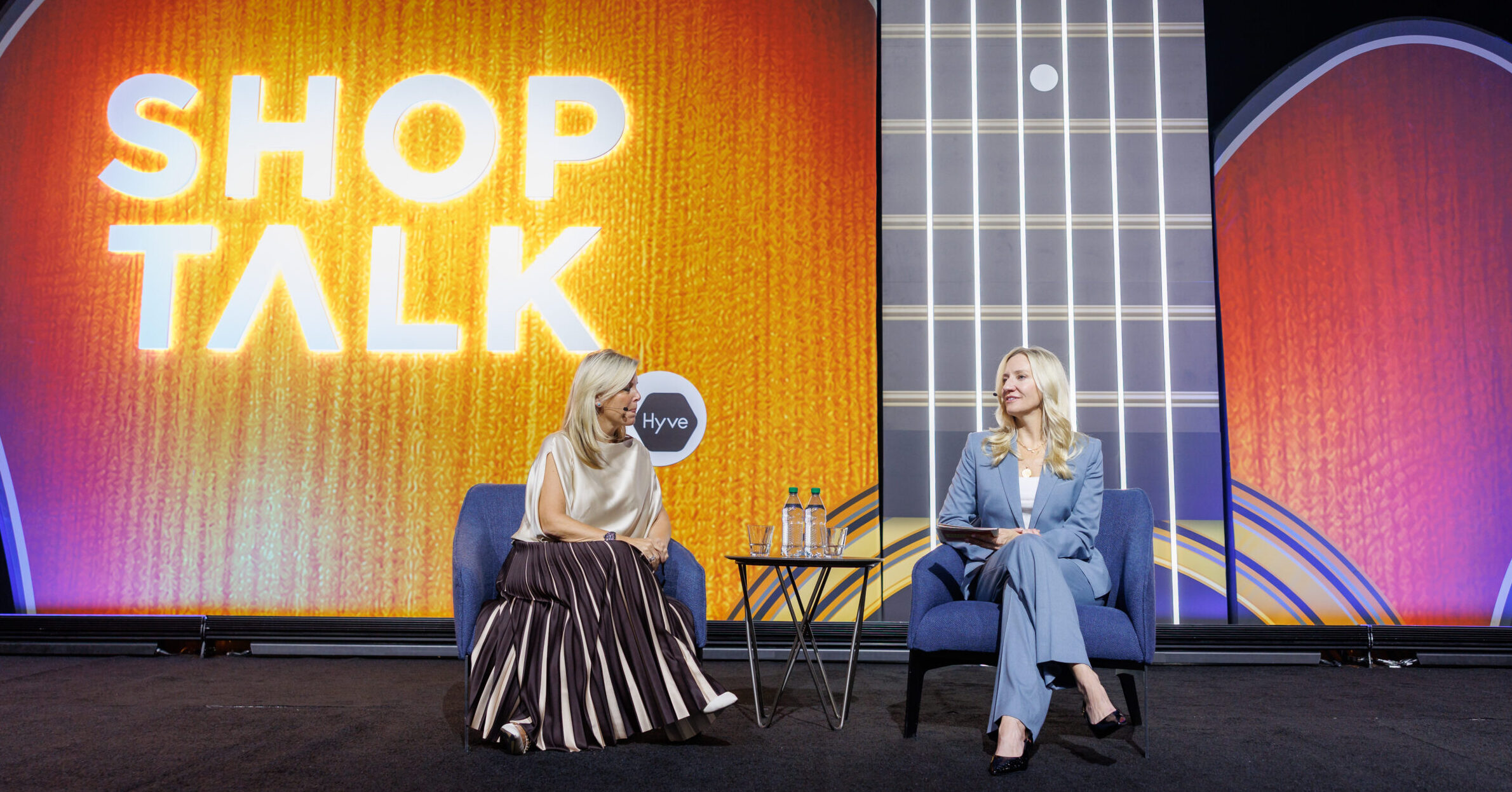
Brand growth increasingly depends on creating authentic connections rather than simply producing marketing content. J. Michael Prince, President & CEO of U.S. Polo Assn., described the company’s approach as building storytelling around the real sport of polo — including athletes, events, broadcasts and communities — rather than treating content as a separate advertising layer.
U.S. Polo Assn. has built an integrated brand ecosystem across live polo, ESPN broadcasts, social media, retail stores and ecommerce, with each touchpoint reinforcing the same sport-led identity. Prince stated that the business has grown from approximately $1 billion globally in 2018 to around $3 billion today, supported by expansion across physical and digital channels worldwide.
Balancing heritage with relevance for younger consumersPrince emphasized that maintaining brand DNA is critical as companies experiment with new content formats and consumer engagement strategies. While U.S. Polo Assn. continuously tests new ways to reach audiences, the sport, heritage and authenticity of the brand remain the guardrails.
The company’s strategy to engage younger consumers focuses on making polo more accessible and experiential through live events, social content, college programs and retail experiences. Prince positioned the sport as inspirational rather than distant, highlighting opportunities to introduce new audiences to polo through real participation and storytelling.
Creating an experiential brand ecosystem across channelsU.S. Polo Assn. views sport, media, retail and ecommerce as interconnected parts of a single customer journey. Prince described an ecosystem where consumers might discover the brand through an ESPN broadcast, attend a polo event, visit a store, purchase online and share experiences socially — with each interaction reinforcing the next.
The National Polo Center in Palm Beach was highlighted as an example of this approach, combining elite competition with hospitality, retail and social experiences. Prince emphasized that memorable experiences can strengthen emotional connections beyond the product itself.
Global expansion requires local adaptation within clear brand standardsAs U.S. Polo Assn. expands internationally, the company balances centralized brand control with local market adaptation. Prince highlighted India as a strategically important growth market due to its young population, expanding consumer base and growing retail and sports opportunities.
The company’s approach is to maintain consistent brand values globally while allowing regional partners to adapt execution based on local consumer preferences and cultural context.
AI adoption focuses on productivity without compromising authenticityU.S. Polo Assn. is taking a measured approach to AI adoption, using a “crawl-walk-jog-sprint” model to test applications before scaling them. Prince said the company is experimenting with multiple AI tools in controlled environments to identify where the technology can improve creative and operational workflows.
7. Physical Stores Evolve Into Experiential Hubs for Omnichannel GrowthAmiee Bayer-Thomas, Chief Retail Officer at Ulta Beauty, said stores account for roughly 80% of the company’s volume and fulfill more than 50% of e-commerce orders. Fulfillment runs through ship-from-store, buy online and pick up in store, and same-day delivery with partners such as DoorDash and Uber Eats. Ulta treats its stores as an engine of growth, not a fading legacy channel.
Channels: Bayer-Thomas cited Ulta research in which 78% of Gen Alpha respondents turn to online channels to find and research beauty and 77% head to a store to buy, try and keep exploring. Digital discovery therefore feeds stores instead of replacing them: a shopper may spot a product on TikTok Shop or another digital channel, then visit to touch, test, compare and buy, she said. She said retail is moving from transactional to experiential, because a purchase can happen anywhere and the physical space must offer something extra. Associates can ring up sales anywhere in the store on mobile point-of-sale devices, and apps and other tools help smooth the guest’s visit and reduce friction at checkout.
Services: Ulta offers salon services, ear piercing, brows, waxing and makeup application, and it hosts birthday parties in more than 400 stores, which customers have embraced, Bayer-Thomas said. Associates matter most, she said, because trained beauty enthusiasts help guests find products, walk through options and make the visit personal. In the latest quarter, Ulta ran approximately 40,000 in-store events with brand partners to introduce new products, trends and brand stories. Rivals cannot copy this simply by adding labor hours, she said, because it takes culture, operating discipline, associate expertise, service infrastructure, customer credibility and the scale to deliver across a big fleet.
Loyalty: Ulta combines data on approximately 47 million loyalty members, such as where they live and how they shop, with market-share figures to identify white space, and it sees room to grow beyond 1,800 stores, Bayer-Thomas said. A new store may enter an untapped market or strengthen Ulta’s presence in an existing one, and each decision begins with local demand for beauty and shopper behavior before turning to format, assortment and experiences, with care over location and store type.
Competition: Rising retailer interest in beauty is nothing new and keeps Ulta on its toes, Bayer-Thomas said, and the company responds by emphasizing what rivals find hard to replicate, not by mirroring another retailer’s assortment or presentation. Its assortment from low price to luxury means one shopper can pick up an inexpensive mascara and a luxury eyeliner in the same place, and loyalty offers value beyond price through experiences, knowledgeable associates and discovery. Consumers remain value-conscious, but beauty still serves as a small indulgence and as part of self-care and wellness, she said, and loyalty members as a group spent more than the year before while being pickier about where.
Fragrance is especially strong, Bayer-Thomas said, as customers build wardrobes of several scents for different occasions and younger shoppers and men join established beauty buyers. Hair care is also doing well across shampoo, conditioner, serums, scalp health and hair-health products, and she cited K-beauty and a blurring line between beauty and wellness, including sleep, relaxation, supplements and ingestibles. Makeup is flat rather than structurally weak and could rebound, particularly in eye makeup and glamorous looks drawn from the 1980s and 1990s.
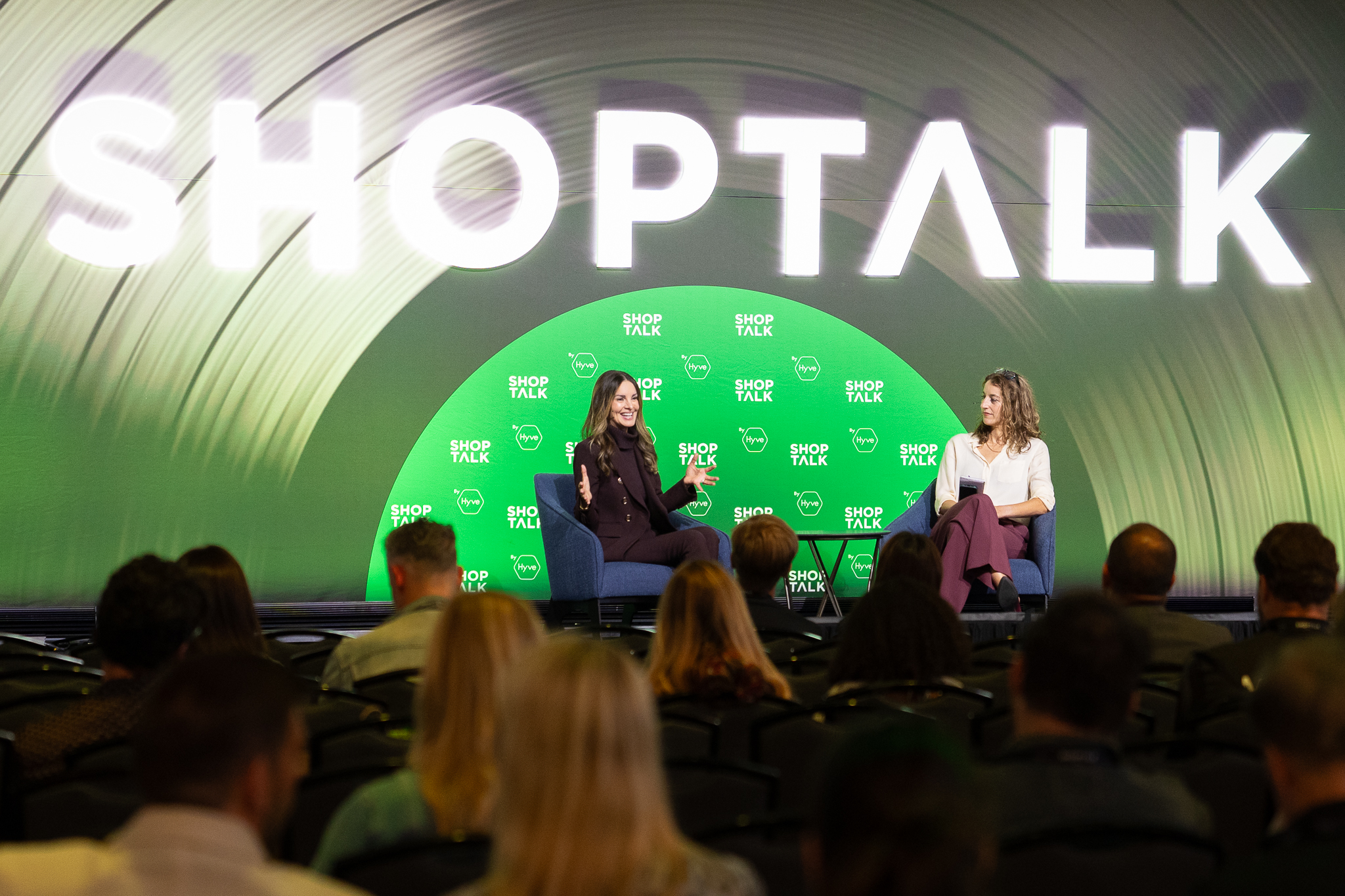
Today’s consumer is becoming more intentional and discerning, requiring brands to demonstrate clear value, functionality and trust rather than relying on broad demand generation. Suze Dowling, Co-Founder of Pattern Brands, and Chelsea Riggs, CEO and Founding Member of Amika, emphasized that consumers are still spending, but brands must earn each purchase by proving that products solve meaningful needs.
Dowling noted that Pattern Brands focuses on staying close to direct customer behavior rather than reacting to short-term market narratives. Through regular customer conversations combined with data and analytics, the company seeks to distinguish lasting behavioral shifts from temporary noise. Riggs similarly highlighted that Amika’s premium hair-care positioning depends on trust signals, including stylists, salon professionals, creators, retail associates and product performance.
The customer journey is increasingly nonlinearThe panel emphasized that shoppers move between discovery, education, replenishment and purchase moments in different ways depending on category and intent. Riggs explained that a branded search may indicate a customer has already received education elsewhere, making the priority a fast and frictionless purchase experience.
For discovery-led categories, brands need to invest in storytelling and expert guidance. For routine or replenishment purchases, convenience becomes more important. Both speakers stressed that brands must understand the customer’s intent at each stage rather than applying a single experience model across all interactions.
Trust and product experience drive retentionThe first purchase is a critical moment for building long-term customer relationships. Riggs described the initial product experience as an “audition” — if the product delivers results, the brand earns the opportunity to build a deeper routine and increase lifetime value.
For Amika, trust is built through a combination of product performance, professional expertise, creators and brand values. For Pattern Brands, Dowling emphasized that product function comes before aesthetics, with durability and everyday usefulness helping justify purchases in categories such as home goods.
Brands must balance convenience with meaningful experiencesThe panel discussed the tension between convenience and experience, noting that consumers will accept some friction when an experience provides meaningful value. However, expectations around reliability remain high. Both speakers noted that free shipping can often matter more than maximum delivery speed, provided expectations are clear.
The panel also emphasized the importance of curated choice. While broad assortments can create value, too many options on a product page can overwhelm shoppers and reduce conversion. The goal is to provide enough choice while helping consumers confidently identify the right product.
8. Adapting to Market Change Requires Speed, Local Relevance and Customer IntentLocal relevance drives growth in changing marketsSuccess in fast-changing markets requires companies to adapt their offerings, experiences and messaging around evolving customer behavior rather than relying on established assumptions. Kasturi Pal, WW Head of Marketing, Amazon International Shopping and Bazaar App, shared lessons from Amazon’s launch of Prime Shopping in Colombia, where the company found that customers already knew Amazon but primarily associated Prime with entertainment rather than shopping benefits.
Amazon adjusted its approach by focusing on local relevance and cultural moments, combining homepage takeovers, broad advertising, brand activations and local creator content. Pal emphasized that timing and cultural connection can matter more than speed, highlighting the importance of aligning campaigns with moments that resonate locally, such as major sporting events.
Building resilience through speed and clear prioritiesAdam Sinoway, VP, Global Supplier Operations at Wayfair, argued that companies often build plans based on versions of history they have already experienced, making them vulnerable to unexpected disruptions. Instead, he emphasized two principles for business durability: defining non-negotiables and building organizational speed.
Using Wayfair’s response to tariff changes as an example, Sinoway highlighted the importance of real-time reporting, daily communication and close supplier partnerships. The company relied on open supplier collaboration and rapid internal coordination to respond to uncertainty while reinforcing strategic relationships.
On AI adoption, Sinoway noted that Wayfair gives teams autonomy to identify and prioritize opportunities rather than relying solely on seniority-based decision-making. The company’s approach is focused on using AI to strengthen competitive advantages while remaining flexible as the technology continues to evolve.
Personalization requires understanding customer intent, not fixed segmentsJason Humphrey, Head of Ecommerce at AG Jeans, discussed how the brand is adapting its digital experience by recognizing that customers arrive with different motivations. Some shoppers seek denim expertise, others are drawn by new styles or trends, while others are exploring broader lifestyle products.
Through its partnership with Constructor, AG Jeans introduced behavioral personalization on its Shopify site and reported a 16% increase in conversion following the March launch. The platform allows the brand to adapt search results, product rankings, sale visibility and content based on customer behavior and visit context.
Humphrey emphasized that customers should not be treated as fixed segments. A returning denim customer looking for a new style may require a different experience from a first-time visitor seeking value or exploring the brand. Personalization should reflect current intent — including how customers arrive, navigate and leave the site.
Personalization Evolves From Data-Driven Targeting to Contextual Customer ExperiencesPersonalization is shifting from simply using customer data to creating experiences that reflect shoppers’ motivations, context and purchase journeys. Across luxury, media and retail, speakers emphasized that effective personalization should help customers discover relevant products, make confident decisions and build stronger brand relationships.
Berit Bauer, VP, Digital Site Merchandising & Operations at Target, emphasized that personalization must serve different shopping missions. Some customers want to quickly find essentials, while others are looking for inspiration and discovery. The challenge is balancing convenience with the ability to introduce shoppers to products they may not yet know they need.
Luxury brands use personalization to strengthen storytelling and trustPatrizia Ranzi, Head of Digital, Media & CRM, Americas at Dolce & Gabbana, discussed how brands should approach influencer marketing by focusing on audience relevance rather than creator follower counts alone. She emphasized using data to understand audience overlap, brand alignment and purchase intent.
Ranzi noted that AI can help identify meaningful buying signals within creator engagement. For example, comments asking where a product is available or how to purchase it provide stronger intent signals than general reactions or emojis.
For luxury brands, personalization should enhance the brand story rather than rely on discounts. Ranzi emphasized that brands have rich universes of stories, moods and experiences, and personalization should highlight relevant aspects of that story while maintaining brand identity.
Trusted curation helps consumers navigate choice overloadLindsay Horrigan, SVP, Consumer Growth Officer at Hearst Magazines, highlighted the growing importance of trusted curation as consumers face increasing amounts of information and product choice. Hearst’s role is to simplify decisions by providing expert recommendations tailored to different purchase journeys.
She noted that the level of curation depends on the category. For high-consideration purchases such as cars, consumers need research and guidance, while categories such as beauty may require trend awareness and inspiration. The goal is to provide enough choice without creating decision fatigue.
Hearst is also using insights across its portfolio of publications to build richer audience understanding. Horrigan cited examples where signals from different brands can reveal broader interests, such as a consumer interested in fashion content also showing potential interest in automotive purchases.
AI enhances personalization, but human judgment remains centralThe panel discussed AI’s role in improving personalization and operations while maintaining human creativity and expertise. At Hearst, AI has primarily supported operational improvements, including product recommendations and helping creators work more efficiently, while editorial voice and judgment remain core differentiators.
At Target, Bauer highlighted conversational commerce as an emerging opportunity, allowing shoppers to describe needs naturally rather than navigating traditional search structures. By combining conversational context with existing customer signals, retailers can better understand intent and surface relevant products.
Target’s Target Circle program, with 100 million members, provides valuable insights into customer preferences and serves not only as a promotional platform but also as a communication channel for delivering relevant experiences.