Вход на сайт

Просмотр новости

Найдите то, что Вас интересует

The Impact of Cardiac Rehabilitation on Psychosocial Factors, Functional Capacity, and Left Ventricular Function in Patients with Coronary Artery Disease: Systematic Review and Meta-Analysis [version 2; peer review: 2 approved, 2 approved with reservations]

Дата публикации: 25-06-2026 07:44:08

Background Cardiac rehabilitation is a multifaceted program implemented after adverse events. It aims at facilitating the return to normal life. This review aimed to examine the impact of cardiac rehabilitation on psychosocial risk factors, functional capacity, and left ventricular function. Methods The following databases: CINAHL, Scopus, PubMed, and Cochrane Library have been searched to retrieve the randomised controlled trials that investigate the effectiveness of cardiac rehabilitation versus usual care on anxiety, depression, peak oxygen consumption, six-minute walk distance, left ventricular ejection fraction, and left ventricular end-systolic and diastolic dimensions. Filters were set to retrieve trials published in the English Language between 2000 and 2024. Risk of bias was assessed using the Cochrane risk-of-bias tool (Rob2). Data were analysed meta-analytically. Results Twenty-two (22) trials were included, randomised 2283 participants. A significant improvement favouring intervention groups was observed in anxiety SMD = -0.3890 (95% CI: -0.5640 to -0.2140; p˂0.001), depression SMD = -0.4032 (95% CI: -0.7114 to -0.0950; p= 0.002), peak oxygen consumption MD = 1.2471 (95% CI: 0.3963 to 2.0979; p = 0.004), six-minute walk distance MD = 36.0290 (95% CI: 7.7497 to 64.3082; p = 0.013), and left ventricular ejection fraction MD = 3.0650 (95% CI: 1.1279 to 5.0022; p = 0.001), Although cardiac rehabilitation had no significant effect in decreasing left ventricular end-diastolic dimension MD = -0.0480 (95% CI: -0.2609 to 0.1648; p = 0.658) and left ventricular end-systolic and MD = -0.0670 (95% CI: -0.2829 to 0.1489; p = 0.543) a favourable trend toward intervention group was seen. Risk of bias was high in 1 study and unclear in 7 studies. Conclusion For patients with Coronary Artery Disease, cardiac rehabilitation demonstrated effectiveness in improving psychological symptoms such as anxiety and depression, functional capacity as measured by peak oxygen consumption and six-minute walk test, and left ventricular function.

Основное содержимое страницы с новостью.

Systematic Review

Revised

[version 2; peer review: 2 approved, 2 approved with reservations]

Ali Suleiman Harbi

https://orcid.org/0000-0002-3843-4846

1, Dr Kim Lam Soh1, Dr Putri Binti Yubbu

https://orcid.org/0000-0001-5477-9847

2, Kim Geok Soh3

Ali Suleiman Harbi

https://orcid.org/0000-0002-3843-4846

1, Dr Kim Lam Soh1, Dr Putri Binti Yubbu

https://orcid.org/0000-0001-5477-9847

2, Kim Geok Soh3

PUBLISHED 25 Jun 2026

Author details Author details

1 School of Nursing, Applied Science Private University, Amman, Jordan
2 Department of Pediatrics, Universiti Putra Malaysia, Serdang, Selangor, 43400, Malaysia
3 Department of Sport Studies, Universiti Putra Malaysia, Serdang, Selangor, 43400, Malaysia

Ali Suleiman Harbi
Roles: Conceptualization, Data Curation, Formal Analysis, Methodology, Writing – Original Draft Preparation

Dr Kim Lam Soh
Roles: Project Administration, Supervision, Writing – Review & Editing

Dr Putri Binti Yubbu
Roles: Conceptualization, Methodology

Kim Geok Soh
Roles: Investigation, Methodology, Validation

OPEN PEER REVIEW

REVIEWER STATUS

Corresponding author: Dr Kim Lam Soh Competing interests: No competing interests were disclosed.

Grant information: The author(s) declared that no grants were involved in supporting this work.

Copyright:  © 2026 Harbi AS et al. This is an open access article distributed under the terms of the Creative Commons Attribution License, which permits unrestricted use, distribution, and reproduction in any medium, provided the original work is properly cited. How to cite: Harbi AS, Soh DKL, Yubbu DPB and Soh KG. The Impact of Cardiac Rehabilitation on Psychosocial Factors, Functional Capacity, and Left Ventricular Function in Patients with Coronary Artery Disease: Systematic Review and Meta-Analysis [version 2; peer review: 2 approved, 2 approved with reservations]. F1000Research 2026, 13:575 (https://doi.org/10.12688/f1000research.151834.2) First published: 05 Jun 2024, 13:575 (https://doi.org/10.12688/f1000research.151834.1) Latest published: 25 Jun 2026, 13:575 (https://doi.org/10.12688/f1000research.151834.2)

Revised Amendments from Version 1

This version includes the addition of ORCID identifiers for two authors and an update to the institutional affiliation of one author to ensure accurate author metadata. The manuscript also underwent language revision to improve clarity, readability, and grammatical accuracy. No changes were made to the study design, methodology, data analysis, results, interpretation of findings, or conclusions. These revisions are administrative and editorial in nature and do not affect the scientific content or findings of the article.

To read any peer review reports and author responses for this article, follow the "read" links in the Open Peer Review table.

Introduction

Cardiovascular disease (CVD) remains the main cause of morbidity and mortality internationally, contributing to a significant health burden worldwide. Nearly 19 million deaths were associated with CVD in 2020, representing an 18.7% growth from 2010, and over 500 million individuals are affected by CVD. Coronary artery disease (CAD) is the most frequently encountered CVD and is associated with a decline in quality of life.1,2 Despite technological progression in CAD treatment, patients still experience subsequent cardiovascular events,3,4 resulting in frequent readmissions, and escalating the individual and social burden of CAD.5 Hence, presence of ongoing management after being diagnosed with CAD is vital.

Cardiac rehabilitation (CR) is a multifaceted program implemented after cardiac event. It aims to facilitate the return to normal life and improving exercise capacity.6 Cardiac rehabilitation includes health education, behavioural counselling, lifestyle management and exercise training.6 It is recommended to start the program early in-hospital (phase I) and then continue with (phase II and III) either in-home or centre-based program.7

The presence of psychosocial risk factors such as anxiety and depression disturb the prognosis of CAD.8–11 Studies have shown that depression and anxiety increase the risk of frequent cardiac events and cardiac and all-cause mortality in patients with CAD.11–13 Conversely, psychosocial well-being has been described as a protective factor.14 Psychosocial risk factors adversely affect cardiac outcomes, by contributing to unhealthy lifestyle and by diminishing the likelihood of successful modification of cardiac risk factors.15 They are also associated with decreased adherence to medical treatment and rehabilitation.15–17

As a major clinical outcome of CR, functional capacity is a key an indicator in secondary prevention of CVD.18 It refers to the capability of an individual to perform aerobic work.19 The coordinated performance of cardiovascular, pulmonary, and musculoskeletal systems determines an individual’s functional capacity.20 Several studies have reported that the evaluation of functional capacity offers essential diagnostic and prognostic information about patients with CVD.21 Therefore, it is important to assess the impact of CR on functional capacity. Functional capacity is frequently measured by exercise tests such as peak oxygen consumption (VO2peak) and the 6-minute walk test (6-MWT).22,23

The left ventricle is a core component of the cardiovascular system. The primary function of the left ventricle is to suplly other organs with blood flow. Maintaining sufficient blood supply requires effective contractility of the left ventricle. Patients with CAD may experience cardiac remodelling: a process defined as a group of alterations within the heart that lead to changes in the size, shape and function.24 The progression of cardiac remodelling may lead to severe left ventriculare impairment and chronic heart failure.25 Therefore, evaluation of the impact of CR on left ventricular function is very important.

Cardiac rehabilitation research is a dynamic field, and the emergence of new evidence comparing CR with usual care requires the synthesis of recent findings, appraisal of the expanding literature, and consideration of potential sources of heterogeneity. The aim of this systematic review and meta-analysis was to examine the impact of CR on psychosocial outcomes, functional capacity, and left ventricular function, including anxiety and depression, 6-minute walk test (6-MWT), peak oxygen uptake (VO2peak), left ventricular ejection fraction (LVEF), left ventricular end-diastolic dimension (LVEDD), and left ventricular end-systolic dimension (LVESD).

Methods
Search strategy

The current systematic review and meta-analysis adhered to the Preferred Reporting Items for Systematic Reviews and Meta-Analysis (PRISMA) guidelines.26 Two authors (ASH and PY) independently searched the following databases: PubMed, CINAHL, Scopus, Cochrane Library and EMBASE. Additionally, the references of included studies were manually searched to retrieve studies undetected in the primary search. Medical Subject Headings (MeSH) were used in the search process to retrieve the relevant studies. The filters were set to retrieve studies published in the English language between 2000 and 2024. The retrieved studies were checked primarily by titles for potential inclusion in this review, subsequently, those potentially included papers were checked by abstract and then full text for eligibility. Any conflict was resolved by discussion until consensus was reached, and the final decision about the included and excluded paper was made by the senior author (KLS).

Inclusion and exclusion criteria

This systematic review and meta-analysis included studies that met the following criteria: 1) randomized controlled trial; 2) examined the impact of CR on at least one outcome of interest; 3) involving patients with CAD aged ≥ 18 years; 4) the minimum follow-up duration of four weeks. studies that did not meet these criteria were excluded. In addition, studies with mixed populations (i.e., patients with CAD and patients with non-CAD) were excluded. The EndNote software (Endnote X9) was used to remove the duplicated articles, then a manual check was done.

Data extraction and analysis

A pre-set Microsoft Excel spreadsheet was prepared to record the extracted data. Two authors (ASH and PY) independently extracted the following data: first author’s name; year of publication; the location where the study was conducted; sample size and the number of participants in each group; percentage of each gender; intervention’s main components; duration of follow-up; populations’ diagnosis; the p-value for each comparison; and post-intervention means and standard deviations for each group.

The Population, Intervention, Comparator and Outcomes (PICO) framework was used to guide this review. The intended population encompassed patients with CAD, including those who were diagnosed with, myocardial infarction, and those who had undergone percutaneous intervention, or coronary artery bypass graft, The interventions considered were the home-based CR (HBCR) or centre-based CR (CBCR); The comparator group included patients receiving usual care or no cardiac rehabilitation, the outcomes of interest are: 1) psychosocial risk factors anxiety and depression; 2) functional capacity measured by VO2peak and 6-MWT; and 3) left ventricular function measured by left ventricular ejection fraction (LVEF), left ventricular end-diastolic dimension (LVEDD), and left ventricular end-systolic dimension (LVESD).

Data were analysed following the guidelines of the Cochrane Handbook for systematic reviews of interventions.27 Using Jamovi software (Jamovi 24.11). A random effect statistical model was applied. To estimate the effect of CR versus usual care, post-intervention between groups mean differences (MD) and standard deviations were used. Alternatively, standardised mean difference (SMD) was used in case the outcome was measured by different scales among the studies. Heterogeneity was tested using I2, whereby values of 25%, 50%, and 75% indicate low, moderate, and high heterogeneity, respectively. Hypothesis testing was performed at a two-tailed 0.05 level and a 95% CI. If I2 values showed high heterogeneity (I2 > 50%), sensitivity analysis was performed by using ‘leave-one-out approach, removing one study at a time and observing the impact on heterogeneity. Publication bias was assessed visually by a funnel plot and statistically by the Egger test. Subgroup analysis was performed based on the duration of follow-up (≥ 3 vs ˂ 3 months), and population average age (≥ 60 vs ˂ 60 years).

Risk of bias

Two authors (ASH and PY) independently assessed the risk of bias in the included studies. Version 2 of the Cochrane risk-of-bias tool for randomized trials (RoB 2) was employed to assess the risk of bias in the included trials.28 RoB 2 is structured into a set of domains of bias: (1 bias arising from the randomisation process; (2 bias due to deviations from intended interventions; (3 bias due to missing outcome data; (4 bias in the measurement of the outcome; (5 bias in the selection of the reported result. For each domain, a set of questions (signalling questions) is designed to guide the user in extracting information related to the risk of bias. Judgment regarding the risk of bias arising from each domain is made by an algorithm, based on answers to the signalling questions. Judgment can be ‘Low’ or ‘High’ risk of bias, or ‘some concerns’. the final decision about the risk of bias Judgment was made by the senior author (KLS).

Certainty of evidence assessment

The quality of evidence across the outcomes was assessed using the Grading of Recommendation Assessment, Development and Evaluation (GRADE) approach.29 GRADE has four levels of evidence: high, moderate, low, or very low. Based on GRADE guidelines RCTs are considered high-quality evidence, then they may be downgraded 1 or 2 levels based on the assessment of risk of bias, inconsistency, indirectness, imprecision, and publication bias for each outcome.

Results
Search results

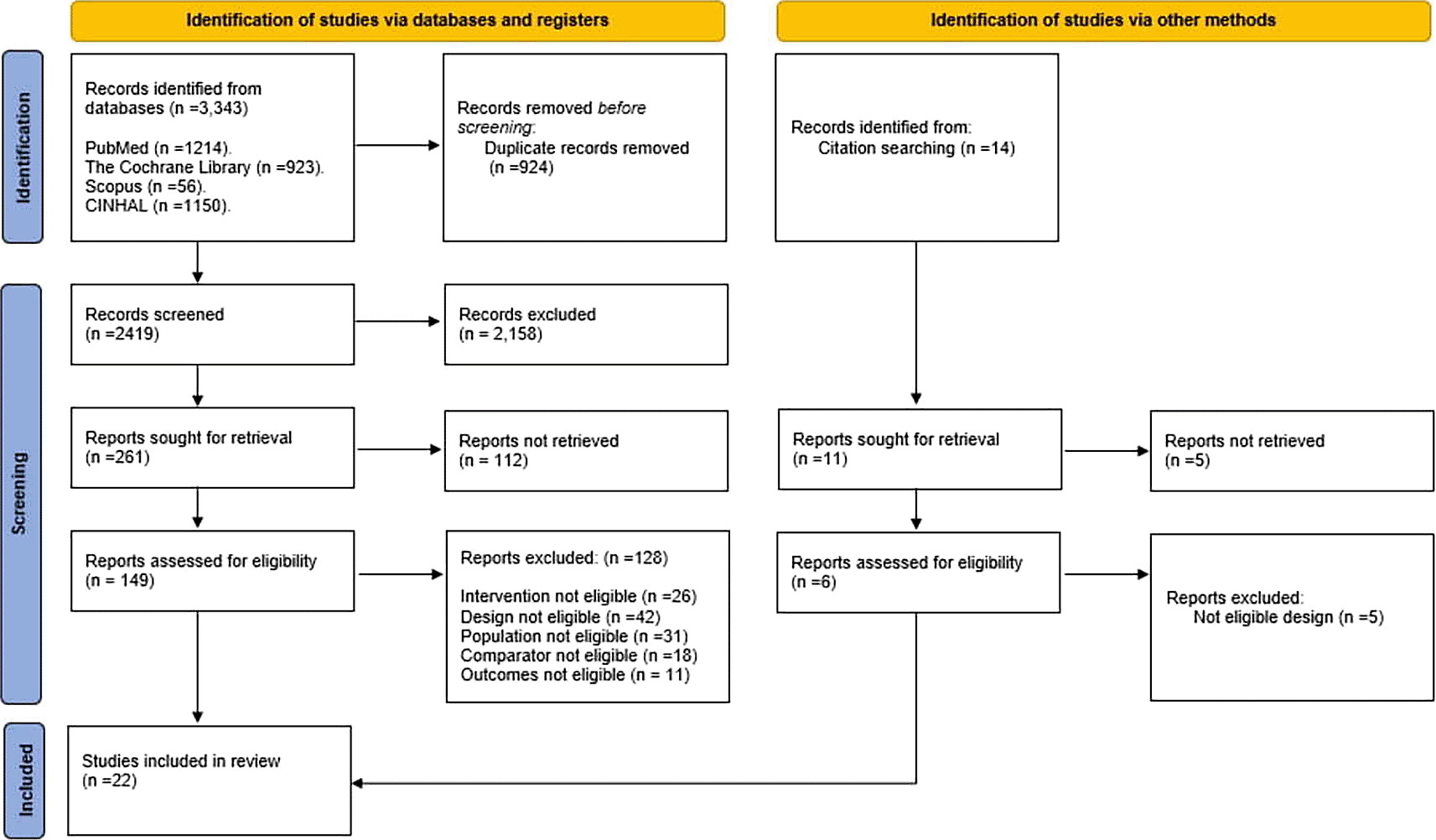
The preliminary search in the databases identified 3,357 studies. Duplicated articles were removed using the EndNote software. The remaining articles were screened by titles for potential inclusion. The retrieved articles were checked by reading the abstracts. After excluding the articles that did not meet the inclusion criteria. 95 articles were eligible for full-text reading. The final number of trials included in this review was 22 studies. The details of the search process are illustrated in Figure 1.
44d84a3f-4f0a-47f9-8e08-3381a95fb568_figure1.gif

Figure 1. PRISMA flow chart.
Characteristics of included studies

The present review included 22 RCTs conducted in 11 countries. Five studies were conducted in Iran, five in China, two in Portugal, two in Japan, and two in Denmark, while one study each was conducted in the USA, Brazil, Hong Kong, Turkey, Finland, and Indonesia. The included trials were published between 2003 and 2023. The studies randomised 2,283 participants, with 1,196 allocated to the intervention groups and 1,087 to the control group. Sample sizes ranged from 29 to 310 participants. The mean age of participants ranged from 40 to 85 years across studies. One study reported a high proportion of female participants (71.2%), whereas the remaining studies included mostly male participants with low female representation. Follow-up durations ranged from 4 weeks to 12 months. Table 1 illustrates the studies’ characteristics.

Table 1. Characteristics of included studies.
Authors Year countrySample size Age year Follow-up durationPopulationIntervention main componentsOutcomes Between groups p value
Exp Cont
Female (%)
(Sharif et al., 2012)
Iran.
4040 40-702- monthpatients scheduled for CABGTwo sessions/week 2 hours each of education and training include:
  • • Medication.

  • • Diet.

  • • Weight control.

  • • Stress management.

  • • Quitting smoking.

  • • Light physical exercise

  • • Relaxation.

Anxiety0.079
(70%)Depression0.014
(Snoek et al., 2021)
Finland.
586060-5912- monthPatients with CAD
  • • Remote monitoring and coaching using a smartphone and Bluetooth-connected heart rate belt.

  • • The device records training mode, training time and training intensity.

  • • Participants were advised to exercise at least 30 min/day for 5 days/week.

  • • Participants had insight into their training history through an individual webpage.

  • • A standard operating procedure, composed with a psychologist, was used for the individual coaching.

  • • They were contacted weekly by telephone for supportive guidance.

Anxiety0.11
NPDepression0.24
Vo2peak0.74
(Xu et al., 2016)
China
262655.5-55.84-weekPatients with CAD1-Inpatient phase for 1 week,
  • • Casual limb movements while in bed and simple walk training.

  • • Energy expenditure estimated at 2 to 4 (METs).

  • • Intensity targeted 4 and 5 perceived exertion Borg (PEB) scale rating.

  • • Reach 60% (HRmax).

2-Outpatient phase for 4 weeks
  • • A 5-minute warm-up (stretching), 20-minute aerobic exercise (walking or jogging, gymnastics), and a 5-minute cool-down (stretching).

  • • Brochure that included information about cardiac disease, risk factor management, the importance of exercise, dietary advice, psychological support, and compliance with medication.

  • • Phone interview 1/week.

LVEF0.315
(15.4%)
(Abtahi et al., 2017)
Iran,
252553.6-53.768-weekPost-PCI patients
  • • Three sessions/week, 1hour Each.

  • • A warm-up (10 minutes), and 40 minutes of aerobic exercise training,10 minutes cooling down and finished by relaxation.

  • • 40-60% of HRmax.

  • • 2- Educated about risk factors, stress reduction methods, smoking cessation, body weight control, psychological, and nutritional.

LVESD0.004
(42%0LVEDD>0.05
LVEF<0.001
(Yu et al., 2004)
Hong Kong,
1818863.7-63.98-weekPatients after AMI or elective PCIThree phases:
  • • Phase 1: inpatient ambulating program lasted for 7 to 14 days.

  • • Phase 2: twice-weekly outpatient exercise and education program lasting for 8 weeks, 1 hour of education class followed by 2 hours of exercise training.

  • • Phase 3: home exercise program lasted 6 months consisted of daily walking exercise for at least 60 minutes after warm-up exercise.

LVESD˂0.05
(25%)LVEDDns
LVEFns
(Oliveira et al., 2014)
Portugal.
394454.6-58.68-weekPatients after AMI
  • • Three sessions/week 40-minute each (10 minutes of warm-up, 30 minutes of aerobic exercise on a cycle ergometer or treadmill).

  • • 70%-85% of HRmax.

  • • Regular appointments with a cardiologist.

  • • medication optimisation.

Vo2peak0.024
(16.4%)
(Noites et al., 2017)
Portugal
161662.5-59.58-weekPatients after AMI
  • • three sessions/week. 70-85 minutes each include warm-up and cool down.

  • • 60-70 % of HRmax.

  • • moderate-intensity workout.

Vo2peak0.02
(21.9%)
(Zhao et al., 2022)
China
302960.9512-weekPatients with CAD
  • • Six to seven sessions/week, 40–60 minute each.

  • • Included upper and lower extremities, breathing, self-massage, and whole-body exercises.

  • • Moderate-intensity

Vo2peak<0.05
(71.2%)
(Kulcu et al., 2007)
Turkey
232185.3-60.48-weekPatients with CAD
  • • Three sessions/week, 1 hour each.

  • • Treadmill walking with adjusted speed and inclination.

  • • 60-70 % of HRmax.

  • • Every training session began and ended with 5 min warm-up cool-down periods.

Vo2peak0.001
(27.2 %)Anxiety0.034
Depression0.004
(Soleimannejad et al., 2014)
Iran.
737358-56.78-weekPatients with CAD
  • • Phase I: (Inpatient): Lasted 7-14 days, initiated after PCI.

  • • Phase II (Outpatient Exercise and Education): Conducted three times weekly, lasting 2-3 months. each session comprised one hour of education followed by two hours of exercise training.

  • • Electrocardiography (ECG) monitoring during exercise sessions.

  • • Phase III (Community-based Home Exercise): Implemented between six and twelve months.

  • • Phase IV (Long-term Follow-up): Extended until the end of the second post-PCI year. emphasised the importance of regular exercise and risk factor modification.

LVESD0.070
(31.5%)LVEDD0.571
LVEF0.006
(Cao et al., 2021)
China
241061.78-weekpatients after PCI
  • • Three sessions/week, 30 minutes each.

  • • Targeted intensity individually determined based on the HR recorded 1 minute before the threshold of anaerobic ventilation during CPET examination (70–80%) of HRmax.

  • • 5 minutes warm-up, Gradual intensity increase over 20 minutes, 5 minutes cool down.

Vo2peak0.009
(26.4%)
(Seki et al., 2003)
Japan
201869.3-70.16-monthPatients with CAD
  • • Physical exercise and educational components

  • • Warm-Up Exercises (Approximately 20 Minutes)

  • • Upright Aerobic and Dynamic Exercise (20–30 Minutes)

  • • Cool-Down (Approximately 20 Minutes)

  • • Dietary and Educational Program.

Vo2peak<0.05
(0%)Anxiety<0.01
DepressionNS
(Ma et al., 2020)
China
15015063.1-62.812-monthPatients post- CABG
  • • CAD-related health education (Once a week (2 months), each lasting about 60 minutes, covering basic CAD knowledge and post-discharge rehabilitation management.

  • • Exercise guidance and surveillance (once a month for 10 months), 60 to 90 min each time; (3) frequency: 3 to 5 times per week; (4) intensity: fairly light to somewhat hard (11–13 on Borg scale).

  • • Risk factor control (once a month for 10 months).

  • • Psychological nursing (once a month for 10 months).

Anxiety<0.001
(21.3%)Depression<0.001
(Basati et al., 2012)
Iran
151451.7-598-weekPatients Post-PCI
  • • Three session/week, 60-90 minutes each and included 10-20 minutes of warm-up followed by 20-40 minutes of aerobic exercise and a final 10-minute cool-down. In addition, there was a 20-minute relaxation at the end of each session.

  • • 60-85% of HRmax.

  • • (HR) achieved on the exercise test.

  • • Psychological, nutritional, and smoking cessation consultations.

LVEDD0.001
(0%)LVESDNS
LVEF0.001
(Peixoto et al., 2015)
Brazil
454356.8-5630-dayPatients Post-PCI Stage I: Early Mobilization Post-AMI
  • • Begins 12 hours after AMI, conducted twice daily during the inpatient phase.

  • • Starts at 2 METs and progressively increases to 4 METs.

  • • Educational Program covers information about cardiac diagnosis, sexual activity, exercise continuation, nutritional advice, and pharmacological regimen adherence.

Stage II: Unsupervised Progressive Exercise
  • • 4 times a week for 4 weeks following hospital discharge.

  • • Endurance Training Period:

  • • First week: Starts with a walking time of 20 minutes.

  • • Second week: Increases to 25 minutes.

  • • Third week: increases to 30-35 minutes.

  • • Fourth week: Reaches 35-40 minutes.

  • • Cool-Down Period (5 minutes).

6MWD<0.001
(29.5%)
(Ma et al., 2021) China707065.2/65.112-monthPatients post-CABG
  • • Health Education: once weekly focusing on topics such as post-CABG medicine management, risk factor management, and secondary prevention.

  • • Rehabilitation Guidance: Includes aerobic, resistance, flexibility, and balance training guidance delivered weekly through video courses.

  • • Exercise Supervision: Individualised exercise prescriptions based on pre-discharge evaluations

  • • Psychological Care: twice weekly personal nurse-led counseling sessions via video call to address mental health and emotional support.

Anxiety0.034
(21%)Depression0.048
(Højskov et al., 2019)
Denmark
15215865-65.14-weekPatients post-CABGPhysical Exercise Component
  • • At admission: Included respiratory physiotherapy and aerobic training.

  • • Post-hospital discharge (up to 4 weeks post-CABG): Involved continuous daily walking, muscle strengthening, and

  • • Endurance exercises.

Psycho-educational Component
  • • Mindfulness practices were a key element, offered as a set of recorded meditation instructions.

Anxiety0.2
(14%)Depression0.04
(Dwiputra et al., 2023)
Indonesia,
444356.3-57.26-weekPatients post- CABGResistance Training: 2-3 sessions/week
Aerobic Training: Participants walked as quickly as possible for 6 minutes on a 45-meter walkway, with allowances to slow down, stop, and rest as needed.
6mwt0.033
11%
(Nishitani-Yokoyama et al., 2018)
Japan
181458-598- monthPatients with CAD
  • • Warm-Up: Begins with stretching exercises to prepare muscles and joints.

  • • Aerobic Exercise: Includes cycling, treadmill walking, and in-room track walking for about 20 minutes.

  • • Intensity tailored to individual anaerobic threshold or Borg’s scale rating.

  • • Cool Down: Follows aerobic exercise to gradually lower heart rate.

  • • Schedule: Conducted once daily in the hospital.

  • • Additional Components:

  • • Dietary Recommendations: Follow American Heart Association's phase II diet.

  • • Educational Program: Provided by physicians, nurses, and dietitians, covering CAD and risk factors.

Vo2peakNS
(6%)
(Ghashghaei et al., 2012)
Iran.
171562-58.52-monthPatients post- CABG
  • • A combination of aerobic and resistance exercise training.

  • • 24 supervised sessions, 90 minutes each,

  • • intensity was set between 60-85% of maximum heart rate.

  • • The program also offered nutritional and psychological consultations, along with risk factor management.

  • • Center vs usual

6-MWD<0.01
(19%)LVESD0.02
(Oerkild et al., 2012)
Denmark
192176.5-77.312- monthPatients with CAD
  • • two visits from a physiotherapist over 6 weeks with a follow-up call for any questions.

  • • 6 sessions/week.30-minute each, with warm-up and cool-down, done Exercises matched personal abilities.

  • • moderate effort (Borg scale 11–13).

  • • Shorter exercises for very disabled patients, done more times a day.

  • • physician visits at the start, 3, 6, and 12 months, plus follow-up calls at 4 and 5 months for monitoring and motivation.

  • • dietary advice and help to quit smoking if needed.

6-MWDNS
(43%)
(Golbus et al., 2023)
USA
111/10959.5-59.76-monthPatients with CAD
  • • Two types: activity messages and exercise planning messages.

  • • Activity messages encouraged low-level physical activity

  • • Exercise planning messages encouraged participants to exercise the next day

  • • Mobile Application Features: Allowed participants to engage in activity self-monitoring and goal-setting.

  • • Smartwatch data shared with exercise physiologists via email and a web-based dashboard.

6-MWD0.28
(30%)
Risk of bias in included studies

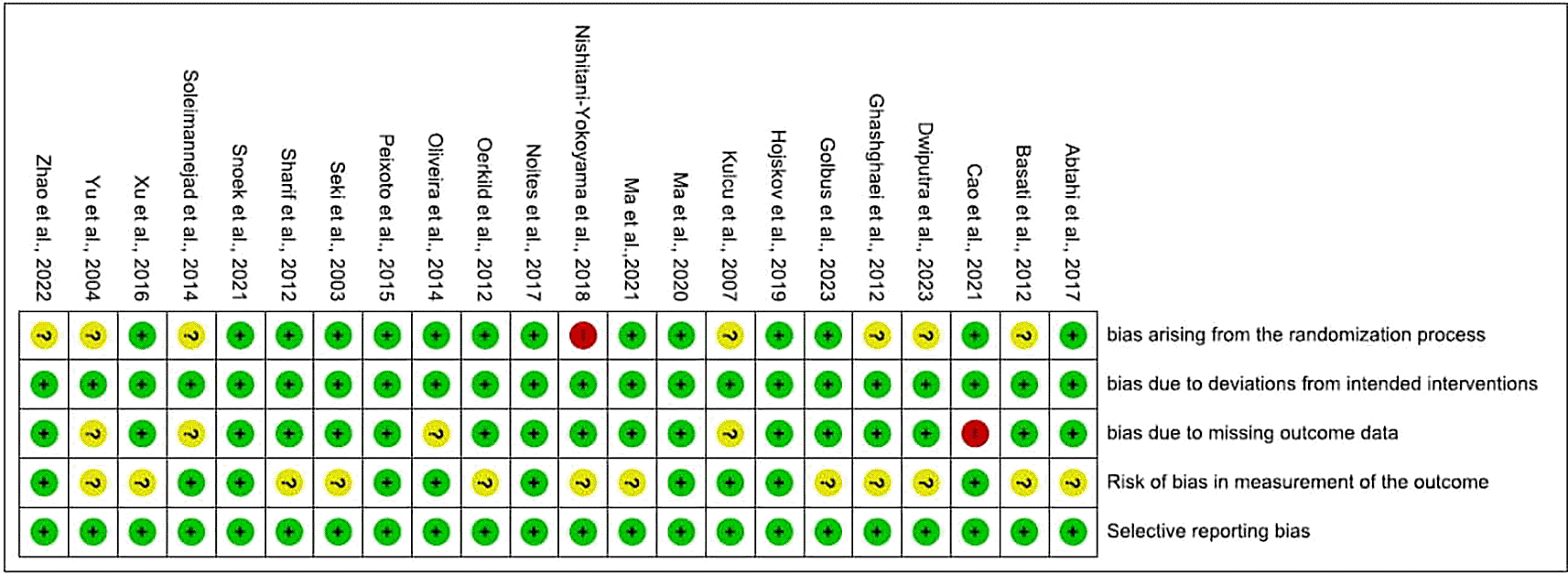
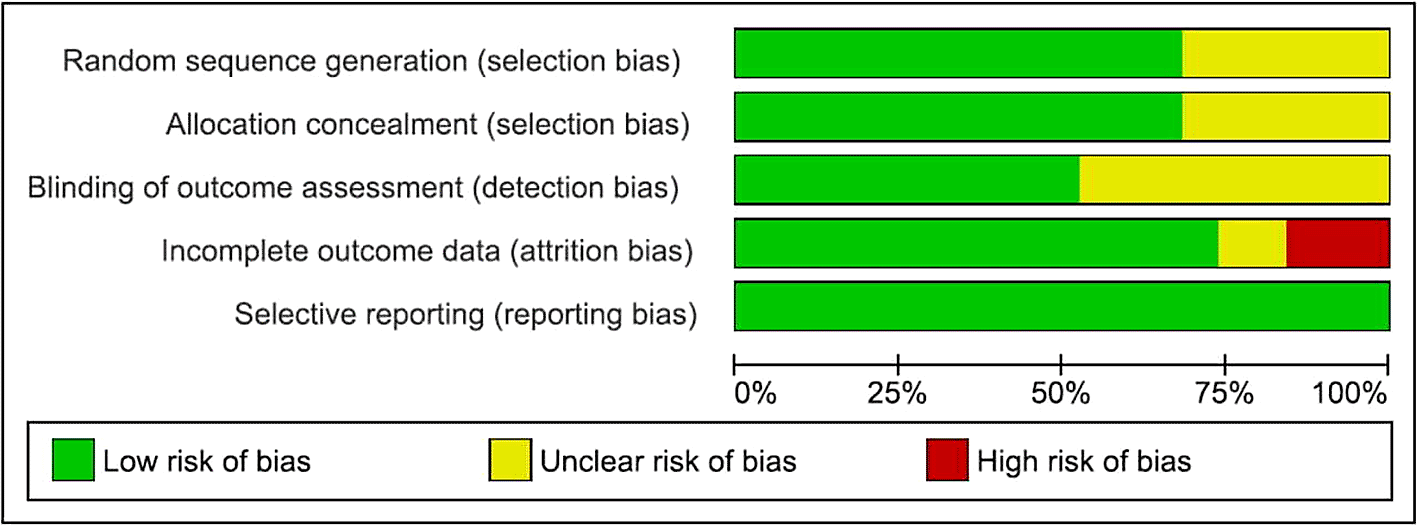
Of the 22 studies included in this review, 1 study (4.5%) was assessed as having a high risk of bias related to the randomization process. Because the participants were allocated based on the initial assessment rather than being randomly assigned.. (7 studies) (32%) were assessed as having unclear risk of bias since they did not provide information about allocation concealment. The remaining 14 studies (63%) explicitly reported the allocation and randomization methods such as using a sealed opaque envelope, coin flipping, computer-generated random numbers and block randomisation. There was no evidence indicating deviation from the intended intervention, therefore, all studies were assessed as having a low risk of bias regarding this domain. regarding missing outcome data, 1 study (4.5%) showed high risk of bias due to a substantial amount of missing data, 4 studies (18%) had an unclear risk of bias, and the remaining 17 studies (77%) reported handling missing data based on intention-to-treat (ITT) analysis. For measurement of the outcome domain, 12 studies (55%) did not provide sufficient information whether the data was analysed blindly or not, resulting in unclear risk of bias. On the other hand, a low risk of bias was observed in the remaining 10 studies (45%), either by reporting blind assessors or by showing a robust methodology. All studies showed low risk regarding reporting bias. Figures 2 and 3 summarise the outcomes of risk bias assessment.
44d84a3f-4f0a-47f9-8e08-3381a95fb568_figure2.gif

Figure 2. Risk of bias summary of included studies.

44d84a3f-4f0a-47f9-8e08-3381a95fb568_figure3.gif

Figure 3. Risk of bias graph.
Certainty of evidence

The GRADE framework was used to evaluate the quality of the evidence in the included studies. Of the seven outcomes investigated in this review, five outcomes had moderate quality evidence (anxiety, depression, VO2peak, 6-MWT, and LVEF), and two had low-quality of evidence LVEDD and LVESD. Table 2 details the assessment of certainty of evidence.

Table 2. Certainty of evidence.
OutcomeNo. studiesNo. participantsRisk of biasInconsistencyIndirectnessImprecisionPublication bias Certainty
CR UC
Anxiety81068Not seriousNot seriousNot seriousNot seriousundetected⨁⨁⨁◯
Moderate
532532
Depression81068seriousNot seriousNot seriousNot seriousundetected⨁⨁⨁◯
Moderate
532534
VO2 peak8440Not seriousNot seriousNot seriousNot seriousundetected⨁⨁◯◯
Low
228212
6-MWD5404Not seriousNot seriousNot seriousseriousundetected⨁⨁⨁◯
Moderate
202202
LVEF6578seriousNot seriousNot seriousNot seriousundetected⨁⨁⨁◯
Moderate
3372241
LVEDD4494Not seriousNot seriousNot seriousNot seriousundetected⨁⨁⨁◯
Moderate
294294
LVESD4494seriousNot seriousNot seriousseriousundetected⨁⨁◯◯
Low
294200
Meta-analysis of included studies
Psychosocial risk factors

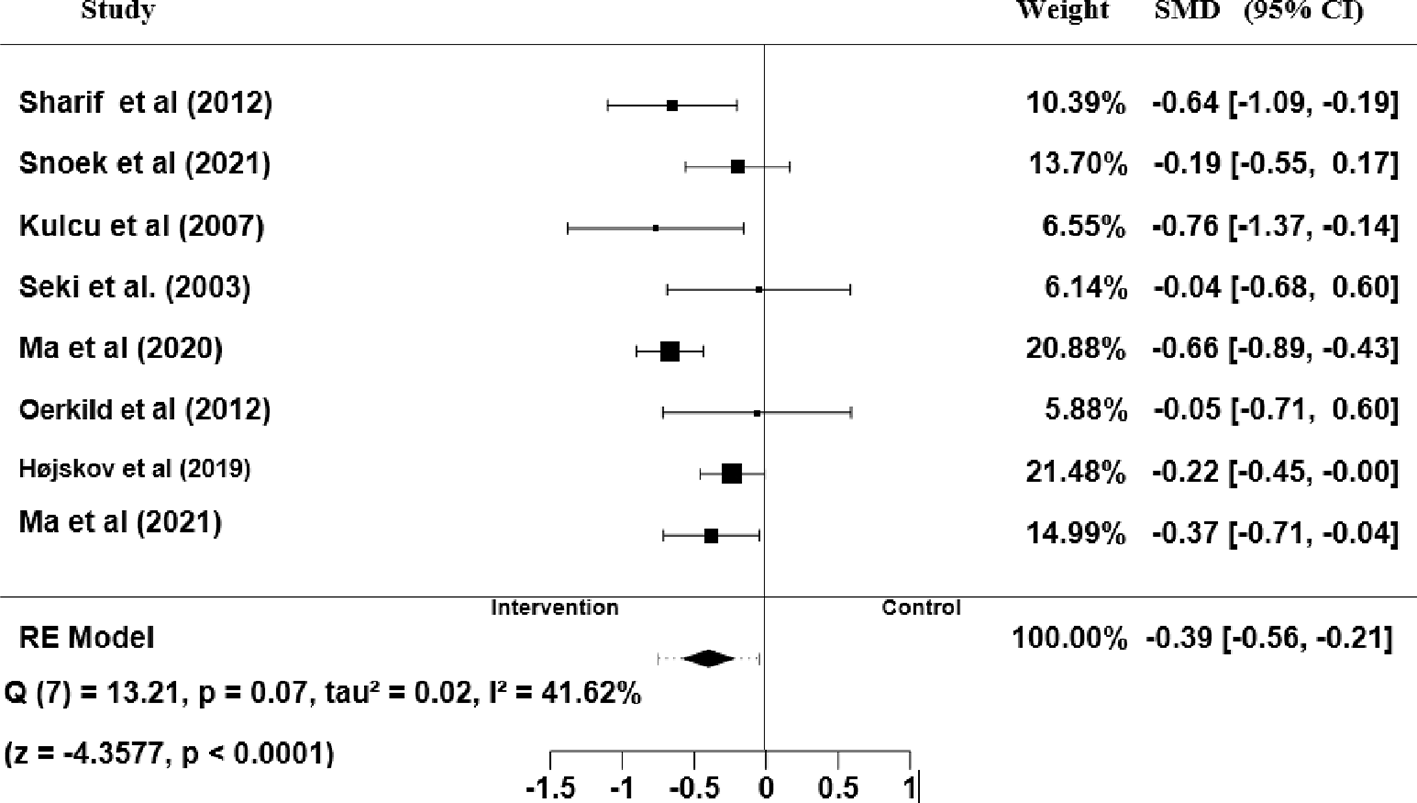
Anxiety: Eight studies evaluated the effect of CR on anxiety levels. The meta-analysis showed a statistically significant reduction in anxiety in intervention groups compared with control SMD = -0.3890 (95% CI: -0.5640 to -0.2140). (z = -4.3577, p < 0.0001). Moderate heterogeneity was observed across studies, I2 = 41.62%, p = 0.0672. No indication of publication bias was observed (see Figure 4).
44d84a3f-4f0a-47f9-8e08-3381a95fb568_figure4.gif

Figure 4. The forest plot of the effect of CR vs usual care on Anxiety.

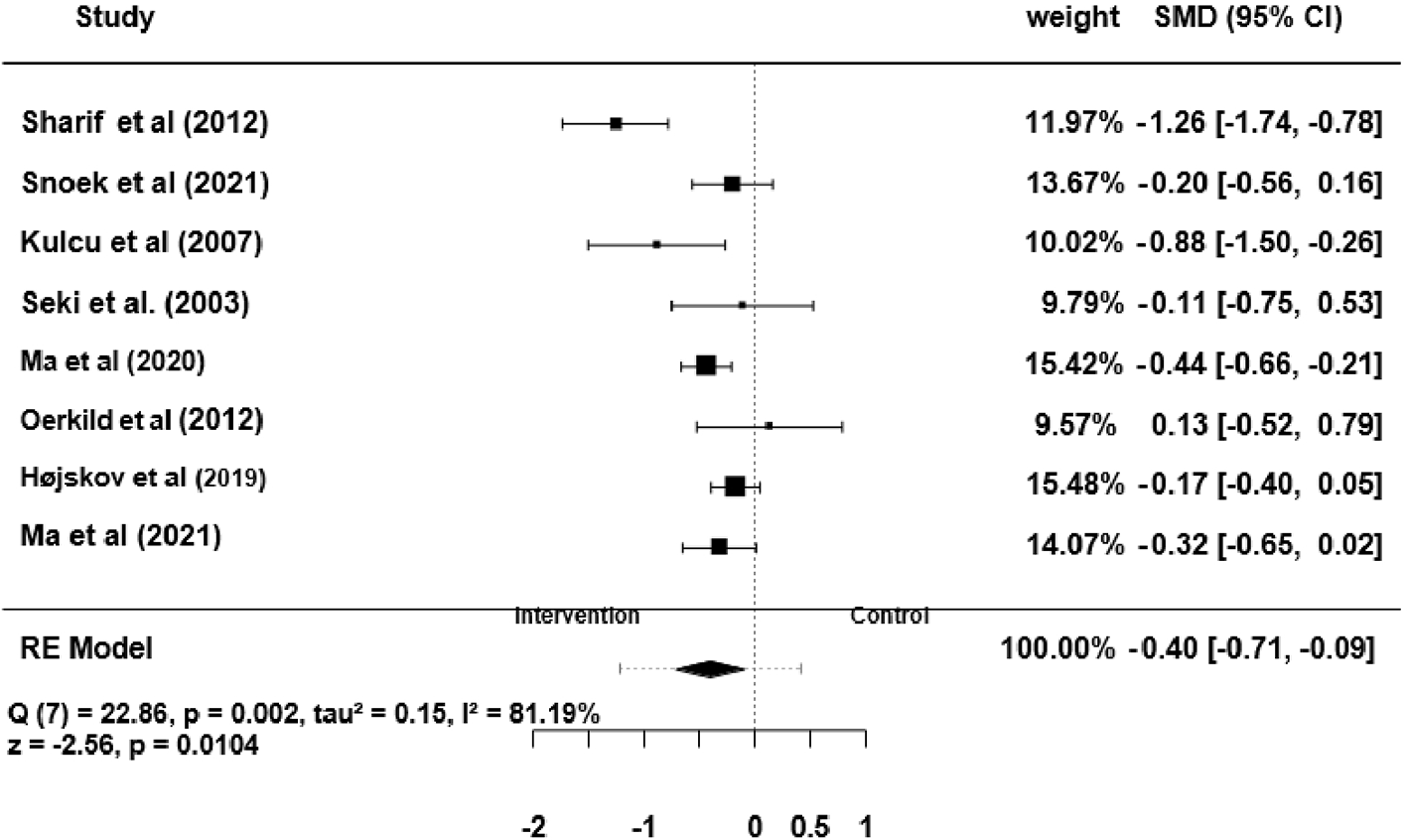
Depression: Eight studies examined the effect of CR on depression. The meta-analysis revealed a statistically significant reduction in depression among the intervention groups compared to the control groups. SMD = -0.4032 (95% CI: -0.7114 to -0.0950). (z = -2.5638, p = 0.0018). However, high heterogeneity was observed I2 = 81.1861%, p = 0.0034. employing the sensitivity test by removing the study by Sharif et al. (2012)33 and the study by Kulcu et al. (2007)32 revealed statistically significant result without a significant amount of heterogeneity. SMD = -0.2663 (95% CI: -0.3948 to -0.1378), (z = -4.0626, p < 0.0001). I2 = 0.0000%, p = 0.4598. No indication of publication bias was observed (see Figure 5).
44d84a3f-4f0a-47f9-8e08-3381a95fb568_figure5.gif

Figure 5. The forest plot of the effect of CR vs usual care on Depression.
Functional capacity

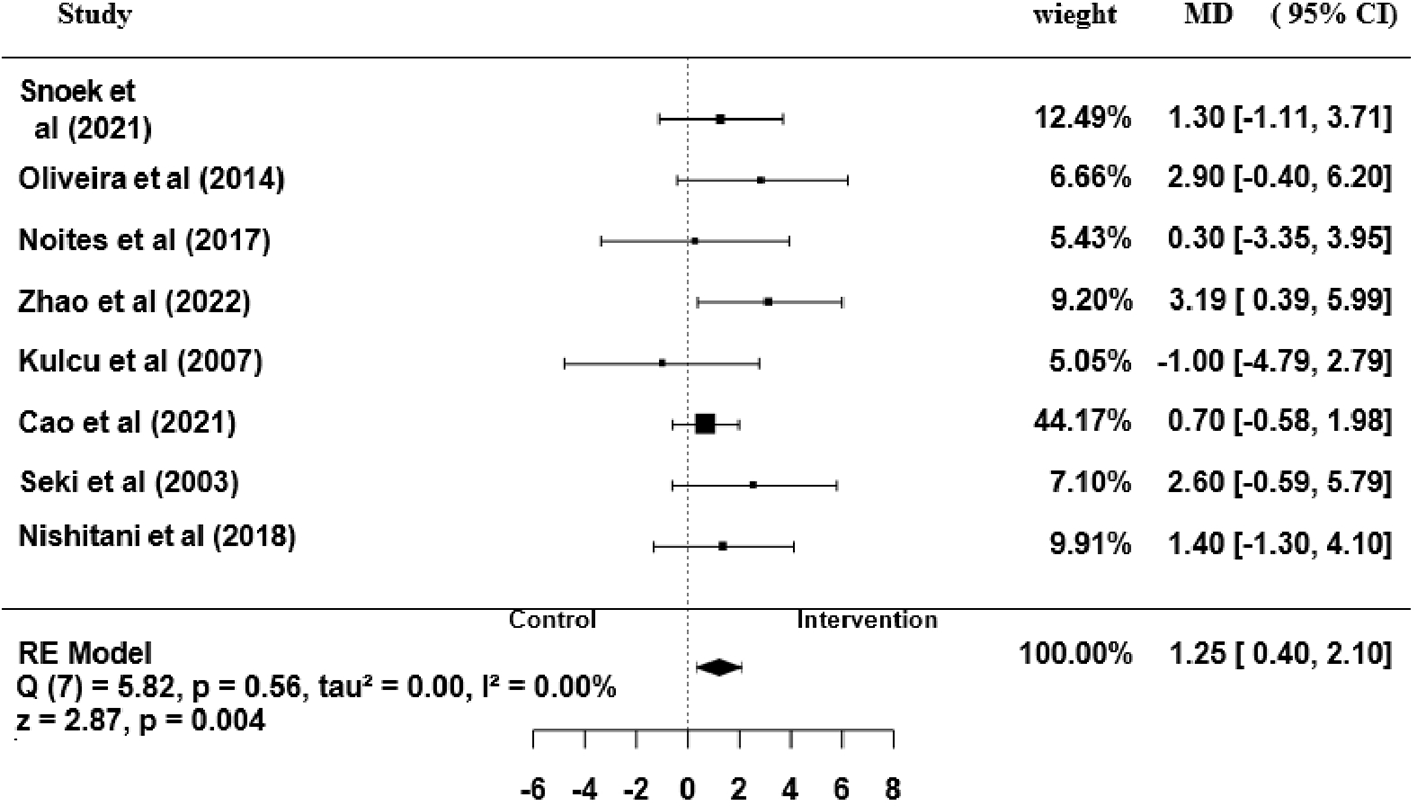
Peak VO 2peak: Eight studies investigated the impact of CR on VO2 peak. The meta-analysis showed a statistically significant improvement in VO2 peak among participants in the intervention groups compared to those in the control groups. MD = 1.2471 (95% CI: 0.3963 to 2.0979). (z = 2.8728, p = 0.0041). There was no evidence of significant heterogeneity across studies I2 = 0.0000%. p = 0.5604. No indication of publication bias was observed (see Figure 6).
44d84a3f-4f0a-47f9-8e08-3381a95fb568_figure6.gif

Figure 6. The forest plot of the effect of CR vs usual care on VO2 peak.

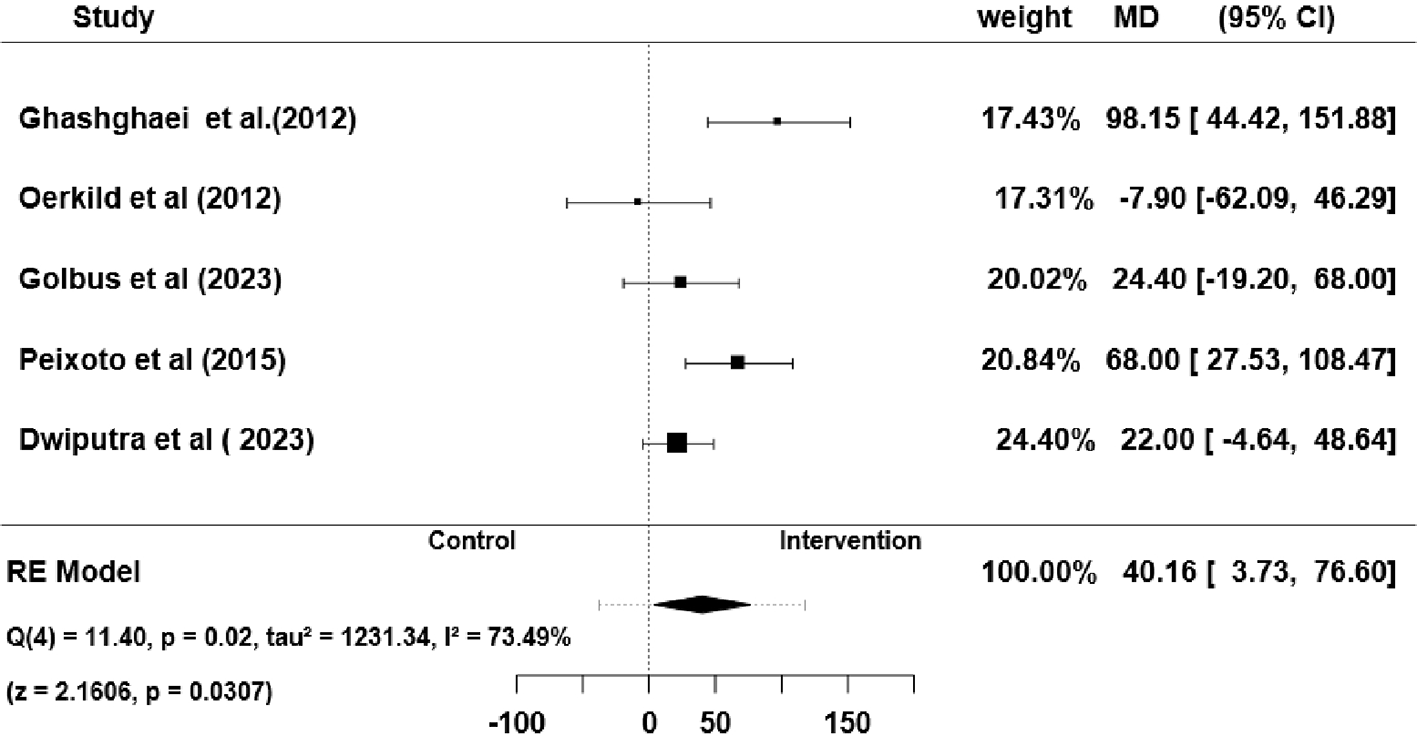
6-MWT: Five studies investigated the effect of CR vs usual care on 6-MWT. The pooled effect showed a statistically significant increase in 6-MWT among participants in intervention groups compared to those in control groups. MD = 54.7948 (95% CI: 15.6115 to 93.9782). (z = 2.1630, p = 0.0305). However, the true outcomes appear to be heterogeneous, I2 = 73.3622%, p = 0.0234. employing the sensitivity test by removing the study by Oerkild et al. (2012)36 and the study by Ghashghaei et al. (2012)35 revealed a statistically significant result MD = 36.0290 (95% CI: 7.7497 to 64.3082). (z = 2.4971, p = 0.0125) with moderate amount of heterogeneity, I2 = 45.3613%, p = 0.1670. No indication of publication bias was observed (see Figure 7).
44d84a3f-4f0a-47f9-8e08-3381a95fb568_figure7.gif

Figure 7. The forest plot of the effect of CR vs usual care on 6-MWT.
Left ventricular function

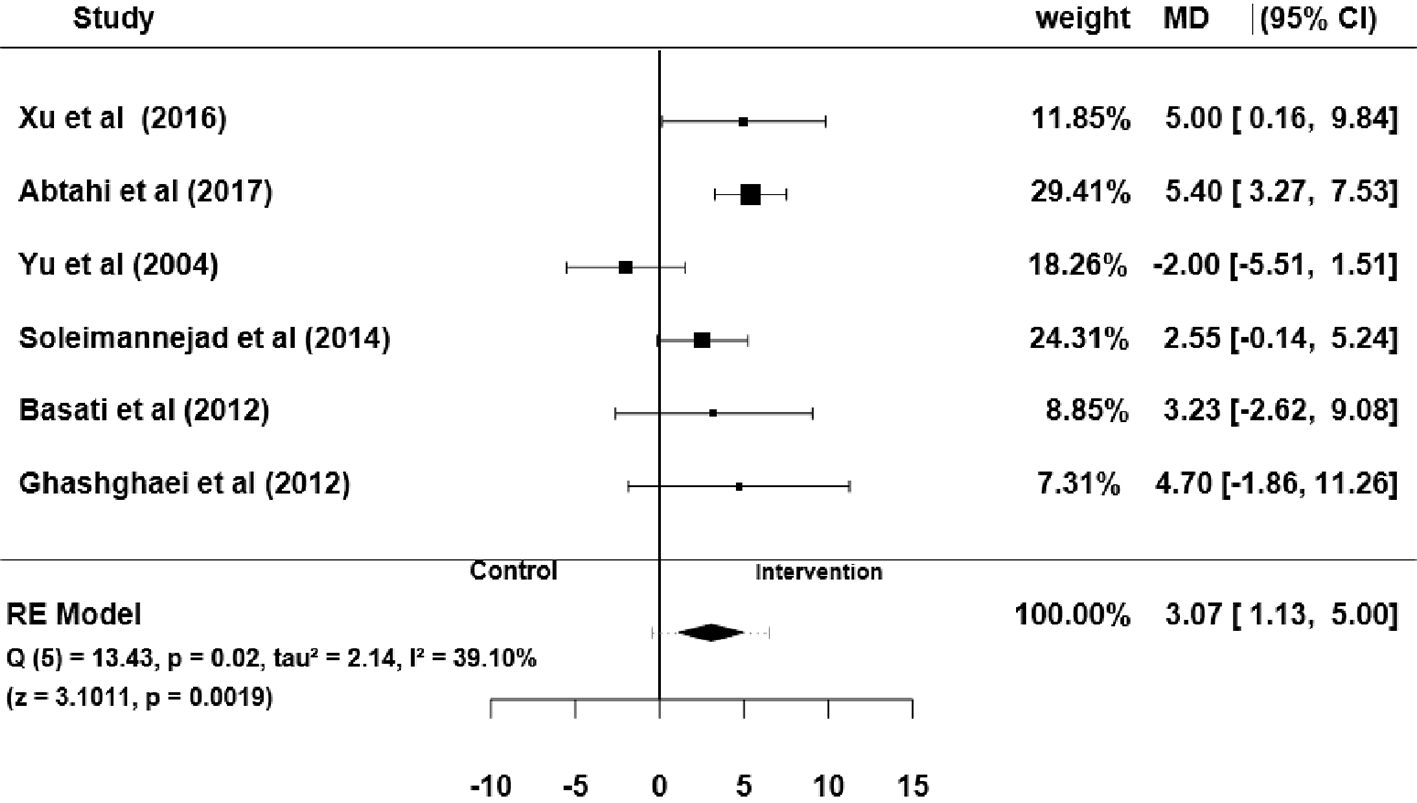
LVEF: Six studies examined the effect of CR vs usual care on LVEF. When compared to the control, participants in intervention groups demonstrated a statistically significant increase in LVEF. MD = 3.0650 (95% CI: 1.1279 to 5.0022). (z = 3.1011, p = 0.0019) with a moderate heterogeneity, I2 = 39.10%, p = 0.0196. No indication of publication bias was observed (see Figure 8).
44d84a3f-4f0a-47f9-8e08-3381a95fb568_figure8.gif

Figure 8. The forest plot of the effect of CR vs usual care on LVEF.

LVEDD: Four studies evaluated the impact of CRP vs usual care on LVEDD. Meta-analysis demonstrated a non-statistically significant reduction in LVEDD in intervention groups compared to control, = -0.0480 (95% CI: -0.2609 to 0.1648). (z = -0.4422, p = 0.6583). No heterogeneity was observed I2 = 0.0000%, p = 0.6501. No indication of publication bias was observed (see Figure 9).
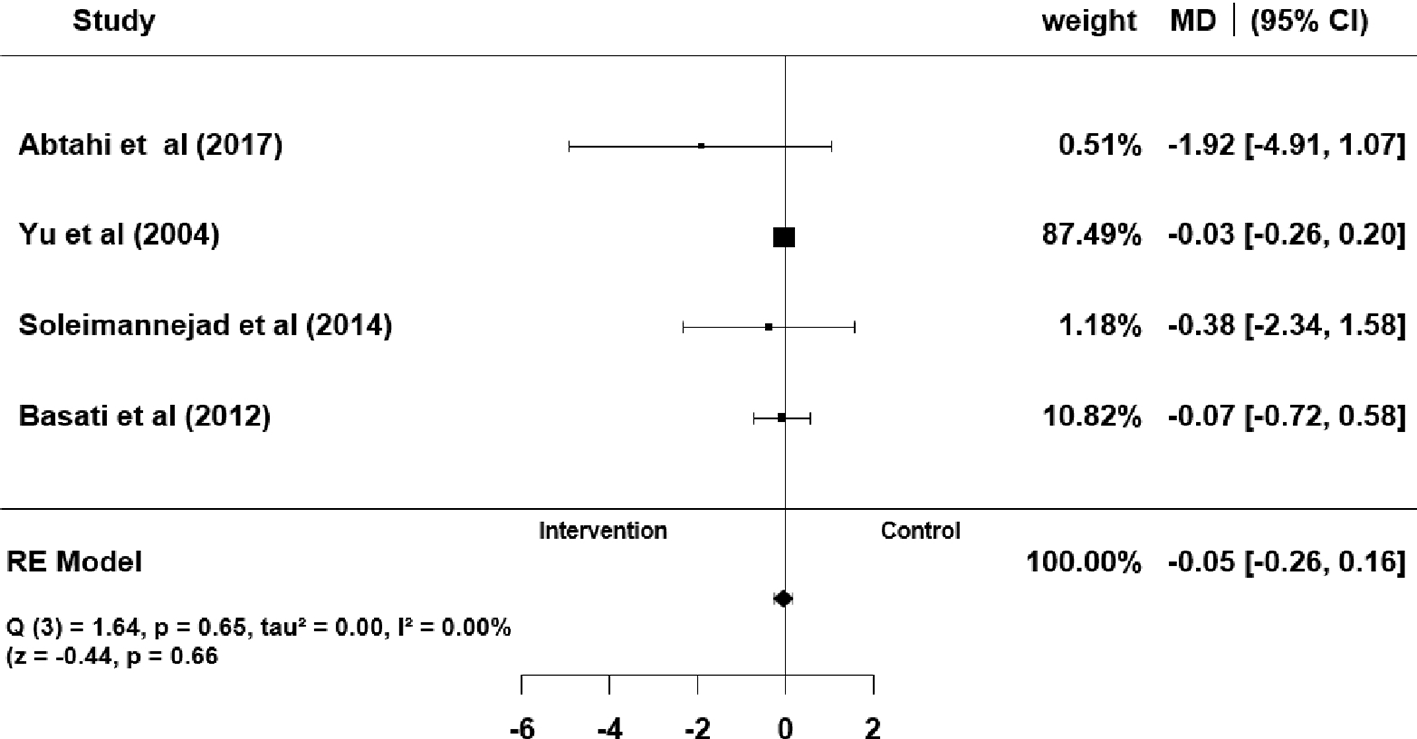
44d84a3f-4f0a-47f9-8e08-3381a95fb568_figure9.gif

Figure 9. The forest plot of the effect of CR vs usual care on LVEDD.

LVESD: Five studies assessed the impact of CRP vs usual care on LVESD. Meta-analysis revealed that the intervention groups exhibited a non-statistically significant decrease in LVESD compared to control groups. MD = -0.0670 (95% CI: -0.2829 to 0.1489). (z = -0.6086, p = 0.5428). All studies appeared homogeneous I2 = 0.0000%, p = 0.6005. No indication of publication bias was observed (see Figure 10).
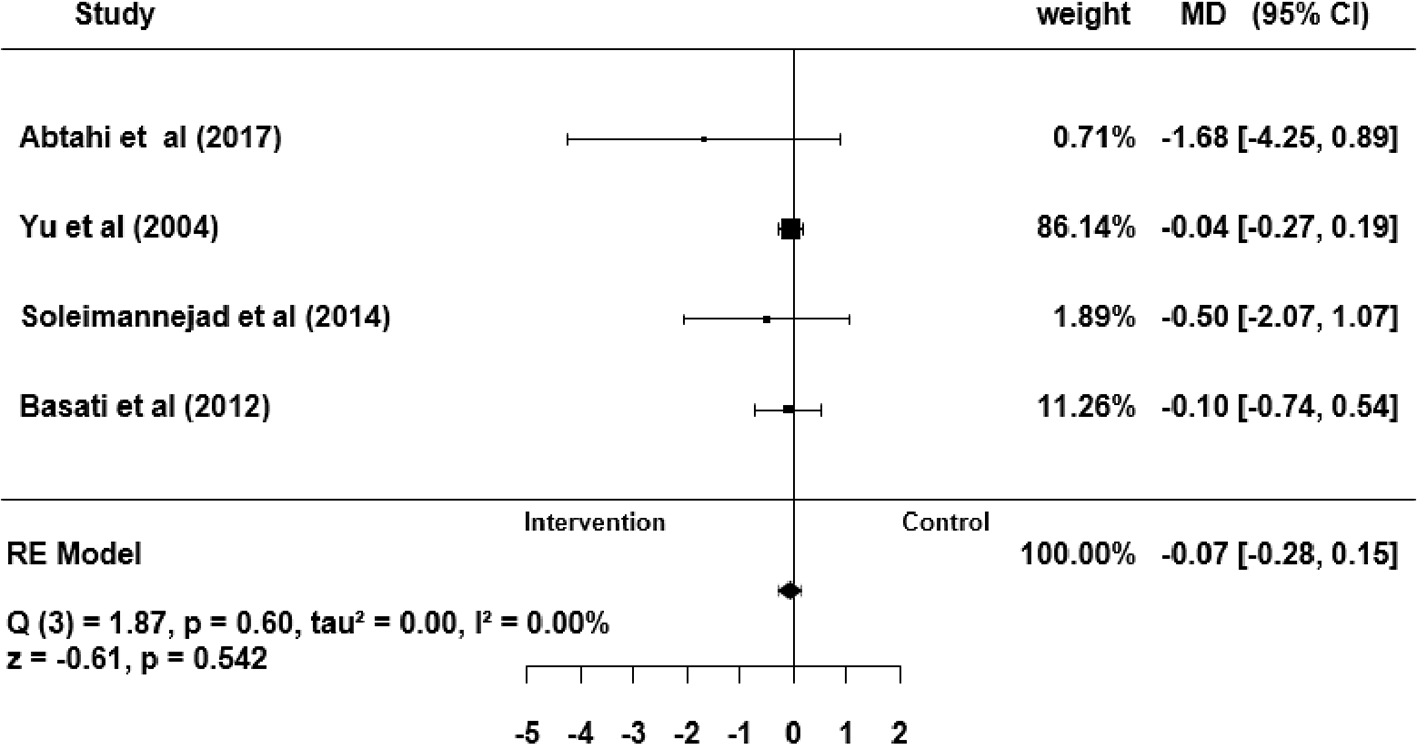
44d84a3f-4f0a-47f9-8e08-3381a95fb568_figure10.gif

Figure 10. The forest plot of the effect of CR vs usual care on LVESD.
Discussion

The main findings for this systematic review and meta-analysis were that CR improved psychosocial risk factors, functional capacity, and left ventricular function, as indicated by the statistically significant improvement in (anxiety, depression, VO2peak, 6-MWT, and LVEF) in the intervention groups as compared to the control groups, and the favourable trend toward the intervention groups in LVEDD and LVESD. There was no significant amount of heterogeneity among all outcomes, except for depression, 6-MWT, and LVEF. However, the heterogeneity could be handled by sensitivity analysis.

Constant feelings of fear and worry about social and physical aspects of life influence the patient’s mental health.51 Anxiety and depression are common psychological disorders after cardiovascular events such as acute myocardial infarction and revascularization.51,52 Studies documented that the prevalence of anxiety and depression in patients diagnosed with CAD is very high compared to the general population.53,54 A recent meta-analysis aimed to estimate the prevalence of anxiety and depression in cardiac patients reported that the prevalence of anxiety was 32.9% (95% CI: 21.9-46.6%), while depression was noted at 31.3% (95% CI: 21.9-46.6%).55

Those cardiac patients who are anxious and depressed are more susceptible to major adverse cardiac events and death.56–58 This necessitates the need for early assessment and treatment of anxiety and depressive symptoms. The findings of this review emphasize the role of CR in alleviating anxiety and depression. By training the patients to adhere to a healthy lifestyle, CR aims to enhance patients’ satisfaction and return to normal life. Multidisciplinary CR that includes physical training, psychological support, and health education appeared to be highly effective and have shown significant benefits in reducing anxiety and depression levels. The result of this review was in line with previous works. For instance, Yohannes and colleagues concluded that CR had a positive impact on particular psychological disorders, such as depression and anxiety and this impact was maintained at short and long follow-up.59 Escobar and colleagues also observed improvement in anxiety and depressive symptoms in patients undergoing CR.60

Functional capacity is a key outcome of CR, considered a key element in CAD secondary prevention.61 Functional capacity adversely affected by CAD results in a sedentary lifestyle.62,63 The inverse correlation between functional capacity and mortality rate has been reported in many studies. In a study conducted by Laukkanen and colleagues aimed to evaluate the relationship between functional capacity and cardiac and all-cause mortality rate, functional capacity appeared as a strong predictor of mortality beyond traditional risk factors.64

Functional capacity is frequently assessed using VO2peak and 6-MWT.65 VO2peak is a vital physiological indicator determining an individual’s upper capability for oxygen utilization during strenuous physical exertion,66 as this metric reflects cardiovascular fitness and aerobic endurance it plays a crucial role in shaping exercise prescription and assessing the efficiency of therapeutic interventions such as CR.67 Additionally, the 6-MWT provides a practical and valuable evaluation of functional capacity. serves as a fundamental marker of cardiovascular fitness and aerobic endurance.65,68

The present review demonstrated a statistical significant improvement in functional capacity in CR groups compared to the control groups. While the heterogeneity in the VO2peak outcome was low, it was high in the 6-MWT outcome, after employing the sensitivity test by removing the studies by Oerkild et al. (2012)36 and Ghashghaei et al. (2012)35 the result remained significant, with moderate heterogeneity. The relatively smaller sample sizes of these two studies compared to other studies in this outcome may contribute to the heterogeneous result observed. These significant results highlight the effectiveness of CR in enhancing patients’ functional capacity and overall health. These findings are supported by the findings of a recent scientific review, where the authors observed improvement in functional capacity after CR.69,70

Despite advances in contemporary treatment aimed at restoring coronary blood flow, ischemic myocardial injury leads to left ventricular remodelling; a transformative process that involves changes in the left ventricle’s dimensions, shape, and function.25 Therefore, there is a need for treatment that enhances the left ventricular function without adversely affecting the ventricular remodelling.

The findings of the present review demonstrated that CR significantly improved the left ventricular function. as evidenced by the significant increase in LVEF and the reduction in LVEDD and LVESV in the intervention groups as compared with the control groups. Although the reduction in LVEDD and LVESD between the intervention and the control groups was not statistically significant, a favourable trend was observed in the participants in intervention groups without heterogeneity. These results emphasise that CR did not adversely affect the structure, shape, and function of the heart. These findings are consistence with the findings of previous studies which concluded that CR has favourable effects on LV function and remodelling in patients with CAD.71–73

Some limitations in this review should be mentioned. Firstly, the variation of CR in terms of onset, duration, intensity and frequency among the included studies may influenced the outcomes differently, CR with higher does may produce better improvement. Secondly, the small sample size in some included studies diminished the statistical power and increased the heterogeneity in particular investigated outcomes. Thirdly, some studies lacked sufficient information to allow for judgment on the risk of bias, especially information about blinding of the data assessors. Finally, the limited number of available trials that met the inclusion criteria especially those that investigated the impact of CR on 6-MWT, LVEDD and LVESD. Future studies are recommended to explore the impact of CR on other physical, psychological, and cardiac outcomes, such studies may comprehensively clarify the beneficiary effect of CR and underscore the areas of improvement.

Conclusion

For patients with CAD, including patients after PCI or CABG, CR effectively improved psychosocial risk factors such as anxiety and depression, functional capacity as measured by VO2peak and 6-MWT, and left ventricular ejection fraction. The findings underscore CR as a method that enhances patients’ overall health.

Data availability
Underlying data

“All data underlying the results are available as part of the article and no additional source data are required.”

Reporting guidelines

Zenodo: PRISMA Checklist for Article “The Impact of Cardiac Rehabilitation on Psychosocial Factors, Functional Capacity, and Left Ventricular Function in Patients with Coronary Artery Disease: Systematic Review and Meta-Analysis”. https://doi.org/10.5281/zenodo.11186070

Data are available under the terms of the Creative Commons Zero “No rights reserved” data waiver (CC0 1.0 Public domain dedication).

Zenodo: PRISMA flow chart for Article “The Impact of Cardiac Rehabilitation on Psychosocial Factors, Functional Capacity, and Left Ventricular Function in Patients with Coronary Artery Disease: Systematic Review and Meta-Analysis”. https://doi.org/10.5281/zenodo.11186649

Data are available under the terms of the Creative Commons Zero “No rights reserved” data waiver (CC0 1.0 Public domain dedication).

References
  • 1.  Zhou B, Danaei G, Stevens GA, et al.: Long-term and recent trends in hypertension awareness, treatment, and control in 12 high-income countries: an analysis of 123 nationally representative surveys. Lancet. 2019; 394(10199): 639–651. PubMed Abstract | Publisher Full Text | Free Full Text
  • 2.  Coronado F, Melvin SC, Bell RA, et al.: Global Responses to Prevent, Manage, and Control Cardiovascular Diseases. Prev. Chronic Dis. 2022; 19: E84. PubMed Abstract | Publisher Full Text | Free Full Text
  • 3.  Bianchi S, Maloberti A, Peretti A, et al.: Determinants of Functional Improvement After Cardiac Rehabilitation in Acute Coronary Syndrome. High Blood Press. Cardiovasc. Prev. 2021; 28(6): 579–587. PubMed Abstract | Publisher Full Text | Free Full Text
  • 4.  Sigamani A, Gupta R: Revisiting secondary prevention in coronary heart disease. Indian Heart J. 2022; 74(6): 431–440. PubMed Abstract | Publisher Full Text | Free Full Text
  • 5.  McClellan M, Brown N, Califf RM, et al.: Call to action: urgent challenges in cardiovascular disease: a presidential advisory from the American Heart Association. Circulation. 2019; 139(9): e44–e54. PubMed Abstract | Publisher Full Text
  • 6.  Beatty AL, Beckie TM, Dodson J, et al.: A New Era in Cardiac Rehabilitation Delivery: Research Gaps, Questions, Strategies, and Priorities. Circulation. 2023; 147(3): 254–266. PubMed Abstract | Publisher Full Text | Free Full Text
  • 7.  Ruivo J, Moholdt T, Abreu A: Overview of Cardiac Rehabilitation following post-acute myocardial infarction in European Society of Cardiology member countries. Eur. J. Prev. Cardiol. 2023; 30(9): 758–768. PubMed Abstract | Publisher Full Text
  • 8.  Pedersen SS, von Känel R , Tully PJ, et al.: Psychosocial perspectives in cardiovascular disease. Eur. J. Prev. Cardiol. 2017; 24(3_suppl): 108–115. Publisher Full Text
  • 9.  Richards SH, Anderson L, Jenkinson CE, et al.: Psychological interventions for coronary heart disease: Cochrane systematic review and meta-analysis. Eur. J. Prev. Cardiol. 2018; 25(3): 247–259. PubMed Abstract | Publisher Full Text
  • 10.  Tušek-Bunc K, Petek D: Comorbidities and characteristics of coronary heart disease patients: their impact on health-related quality of life. Health Qual. Life Outcomes. 2016; 14(1): 159. PubMed Abstract | Publisher Full Text | Free Full Text
  • 11.  Dickens C: Depression in people with coronary heart disease: prognostic significance and mechanisms. Curr. Cardiol. Rep. 2015; 17(10): 83. PubMed Abstract | Publisher Full Text
  • 12.  Shen BJ, Fan Y, Lim KSC, et al.: Depression, Anxiety, Perceived Stress, and Their Changes Predict Greater Decline in Physical Health Functioning over 12 Months Among Patients with Coronary Heart Disease. Int. J. Behav. Med. 2019; 26(4): 352–364. PubMed Abstract | Publisher Full Text
  • 13.  Lu Y, Jiang Y, Gu L: Using path analysis to investigate the relationships between depression, anxiety, and health-related quality of life among patients with coronary artery disease. Qual. Life Res. 2019; 28(10): 2695–2704. PubMed Abstract | Publisher Full Text
  • 14.  Kupper N, van den Houdt S , Kuijpers P, et al.: The importance, consequences and treatment of psychosocial risk factors in heart disease: less conversation, more action!. Neth. Hear. J. 2024; 32(1): 6–13. PubMed Abstract | Publisher Full Text | Free Full Text
  • 15.  Pogosova N, Kotseva K, De Bacquer D, et al.: Psychosocial risk factors in relation to other cardiovascular risk factors in coronary heart disease: Results from the EUROASPIRE IV survey. A registry from the European Society of Cardiology. Eur. J. Prev. Cardiol. 2017; 24(13): 1371–1380. PubMed Abstract | Publisher Full Text
  • 16.  Crawshaw J, Auyeung V, Norton S, et al.: Identifying psychosocial predictors of medication non-adherence following acute coronary syndrome: A systematic review and meta-analysis. J. Psychosom. Res. 2016; 90: 10–32. PubMed Abstract | Publisher Full Text
  • 17.  Kessing D, Denollet J, Widdershoven J, et al.: Psychological Determinants of Heart Failure Self-Care: Systematic Review and Meta-Analysis. Psychosom. Med. 2016; 78(4): 412–431. Publisher Full Text
  • 18.  Epstein E, Rosander A, Pazargadi A, et al.: Cardiac Rehab for Functional Improvement. Curr. Heart Fail. Rep. 2020; 17(4): 161–170. Publisher Full Text
  • 19.  Patterson TL, Mausbach BT: Measurement of functional capacity: a new approach to understanding functional differences and real-world behavioral adaptation in those with mental illness. Annu. Rev. Clin. Psychol. 2010; 6: 139–154. PubMed Abstract | Publisher Full Text | Free Full Text
  • 20.  Fleg JL, Piña IL, Balady GJ, et al.: Assessment of functional capacity in clinical and research applications: An advisory from the Committee on Exercise, Rehabilitation, and Prevention, Council on Clinical Cardiology, American Heart Association. Circulation. 2000; 102(13): 1591–1597. PubMed Abstract | Publisher Full Text
  • 21.  Ritt LEF, Darzé ES, Feitosa GF, et al.: The Six-Minute Step Test as a Predictor of Functional Capacity according to Peak VO2 in Cardiac Patients. Arq. Bras. Cardiol. 2021; 116(5): 889–895. PubMed Abstract | Publisher Full Text | Free Full Text
  • 22.  Dwiputra B, Santoso A, Purwowiyoto BS, et al.: The effect of resistance training on PCSK9 levels in patients undergoing cardiac rehabilitation after coronary artery bypass grafting: a randomized study. BMC Cardiovasc. Disord. 2023; 23(1): 549. PubMed Abstract | Publisher Full Text | Free Full Text
  • 23.  Agarwala P, Salzman SH: Six-Minute Walk Test: Clinical Role, Technique, Coding, and Reimbursement. Chest. 2020; 157(3): 603–611. PubMed Abstract | Publisher Full Text | Free Full Text
  • 24.  Cohn JN, Ferrari R, Sharpe N: Cardiac remodeling--concepts and clinical implications: a consensus paper from an international forum on cardiac remodeling. Behalf of an International Forum on Cardiac Remodeling. J. Am. Coll. Cardiol. 2000; 35(3): 569–582. PubMed Abstract | Publisher Full Text
  • 25.  Leancă SA, Crișu D, Petriș AO, et al.: Left Ventricular Remodeling after Myocardial Infarction: From Physiopathology to Treatment. Life (Basel). 2022; 12(8). PubMed Abstract | Publisher Full Text | Free Full Text
  • 26.  Page MJ, McKenzie JE, Bossuyt PM, et al.: The PRISMA 2020 statement: An updated guideline for reporting systematic reviews. Int. J. Surg. 2021; 88: 105906. PubMed Abstract | Publisher Full Text
  • 27.  Higgins JPT, Thomas J, Chandler J, et al., editors. Cochrane Handbook for Systematic Reviews of Interventions version 6.4 (updated August 2023). Cochrane; 2023. [accessed 13.01.24]. Reference Source
  • 28.  Sterne JAC, Savović J, Page MJ, et al.: RoB 2: a revised tool for assessing risk of bias in randomised trials. BMJ. 2019; 366: l4898. Publisher Full Text
  • 29.  Schwingshackl L, Rüschemeyer G, Meerpohl JJ: How to interpret the certainty of evidence based on GRADE (Grading of Recommendations, Assessment, Development and Evaluation). Urologe A. 2021; 60(4): 444–454. PubMed Abstract | Publisher Full Text
  • 30.  Seki E, Watanabe Y, Sunayama S, et al.: Effects of phase III cardiac rehabilitation programs on health-related quality of life in elderly patients with coronary artery disease: Juntendo Cardiac Rehabilitation Program (J-CARP). Circ. J. 2003; 67(1): 73–77. PubMed Abstract | Publisher Full Text
  • 31.  Yu CM, Li LS, Lam MF, et al.: Effect of a cardiac rehabilitation program on left ventricular diastolic function and its relationship to exercise capacity in patients with coronary heart disease: experience from a randomized, controlled study. Am. Heart J. 2004; 147(5): e24. PubMed Abstract | Publisher Full Text
  • 32.  Kulcu DG, Kurtais Y, Tur BS, et al.: The effect of cardiac rehabilitation on quality of life, anxiety and depression in patients with congestive heart failure. A randomized controlled trial, short-term results. Eura. Medicophys. 2007; 43(4): 489–497. PubMed Abstract Reference Source
  • 33.  Sharif F, Shoul A, Janati M, et al.: The effect of cardiac rehabilitation on anxiety and depression in patients undergoing cardiac bypass graft surgery in Iran. BMC Cardiovasc. Disord. 2012; 12: 40. PubMed Abstract | Publisher Full Text | Free Full Text
  • 34.  Basati F, Sadeghi M, Kargarfard M, et al.: Effects of a cardiac rehabilitation program on systolic function and left ventricular mass in patients after myocardial infarction and revascularization. J. Res. Med. Sci. 2012; 17: S28–S32. Reference Source
  • 35.  Ghashghaei FE, Sadeghi M, Marandi SM, et al.: Exercise-based cardiac rehabilitation improves hemodynamic responses after coronary artery bypass graft surgery. ARYA Atheroscler. 2012; 7(4): 151–156. PubMed Abstract Reference Source
  • 36.  Oerkild B, Frederiksen M, Hansen JF, et al.: Home-based cardiac rehabilitation is an attractive alternative to no cardiac rehabilitation for elderly patients with coronary heart disease: results from a randomised clinical trial. BMJ Open. 2012; 2(6): e001820. PubMed Abstract | Publisher Full Text | Free Full Text
  • 37.  Oliveira NL, Ribeiro F, Teixeira M, et al.: Effect of 8-week exercise-based cardiac rehabilitation on cardiac autonomic function: A randomized controlled trial in myocardial infarction patients. Am. Heart J. 2014; 167(5): 753–61.e3. PubMed Abstract | Publisher Full Text
  • 38.  Soleimannejad K, Nouzari Y, Ahsani A, et al.: Evaluation of the effect of cardiac rehabilitation on left ventricular diastolic and systolic function and cardiac chamber size in patients undergoing percutaneous coronary intervention. J. Tehran Heart Cent. 2014; 9(2): 54–58. PubMed Abstract Reference Source
  • 39.  Peixoto TC, Begot I, Bolzan DW, et al.: Early exercise-based rehabilitation improves health-related quality of life and functional capacity after acute myocardial infarction: a randomized controlled trial. Can. J. Cardiol. 2015; 31(3): 308–313. PubMed Abstract | Publisher Full Text
  • 40.  Xu L, Cai Z, Xiong M, et al.: Efficacy of an early home-based cardiac rehabilitation program for patients after acute myocardial infarction: A three-dimensional speckle tracking echocardiography randomized trial. Medicine (Baltimore). 2016; 95(52): e5638. PubMed Abstract | Publisher Full Text | Free Full Text
  • 41.  Abtahi F, Tahamtan M, Homayouni K, et al.: The Assessment of Cardiac Rehabilitation on Echocardiographic Parameters of Left Ventricular Systolic Function in Patients Treated by Primary Percutaneous Coronary Intervention due to Acute ST-Segment Elevation Myocardial Infarction: A Randomized Clinical Trial. Int. Cardiovasc. Res. J. 2017; 11(4): 130–136. Reference Source
  • 42.  Noites A, Freitas CP, Pinto J, et al.: Effects of a Phase IV Home-Based Cardiac Rehabilitation Program on Cardiorespiratory Fitness and Physical Activity. Heart Lung Circ. 2017; 26(5): 455–462. PubMed Abstract | Publisher Full Text
  • 43.  Nishitani-Yokoyama M, Miyauchi K, Shimada K, et al.: Impact of Physical Activity on Coronary Plaque Volume and Components in Acute Coronary Syndrome Patients After Early Phase II Cardiac Rehabilitation. Circ. J. 2018; 83(1): 101–109. PubMed Abstract | Publisher Full Text
  • 44.  Hojskov IE, Moons P, Egerod I, et al.: Early physical and psycho-educational rehabilitation in patients with coronary artery bypass grafting: A randomized controlled trial. J. Rehabil. Med. 2019; 51(2): 136–143. PubMed Abstract | Publisher Full Text
  • 45.  Ma L, Deng L, Yu H: The effects of a comprehensive rehabilitation and intensive education program on anxiety, depression, quality of life, and major adverse cardiac and cerebrovascular events in unprotected left main coronary artery disease patients who underwent coronary artery bypass grafting. Ir. J. Med. Sci. 2020; 189(2): 477–488. PubMed Abstract | Publisher Full Text
  • 46.  Snoek JA, Meindersma EP, Prins LF, et al.: The sustained effects of extending cardiac rehabilitation with a six-month telemonitoring and telecoaching programme on fitness, quality of life, cardiovascular risk factors and care utilisation in CAD patients: The TeleCaRe study. J. Telemed. Telecare. 2021; 27(8): 473–483. PubMed Abstract | Publisher Full Text
  • 47.  Ma C, Wang B, Zhao X, et al.: WeChat-based education and rehabilitation program in unprotected left main coronary artery disease patients after coronary artery bypass grafting: an effective approach in reducing anxiety, depression, loss to follow-up, and improving quality of life. Braz. J. Med. Biol. Res. 2021; 54: e10370. PubMed Abstract | Publisher Full Text | Free Full Text
  • 48.  Cao RY, Zheng H, Hong Y, et al.: Cardiac Rehabilitation with Targeted Intensity Improves Cardiopulmonary Functions Accompanying with Reduced Copeptin Level in Patients with Coronary Artery Disease. J. Cardiovasc. Transl. Res. 2021; 14(2): 317–326. PubMed Abstract | Publisher Full Text
  • 49.  Zhao F, Liang C, John Zaslawski C, et al.: Effects of Qigong Therapy on the Anaerobic Threshold in Patients with Stable Coronary Artery Disease: A Randomized Controlled Trial. Evid. Based Complement. Alternat. Med. 2022; 2022: 5690568–5690569. PubMed Abstract | Publisher Full Text | Free Full Text
  • 50.  Golbus JR, Gupta K, Stevens R, et al.: A randomized trial of a mobile health intervention to augment cardiac rehabilitation. NPJ Digit. Med. 2023; 6(1): 173. PubMed Abstract | Publisher Full Text | Free Full Text
  • 51.  Pogosova N, Saner H, Pedersen SS, et al.: Psychosocial Aspects in Cardiac Rehabilitation: From Theory to Practice. A Position Paper From the Cardiac Rehabilitation Section of The European Association of Cardiovascular Prevention and Rehabilitation of the European Society of Cardiology. Kardiologiia. 2015; 55(10): 96–108. PubMed Abstract | Publisher Full Text
  • 52.  Murphy B, Le Grande M, Alvarenga M, et al.: Anxiety and Depression After a Cardiac Event: Prevalence and Predictors. Front. Psychol. 2019; 10: 3010. PubMed Abstract | Publisher Full Text | Free Full Text
  • 53.  Bermudez T, Bierbauer W, Scholz U, et al.: Depression and anxiety in cardiac rehabilitation: differential associations with changes in exercise capacity and quality of life. Anxiety Stress Coping. 2022; 35(2): 204–218. PubMed Abstract | Publisher Full Text
  • 54.  Rao A, Zecchin R, Newton PJ, et al.: The prevalence and impact of depression and anxiety in cardiac rehabilitation: A longitudinal cohort study. Eur. J. Prev. Cardiol. 2020; 27(5): 478–489. PubMed Abstract | Publisher Full Text
  • 55.  Karami N, Kazeminia M, Karami A, et al.: Global prevalence of depression, anxiety, and stress in cardiac patients: A systematic review and meta-analysis. J. Affect. Disord. 2023; 324: 175–189. PubMed Abstract | Publisher Full Text
  • 56.  Worcester MU, Murphy BM, Elliott PC, et al.: Trajectories of recovery of quality of life in women after an acute cardiac event. Br. J. Health Psychol. 2007; 12(Pt 1): 1–15. PubMed Abstract | Publisher Full Text
  • 57.  Kim JM, Stewart R, Lee YS, et al.: Effect of Escitalopram vs Placebo Treatment for Depression on Long-term Cardiac Outcomes in Patients With Acute Coronary Syndrome: A Randomized Clinical Trial. JAMA. 2018; 320(4): 350–358. PubMed Abstract | Publisher Full Text | Free Full Text
  • 58.  Zhou Y, Zhu XP, Shi JJ, et al.: Coronary Heart Disease and Depression or Anxiety: A Bibliometric Analysis. Front. Psychol. 2021; 12: 669000. PubMed Abstract | Publisher Full Text | Free Full Text
  • 59.  Yohannes AM, Doherty P, Bundy C, et al.: The long-term benefits of cardiac rehabilitation on depression, anxiety, physical activity and quality of life. J. Clin. Nurs. 2010; 19(19-20): 2806–2813. PubMed Abstract | Publisher Full Text
  • 60.  Bravo-Escobar R, González-Represas A, Gómez-González AM, et al.: Effectiveness of e-Health cardiac rehabilitation program on quality of life associated with symptoms of anxiety and depression in moderate-risk patients. Sci. Rep. 2021; 11(1): 3760. PubMed Abstract | Publisher Full Text | Free Full Text
  • 61.  Guidelines ECfSCorrà U, Piepoli MF, et al.: Secondary prevention through cardiac rehabilitation: physical activity counselling and exercise training: Key components of the position paper from the Cardiac Rehabilitation Section of the European Association of Cardiovascular Prevention and Rehabilitation. Eur. Heart J. 2010; 31(16): 1967–1974. PubMed Abstract | Publisher Full Text
  • 62.  Beatty AL, Truong M, Schopfer DW, et al.: Geographic Variation in Cardiac Rehabilitation Participation in Medicare and Veterans Affairs Populations: Opportunity for Improvement. Circulation. 2018; 137(18): 1899–1908. PubMed Abstract | Publisher Full Text | Free Full Text
  • 63.  Douki ZE, Vaezzadeh N, Zakizad M, et al.: Changes in functional status and functional capacity following coronary artery bypass surgery. Pak. J. Biol. Sci. 2010; 13(7): 330–334. PubMed Abstract | Publisher Full Text
  • 64.  Laukkanen JA, Kunutsor SK, Yates T, et al.: Prognostic Relevance of Cardiorespiratory Fitness as Assessed by Submaximal Exercise Testing for All-Cause Mortality: A UK Biobank Prospective Study. Mayo Clin. Proc. 2020; 95(5): 867–878. PubMed Abstract | Publisher Full Text
  • 65.  Noonan V, Dean E: Submaximal exercise testing: clinical application and interpretation. Phys. Ther. 2000; 80(8): 782–807. PubMed Abstract | Publisher Full Text
  • 66.  Ibrahim A, Mat Ludin AF, Shahar S, et al.: Association between maximal oxygen consumption and physical performance tests among older adults with cognitive frailty. Exp. Gerontol. 2023; 184: 112326. PubMed Abstract | Publisher Full Text
  • 67.  Ekblom-Bak E, Ekblom B, Söderling J, et al.: Sex- and age-specific associations between cardiorespiratory fitness, CVD morbidity and all-cause mortality in 266.109 adults. Prev. Med. 2019; 127: 105799. PubMed Abstract | Publisher Full Text
  • 68.  Budts W, Pieles GE, Roos-Hesselink JW, et al.: Recommendations for participation in competitive sport in adolescent and adult athletes with Congenital Heart Disease (CHD): position statement of the Sports Cardiology & Exercise Section of the European Association of Preventive Cardiology (EAPC), the European Society of Cardiology (ESC) Working Group on Adult Congenital Heart Disease and the Sports Cardiology, Physical Activity and Prevention Working Group of the Association for European Paediatric and Congenital Cardiology (AEPC). Eur. Heart J. 2020; 41(43): 4191–4199. PubMed Abstract | Publisher Full Text
  • 69.  Prabhu NV, Maiya AG, Prabhu NS: Impact of Cardiac Rehabilitation on Functional Capacity and Physical Activity after Coronary Revascularization: A Scientific Review. Cardiol. Res. Pract. 2020; 2020: 1236968–1236969. PubMed Abstract | Publisher Full Text | Free Full Text
  • 70.  Dibben GO, Dalal HM, Taylor RS, et al.: Cardiac rehabilitation and physical activity: systematic review and meta-analysis. Heart. 2018; 104(17): 1394–1402. PubMed Abstract | Publisher Full Text | Free Full Text
  • 71.  Sadeghi M, Garakyaraghi M, Khosravi M, et al.: The impacts of cardiac rehabilitation program on echocardiographic parameters in coronary artery disease patients with left ventricular dysfunction. Cardiol. Res. Pract. 2013; 2013: 201713. Publisher Full Text
  • 72.  Wang Y, Chien CW, Xu Y, et al.: Effect of Exercise-Based Cardiac Rehabilitation on Left Ventricular Function in Asian Patients with Acute Myocardial Infarction after Percutaneous Coronary Intervention: A Meta-Analysis of Randomized Controlled Trials. Healthcare (Basel). 2021; 9(6). PubMed Abstract | Publisher Full Text | Free Full Text
  • 73.  Haykowsky M, Scott J, Esch B, et al.: A meta-analysis of the effects of exercise training on left ventricular remodeling following myocardial infarction: start early and go longer for greatest exercise benefits on remodeling. Trials. 2011; 12: 92. PubMed Abstract | Publisher Full Text | Free Full Text

Grant information

The author(s) declared that no grants were involved in supporting this work.

Copyright

© 2026 Harbi AS et al. This is an open access article distributed under the terms of the Creative Commons Attribution License, which permits unrestricted use, distribution, and reproduction in any medium, provided the original work is properly cited.

Download

Export To

metrics

Views Downloads
F1000Research - -
PubMed Central

Data from PMC are received and updated monthly.

- -

Citations

CITE

how to cite this article

Harbi AS, Soh DKL, Yubbu DPB and Soh KG. The Impact of Cardiac Rehabilitation on Psychosocial Factors, Functional Capacity, and Left Ventricular Function in Patients with Coronary Artery Disease: Systematic Review and Meta-Analysis [version 2; peer review: 2 approved, 2 approved with reservations]. F1000Research 2026, 13:575 (https://doi.org/10.12688/f1000research.151834.2)

NOTE: If applicable, it is important to ensure the information in square brackets after the title is included in all citations of this article.

track

receive updates on this article

Track an article to receive email alerts on any updates to this article.

Open Peer Review

Current Reviewer Status: ?

Key to Reviewer Statuses VIEW HIDE

ApprovedThe paper is scientifically sound in its current form and only minor, if any, improvements are suggested

Approved with reservations A number of small changes, sometimes more significant revisions are required to address specific details and improve the papers academic merit.

Not approvedFundamental flaws in the paper seriously undermine the findings and conclusions

Version 2

VERSION 2

PUBLISHED 25 Jun 2026

Revised

Reviewer Report 16 Sep 2026

Mehwish Waseem, Riphah International University, Islamabad, Pakistan 

Azka Batool, Rehabilitation, Riphah International University Islamic International Medical College, Rawalpindi, Punjab, Pakistan 

Approved

VIEWS 0

  • Are the rationale for, and objectives of, the Systematic Review clearly stated?

    Yes

  • Are sufficient details of the methods and analysis provided to allow replication by others?

    Partly

  • Is the statistical analysis and its interpretation appropriate?

    Partly

  • Are the conclusions drawn adequately supported by the results presented in the review?

    Yes

  • If this is a Living Systematic Review, is the ‘living’ method appropriate and is the search schedule clearly defined and justified? (‘Living Systematic Review’ or a variation of this term should be included in the title.)

    Not applicable

Competing Interests: No competing interests were disclosed.

Reviewer Expertise: Cardiopulmonary Rehabilitation

Close

Reviewer Report 14 Sep 2026

Nabeel Al-Yateem, University of Sharjah, Sharjah, United Arab Emirates 

Approved

VIEWS 0

  • Are the rationale for, and objectives of, the Systematic Review clearly stated?

    Yes

  • Are sufficient details of the methods and analysis provided to allow replication by others?

    Yes

  • Is the statistical analysis and its interpretation appropriate?

    I cannot comment. A qualified statistician is required.

  • Are the conclusions drawn adequately supported by the results presented in the review?

    Yes

  • If this is a Living Systematic Review, is the ‘living’ method appropriate and is the search schedule clearly defined and justified? (‘Living Systematic Review’ or a variation of this term should be included in the title.)

    Not applicable

Competing Interests: No competing interests were disclosed.

Reviewer Expertise: Child and Adolescent Health, Chronic Conditions, Nursig Research.

Close

Reviewer Report 12 Aug 2026

Sujeewa Dilhani Maithreepala, University of Peradeniya, Kandy, Sri Lanka 

Approved with Reservations

VIEWS 0

  • Are the rationale for, and objectives of, the Systematic Review clearly stated?

    Partly

  • Are sufficient details of the methods and analysis provided to allow replication by others?

    No

  • Is the statistical analysis and its interpretation appropriate?

    Yes

  • Are the conclusions drawn adequately supported by the results presented in the review?

    Yes

  • If this is a Living Systematic Review, is the ‘living’ method appropriate and is the search schedule clearly defined and justified? (‘Living Systematic Review’ or a variation of this term should be included in the title.)

    No

Competing Interests: No competing interests were disclosed.

Reviewer Expertise: Heart Failure, Cardiovascular Health, Cardiac Rehabilitation, and Digital Health.

Close

Reviewer Report 11 Jul 2026

Thomas Maribo, Department of Public Health, Aarhus University, Aarhus, Denmark 

Approved with Reservations

VIEWS 0

Competing Interests: No competing interests were disclosed.

Reviewer Expertise: Please make minor adjustments as suggested

Close

Version 1

VERSION 1

PUBLISHED 05 Jun 2024

Reviewer Report 29 Jun 2024

Thomas Maribo, Department of Public Health, Aarhus University, Aarhus, Denmark 

Approved

VIEWS 0

  • Are the rationale for, and objectives of, the Systematic Review clearly stated?

    Yes

  • Are sufficient details of the methods and analysis provided to allow replication by others?

    Yes

  • Is the statistical analysis and its interpretation appropriate?

    Yes

  • Are the conclusions drawn adequately supported by the results presented in the review?

    Yes

  • If this is a Living Systematic Review, is the ‘living’ method appropriate and is the search schedule clearly defined and justified? (‘Living Systematic Review’ or a variation of this term should be included in the title.)

    No

References

1. Thomas RJ: Cardiac Rehabilitation - Challenges, Advances, and the Road Ahead.N Engl J Med. 2024; 390 (9): 830-841 PubMed Abstract | Publisher Full Text

Competing Interests: No competing interests were disclosed.

Reviewer Expertise: Please make minor adjustments as suggested

Close

Comments on this article Comments (0)

Version 2

VERSION 2 PUBLISHED 05 Jun 2024

Comment

Схожие новости

#Наименование новостиТональностьИнформативностьДата публикации
1Night Shift Work and Vascular Function Parameters: A Systematic Review of Occupational and Healthcare Evidence with Implications for Radiographers [version 1; peer review: 2 approved]07.2630-06-2026
2Sex Differences in the Prevalence and Correlates of Sleep Disturbance Among Indonesian Stroke Survivors: A Population-Based Study of 7,147 Individuals [version 4; peer review: 2 approved, 1 not approved]07.815-09-2026
3Empowerment Model for The Elderly and Community to Improve the Welfare of the Elderly [version 2; peer review: 2 approved, 1 approved with reservations, 1 not approved]010.305-06-2026
4Effectiveness of a Mobile Application with an AI-Powered Chatbot to Enhance Nursing Students' Awareness of Substance Abuse Prevention: An Interventional Study [version 2; peer review: 2 approved]08.2517-09-2026
5Improving Medication Safety in Chronic Kidney Disease Using Rule-Based and Artificial Intelligence–Based Clinical Decision Support Systems: A Systematic Review of Randomized Controlled Trials [version 2; peer review: 2 approved]011.1728-08-2026
6Development and Psychometric Validation of a Multidimensional Clinical Coding Quality Assessment Instrument in Casemix Systems [version 2; peer review: 2 approved]09.515-09-2026
7ТО сердца: преимущества диагностики и лечения в стационаре010.9523-09-2026
8Impact of a Transformational Leadership Program for Nurse Managers on Nurses' Job Satisfaction and Work Environment in Saudi Arabian Primary Healthcare Centers: A Quasi-Experimental Study   [version 2; peer review: 2 approved]07.4210-09-2026
9A Digital Therapeutic Intervention for Negative Symptoms of Schizophrenia07.1425-09-2026
10Depression and Suicidal Ideation Among Men who have sex with men and Transgender Women in Chiang Mai, Thailand [version 4; peer review: 2 approved, 1 not approved]08.9815-09-2026

Классификация: . Схожих патентов: 0. Схожих новостей: 10. Тональность: 0. Информативность: 7.17. Источник: f1000research.com.