Просмотр новости
Найдите то, что Вас интересует
 Спутники
 РН
РН SpaceX
 Роскосмос
 NASA
NASA
СпутникиРНSpaceXРоскосмосNASAMeta has unveiled its next-generation VR Glasses at Meta Connect 2026, introducing a significantly lighter device designed to deliver virtual reality experiences in a form factor closer to a pair of glasses. The company is positioning it as an entertainment and productivity device, with support for immersive movies, gaming, virtual displays and AI-powered controls. Company […]
The post Meta Unveils VR Glasses With 5K OLED Displays And Lightweight Design appeared first on Lowyat.NET.
Meta has unveiled its next-generation VR Glasses at Meta Connect 2026, introducing a significantly lighter device designed to deliver virtual reality experiences in a form factor closer to a pair of glasses. The company is positioning it as an entertainment and productivity device, with support for immersive movies, gaming, virtual displays and AI-powered controls.
Company CEO Mark Zuckerberg described the device as a breakthrough, noting that while augmented reality glasses with holographic displays are expected to be part of the future, many users are less interested in wearing traditional VR headsets. The new device therefore aims to combine the sense of presence and immersion of a conventional VR headset with a much smaller form factor.
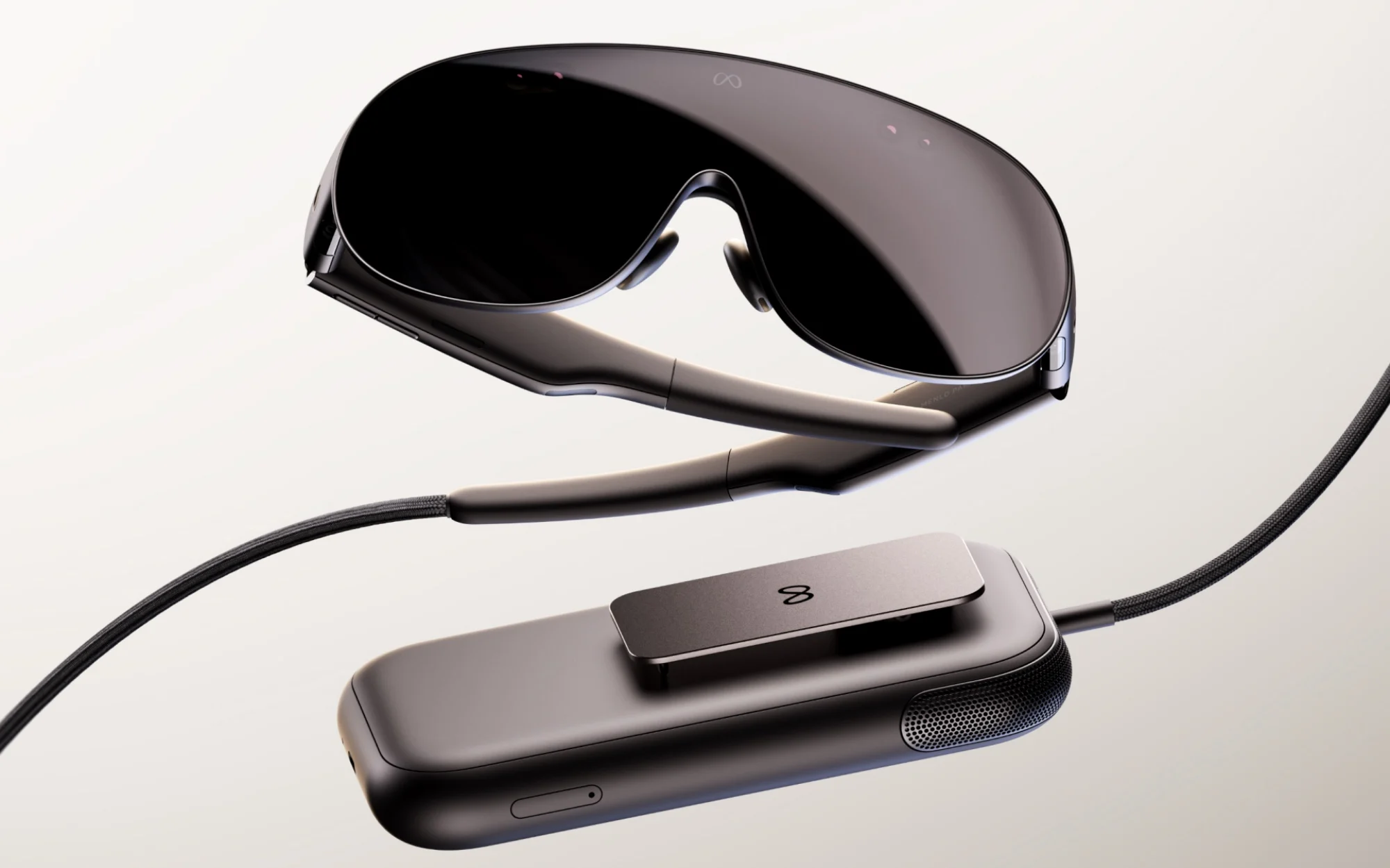 Image: MetaLightweight Design
The new Meta VR Glasses weigh just 100g, making them substantially lighter than the company’s existing VR headsets. Meta says they are approximately five times lighter than the Meta Quest 3, while their magnesium alloy construction gives them an appearance closer to oversized sunglasses than a conventional VR headset.
The glasses feature six external cameras for full-colour passthrough and motion tracking, along with four internal cameras for eye tracking. They also support iris recognition for biometric authentication and use their cameras to detect the wearer’s hands for gesture-based controls.
Meta says users can also order custom prescription lenses, although the glasses are not designed to be worn over an existing pair of spectacles.
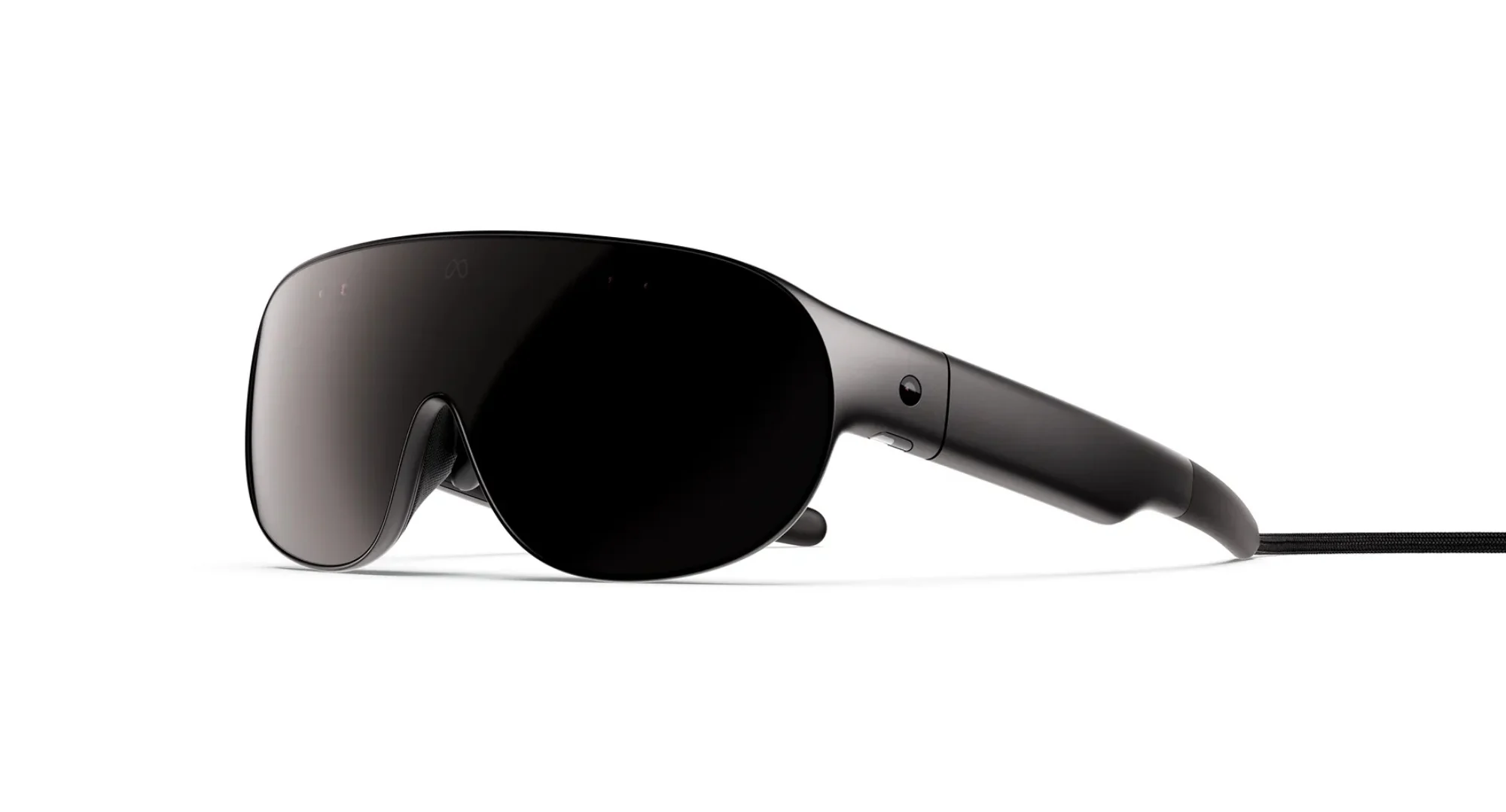
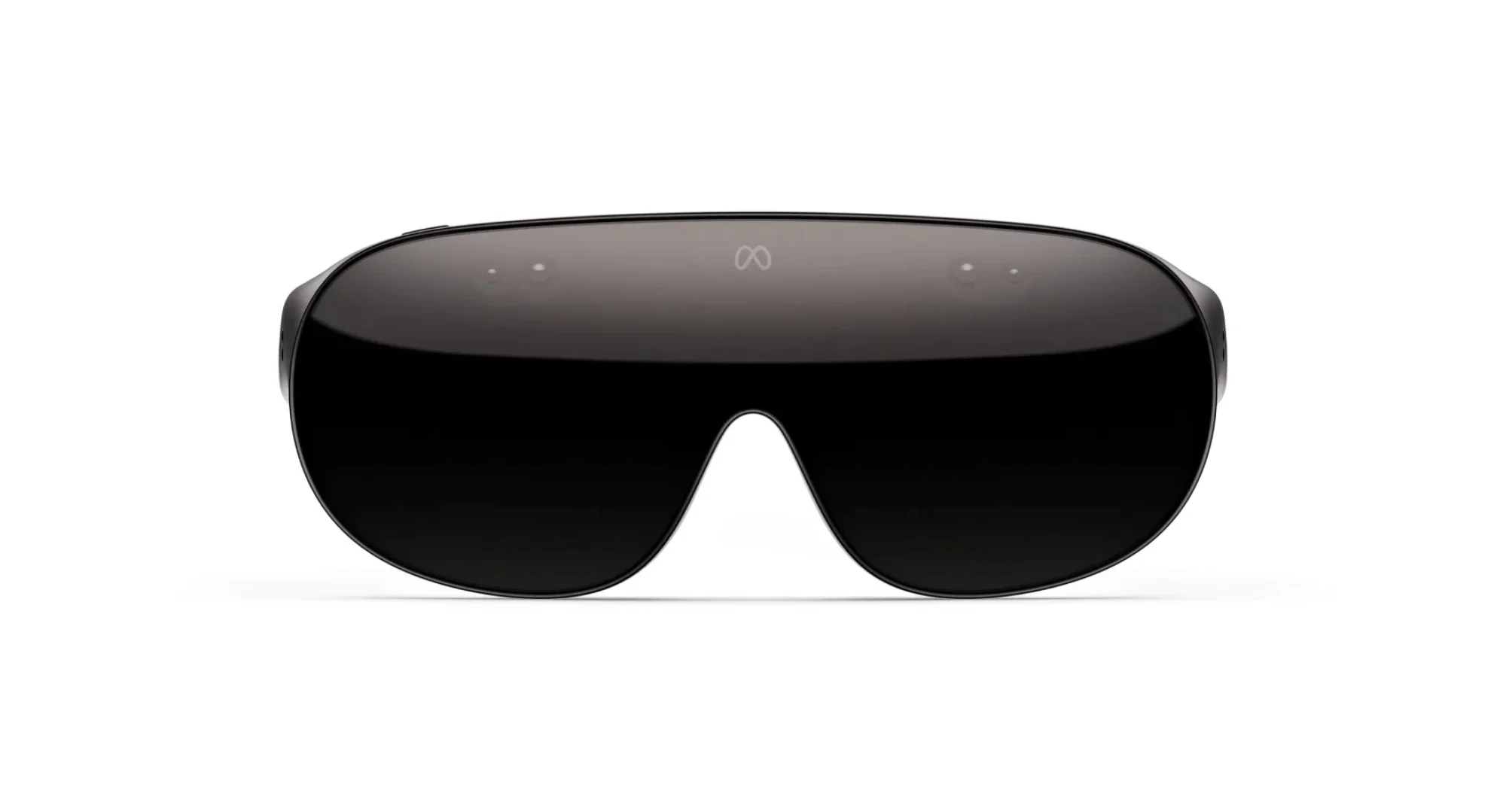
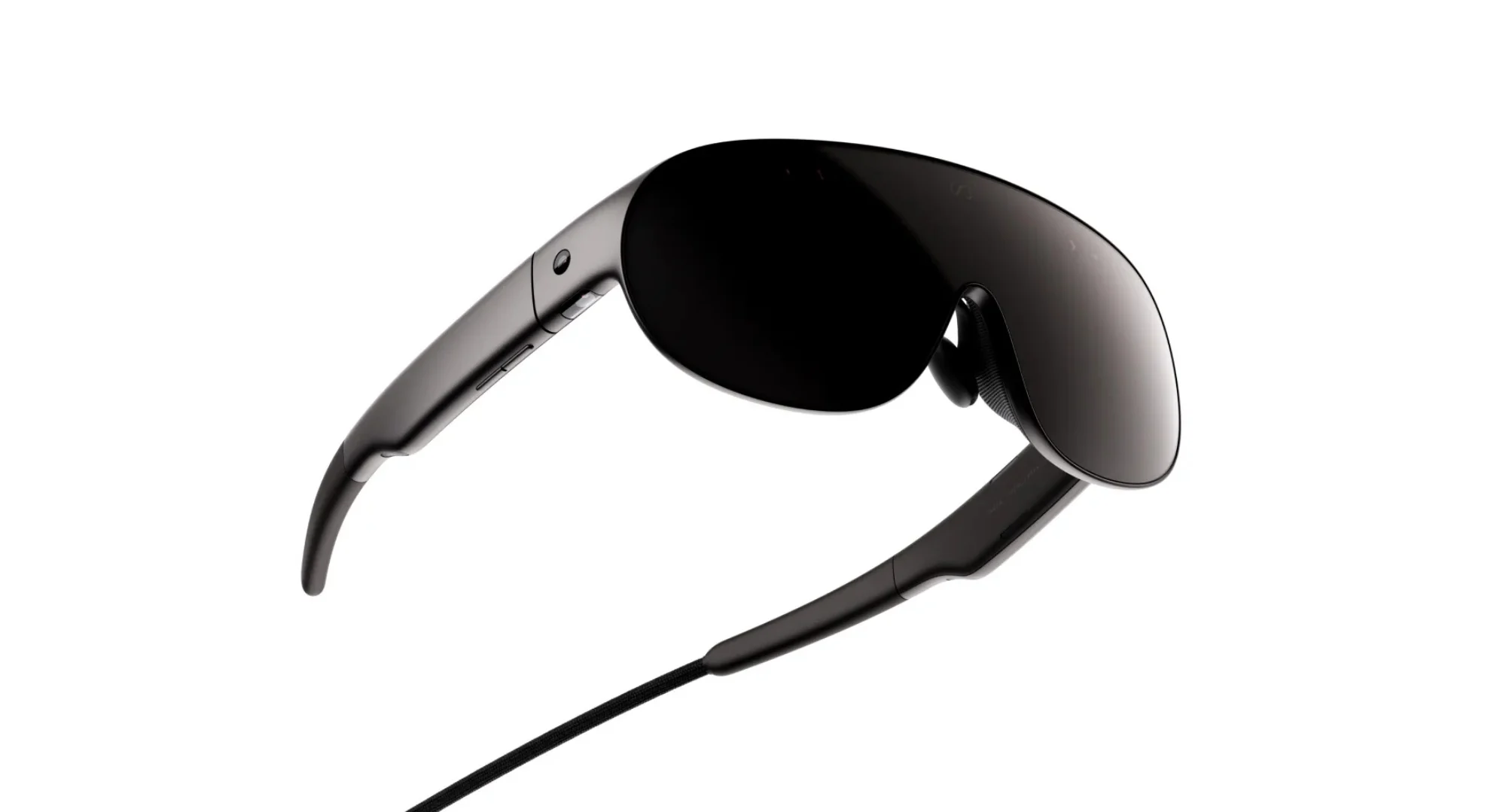
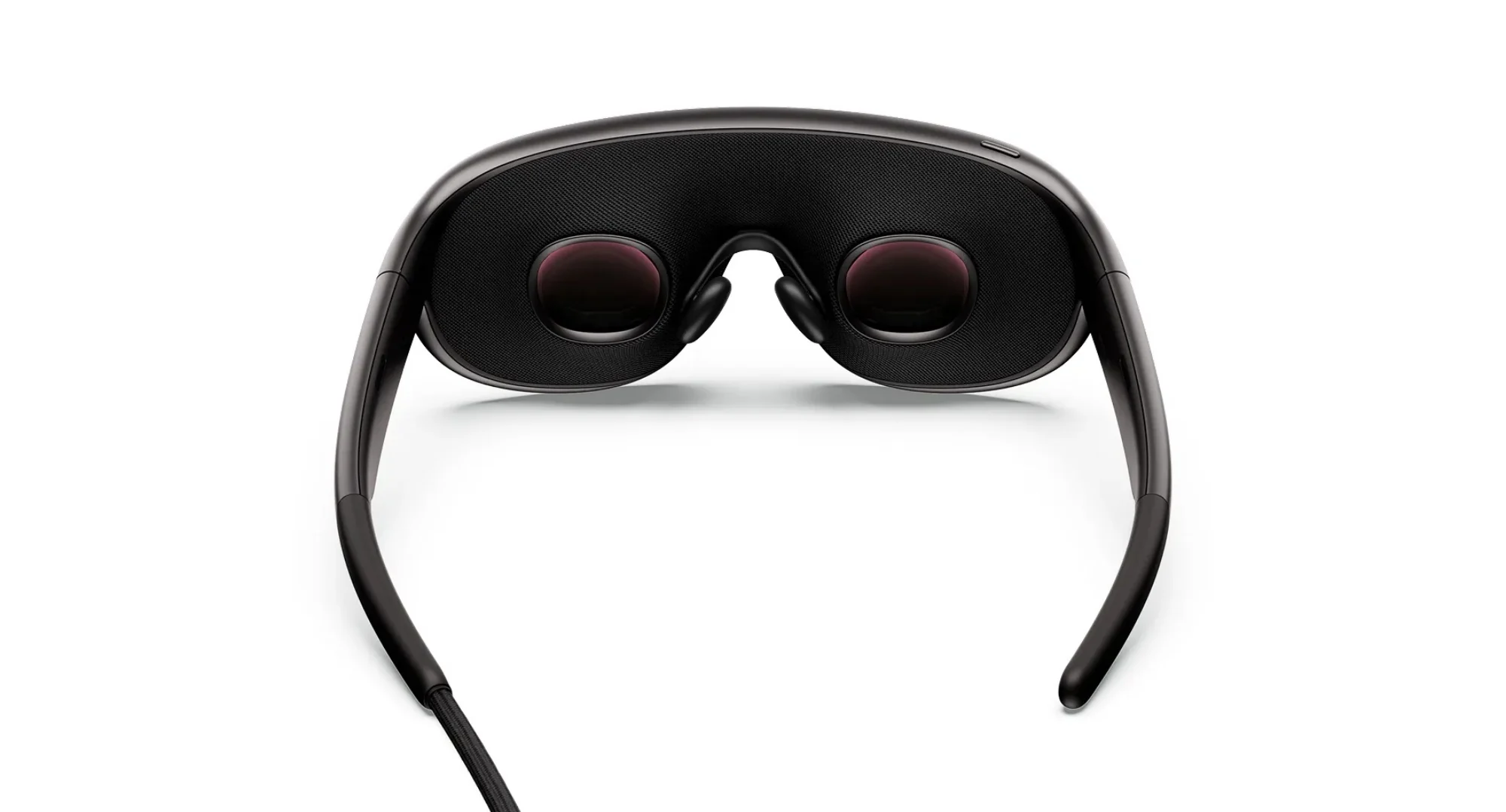
For visual output, the VR Glasses feature micro-OLED displays with a combined 5K resolution of 2412 x 2288 pixels per eye and a 120Hz refresh rate. Meta says the display provides 37 pixels per degree with a 70-degree horizontal field of view, while also supporting Dolby Vision.
The glasses also support Dolby Atmos audio, allowing users to watch films on large virtual screens without requiring a conventional television. They can also be used for productivity, including connecting to a computer and working with multiple virtual windows.
For gaming, Meta says more than 75 hand-controlled games will be available at launch. Users can also pair the glasses with Touch Plus controllers to play existing Quest VR titles.
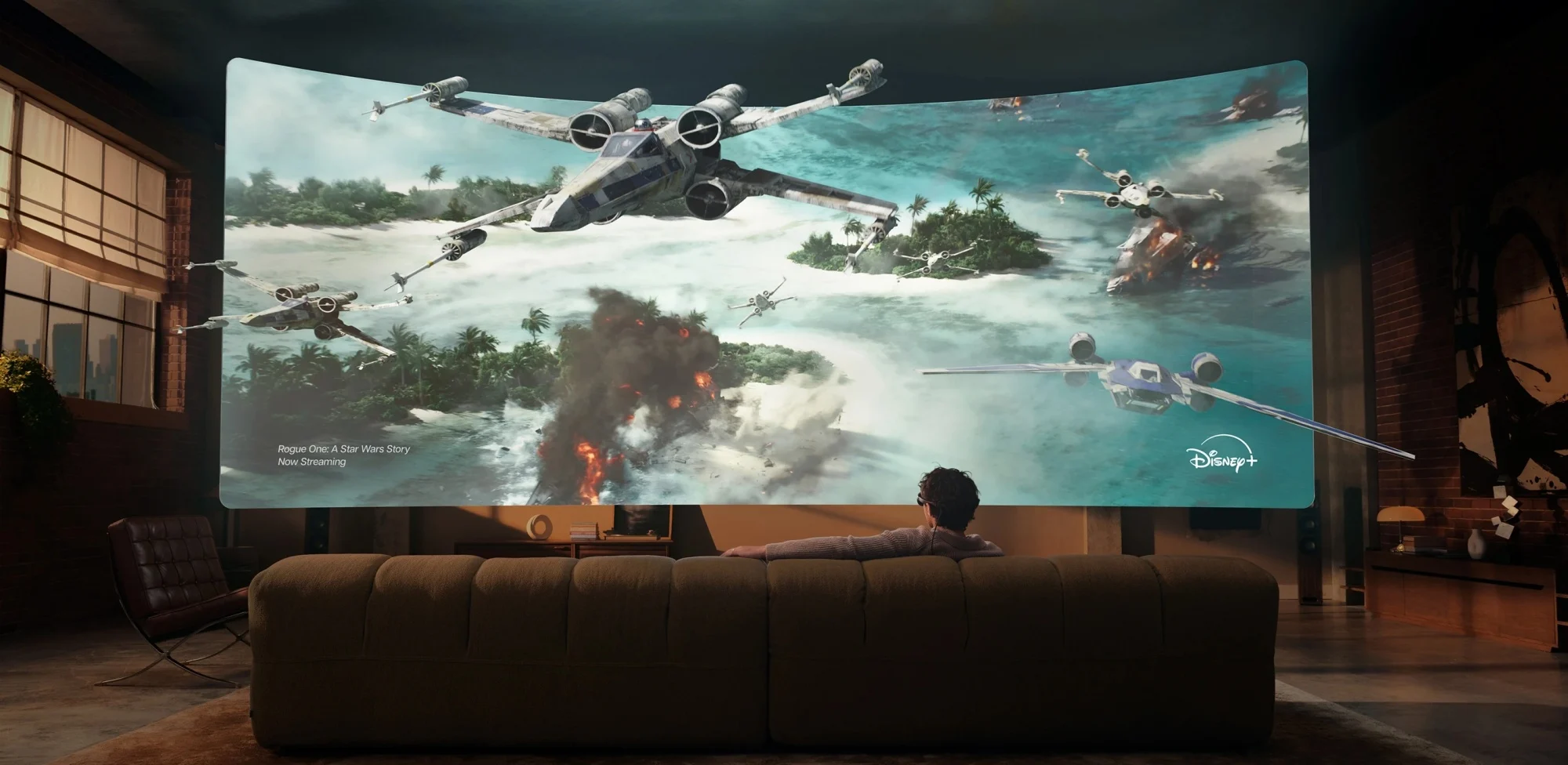 Image: MetaIMAX And 3D Movies
One of the more notable entertainment features is Meta’s partnership with IMAX. The company describes the device as the first IMAX Enhanced-certified VR device, allowing compatible films to take advantage of the expanded aspect ratio and high-resolution presentation associated with the format.
The glasses will also offer access to hundreds of 3D films for purchase or rental, alongside 3D content from streaming services. Meta has partnered with Disney, with Disney+ set to offer selected movies in 3D from November, including certain Marvel titles.
 Image: Meta
Meta is also introducing a VR Enhanced Cinema format that goes beyond displaying a movie on a virtual screen. Compatible films can incorporate immersive environments, dynamic visual effects, 3D elements and spatial audio that extend into the user’s physical surroundings.
Among the titles announced for the format are Avengers: Infinity War and Star Wars: Episode IV, A New Hope, which are due to arrive next year. National Geographic is also expected to launch a new app featuring 180-degree 3D video in 2027.
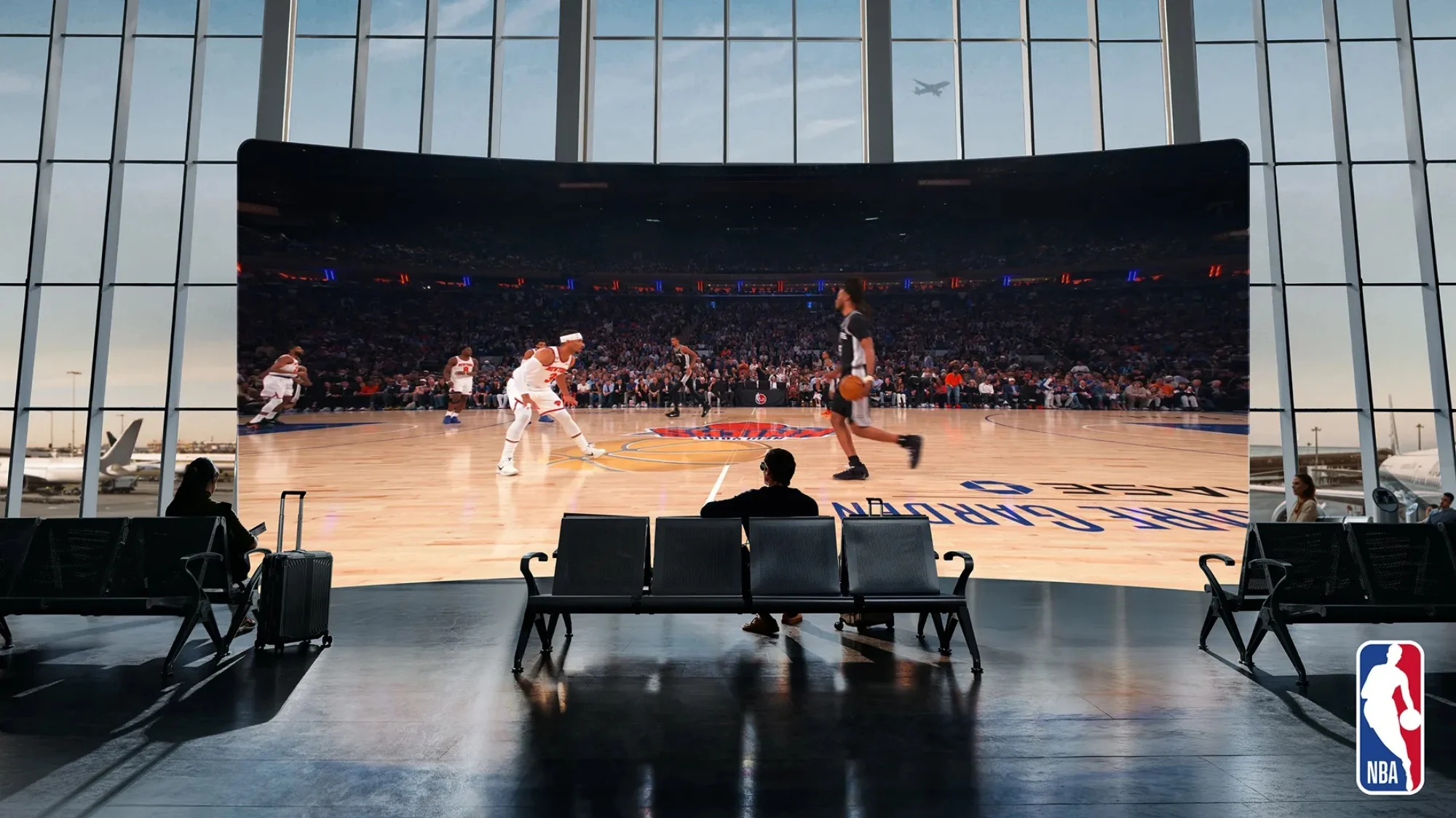 Image: MetaMeta AI And Gesture Controls
Meta AI is built into the VR Glasses, allowing users to issue voice commands for various functions. This includes controlling entertainment, such as asking the glasses to start playing a movie, while hand gestures provide another way of interacting with the virtual interface.
The full-colour passthrough system also allows users to see their surroundings while interacting with virtual content. Meta is additionally introducing a digital “Hologram” representation that can be used for virtual interactions with other people. Seeing that Meta is already collaborating with Disney, one could only hope we get an “Execute Order 66” simulation, but I digress.
The combination of passthrough, eye tracking, hand gestures and spatial content gives the glasses uses beyond conventional VR gaming. Meta is positioning them as a lightweight spatial computing platform that can be used for watching movies, gaming and conventional computer work.
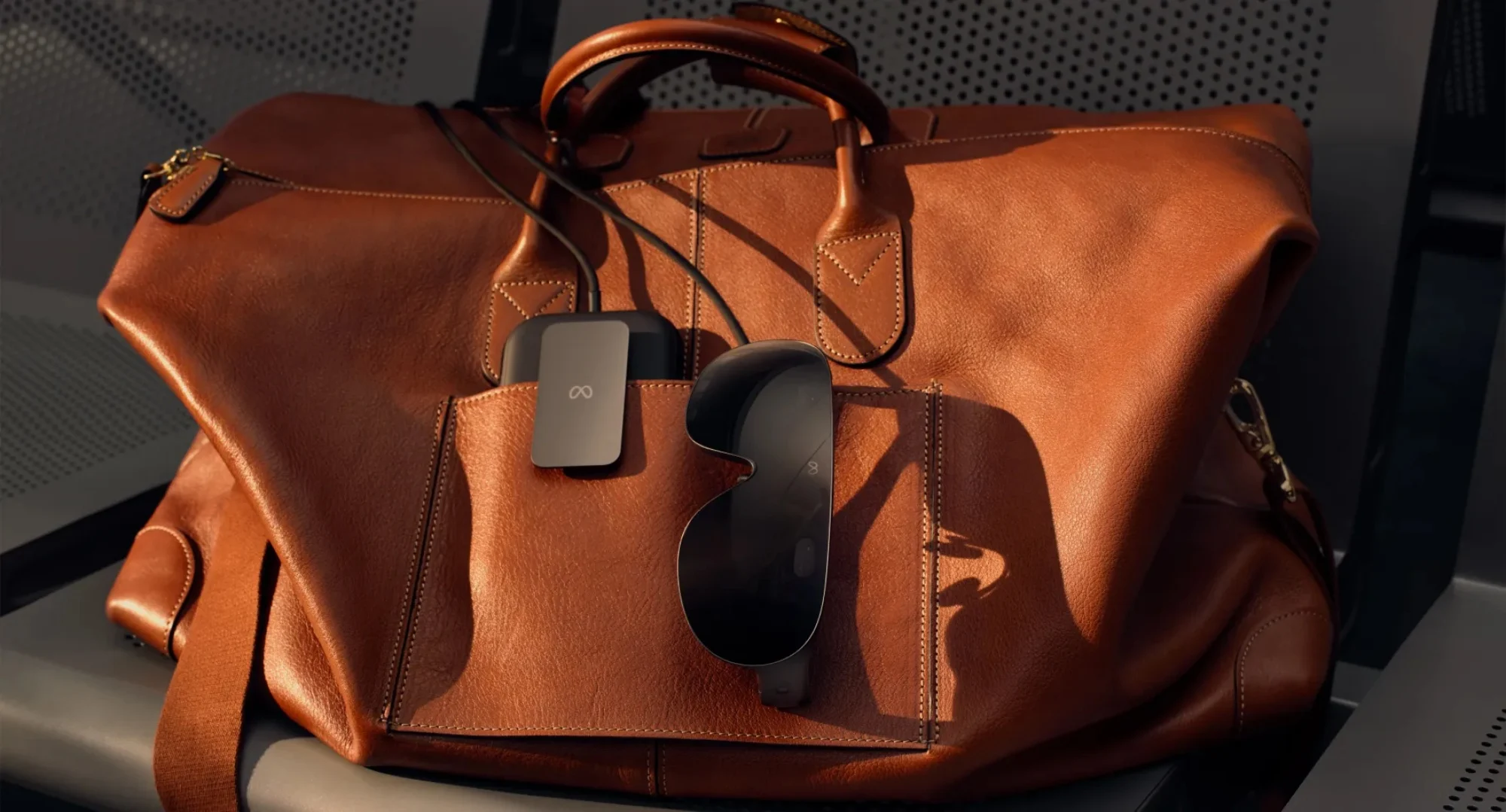 Image: MetaPricing And Availability
Meta says the VR Glasses will launch in spring 2027 with a very hefty price tag of US$1,299.99 (~RM5,300). However, the company has not announced Malaysian availability for the device.
As with several of Meta’s previous VR and AR products, it is therefore unlikely that the VR Glasses will be officially launched here. However, local retailers may eventually import the device, as some have already done with Meta’s existing Quest headsets and Ray-Ban smart glasses.
(Source: Meta [press release])