Просмотр новости
Найдите то, что Вас интересует
 Спутники
 РН
РН SpaceX
 Роскосмос
 NASA
NASA
СпутникиРНSpaceXРоскосмосNASALearn from a neurologist and an orthopaedic specialist how osteoporosis may be linked to cognitive decline and what you can do to protect your bone health.

 Prefer HTon Google

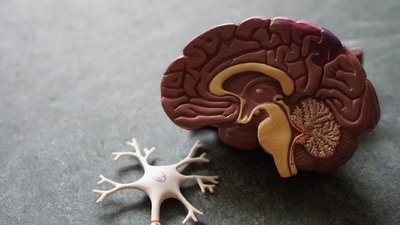
World Alzheimer's Day is observed on September 21 to raise awareness and challenge the stigma surrounding this neurodegenerative disease. Since it is progressive and has no cure, the focus remains on early symptom detection and identifying potentially modifiable risk factors. Emerging research is now exploring the possible link between weak bones and Alzheimer's risk.
And as researchers continue to identify potential risk factors, weak bones are being studied as one of them. We asked specialists in orthopaedics and neurology to explain the possible connection between bone health and Alzheimer's risk.
An association has been observed between poor bone health and cognitive decline. However, Dr Arun Shah, director of the Department of Neurosciences at Sir HN Reliance Foundation Hospital, Mumbai, clarified that weak bones have not been established as a direct cause of Alzheimer's disease.
How, then, might the two be connected? The neurologist highlighted chronic inflammation as one possible link. He said, "Osteoporosis and neurodegenerative diseases can both involve inflammatory processes. Age-related changes in hormones, blood vessels, and metabolism may also affect both bone remodeling and brain health.”
He also mentioned osteocalcin, a hormone produced by bone cells that has been linked to memory, learning, and brain function in experimental research.
Next, Dr Shah addressed the mobility issues caused by falls and fractures in older adults. These injuries may lead to prolonged immobility, hospitalization, and loss of independence, factors that may contribute to cognitive decline.
 Osteoporosis causes bones to become brittle, making you more vulnerable to fractures. (Picture credit: Shutterstock)
Dr Vaibhav Bagaria, director of orthopaedics at Sir HN Reliance Foundation Hospital, Mumbai, also discussed the possible connection. Although one condition may not directly affect the other, they may be linked through what is known as the ‘bone-brain axis.’
He said, “We usually think of osteoporosis and Alzheimer’s disease as two very different problems of ageing. One weakens the bones, while the other affects memory and thinking. But scientists are now looking more closely at a possible connection between the two, often referred to as the ‘bone–brain axis.'”
However, like the neurologist, the orthopaedic specialist ruled out a direct correlation, sharing that the two conditions may instead share common risk factors and biological processes.
Dr Bagaria too emphasised inflammation as being one of the reasons, along with other lifestyle troubles: “As we grow older, chronic inflammation and oxidative stress can affect both bone-forming cells and brain cells. Hormonal changes, particularly the decline in estrogen after menopause, can contribute to bone loss and may also have implications for brain health. Vitamin D deficiency, lack of physical activity, smoking, poor nutrition, and metabolic problems can affect both.”
Both specialists recommended keeping bones healthy through regular weight-bearing exercise, adequate intake of protein, calcium, and vitamin D, maintaining muscle strength, avoiding smoking, and staying physically active. They also urged people over 50, particularly postmenopausal women and those at risk of osteoporosis, to make bone health an important part of healthy ageing.
In the end, Dr Bagaria reminded, “The science has not established that treating osteoporosis can prevent Alzheimer’s. But it is increasingly clear that our bones and brain may not be as independent as we once believed.”
Note to readers: This article is for informational purposes only and not a substitute for professional medical advice. Always seek the advice of your doctor with any questions about a medical condition.

Adrija Dey’s proclivity for observation fuels her storytelling instinct. As a lifestyle journalist, she crafts compelling, relatable narratives across diverse touchpoints of the human experience, including wellness, mental health, relationships, interior design, home decor, food, travel, and fashion that gently nudge readers toward living a little better. For her, stories exist in flesh and bones, carried by human vessels and shaped through everyday endeavours. It is the small stories we live and share that make us human. After all, humans and their lores are the most natural and raw repositories of stories, and uncovering them, for her, is akin to peeling an orange under a winter afternoon sun. Always up for a chat, she believes the best stories come from unfiltered yapping, where "too much information" is kind of the point. A graduate of Indraprastha College for Women, University of Delhi, and an alumna of the Indian Institute of Mass Communication (IIMC), Delhi, Adrija spends her idle hours cocooned with herbal tea and a gripping thriller, scribbling inner monologues she loosely calls poetic pieces, often with her succulents in attendance. On lazier days, she can be found binge-watching, for the nth time, one from her comfort-show holy trinity: The Office (US), Brooklyn Nine-Nine, or Modern Family. Dancing by herself to her peppy playlists, however, is an everyday ritual she swears by religiously.Read More
Catch every big hit, every wicket with Crick-it, a one stop destination for Live Scores, Match Stats, Quizzes, Polls & much more. Explore now!.
Catch your daily dose of Fashion, Taylor Swift, Health, Festivals, Travel, Relationship, Recipe and all the other Latest Lifestyle News on Hindustan Times Website and APPs.
See Less