Просмотр новости
Найдите то, что Вас интересует
 Спутники
 РН
РН SpaceX
 Роскосмос
 NASA
NASA
СпутникиРНSpaceXРоскосмосNASAResearchers found consumer spy-device detectors provided only a small improvement in finding hidden cameras and trackers, while confusing alerts could create dangerous false reassurance.
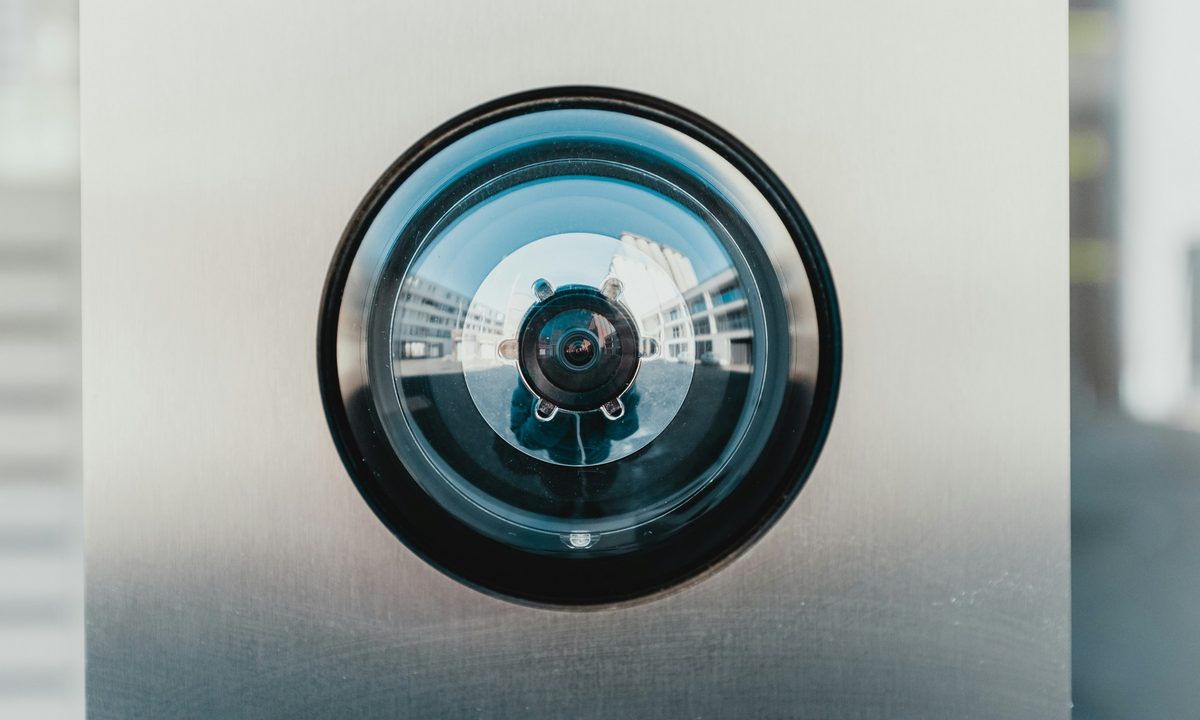 Bernard Hermant / Unsplash
Hidden cameras and other kinds of spy devices have become a big problem in the modern era. A new study suggests the gadgets being sold for that job may provide far less protection than buyers expect. Researchers from University College London tested 19 consumer surveillance-detection tools across eight interface types, asking 34 participants to find hidden devices inside a simulated living room.
Without any detector, participants missed 67% of the surveillance devices. Give them a detection tool, and the miss rate fell to 59%. This is an improvement, but one that still left most concealed devices undiscovered.
Finding a signal is only half the problemConsumer detectors approach the problem in several ways, including looking for radio-frequency signals, scanning Wi-Fi or Bluetooth networks, and attempting to spot infrared light or reflections from camera lenses. The researchers found that how understandable the detector was mattered enormously.
 Digital Trends
Products that provided a navigable list of detected devices and clear instructions performed better than tools presenting users with difficult-to-interpret signal-strength readings. Then there are false alarms that increase anxiety, while unclear failures sometimes led participants to blame themselves.
Recommended Videos
Some designs introduced an even more serious problem. Researchers found detectors that produced loud sounds during operation, potentially alerting an abusive partner that someone was searching for surveillance equipment. This defeats the purpose of discovering the spying device discreetly.
The spy gadgets are easier to find than the spiesUCL researchers identified roughly 1,000 covert surveillance products and 500 detection tools available through mainstream online marketplaces in the UK. Hidden cameras and microphones could be disguised as ordinary objects, including USB chargers, clocks, and toys.
 Vikhyaat Vivek / Digital Trends
So the study puts some uncomfortable distance between what these detectors promise and what ordinary users can realistically achieve with them. Researchers believe that clear instructions work best, with specific designs for at-risk users also being quite helpful.
They also argue that improving detectors alone doesn’t solve the wider problem while covert surveillance devices remain so easily obtainable. A gadget that occasionally misses a hidden camera is already a bad detector. So if you’re relying on it, it can give a false sense of security and safety.

Vikhyaat Vivek is a tech journalist and reviewer with seven years of experience covering consumer hardware, with a focus on…
A tight squeeze could fix the biggest hurdle for solid-state car and gadget batteries
A simple mechanical trick could replace complex chemistry fixes to make solid-state batteries safer, faster, and more reliable.

Solid-state batteries have long been promised as the holy grail of energy storage. They promise to double energy density compared to traditional options, slash charging times, and eliminate the risk of thermal fires. Despite that, the technology has yet to achieve widespread commercial adoption, and the main culprit is dendrites. These microscopic, needle-like structures form inside solid-state batteries during charging, bore through the solid ceramic electrolyte, and bridge the electrodes, causing a short circuit.
Now, researchers from SLAC National Accelerator Laboratory and Stanford University have discovered a surprisingly simple fix for this persistent problem. According to a paper published in the science journal Nature, applying controlled mechanical pressure to the ceramic electrolyte prevents these short circuits, allowing test cells to survive thousands of charge cycles without failing.
Anthropic previews new standard to streamline AI-to-machine connections
The Model Hardware Standard provides a universal translation layer, giving AI agents standard controls to run lab equiment and factory machines.
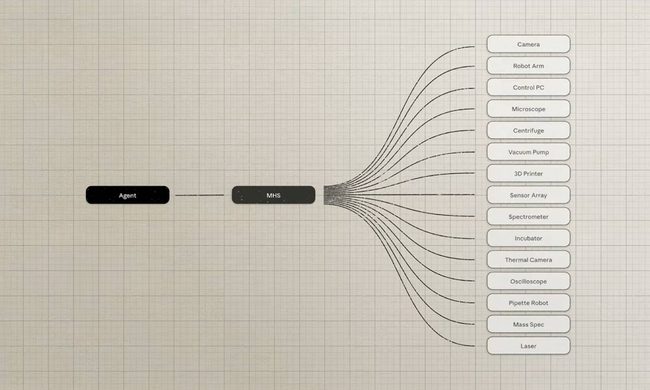
Anthropic has launched a research preview of its Model Hardware Standard (MHS), a shared specification designed to let AI agents safely control lab instruments and factory equipment. The company claims MHS reduces the time required to integrate complex machinery with AI from months down to hours or minutes. The standard is currently available to select research labs and manufacturers via a waitlist, but Anthropic plans to open-source it in the future.
How the standard connects AI to physical devices
Gemini Omni can now extend videos to 40 seconds and upscale them to 4K

Generating a short AI video is one thing; getting several shots to actually look like they belong in the same video is a much harder problem. Google is taking another swing at that with Gemini Omni 1.1 Flash, its latest generative video model aimed at giving creators and developers much more control over what happens between the first frame and the last.
The biggest change is how much of an existing video Gemini can remember when you ask it to continue a scene. Omni 1.1 can look at up to 10 seconds of previous footage for context, rather than relying on just the final second. That should help it keep characters, environments, and the general direction of a scene more consistent instead of effectively guessing what should happen next.
| # | Наименование новости | Тональность | Информативность | Дата публикации |
|---|---|---|---|---|
| 1 | Spy-device detector users miss nearly 60% of hidden gadgets | 0 | 11.21 | 24-08-2026 |
| 2 | Stingray detectors provide little protection | 0 | 7.81 | 11-08-2017 |
| 3 | Cyber-Experte warnt vor vernetzten Billigkameras, die Einblicke ins Zuhause ermöglichen | -2 | 6 | 09-05-2026 |
| 4 | The Hidden Safety Risk of AI: Losing the Ability to Recover | 0 | 7.71 | 06-08-2026 |
| 5 | British Police Built a Sprawling Crime-Prediction Machine. Some Results Couldn’t Be Trusted | 0 | 7 | 25-06-2026 |
| 6 | Researchers say AI chatbots may blur the line between reality and delusion | 0 | 6.23 | 11-05-2026 |
| 7 | Secret Service phone security lapses put US officials at risk, watchdog says | 0 | 7 | 26-06-2026 |
| 8 | Some AI browsers come with major security risks | 0 | 7.74 | 20-07-2026 |
| 9 | Another Problem With AI-Assisted Police Reports: Companies Can Have Incentives to Distort Their Content | 0 | 9.74 | 28-08-2026 |