Просмотр новости
Найдите то, что Вас интересует
 Спутники
 РН
РН SpaceX
 Роскосмос
 NASA
NASA
СпутникиРНSpaceXРоскосмосNASAFuture forensic scientists, get out your corn syrup and red food coloring! It’s time to fake a crime scene.
Compare the size of fake blood stains to the distance they fell
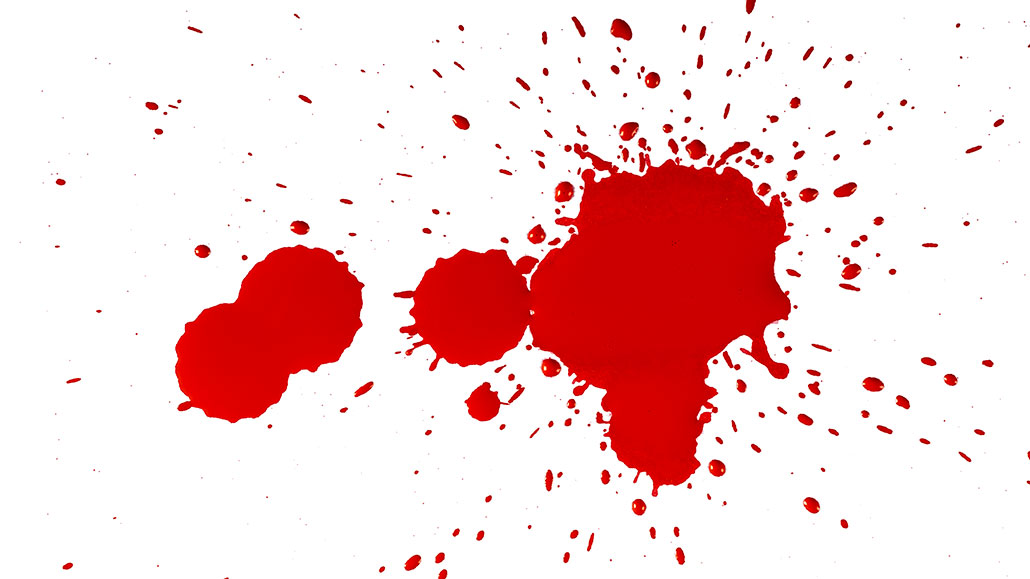
Forensic scientists analyze blood spatters to solve crimes. (This image shows a splash of red paint.)
Jose A. Bernat Bacete/Moment/Getty Images Plus
Objective: To investigate how, in the field of forensic science, the size of blood spatter correlates to the distance from which the blood fell.
Areas of Science: Physics
Difficulty: Intermediate medium
Time required: Very Short (≤ 1 day)
Prerequisites: None
Material availability: Readily available.
Cost: Low ($20 – $50)
Safety: This topic can be a little scary. If you are squeamish, you may want to choose another topic. Adult supervision is required when doing background research, especially online, on this topic.
Credits: Michelle Maranowski, Ph.D., and Teisha Rowland, Ph.D., Science Buddies
The word forensic comes from the Latin word forensis, which means of or before the forum. “During the time of the Romans, a criminal charge meant presenting the case before a group of public individuals in the forum. Both the person accused of the crime and the accuser would give speeches based on their side of the story. The individual with the best argument and delivery would determine the outcome of the case. Basically, the person with the sharpest forensic skills would win. This origin is the source of the two modern usages of the word ‘forensic’ — as a form of legal evidence and as a category of public presentation.” (Wikipedia, 2008)
Today, the use of scientific evidence is so prevalent in the courtroom that the term forensics has become associated with forensic science. Forensic science is any science that is used in the courts or judicial system and it is extremely vital. The goal of a forensic scientist is to remain impartial and to appraise all of the available evidence in order to determine the truth.
Forensic science includes many areas of study, such as criminalistics, engineering science, pathology and biology. If a sports player were to die suddenly while playing a game, a forensic scientist with a specialty in pathology and biology would be called in to find out the cause. The scientist might have to perform an autopsy and examine the body to determine if the death had a natural cause — such as a health problem — or not. (To find out more about a related career, you can check out the Science Buddies career profile on pathologists.)
On the other hand, a forensic engineer may need to apply engineering principles to the purposes of law investigations. For example, a forensic scientist with specialty training as a civil engineer may study failure analysis and evaluate the quality of construction and manufacturing of structures involved in a crime or catastrophic event. They may look into why a particular car rolled over or why a building or bridge collapsed.
In general, to become a forensic scientist, you may need to study math, science and engineering. To find out more about being a forensic scientist, you can check out the Science Buddies career profile on forensic science technicians.
In this forensics science project, you will investigate how the size of blood spatter changes depending on the height that the blood was dropped from, but you will be using fake blood instead of real blood. In crime scenes where people are wounded, investigators apply principles of blood spatter analysis by taking measurements, such as of the diameter of the blood spatter, to figure out what happened. How do you think the diameter of the spatter changes as blood is dropped from different heights? Find out by trying your hand at collecting evidence in this science project and remember that solving mysteries is serious work!
Terms and conceptsTo investigate how, in the field of forensic science, the size of blood spatter correlates to the distance from which the blood fell.
ResourcesThe following sources will help you learn more about forensic science:
Making the simulated blood
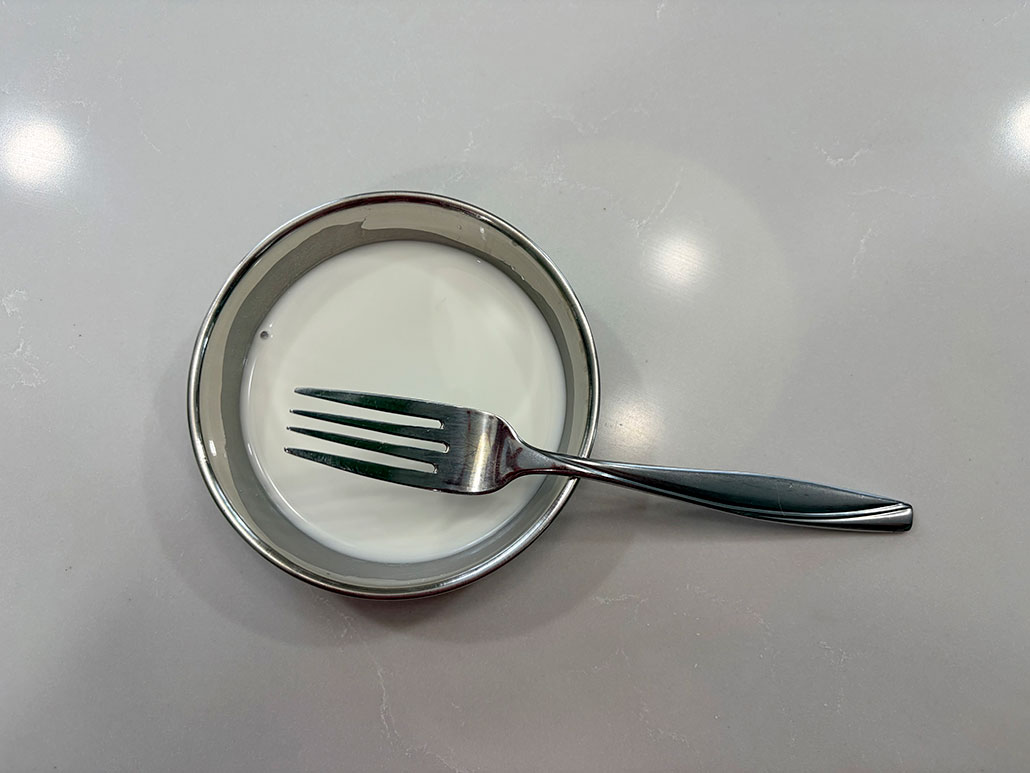 Figure 1. Mix the water into the cornstarch until the mixture is smooth.S. Zielinski
3. Add 60 mL (4 tbsp) of corn syrup to the bowl and mix thoroughly. The mixture should be smooth, as shown in Figure 2 below.
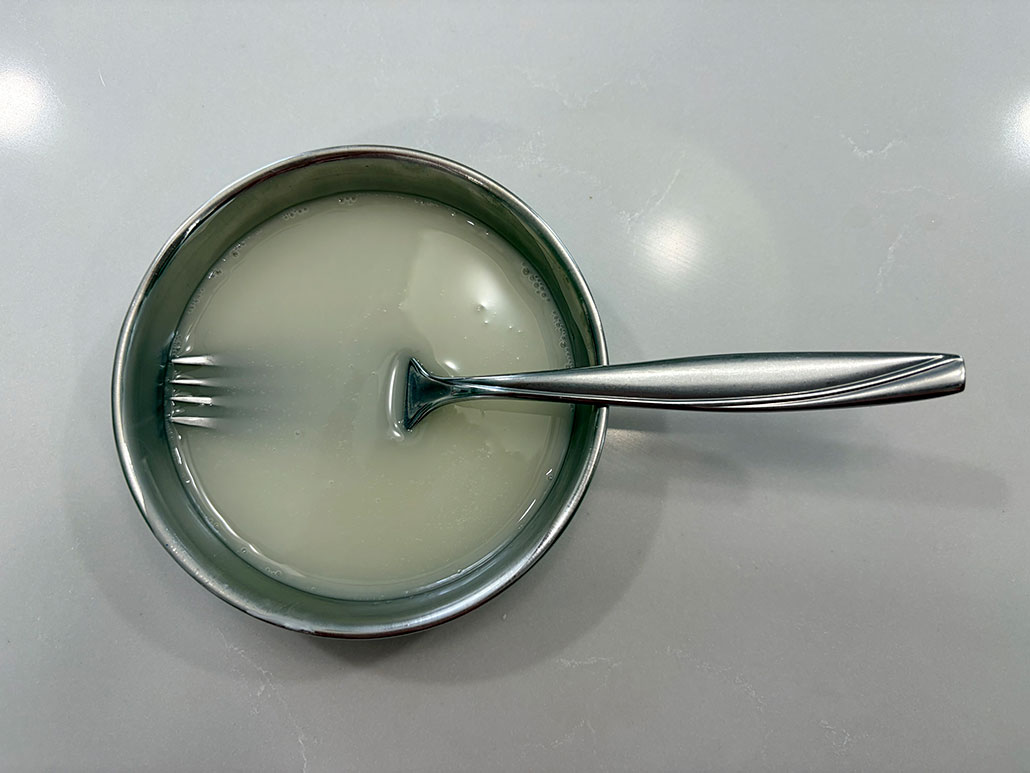 Figure 2. Mix the corn syrup into the mixture until it is smooth.S. Zielinski
4. Mix in 5 mL (1 tsp) of red food coloring. Stir until the mixture is a consistent color, as shown in Figure 3 below.
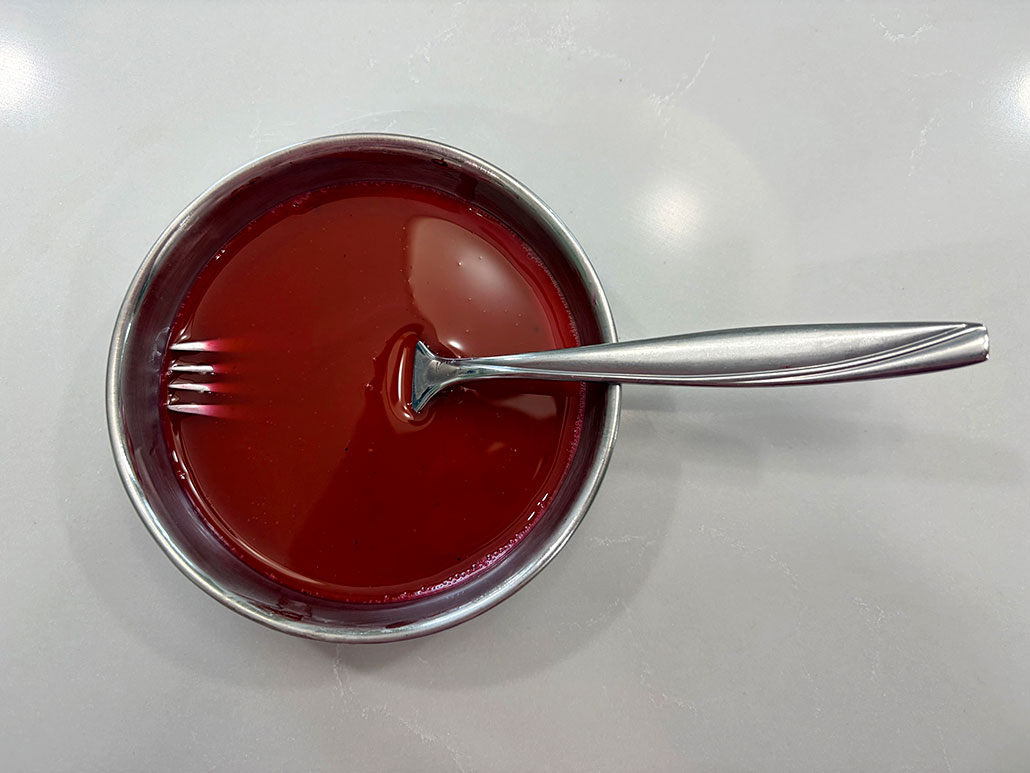 Figure 3. A bowl of simulated blood (cornstarch, corn syrup, water and red food coloring).S. Zielinski
Blood spattering
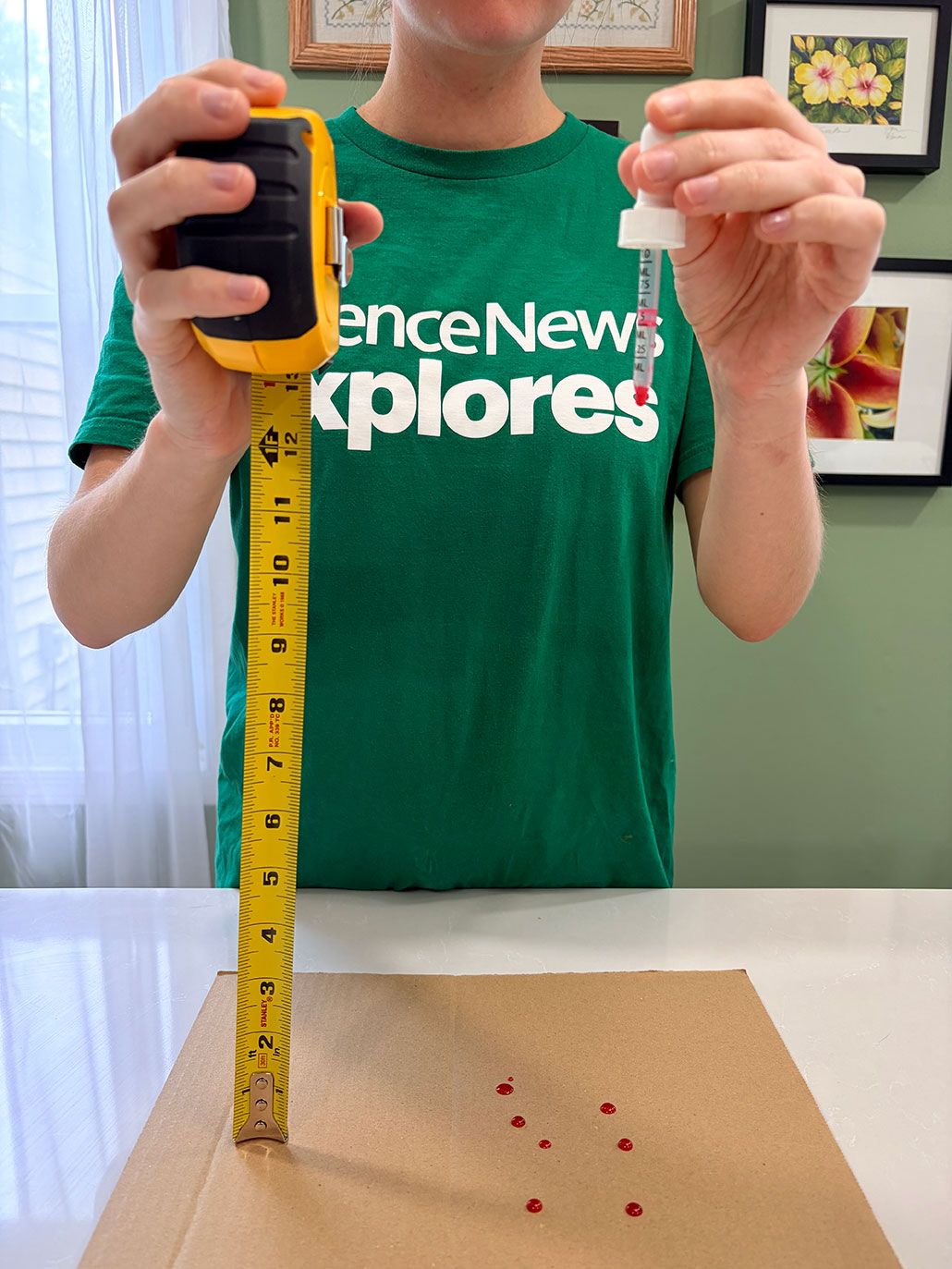 Figure 4. Hold the medicine dropper 30 cm or 12 in above the cardboard piece, holding the dropper in a vertical position.S. Zielinski
| Drop height (cm) or (in) | Drop | Drop diameter (mm) or (in) | Average drop diameter (mm) or (in) |
| 30 | 1 | ||
| 2 | |||
| 3 | |||
| … | |||
| 10 | |||
| 60 | 1 | ||
| 2 | |||
| 3 | |||
| … | |||
| 10 | |||
| 90 | 1 | ||
| 2 | |||
| 3 | |||
| … | |||
| 10 | |||
| etc. | etc. |
This activity is brought to you in partnership with Science Buddies. Find the original activity on the Science Buddies website.

| # | Наименование новости | Тональность | Информативность | Дата публикации |
|---|---|---|---|---|
| 1 | Страшный эксперимент... | 0 | 10 | 28-08-2026 |
| 2 | Reallabore in der Agrar-, Lebensmittel- und Ernährungsforschung: Wie sie gestaltet werden können | 0 | 10 | 07-07-2026 |
| 3 | Analizan el potencial de la genealogía genética para resolver crímenes complejos | 0 | 10 | 05-05-2026 |
| 4 | опыт | 0 | 0 | 04-07-2026 |
| 5 | Real Science, No Action: Why Forensics: Crime Scene Detective is the Ultimate Game for True Crime Nerds | 0 | 4.23 | 23-07-2026 |
| 6 | Минсельхоз РФ предложил интегрировать систему маркировки с учетом объемов добытой воды | 0 | 0 | 15-09-2020 |
| 7 | Thought Experiment: Behavior of shadow of object moving at speed c | 0 | 5 | 09-12-2025 |
| 8 | Students build a “cosmic radio” to listen for dark matter | 0 | 7.48 | 27-04-2026 |
| 9 | Explorer la lumière et les contraintes au cœur des micro-fils | 0 | 5 | 04-06-2026 |