Просмотр новости
Найдите то, что Вас интересует
 Спутники
 РН
РН SpaceX
 Роскосмос
 NASA
NASA
СпутникиРНSpaceXРоскосмосNASAIndia’s dry woodland cover has expanded sharply over the past decade, but new satellite analysis shows that tree-cover gains do not always mean native forests are recovering. India appears to have dramatically expanded one of its most overlooked ecosystems over the past decade. A new study found that the country gained about 2.1 million hectares [...]
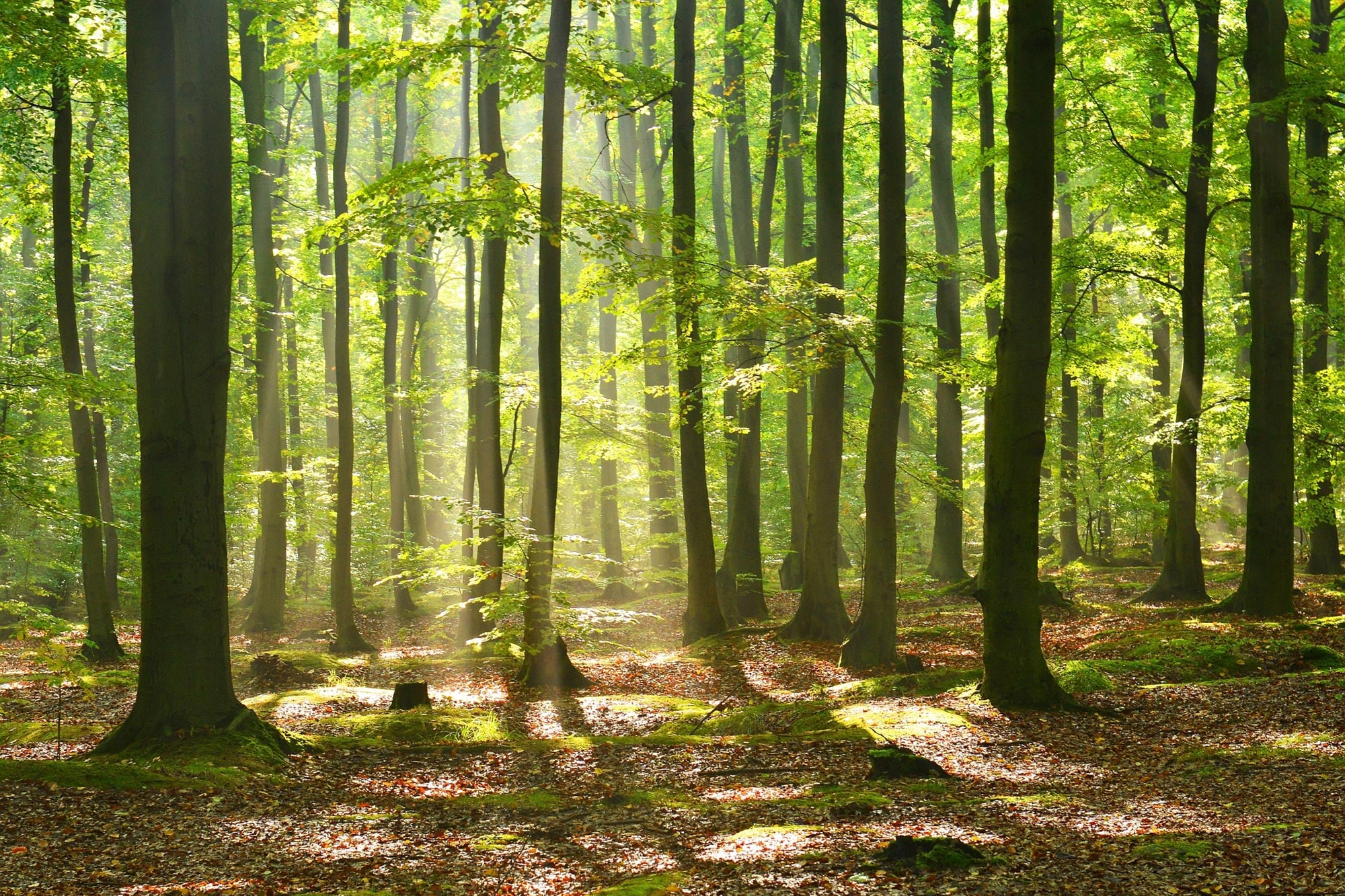 A decade-long analysis reveals a major increase in India’s tropical dry woodlands, highlighting the impact of large-scale restoration efforts. Credit: Shutterstock
India’s dry woodland cover has expanded sharply over the past decade, but new satellite analysis shows that tree-cover gains do not always mean native forests are recovering.
India appears to have dramatically expanded one of its most overlooked ecosystems over the past decade. A new study found that the country gained about 2.1 million hectares (5.2 million acres) of tropical dry woodland between 2014 and 2024, an area larger than Wales, highlighting the scale of recent tree planting and restoration efforts.
But the findings also suggest that the story behind the gains is more complex than national tree cover statistics imply.
While woodland cover has increased across large areas of the country, some native dry forests continue to disappear, raising important questions about the difference between expanding tree cover and true forest recovery.
What did the study find?The study used high-resolution satellite imagery to track changes in India’s tropical dry woodlands over a ten-year period. These ecosystems cover large parts of the country, yet they have received much less scientific and conservation attention than tropical rainforests.
The researchers found that woodland cover increased substantially overall. Part of that growth appears to be linked to major government-supported restoration efforts, including the Green India Mission, the Compensatory Afforestation Fund, and the National Afforestation Program.
The results indicate that these programs are leaving a clear mark on the landscape.
Where are the new woodlands appearing?The study identified different patterns on government-managed forest land and on land outside those areas.
In forests administered by the state, gains are likely connected to restoration and conservation programs designed to expand forest cover and support climate targets.
Beyond government land, however, much of the increase appears to be tied to commercial timber plantations and tree crops planted within agricultural landscapes.
Why this mattersIndia’s tropical dry woodlands are vital ecosystems, but they are often overlooked.
They provide habitat for wildlife, help store carbon, and support the livelihoods of millions of people, particularly in poorer rural communities.
The researchers say it is important to know what type of woodland is expanding and where that growth is happening. That distinction matters for biodiversity, climate policy, and local communities.
Tree cover is not always the same as forest recoveryThe researchers caution that rising tree cover in national statistics does not necessarily mean natural forests are being restored.
During the study period, some native dry woodlands within protected or government-managed areas continued to decline.
Plantations can offer economic value and climate benefits, but scientists say they cannot always replace the biodiversity or ecological functions of long-established natural woodlands.
How researchers tracked the changesThe team used satellite images to reconstruct changes in woodland cover across India from 2014 to 2024 in very fine detail.
That approach allowed them to see where woodland expanded, where it disappeared, and how the trends varied across different landscapes and ownership types.
What the researchers said“Our study shows that India has seen substantial gains in dry woodland cover over the past decade,” said lead author Dhanapal Govindarajulu. “A lot of this appears linked to major restoration and afforestation programmes, which demonstrates the scale of change that government policy can achieve – but we also found that not all woodland gains are the same.”
“If we only look at national tree-cover numbers, we risk missing what is happening to native ecosystems on the ground.”
Why it matters nowMany countries are making major commitments to tree planting and forest restoration as part of climate and biodiversity goals.
The researchers say the study shows why headline figures are not enough. To judge whether restoration is truly working, scientists and policymakers need to know whether new tree cover is protecting natural ecosystems, supporting wildlife, and benefiting nearby communities.
Reference: “Contrasting patterns of deforestation and reforestation in India’s tropical dry woodlands” by Dhanapal Govindarajulu, Timothy Foster, Rose Pritchard, Matthias Baumann, Tobias Kuemmerle, Bhumika Morey, Abhijeet Parmar, Ashwini Chhatre and Johan A Oldekop, 30 April 2026, Environmental Research Letters.
DOI: 10.1088/1748-9326/ae61cb
Never miss a breakthrough: Join the SciTechDaily newsletter.
Follow us on Google and Google News.