Просмотр новости
Найдите то, что Вас интересует
 Спутники
 РН
РН SpaceX
 Роскосмос
 NASA
NASA
СпутникиРНSpaceXРоскосмосNASABill Gurley spent years on Wall Street, built his career as a partner at Benchmark, worked through Uber’s hypergrowth era, and now serves on the board of the Santa Fe Institute, where he studies complexity and systems thinking. Available Now: YouTube | Spotify | Apple Podcasts | Transcript | X In this episode, Bill shares …
The post Mental Models That Change How You Think | Bill Gurley appeared first on Farnam Street.
Bill Gurley spent years on Wall Street, built his career as a partner at Benchmark, worked through Uber’s hypergrowth era, and now serves on the board of the Santa Fe Institute, where he studies complexity and systems thinking.
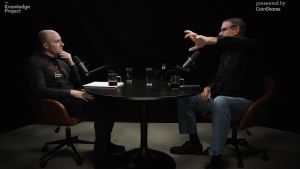
Obsessive Learning in Founders
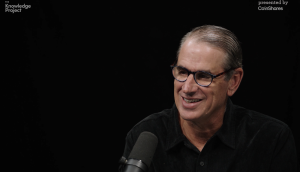
The Future of AI Models
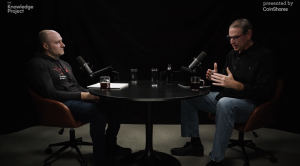
What is a Stablecoin?
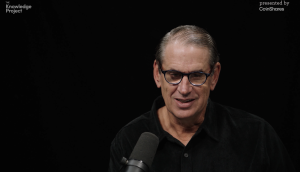
The Craft of Storytelling and Writing
Available Now: YouTube | Spotify | Apple Podcasts | Transcript | X
In this episode, Bill shares the mental models he returns to most often, including systems thinking, second- and third-order effects, and the importance of understanding both the bedrock of your field and the bleeding edge.
He explains what separates great founders, why storytelling and product instincts matter, how he uses AI across different models, and what he sees coming in open source, China, stablecoins, tokenization, payments, and venture capital.
+ Check out Runnin’ Down a Dream: How to Thrive in a Career You Actually Love
++ Check out the Granola Notes
Tiny LessonsGet transcripts, early access, ad-free episodes, and so much more. Learn more or sign up now.
Already a member? Head over to the Members Only area to access transcripts and other Member Only content.
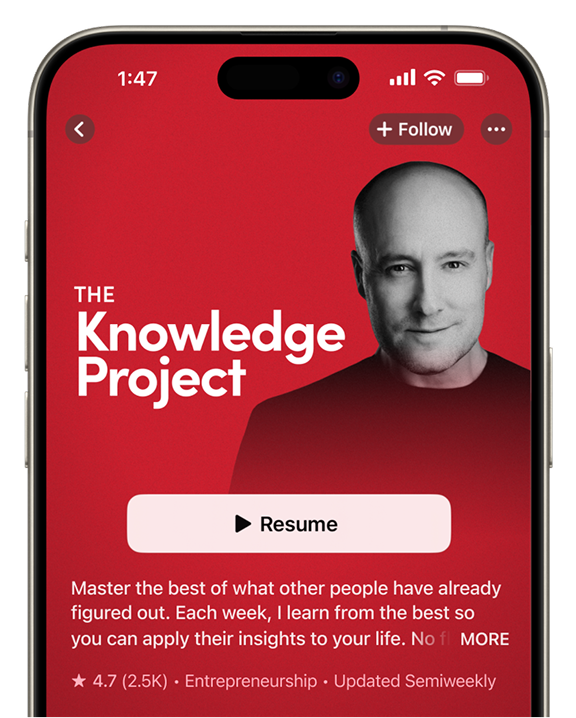
A podcast about mastering the best of what other people have already figured out. The Knowledge Project focuses on insights and lessons that never expire. You’ll walk away from every episode with actionable insights that help you get better results and live a more meaningful life.
A podcast about mastering the best of what other people have already figured out.
| # | Наименование новости | Тональность | Информативность | Дата публикации |
|---|---|---|---|---|
| 1 | Nicolai Tangen: The $2 Trillion Mind | 0 | 14.17 | 12-02-2026 |
| 2 | The Mindset That Unlocks Your Full Potential | Dr. Gio Valiante | 0 | 7.47 | 30-06-2026 |
| 3 | [Outliers] John D. Rockefeller: The Principles Behind The Greatest Fortune in History | 0 | 6.6 | 23-07-2026 |
| 4 | [Outliers] Phil Knight: The Obsession That Built Nike | 0 | 6.69 | 19-02-2026 |
| 5 | Winston Weinberg: Speed, Stress, and Better Decisions | 0 | 10.3 | 07-05-2026 |
| 6 | Brookfield CEO Connor Teskey: AI Infrastructure, Data Centers, and the Future of Investing | 0 | 6.49 | 12-03-2026 |
| 7 | Inside the Mind of Robinhood Co-Founder Vlad Tenev | 0 | 12.2 | 26-02-2026 |
| 8 | The Mindset Behind Building a Great Little Business | Brad Jacobs | 0 | 9 | 30-07-2026 |
| 9 | [Outliers] The Potato Billionaire | Harrison McCain | 0 | 9.07 | 19-03-2026 |
| 10 | Roblox CEO: How to Make Better Decisions by Fixing Yourself First | 0 | 7.54 | 13-08-2026 |