Просмотр новости
Найдите то, что Вас интересует
 Спутники
 РН
РН SpaceX
 Роскосмос
 NASA
NASA
СпутникиРНSpaceXРоскосмосNASABackground Heat-related illness (HRI) is a major public health challenge during the Hajj pilgrimage, one of the world’s largest annual mass gatherings. This study systematically reviewed the burden, risk factors, surveillance approaches, and mitigation strategies related to HRI during Hajj. Methods This systematic review was conducted according to PRISMA 2020 guidelines. PubMed, Scopus, Web of Science, and Google Scholar were searched from inception to February 2026. Observational studies reporting heat-related outcomes among Hajj pilgrims were included. Data were extracted on HRI burden, risk factors, surveillance systems, and preventive measures. Study quality was assessed using the Newcastle–Ottawa Scale. Results Twelve studies conducted in Saudi Arabia were included. Heat exhaustion was the most commonly reported condition, accounting for up to 71.5% of cases, whereas heat stroke accounted for 28.5–29% and was associated with substantial mortality. Historical reports documented up to 1,012 heat stroke deaths during extreme heat seasons, with incidence rates reaching 251 per 100,000 pilgrims. Major risk factors included older age, comorbidities, lack of acclimatization, high ambient temperatures, crowding, dehydration, prolonged walking, and inadequate sun protection. A limited number of studies reported advanced surveillance approaches, including machine-learning-based diagnostic modeling, climate-linked predictive models, and implementation of the Health Early Warning System (HEWS). Cooling infrastructure, shaded pathways, and air-conditioned tents were associated with reductions in heat stroke incidence and mortality. Conclusion HRI remains a significant yet preventable threat during Hajj. Strengthening surveillance systems, climate-adaptive mitigation strategies, and targeted preventive interventions is essential to improve pilgrim safety.
Systematic Review
[version 1; peer review: awaiting peer review]
Hassan Zaher M Alqarni1, Hazim Saeed Raffaa2, Roqayya Mohammed Alhayyani Asiri2, [...] Nouf Abdulrahman S Alqahtani2, Sultan Abdullah Albqami2, Afnan Hezam S Alaklabi3, Noha Megaad N Alghamdi3, Norah Nasser A. Alshahrani3, Hajar Mohammed S Alsaluli3, Abdulaziz Mesheil M Alalyani4, Norah Rajeh M Alaklabi3, Jawaher Rajeh M Alaklabi3, Jalal Mahfouz Hassan
https://orcid.org/0009-0005-6751-4852
5, Saad Aeydh A Alkarni3Hassan Zaher M Alqarni1, Hazim Saeed Raffaa2, [...] Roqayya Mohammed Alhayyani Asiri2, Nouf Abdulrahman S Alqahtani2, Sultan Abdullah Albqami2, Afnan Hezam S Alaklabi3, Noha Megaad N Alghamdi3, Norah Nasser A. Alshahrani3, Hajar Mohammed S Alsaluli3, Abdulaziz Mesheil M Alalyani4, Norah Rajeh M Alaklabi3, Jawaher Rajeh M Alaklabi3, Jalal Mahfouz Hassan
https://orcid.org/0009-0005-6751-4852
5, Saad Aeydh A Alkarni31 Aseer Central Hospital, Abha, Aseer Province, Saudi Arabia
2 Aseer Health Cluster, Abha, Aseer Region, Saudi Arabia
3 College of Medicine, University of Bisha, Bishah, Aseer Province, Saudi Arabia
4 King Khalid University College of Medicine, Abha, Aseer Province, Saudi Arabia
5 Faculty of Medicine, Dar Al-Salam International University, Sana’a, Yemen
Hassan Zaher M Alqarni
Roles: Conceptualization, Data Curation, Formal Analysis, Investigation, Methodology, Project Administration, Validation, Writing – Review & Editing
Hazim Saeed Raffaa
Roles: Data Curation, Formal Analysis, Investigation, Methodology, Project Administration, Resources, Software, Validation, Visualization, Writing – Original Draft Preparation
Roqayya Mohammed Alhayyani Asiri
Roles: Data Curation, Formal Analysis, Investigation, Methodology, Project Administration, Resources, Software, Writing – Original Draft Preparation
Nouf Abdulrahman S Alqahtani
Roles: Data Curation, Formal Analysis, Investigation, Methodology, Software, Validation, Visualization, Writing – Original Draft Preparation
Sultan Abdullah Albqami
Roles: Data Curation, Formal Analysis, Investigation, Methodology, Software, Supervision, Validation, Visualization, Writing – Review & Editing
Afnan Hezam S Alaklabi
Roles: Data Curation, Formal Analysis, Investigation, Methodology, Project Administration, Software, Validation, Visualization, Writing – Original Draft Preparation
Noha Megaad N Alghamdi
Roles: Data Curation, Formal Analysis, Methodology, Project Administration, Software, Validation, Visualization, Writing – Original Draft Preparation
Norah Nasser A. Alshahrani
Roles: Data Curation, Formal Analysis, Investigation, Methodology, Project Administration, Software, Validation, Visualization
Hajar Mohammed S Alsaluli
Roles: Investigation, Methodology, Project Administration, Software, Validation, Visualization, Writing – Original Draft Preparation
Abdulaziz Mesheil M Alalyani
Roles: Data Curation, Formal Analysis, Investigation, Methodology, Software, Supervision, Validation, Writing – Original Draft Preparation
Norah Rajeh M Alaklabi
Roles: Investigation, Methodology, Software, Supervision, Validation, Visualization, Writing – Review & Editing
Jawaher Rajeh M Alaklabi
Roles: Formal Analysis, Investigation, Project Administration, Software, Supervision, Validation, Visualization, Writing – Review & Editing
Jalal Mahfouz Hassan
Roles: Data Curation, Investigation, Methodology, Resources, Software, Writing – Original Draft Preparation
Saad Aeydh A Alkarni
Roles: Conceptualization, Data Curation, Investigation, Methodology, Software, Supervision, Validation, Visualization, Writing – Review & Editing
OPEN PEER REVIEW
REVIEWER STATUS AWAITING PEER REVIEW
Mass gatherings present significant public health challenges, particularly when large populations are exposed to extreme environmental conditions.1 The annual Islamic pilgrimage of Hajj is one of the largest recurrent mass gatherings worldwide, attracting approximately 2 million pilgrims annually from over 180 countries.2 This convergence occurs within a limited geographic area and short timeframe, placing considerable strain on healthcare systems and increasing the risk of adverse health outcomes.
Hajj is characterized by intense physical activity, prolonged outdoor exposure, and high population density.3 Pilgrims frequently walk long distances, often exceeding 5–15 miles, to perform rituals across multiple sites.3 These activities are commonly undertaken under extreme climatic conditions, particularly during summer cycles when temperatures in Saudi Arabia can exceed 43 °C and may reach above 50 °C.4 Such conditions, combined with physical exertion and crowding, substantially increase the risk of heat-related illnesses (HRIs), including heat exhaustion and heat stroke.5 Effective surveillance and early warning systems are therefore essential for identifying high-risk periods, guiding rapid interventions, and supporting public health preparedness during Hajj.
Globally, heat-related illnesses have become a growing public health concern due to climate change. Heatwaves have been associated with substantial mortality, including over 70,000 excess deaths in Europe in 2003 and more than 61,000 deaths in 2022.6,7 It is estimated that heat-related mortality may approach 500,000 deaths annually worldwide.8 In this context, Hajj represents a unique high-risk setting where the health impacts of extreme heat are amplified.
Historical evidence highlights the severity of heat-related risks during Hajj. During a hot season in 1987, approximately 1,000 heat stroke deaths were reported within a few days.9 More recently, the 2024 Hajj recorded over 1,300 deaths, largely attributed to extreme heat and overcrowding, with temperatures exceeding 51 °C.4 These findings underscore the vulnerability of pilgrims, particularly those who are elderly, have underlying medical conditions, or are not acclimatized to desert climates.
The occurrence of heat-related illness during Hajj is influenced by multiple factors. Demographic factors such as older age and comorbidities, environmental factors including high temperature and humidity, and behavioral factors such as dehydration, prolonged walking, and lack of sun protection all contribute to increased risk.3,4 In addition, overcrowding and transportation challenges may exacerbate exposure to heat, particularly among vulnerable groups.5
In response, Saudi authorities have implemented extensive mitigation measures, including cooling infrastructure, mobile healthcare units, and public health campaigns promoting hydration and heat protection.10 These strategies have evolved over time from basic cooling and hydration measures to large-scale infrastructure interventions, including air-conditioned tents, shaded pathways, crowd-control systems, reflective cooling surfaces, and digital surveillance platforms. These interventions have contributed to reductions in heat-related morbidity and mortality, with reports indicating up to 74.6% reduction in heat stroke incidence and 47.6% reduction in mortality.11 However, the increasing frequency and intensity of heatwaves associated with climate change raise concerns regarding whether current mitigation strategies will remain sufficient during future Hajj summer cycles.
Despite the growing body of literature, evidence regarding the epidemiology, surveillance systems, environmental monitoring approaches, and mitigation strategies for heat-related illness during Hajj remains fragmented and heterogeneous. Therefore, this systematic review aims to synthesize available evidence on the burden of heat-related illness, identify key risk factors, and examine surveillance approaches to inform future public health strategies.
This study was conducted as a systematic review in accordance with the PRISMA 2020 Statement guidelines.12 The objective of this review was to identify, evaluate, and synthesize available evidence on the burden, risk factors, and surveillance approaches related to heat-related illness among Hajj pilgrims. The review was not registered in PROSPERO.
The review question was structured using a Population–Exposure–Outcome (PEO) framework. The population consisted of pilgrims participating in the Hajj pilgrimage. The exposure of interest was environmental heat and related climatic conditions. The outcomes included heat-related illnesses such as heat exhaustion, heat stroke, dehydration, heat-related syncope, and mortality. This framework guided the development of the search strategy, eligibility criteria, and data synthesis.
A comprehensive literature search was conducted to identify relevant studies from database inception to February 2026. The search strategy combined terms related to Hajj, heat exposure, and heat-related illnesses, along with epidemiological outcomes such as incidence, prevalence, mortality, risk factors, and surveillance. Both controlled vocabulary (e.g., MeSH terms) and free-text keywords were used, and Boolean operators (AND, OR) were applied to combine search terms. The search was performed across four electronic databases: PubMed (MEDLINE), Scopus, Web of Science Core Collection, and Google Scholar. The search strategy was adapted for each database to maximize sensitivity and relevance. In addition, the reference lists of all included studies were manually screened to identify any additional eligible articles not captured through the database searches. No restrictions were applied regarding publication year during the search process. Only studies published in English were included. The full search strategies for all databases are provided in the Supplementary file 1 in accordance with PRISMA-S recommendations.
Studies were included if they met the following criteria: (1) involved Hajj pilgrims as the study population; (2) investigated heat-related exposure or environmental temperature; (3) reported outcomes related to heat-related illness, including heat exhaustion, heat stroke, dehydration, syncope, or heat-related mortality; and (4) used observational or epidemiological study designs, including cross-sectional, case-control, cohort, or surveillance studies.
Studies were excluded if they: (1) did not involve Hajj pilgrims; (2) did not report heat-related health outcomes; (3) were reviews, editorials, commentaries, conference abstracts without full text, or other non-original research; (4) were modeling or climate-only studies without patient-level or epidemiological data; or (5) lacked sufficient data for extraction and analysis.
The study selection process was conducted in a systematic and structured manner. All retrieved records were imported into the Rayyan (https://www.rayyan.ai/), a web-based systematic review platform, where duplicate records were automatically identified and removed prior to screening. Titles and abstracts were independently screened against the predefined eligibility criteria. Full-text articles were subsequently retrieved and assessed for eligibility. Studies meeting all inclusion criteria were included in the final synthesis. Any discrepancies during the screening process were resolved through discussion and consensus.
The methodological quality of the included studies was assessed using the Newcastle–Ottawa Scale (NOS).13 Given the inclusion of different observational study designs, a modified version of the NOS adapted for cross-sectional studies, as described by Herzog et al., was applied where appropriate.14 The modified NOS evaluates three domains: selection (maximum 5 points), comparability (maximum 2 points), and outcome assessment (maximum 3 points), yielding a total score of 10 points. Studies were categorized as low (0–4), moderate (5–7), or high quality (8–10). Quality assessment was performed independently by two reviewers, and disagreements were resolved through discussion and consensus.
Although the included studies comprised different observational designs, all were non-randomized epidemiological investigations. Therefore, use of the NOS and its validated cross-sectional adaptation provided a consistent framework for assessing selection methods, comparability, and outcome assessment across studies.14
Data were extracted using a standardized data extraction form. Extracted variables included study characteristics (author, year, study design, and setting), sample size, data source, and key findings related to the burden of heat-related illness, including incidence, prevalence, and mortality. Data on risk factors, including demographic, environmental, and behavioral determinants, were also collected. Additional data regarding surveillance approaches, environmental monitoring methods, mitigation strategies, and predictive or digital surveillance systems were also extracted when available.
Due to substantial heterogeneity across studies in terms of study design, surveillance methodology, outcome definitions, environmental measurements, and reported effect estimates, a quantitative meta-analysis was not considered appropriate. Therefore, findings were synthesized narratively and summarized in structured tables to facilitate comparison across studies. Results were organized into key domains, including study characteristics, burden of heat-related illness, and associated risk factors and determinants.
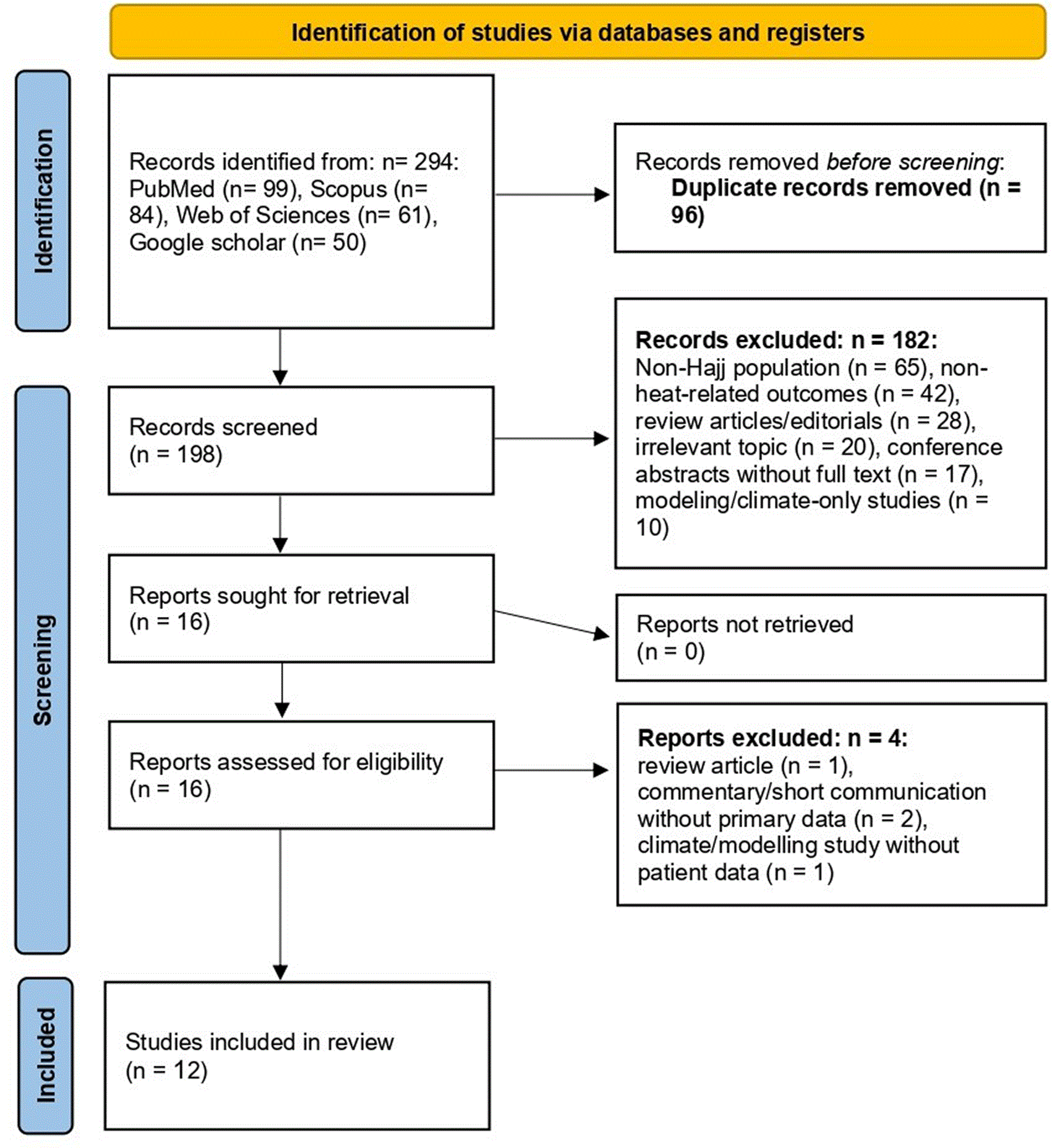
A total of 294 records were identified through database searching, including PubMed (n = 99), Scopus (n = 84), Web of Science (n = 61), and Google Scholar (n = 50). After removing 96 duplicate records, 198 records remained for title and abstract screening. Of these, 182 records were excluded for reasons including non-Hajj populations, non-heat-related outcomes, review articles or editorials, irrelevant topics, conference abstracts without full text, and climate or modeling-only studies. Subsequently, 16 reports were sought for retrieval, all of which were successfully obtained and assessed for eligibility. After full-text review, 4 studies were excluded due to lack of primary data (commentaries or short communications), review design, or reliance on climate modeling without patient-level data. Finally, 12 studies were included in the qualitative synthesis.3,9,11,15–23 The study selection process is illustrated in Figure 1.
The characteristics of the included studies are summarized in Table 1. All studies were conducted in Saudi Arabia and spanned a wide temporal range from 1980 to 2024, reflecting both historical and contemporary perspectives on heat-related illness during Hajj. The included studies comprised a variety of observational designs, including retrospective descriptive studies, case-control studies, cross-sectional surveys, surveillance analyses, and epidemiological studies. Sample sizes varied considerably, ranging from 93 participants in smaller case-control studies to millions of pilgrims in national surveillance datasets. Data sources also differed across studies and included Ministry of Health (MOH) records, hospital-based clinical data, electronic health records, field surveys, and meteorological datasets. This diversity of data sources provided a comprehensive overview of heat-related illness from both clinical and public health surveillance perspectives.
The burden of heat-related illness (HRI) during Hajj varied substantially across studies, as shown in Table 2. Heat exhaustion consistently emerged as the most common form of HRI, while heat stroke accounted for a smaller but more severe proportion of cases. Historical data demonstrated a marked increase in heat-related morbidity and mortality during extreme heat periods. For example, heat stroke incidence increased from 22 per 100,000 pilgrims in 1980 to 251 per 100,000 in 1985, with 1,012 deaths reported in 1985. Similarly, surveillance data indicated considerable variability in incidence rates, with heat exhaustion ranging from 2.8 to 85.9 per 10,000 pilgrims and heat stroke from 0 to 13.4 per 10,000 pilgrims.
More recent studies confirmed the ongoing burden of heat illness. In hospital-based data, heat exhaustion accounted for approximately 67.8% to 71.5% of cases, while heat stroke accounted for 28.5% – 29%. In field-based studies, both confirmed and suspected cases of heat exhaustion and heat stroke were reported, reflecting challenges in real-time diagnosis during mass gatherings. Long-term analyses further highlighted the impact of climatic variability, with peak incidence rates reaching 858.8 per 100,000 for heat exhaustion and 134.2 per 100,000 for heat stroke during extreme heat years. The overall case fatality rate for heat stroke was reported at 4.9%, with substantially higher rates observed during earlier decades. Additionally, indirect heat-related outcomes such as syncope were reported, with a prevalence of 18.1% among pilgrims, of which 69.6% were attributed to heat exhaustion and exertion.
A wide range of demographic, environmental, and behavioral risk factors for heat-related illness were identified across studies ( Table 3).
Older age and underlying comorbidities, particularly diabetes, cardiovascular disease, and anemia, were consistently associated with increased risk. Several studies also highlighted the vulnerability of non-acclimatized pilgrims, especially those arriving from cooler climates. In analytical studies, strong associations were observed, including family history of syncope (OR = 10.1) and cardiac disease (OR = 7.6).17
Environmental heat exposure was the most consistently reported determinant. Extreme temperatures, often exceeding 43–54 °C, combined with high humidity and solar radiation, significantly increased the risk of heat illness. Long-term analyses demonstrated a progressive increase in temperature over time, with strong correlations between climatic variables (e.g., heat index, solar radiation) and heat illness incidence.
Behavioral factors played a critical role in modulating risk. Activities such as walking long distances, prolonged standing, inadequate hydration, and lack of sun protection were strongly associated with heat illness. Notably, specific high-risk behaviors were quantified in some studies, including not using umbrellas (OR = 8.3) and getting lost in crowded areas (OR = 39.3).15 Additionally, risky practices such as walking instead of using transportation (49.6%), not taking prescribed medications (51.7%), and ignoring severe symptoms (59.9%) were commonly reported.3
Several protective factors and mitigation strategies were identified. Adequate hydration, rest, and the use of protective measures such as umbrellas significantly reduced risk. For example, receiving cold water was strongly protective (OR = 0.37), while sufficient sleep and flexible scheduling of rituals were also associated with reduced risk (OR = 0.10).15,16 At the system level, interventions such as cooling units, shaded infrastructure, and public health awareness campaigns contributed to substantial reductions in heat stroke incidence (74.6% reduction) and mortality (47.6% reduction) in recent years.11
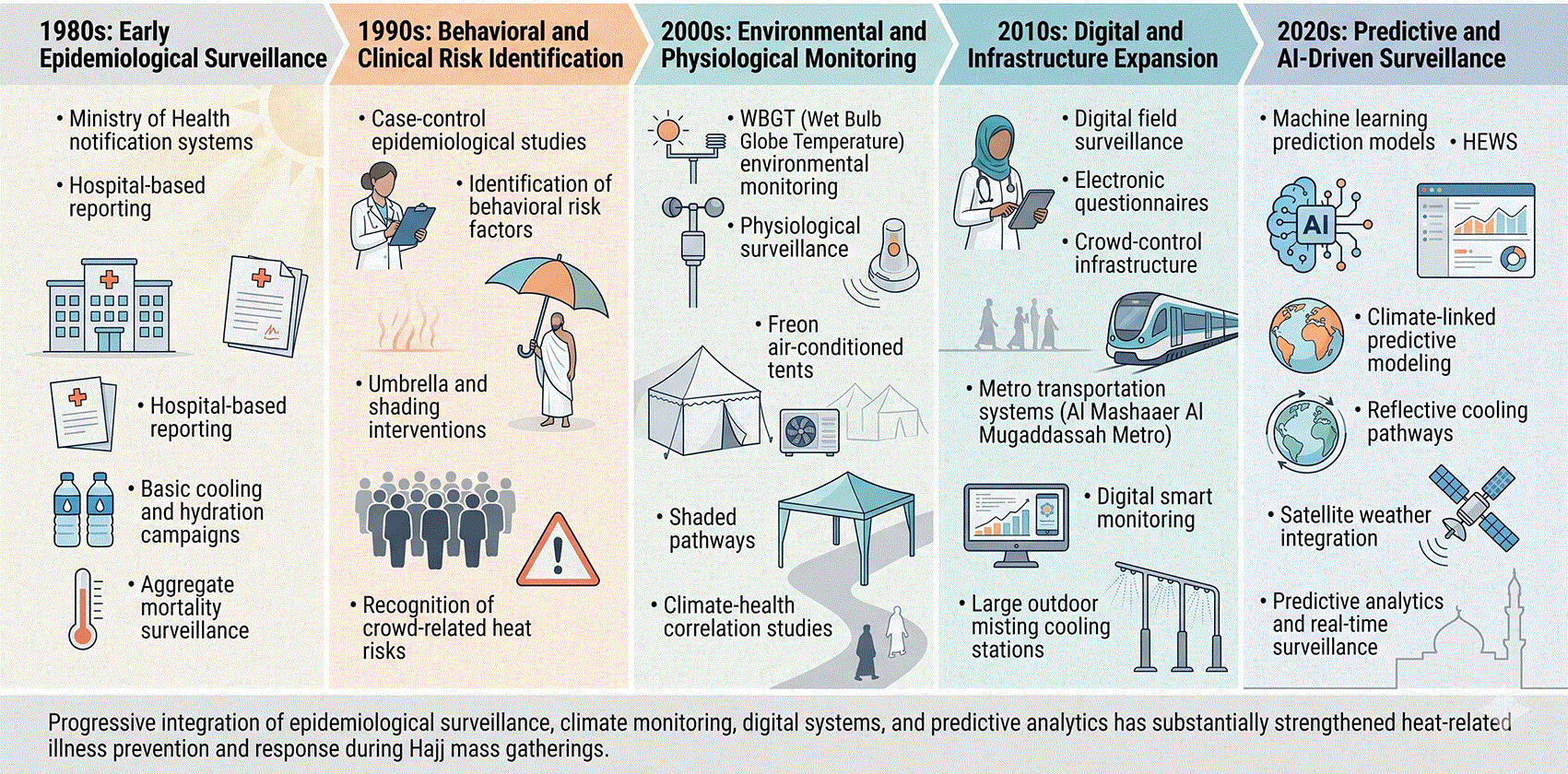
Surveillance and mitigation approaches varied substantially across the included studies and evolved considerably over time ( Table 4). Earlier studies primarily depended on retrospective Ministry of Health notification systems and hospital-based surveillance, whereas more recent studies incorporated field-based monitoring, behavioral surveillance, electronic questionnaires, and predictive analytical models. Environmental monitoring was inconsistently integrated across studies. Some investigations utilized detailed meteorological indicators such as wet bulb globe temperature (WBGT), humidity, heat index, solar radiation, and dry and wet bulb temperatures to evaluate environmental heat stress and its relationship with heat-related illness incidence.
A limited number of studies reported digital and predictive surveillance approaches. Alkassas et al.21 implemented machine-learning–based diagnostic modeling using XGBoost algorithms with a reported diagnostic accuracy of 93.6%, while Seroji developed predictive regression models demonstrating strong climate-health associations (R2 = 87%).23 Yezli et al.11 described the implementation of the Saudi Health Early Warning System (HEWS), which integrated syndromic and event-based surveillance for rapid detection of public health threats during Hajj.
Mitigation strategies also evolved from basic cooling and hydration interventions toward large-scale infrastructure and public health preparedness measures. These included air-conditioned tents, shaded pathways, reflective pedestrian surfaces, water misting systems, cooling stations, metro transportation systems, and redesigned crowd-control infrastructure. Behavioral interventions focused on hydration, umbrella use, minimizing exertion during peak heat periods, and improving awareness of early symptoms. Several studies demonstrated measurable effectiveness of these interventions, including reductions in heat stroke incidence and mortality, improved recovery rates, and decreased physiological heat strain. The reviewed studies demonstrated a progressive transition from passive hospital-based reporting systems toward integrated surveillance approaches incorporating environmental monitoring, behavioral assessment, and predictive analytical models.
Figure 2 summarizes the temporal evolution of surveillance systems and mitigation strategies for heat-related illness during Hajj, highlighting the increasing integration of environmental monitoring, digital surveillance technologies, and predictive modeling approaches over time.
The methodological quality of the included studies is presented in Table 5. Overall, study quality ranged from moderate to high. Two studies achieved high quality (score = 8),15,16 while the remaining studies were classified as moderate quality (scores 6–7). Most studies demonstrated adequate selection of participants and outcome assessment; however, limitations were frequently observed in the comparability domain, where adjustment for confounding variables was often insufficient. Despite these limitations, the overall quality of evidence was considered acceptable for qualitative synthesis. Potential publication bias could not be formally assessed because quantitative meta-analysis was not performed and the included studies demonstrated substantial heterogeneity in study design, surveillance methodology, and reported outcomes.
This systematic review provides a comprehensive synthesis of the burden, determinants, and surveillance of heat-related illness during Hajj. The findings confirm that heat-related illness remains a major and recurring public health challenge in this unique mass gathering setting. Across the included studies, heat exhaustion was consistently reported as the most common presentation, while heat stroke, although less frequent, was associated with significant morbidity and mortality.
The burden of heat-related illness during Hajj has shown considerable variability over time, largely driven by climatic conditions. Historical data demonstrate that extreme heat events can result in substantial mortality, as seen in 1987 when approximately 1,000 heat stroke deaths occurred.9 More recent data indicate improvements in outcomes, with reductions in mortality and incidence rates following the implementation of mitigation strategies. However, the persistence of severe events, such as the high mortality reported during the 2024 Hajj season, highlights that heat-related risks remain substantial, particularly during extreme heat cycles.11
An important observation from this review is the substantial evolution in Hajj heat-surveillance systems over the past four decades. Earlier studies from the 1980s and 1990s primarily relied on retrospective Ministry of Health notifications and hospital-based case reporting, with limited environmental integration and delayed epidemiological assessment.9,15 In contrast, more recent investigations incorporated field-based behavioral surveillance, digital data collection platforms, multivariable analytical models, and climate-linked epidemiological monitoring.16,19,20 Some studies also introduced predictive approaches. Notably, Alkassas et al.,21 employed a machine-learning algorithm (XGBoost) for field-based prediction of heat-related illness, while other studies used regression-based climate forecasting models, reflecting a gradual shift toward more proactive rather than purely reactive surveillance systems.23
The review also highlights the multifactorial nature of heat-related illness during Hajj. Demographic factors such as older age and pre-existing medical conditions, including cardiovascular disease and diabetes, were consistently associated with increased risk. In addition, pilgrims from cooler climates were more vulnerable due to lack of acclimatization. Environmental exposure remains a central driver, with high ambient temperatures, solar radiation, and crowd density contributing to impaired heat dissipation. Importantly, behavioral factors were shown to play a critical role. Activities such as prolonged walking, inadequate hydration, and lack of sun protection significantly increased risk, while simple interventions such as using umbrellas, resting, and maintaining hydration were protective. Interestingly, several studies suggested that some pilgrims intentionally tolerated physical hardship and prolonged walking to maximize spiritual reward, which may reduce adherence to preventive measures despite adequate infrastructure availability.24,25
The interaction between environmental and behavioral factors is particularly important in the Hajj context. Pilgrims often perform physically demanding rituals under intense heat and crowded conditions, which may limit their ability to adopt protective behaviors.26 In addition, logistical challenges such as transportation limitations and overcrowding may force individuals to remain exposed to heat for prolonged periods.27 Vulnerable groups, including elderly pilgrims and those without official access to organized services, appear to be disproportionately affected.3
From a public health perspective, the findings underscore the importance of comprehensive and adaptive mitigation strategies. The implementation of cooling infrastructure, mobile medical services, and health education campaigns has contributed to measurable reductions in heat-related morbidity and mortality.10,28 The observed reductions in heat stroke incidence and mortality suggest that coordinated interventions can be effective even in extreme environments.29 However, the increasing frequency and intensity of heatwaves due to climate change raise concerns about the long-term adequacy of current strategies.
Surveillance systems play a critical role in monitoring and responding to heat-related illness during Hajj. Several studies demonstrated the value of integrating environmental and meteorological indicators, including wet bulb globe temperature, humidity, solar radiation, and heat index measurements, with epidemiological surveillance to identify periods of increased risk.11,23 More recent approaches incorporated electronic field surveillance, behavioral monitoring, and predictive analytical models. Notably, machine-learning–based triage systems demonstrated high diagnostic accuracy for identifying heat-related illness in field settings, while longitudinal climate-health analyses highlighted the growing impact of climate change on Hajj-related morbidity.21 Despite these advances, major surveillance gaps remain. Most studies lacked integration of real-time environmental data with individual-level clinical outcomes, and few surveillance systems captured mild or preclinical heat illness cases outside hospital settings. Standardization of surveillance definitions and integration of digital climate-health monitoring platforms may substantially improve preparedness and response during future Hajj seasons.30
The findings of this review also demonstrate that infrastructure-level mitigation strategies can substantially reduce heat-related morbidity and mortality even during periods of increasing environmental temperatures. Longitudinal analyses showed major reductions in heat stroke incidence and case fatality rates following implementation of large-scale interventions such as air-conditioned tents, shaded pathways, transportation systems, cooling stations, and reflective pedestrian surfaces.11 Nevertheless, several studies showed that risky behaviors remain common despite these improvements, including prolonged walking during peak heat hours, avoidance of transportation, and inadequate use of protective measures such as umbrellas.3,26 These findings suggest that behavioral and cultural determinants remain important barriers to effective heat-risk mitigation.
Overall, this review highlights the need for continued investment in preventive strategies, targeted interventions for high-risk groups, and enhanced surveillance systems. As climate conditions continue to evolve, a proactive and evidence-based approach will be essential to protect the health and safety of millions of pilgrims. The reviewed evidence suggests that future Hajj surveillance systems should move beyond isolated clinical reporting and toward integrated climate-health surveillance platforms. Combining environmental indicators such as WBGT, temperature, and solar radiation with clinical and behavioral data may improve early detection of high-risk conditions and warrants further evaluation in future Hajj surveillance systems. Although advanced approaches such as machine-learning prediction and HEWS have shown promise, evidence remains limited and further validation is needed before widespread implementation. Future prospective studies should evaluate the effectiveness of these systems in reducing morbidity and mortality during Hajj.
This review has several limitations. First, substantial heterogeneity existed across the included studies regarding study design, surveillance methodology, outcome definitions, and reporting approaches, which limited direct comparability and precluded quantitative meta-analysis. Second, most included studies were observational, retrospective, or cross-sectional in nature and therefore susceptible to reporting bias, recall bias, selection bias, and incomplete case ascertainment. Third, adjustment for potential confounding variables was limited in several studies, particularly those relying on descriptive surveillance or behavioral survey data. Fourth, some studies lacked detailed quantitative information regarding incidence rates, mortality outcomes, or standardized diagnostic criteria for heat-related illness. In addition, surveillance systems varied considerably across decades, ranging from aggregate Ministry of Health notifications to more recent digital and behavioral monitoring approaches, which may affect the consistency of longitudinal comparisons. Publication bias could not be formally assessed because meta-analysis was not feasible due to substantial methodological heterogeneity. Variation in diagnostic criteria and surveillance definitions for heat-related illness across studies may also have affected comparability of reported incidence estimates. Finally, only English-language studies were included, which may have introduced language bias and resulted in omission of potentially relevant regional literature. Despite these limitations, this review provides a comprehensive synthesis of the available evidence regarding the burden, determinants, surveillance systems, and mitigation strategies for heat-related illness during Hajj.
Heat-related illness remains a major and persistent public health challenge during Hajj, driven by the combined effects of extreme environmental heat, intense physical exertion, overcrowding, and evolving climate conditions. This review demonstrates that, although substantial improvements in healthcare infrastructure, surveillance systems, and mitigation strategies have reduced heat-related morbidity and mortality over recent decades, significant risks continue to occur during extreme heat cycles. Older age, chronic medical conditions, lack of acclimatization, prolonged walking, inadequate hydration, and limited use of protective measures were consistently identified as important determinants of heat-related illness.
The findings also highlight the progressive evolution of Hajj surveillance systems from traditional hospital-based reporting toward more integrated approaches incorporating behavioral monitoring, climate-linked epidemiological analysis, and predictive modeling techniques. Large-scale mitigation measures, including air-conditioned tents, shaded pathways, cooling stations, transportation systems, and public health awareness campaigns, have contributed substantially to improved outcomes. However, persistent high-risk behaviors and the anticipated impact of climate change indicate that current interventions may require further adaptation. Future efforts should prioritize integrated real-time surveillance systems combining environmental, clinical, and behavioral data, alongside targeted preventive strategies for vulnerable populations. Strengthening climate-adaptive infrastructure, expanding culturally sensitive health education, and improving early warning and rapid response systems will be essential to protect the health and safety of millions of pilgrims during future Hajj seasons.
None.
No underlying data are associated with this article.
OSF: Heat-related illness during Hajj mass gatherings: a systematic review of burden, risk factors, surveillance approaches, and mitigation strategies. https://doi.org/10.17605/OSF.IO/VBDFP.31
License: CC BY 4.0 International.
The project contains the following extended data:
- Supplementary File 1. Complete search strategies for PubMed, Scopus, and Web of Science.
- Supplementary Table S1. Detailed Surveillance Systems and Monitoring Approaches Across Included Studies
- Supplementary Table S2. Detailed Mitigation and Preventive Strategies Across Included Studies
- Supplementary Table S3. Detailed Climate and Temporal Context Across Included Studies
- Supplementary Table S4. Detailed Methodological and Analytical Characteristics Across Included Studies
We would like to express our gratitude to Shohob Research Services Center for their efforts in training the research team and supervising the research process until the completion of this study.
The author(s) declared that no grants were involved in supporting this work.
© 2026 Alqarni HZM et al. This is an open access article distributed under the terms of the Creative Commons Attribution License, which permits unrestricted use, distribution, and reproduction in any medium, provided the original work is properly cited.
Current Reviewer Status:
AWAITING PEER REVIEW
AWAITING PEER REVIEW
?
Key to Reviewer Statuses VIEW HIDE
ApprovedThe paper is scientifically sound in its current form and only minor, if any, improvements are suggested
Approved with reservations A number of small changes, sometimes more significant revisions are required to address specific details and improve the papers academic merit.
Not approvedFundamental flaws in the paper seriously undermine the findings and conclusions
| # | Наименование новости | Тональность | Информативность | Дата публикации |
|---|---|---|---|---|
| 1 | How to stay cool in a heat wave even without air conditioning | 0 | 7 | 30-06-2026 |
| 2 | Gefahren durch Sommerhitze: Gesundheitsrisiko: Hitze-Notfälle erkennen - und handeln | 0 | 10.32 | 30-07-2026 |
| 3 | «Головная боль, тошнота, подъём температуры»: рекомендации врача-терапевта при тепловом ударе | 0 | 7 | 19-07-2026 |
| 4 | Stay Safe this Summer: Heat Illness Prevention Checklist | 0 | 6.44 | 05-05-2026 |
| 5 | How Hawaiʻi humidity affects your body's cooling system | 0 | 11.02 | 05-08-2026 |
| 6 | I Got Heatstroke in Tokyo – Here’s What I Wish I’d Known | 0 | 14.2 | 02-08-2026 |
| 7 | Central Illinois residents urged to take precautions during extreme heat | 0 | 5 | 29-06-2026 |
| 8 | Great American State Fair: 11 Attendees Hospitalized as Brutal Heat Pauses Event | -2 | 6 | 04-07-2026 |
| 9 | Extreme Heat Poses Greater Risk For Older Adults As Temperatures Climb Across The Southeast | 0 | 5 | 02-07-2026 |