Просмотр новости
Найдите то, что Вас интересует
 Спутники
 РН
РН SpaceX
 Роскосмос
 NASA
NASA
СпутникиРНSpaceXРоскосмосNASAClinical negligence.
The findings of the Ockenden review into maternity care in Nottingham are deeply upsetting. My thoughts are with the families whose lives have been devastated. For them, the report is not simply another investigation into NHS maternity services; it is a public record of harm that has changed their lives.
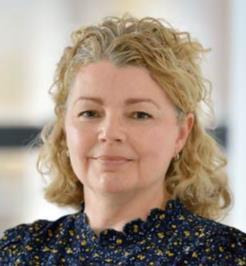
Gill Edwards
The families we help have had similar experiences. The themes are all too familiar: parents’ concerns were ignored, warning signs were missed and opportunities to intervene were lost. In many cases, there has been a failure to appreciate that a CTG trace is abnormal, suggesting that the foetus is in distress during labour, and to act before the baby is hurt. The consequences can be catastrophic. Some babies die or suffer a brain injury and later receive a diagnosis of cerebral palsy, living with the consequences all their lives.
When families come to the legal process, it is often assumed that compensation is their primary motivation. In my experience, that is rarely the case. What families want first is truth and accountability. They want to understand what happened, whether the harm could have been avoided, and whether lessons will be learned so that the same thing does not happen to another family.
No legal process can undo the trauma. Every family I have met in this situation would rather have a healthy child than any compensation. However, where avoidable harm has caused lifelong disability, compensation is necessary. It funds care, therapies, adapted accommodation, specialist equipment, case management and the support that a child may need for life.
The legal process can be slow, defensive and opaque. Families wait too long for medical records and explanation. By the time solicitors are instructed, trust has usually broken down. A delay in resolution compounds the distress of the original harm.
Serious maternity incidents should be handled with candour from the outset. That means clear communication with families, prompt disclosure of what is known, an honest explanation of what remains under investigation, and a commitment to share findings in language that families can understand. Candour should not only be a professional obligation; it is an essential part of fair dispute resolution.
Where failings are identified, they should be acknowledged early. Where liability is clear, admissions should not be delayed unnecessarily. A child with a brain injury may need urgent therapies, equipment and accommodation. Early interim payments can transform a family’s ability to cope and ensure that a child receives support when it is most needed.
A defensive approach does not necessarily protect public funds. Delay can increase legal costs, prolong uncertainty and postpone practical help. It can also entrench positions that might otherwise have been narrowed at an earlier stage. Early resolution, where appropriate, should be seen as responsible dispute handling, not as weakness.
Alternative dispute resolution has an important role, but only where it is meaningful. Mediation, roundtable meetings and early neutral discussions can help identify the issues in dispute and reduce the emotional burden of litigation. However, families need NHS trust representatives at the table with the authority to make decisions and who are prepared to engage properly with the evidence. ADR should not become another stage in a process that delays admissions or avoids difficult conclusions.
The same applies to apologies. A genuine apology can matter greatly, but it must be accompanied by openness and action. Families are not reassured by expressions of regret if they are not told what went wrong, why it happened and what will change.
For the families affected, it is unforgivable that the recommendations from previous maternity investigations have not been uniformly implemented to improve standards. Previous maternity investigations have highlighted the same problems of poor communication, failure to escalate concerns to senior staff, inadequate monitoring, unsafe cultures and a lack of meaningful learning from serious incidents.
The recently published review from Baroness Amos into the standard of maternity care nationally has also reached similar conclusions, identifying systemic problems in maternity and neonatal services across the 12 trusts investigated.
In 2015, Dr Bill Kirkup CBE, chair of the Morecambe Bay Investigation into maternity and neonatal services between 2004 and 2013, said in his report: ‘It is vital that the lessons, now plain to see, are learnt and acted upon, not least by other trusts, which must not believe that “it could not happen here”. If those lessons are not acted upon, we are destined sooner or later to add again to the roll of names.’
And here we are in 2026. We need urgent and measurable action, with the recommendations incorporated nationally into mandatory midwifery and obstetric training.
There are signs of hope. Between 2021 and 2025, the Royal College of Obstetricians and Gynaecologists and the Royal College of Midwives collaborated with the Healthcare Improvement Studies Institute to develop a programme to reduce avoidable brain injury in childbirth. This includes improving care in recognising and responding to foetal deterioration during labour, which is being rolled out, but the pace needs to increase.
The training must be mandatory and should include escalation to senior clinicians, emergency decision-making, multidisciplinary communication and engagement with families. It must also address culture: whether staff feel able to speak up, whether parents are listened to, and whether serious incidents lead to genuine learning.
For those of us acting in these cases, the legal issues are familiar: breach of duty, causation, quantum and evidence. But behind every claim is a family that did not want to litigate. The Ockenden review should be a turning point, not only for maternity safety, but for the way maternity disputes are handled. Families harmed by avoidable failings deserve candour, early resolution, proper support and proof that lessons have finally been learned.
Gill Edwards is a partner specialising in birth injury claims at Hugh James, Manchester
| # | Наименование новости | Тональность | Информативность | Дата публикации |
|---|---|---|---|---|
| 1 | Scandal engulfs new NHS maternity care review as it is revealed that leading expert quit the investigation over claims it 'whitewashed' issue of midwives pushing mothers to have natural births | -5 | 7 | 30-06-2026 |
| 2 | Death and dishonesty in British maternity hospitals | 0 | 10 | 02-07-2026 |
| 3 | Claimant personal injury: Pain points | 0 | 13.45 | 27-07-2026 |
| 4 | Clearing the road to timely trauma care in India | 5 | 7 | 25-06-2026 |
| 5 | NHS maternity units 'are not fit for purpose': Damning review reveals catalogue of horrors with blood-stained showers and mould-infested wards | -8 | 7 | 30-06-2026 |
| 6 | Why the ‘Control Rod’ Wouldn’t Budge: 20 Years of OPCON Transfer Debates | 0 | 5 | 05-05-2026 |
| 7 | Editorial. NEET revamp | 0 | 10 | 27-07-2026 |
| 8 | ‘I had a huge decision to make’: Transplant patient took leap of faith after fog held up her new heart | 0 | 7 | 03-05-2026 |
| 9 | СК возбудил дело после нападения пациента с ножом в наркодиспансере в Якутии | 0 | 0 | 16-10-2021 |