Просмотр новости
Найдите то, что Вас интересует
 Спутники
 РН
РН SpaceX
 Роскосмос
 NASA
NASA
СпутникиРНSpaceXРоскосмосNASAThis September we will mark 25 years since 9/11. Many of us will be reflecting on the losses and the meaning of that day, and on how the legacies of that day still shape lives in New York, across the country, and around the world a quarter century later.
On September 9th and 10th, the Knight Institute and Columbia’s Simon and June Li Center for Global Journalism will convene journalists, scholars, lawyers, and activists to explore one of those legacies in particular: The ongoing impact of the War on Terror on democratic rights, including the freedoms of speech and the press.
First Amendment freedoms came under stress from the moment President George W. Bush declared a “War on Terror” and his press secretary warned Americans to “watch what they say.” Pervasive secrecy and censorship hid war crimes, torture, and other grave human rights abuses. Surveillance programs proliferated, from the NYPD’s targeting of New York Muslim communities to digital surveillance operations of unprecedented scope and reach. Anti-terrorism legislation criminalized forms of peaceful speech and association. The press struggled to fulfill its role, and when journalists did report on controversial and covert programs, they did so in the shadow of the Espionage Act, which the government deployed against journalists’ sources and threatened to deploy against journalists themselves.
But those same First Amendment freedoms nurtured new forms of resistance, solidarity, and even accountability as well. Civil society groups and community organizations mobilized to defend civil liberties and protect targeted minorities. A new generation of journalists responded to the failures of legacy media by building new media tools and institutions in response to the failures, limitations, and blind spots of legacy media.
What does all of this mean for us today? To what extent are we still living the Forever War, and in what ways are we now living in its shadow? How have the suppressions and distortions of the Forever War worked their way into our systems and psyches? Is our system of free expression stronger or weaker now? This symposium will explore these and other questions and assess the lasting significance of the Forever War for First Amendment freedoms and for our democratic institutions and culture.
The symposium is co-sponsored by the Knight Institute and the Simon and June Li Center for Global Journalism at Columbia Journalism School in partnership with Harper’s Magazine and The Columbia Daily Spectator.
Reception to follow on September 9.
Lunch will be provided on September 10.
Registration is required.
RSVP for in-person or virtual attendance.
This September we will mark 25 years since 9/11. Many of us will be reflecting on the losses and the meaning of that day, and on how the legacies of that day still shape lives in New York, across the country, and around the world a quarter century later.
On September 9th and 10th, the Knight Institute and Columbia’s Simon and June Li Center for Global Journalism will convene journalists, scholars, lawyers, and activists to explore one of those legacies in particular: The ongoing impact of the War on Terror on democratic rights, including the freedoms of speech and the press.
First Amendment freedoms came under stress from the moment President George W. Bush declared a “War on Terror” and his press secretary warned Americans to “watch what they say.” Pervasive secrecy and censorship hid war crimes, torture, and other grave human rights abuses. Surveillance programs proliferated, from the NYPD’s targeting of New York Muslim communities to digital surveillance operations of unprecedented scope and reach. Anti-terrorism legislation criminalized forms of peaceful speech and association. The press struggled to fulfill its role, and when journalists did report on controversial and covert programs, they did so in the shadow of the Espionage Act, which the government deployed against journalists’ sources and threatened to deploy against journalists themselves.
But those same First Amendment freedoms nurtured new forms of resistance, solidarity, and even accountability as well. Civil society groups and community organizations mobilized to defend civil liberties and protect targeted minorities. A new generation of journalists responded to the failures of legacy media by building new media tools and institutions in response to the failures, limitations, and blind spots of legacy media.
What does all of this mean for us today? To what extent are we still living the Forever War, and in what ways are we now living in its shadow? How have the suppressions and distortions of the Forever War worked their way into our systems and psyches? Is our system of free expression stronger or weaker now? This symposium will explore these and other questions and assess the lasting significance of the Forever War for First Amendment freedoms and for our democratic institutions and culture.
The symposium is co-sponsored by the Knight Institute and the Simon and June Li Center for Global Journalism at Columbia Journalism School in partnership with Harper’s Magazine and The Columbia Daily Spectator.
Reception to follow on September 9.
Lunch will be provided on September 10.
Registration is required.
RSVP for in-person or virtual attendance.
The Lee C. Bollinger Forum and Online
601 W 125th St, New York, NY 10027
4:00PM – 4:15PM EDTHow did the U.S. government’s response to 9/11 become embedded in our lives, our institutions, and our national mythology and character? In what ways can the defining features of our current political moment—the rise of authoritarianism, the erosion of democratic freedoms, the weakening of civic institutions, the coarsening of political discourse, the inauguration of new wars based on flimsy and constantly shifting pretexts, and the normalization of official impunity—be traced to decisions made, frameworks established, or habits adopted in the months and years following the attacks?
PanelistsBreak 5:45PM – 6:45PM EDT
Democratic Oversight of National Security 6:45PM – 7:30PM EDT
Performance 7:30PM – 9:00PM EDT
Reception
The Lee C. Bollinger Forum and Online
601 W 125th St, New York, NY 10027
9:15AM – 9:45AM EDTWelcome 9:45AM – 11:00AM EDT
Contemporary First Amendment doctrine is meant to serve as a bulwark against censorship, surveillance, and secrecy, even in times of war and national security crisis. How did the war on terror test the freedoms of speech and the press, and how effective were the First Amendment’s protections? How well is the First Amendment serving us now?
PanelistsBreak 11:15AM – 11:45AM EDT
Columbia Daily Spectator reporter, Emily Pickering, interviews former U.S. Navy General Counsel Alberto Mora.
Columbia Daily Spectator reporter, Spencer Davis, interviews Mohamedou Ould Slahi, an author and former Guantánamo prisoner.
Lunch will be provided.
As traditional media struggled—and often failed—to inform the public and challenge official narratives during the Forever War, new media outlets, transparency projects, and open-source investigators repeatedly stepped forward to play this critical role. Many pioneered methods and models that traditional media would later adopt as its own. How have these projects fared over the past quarter century, and what is their legacy today?
PanelistsBreak 3:00PM – 3:30PM EDT
Columbia Daily Spectator reporter, Daksha Pillai, interviews Mohsen Mahdawi, a Palestinian human rights advocate and Columbia University graduate student.
How has the war on terror shaped public discourse and civic institutions in the United States? In what ways has it suppressed political participation and action, and in what ways has it inspired political engagement, resistance, and creativity? What endures from this period—in memory, in practice, in institutions—that might encourage us now and sustain us in the years to come?
PanelistsClosing Remarks
 Alex Abdo
Litigation Director, Knight Institute
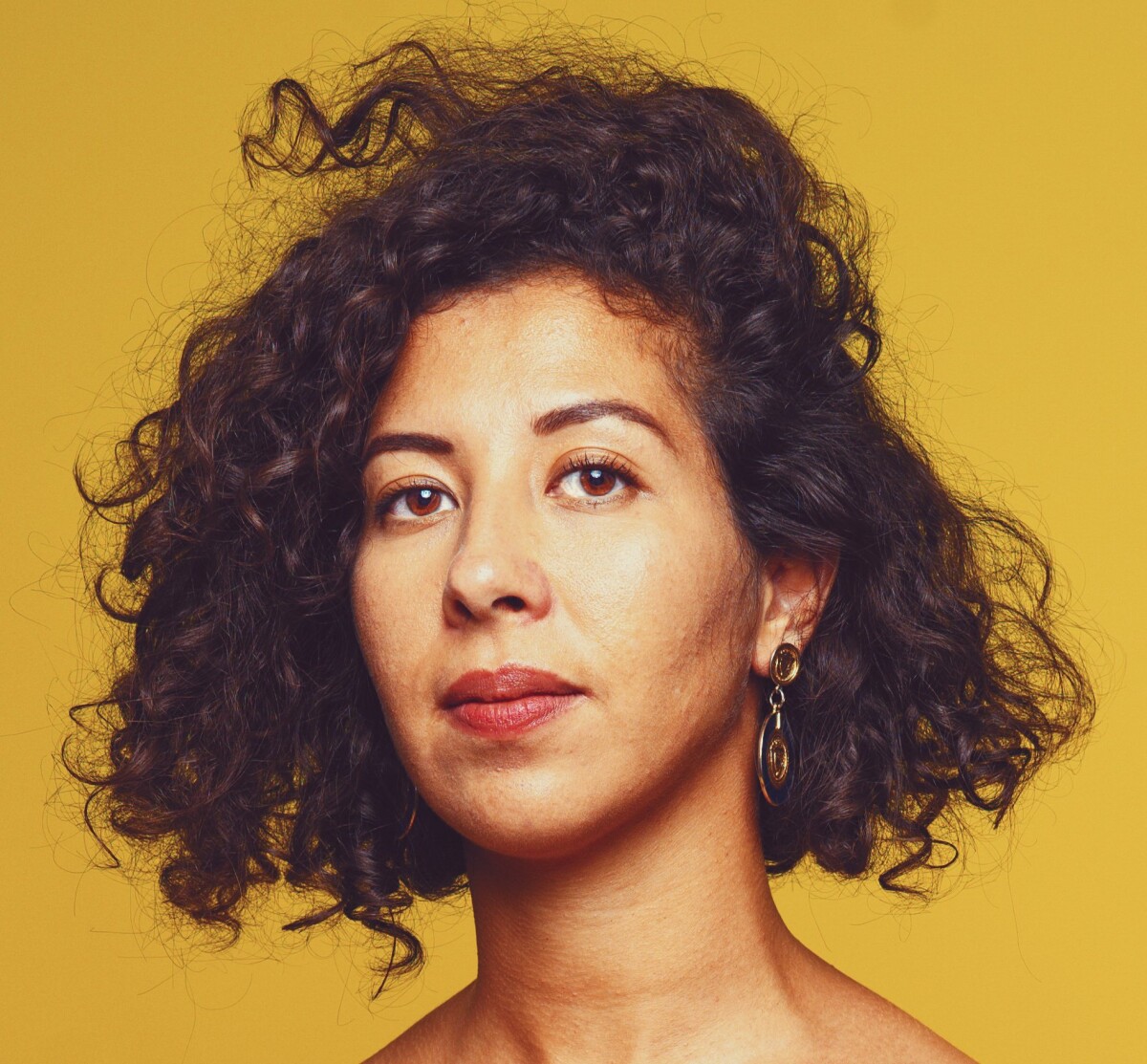
 Rozina Ali
The New York Times Magazine
 Assia Boundaoui
Inverse Surveillance Project
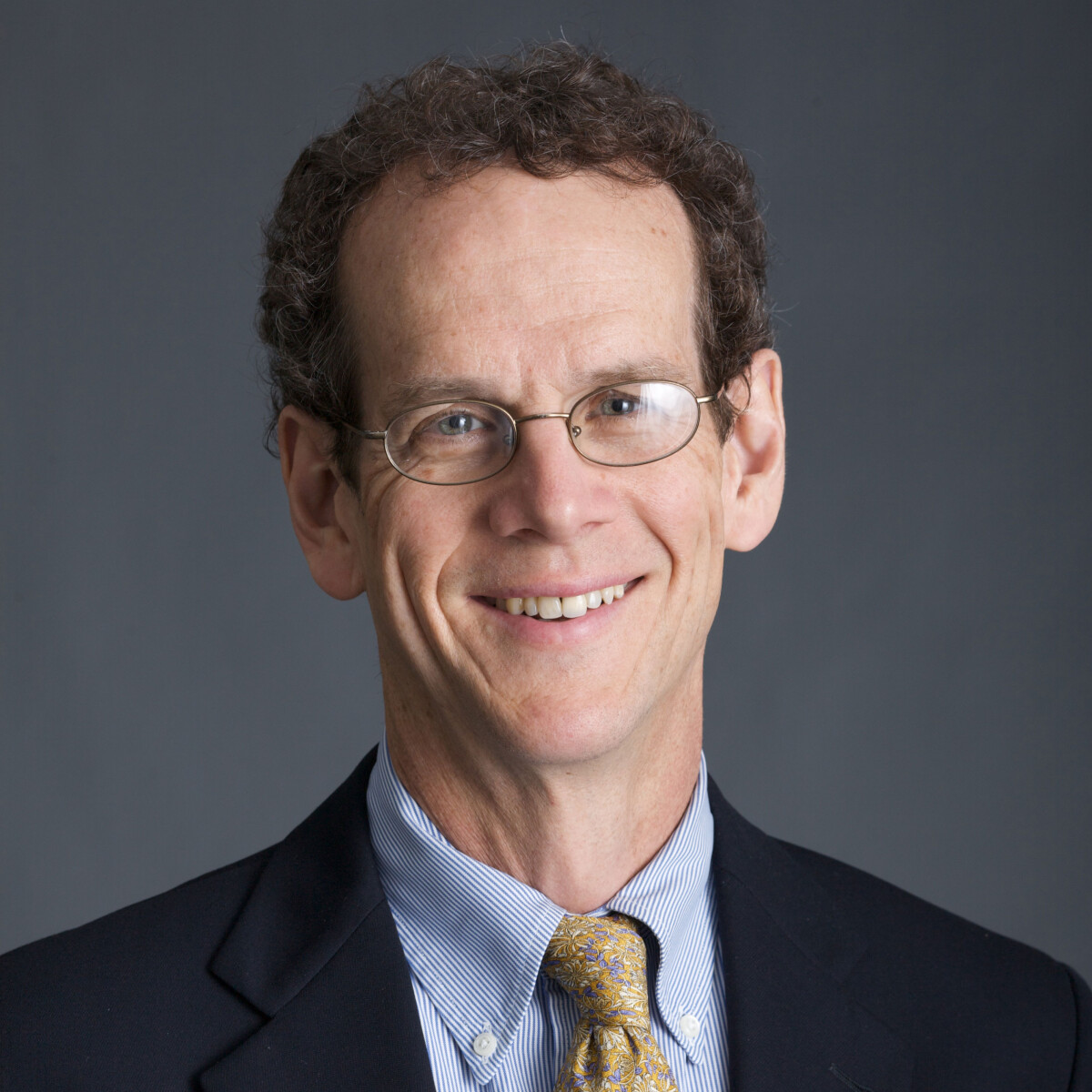 David Cole
Georgetown University Law Center
 Steve Coll
The Economist
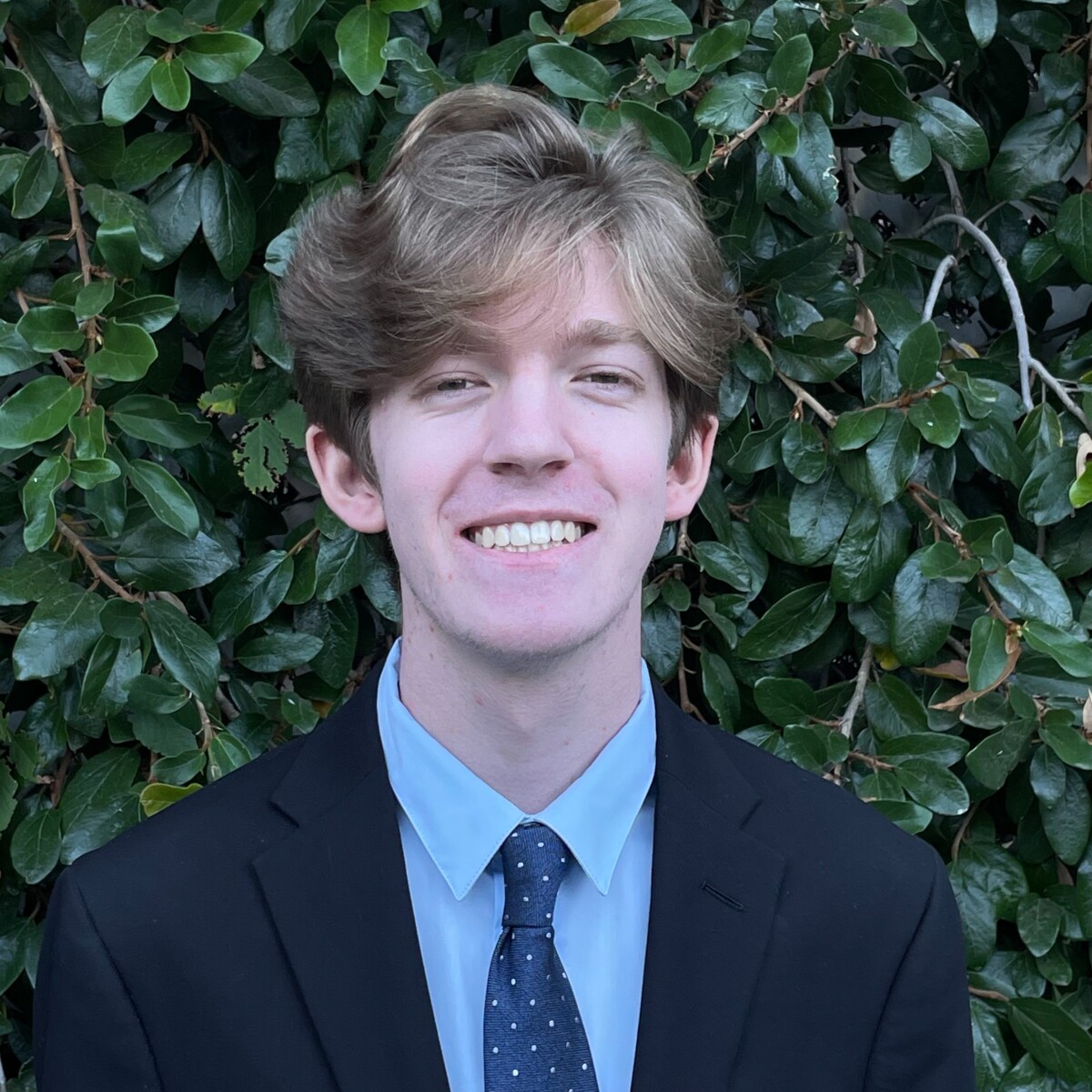 Spencer Davis
Columbia Daily Spectator
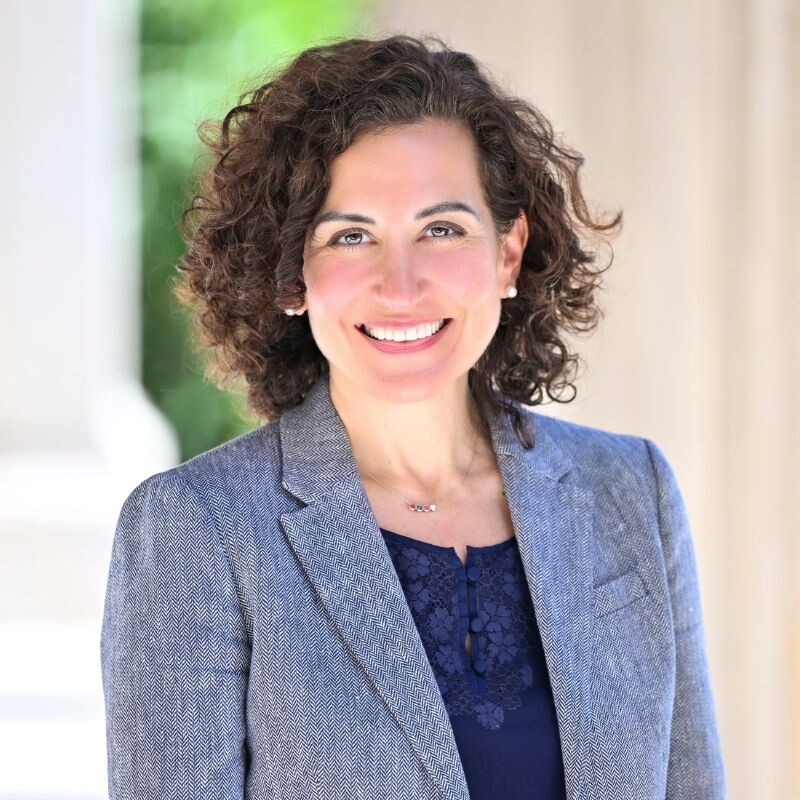 Nadine Farid Johnson
Policy Director, Knight Institute
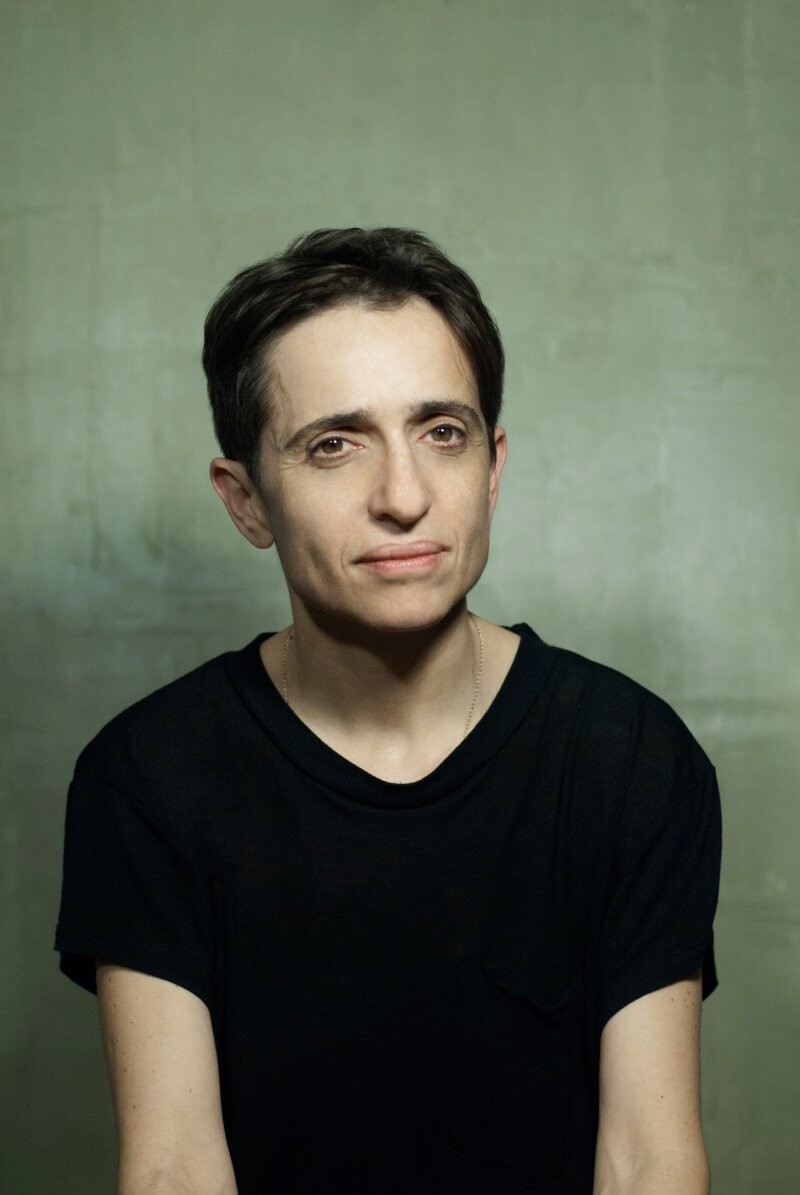 M. Gessen
The New York Times
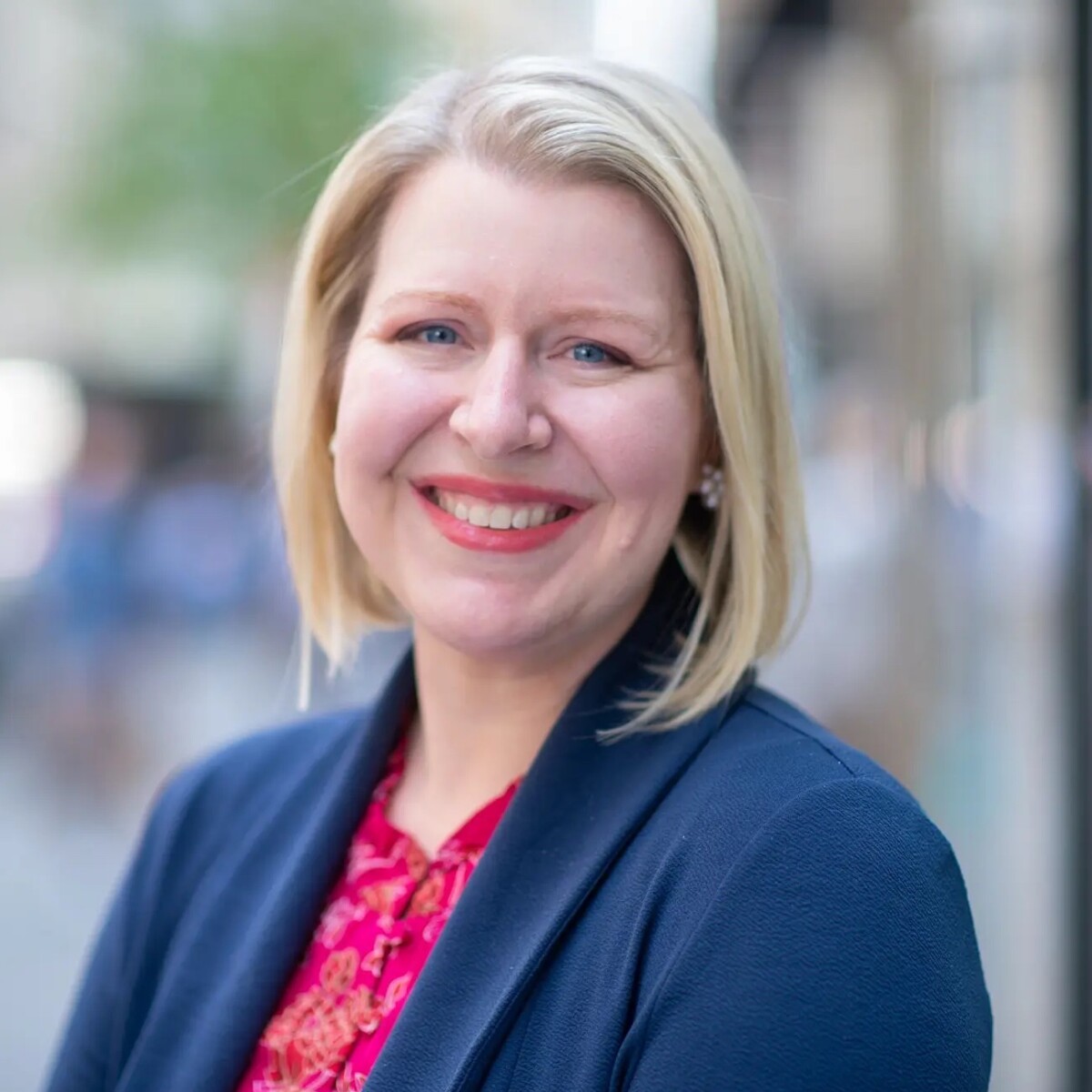 Nicole Hemmer
Vanderbilt University
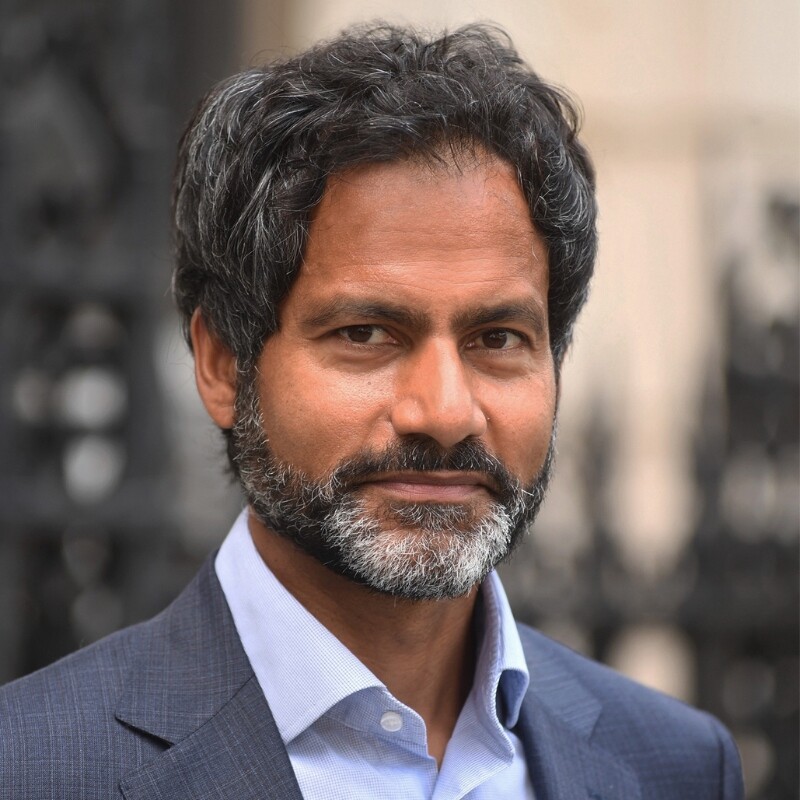 Jameel Jaffer
Executive Director, Knight Institute
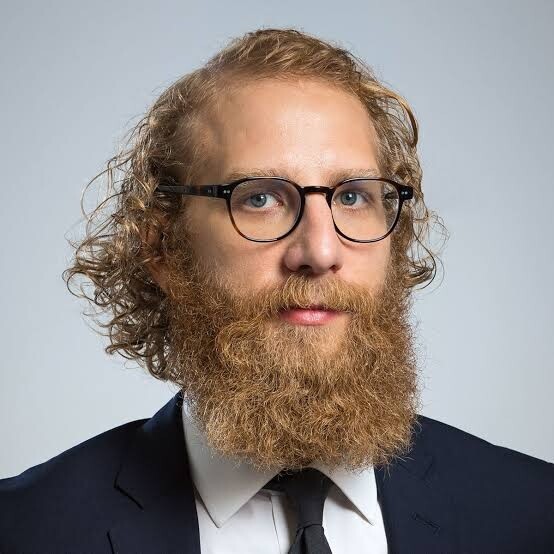 Brett Max Kaufman
American Civil Liberties Union
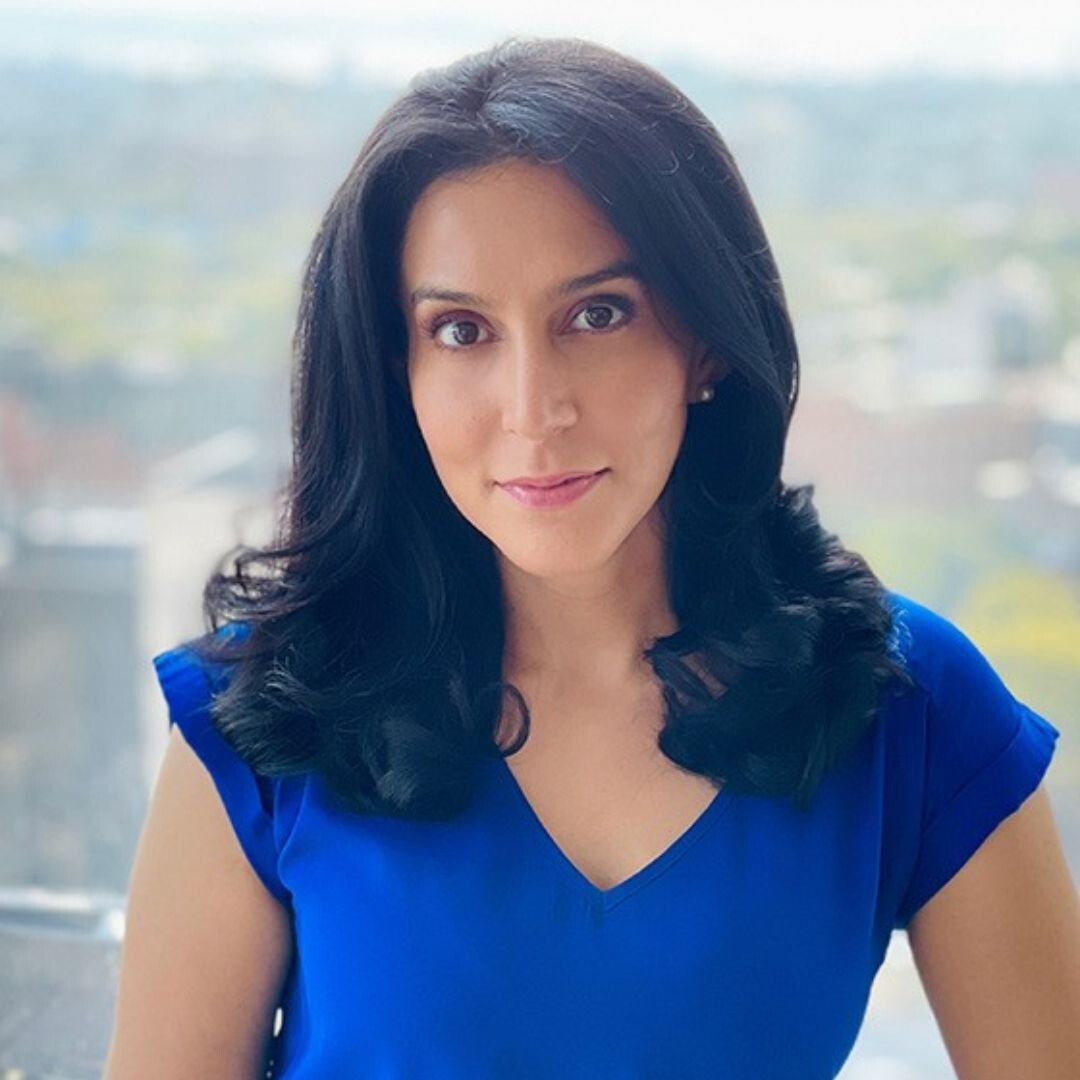 Azmat Khan
Simon and June Li Center for Global Journalism at Columbia Journalism School
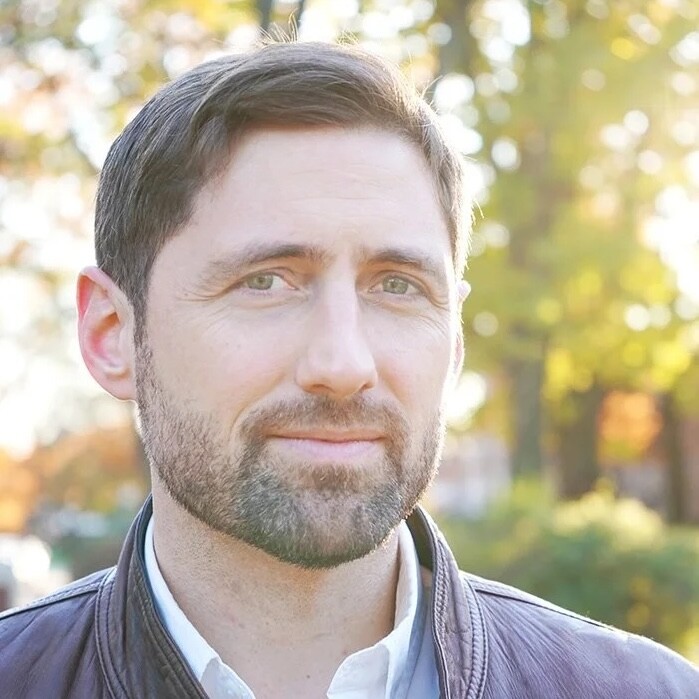 Phil Klay
Fairfield University
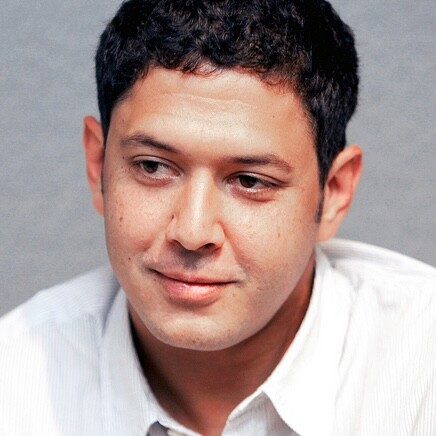 Sharif Abdel Kouddous
Drop Site News
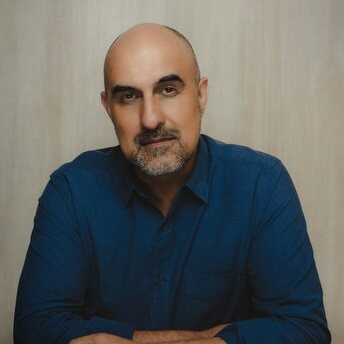 Hari Kunzru
Harper's Magazine
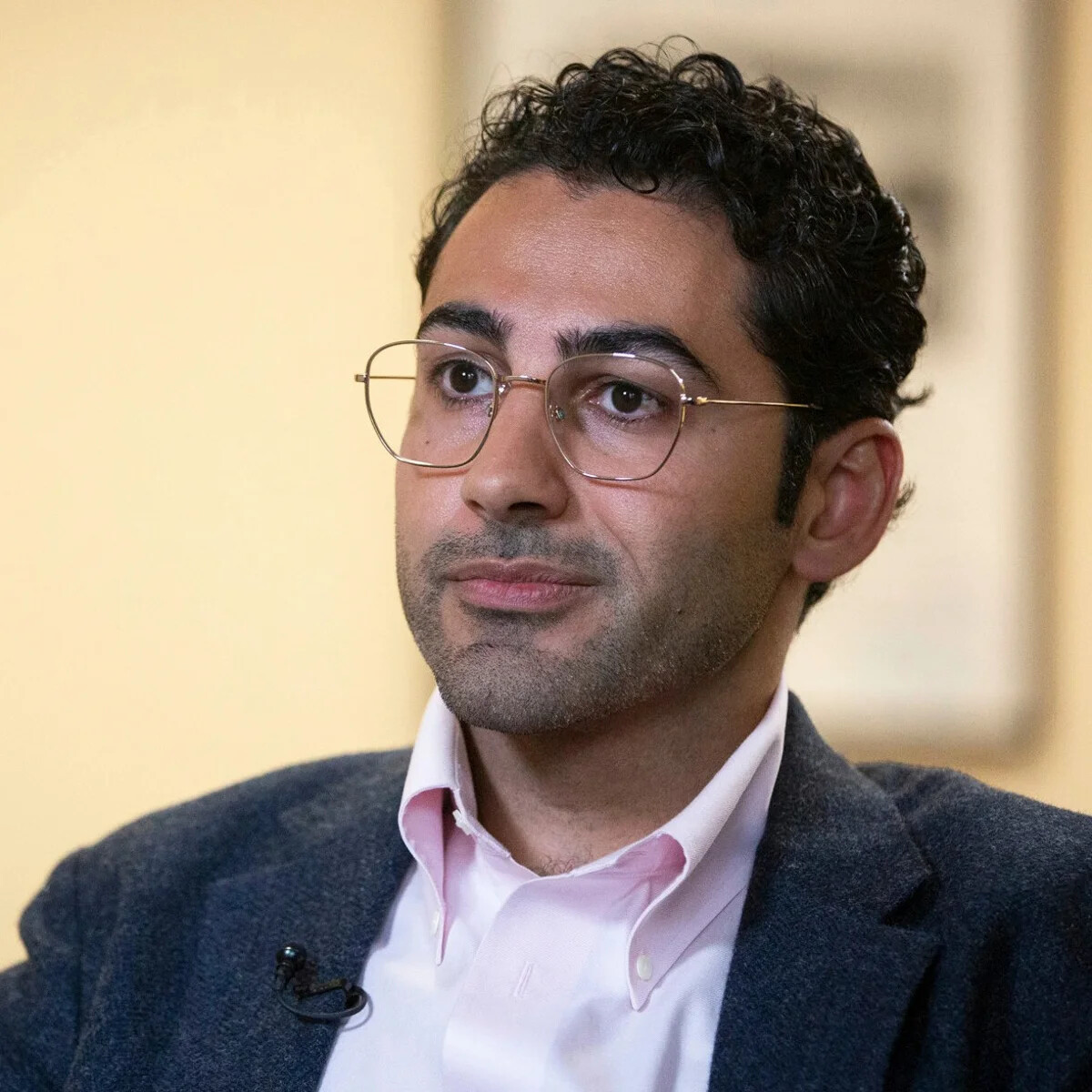 Mohsen Mahdawi
Columbia University
 Shourideh C. Molavi
Columbia University
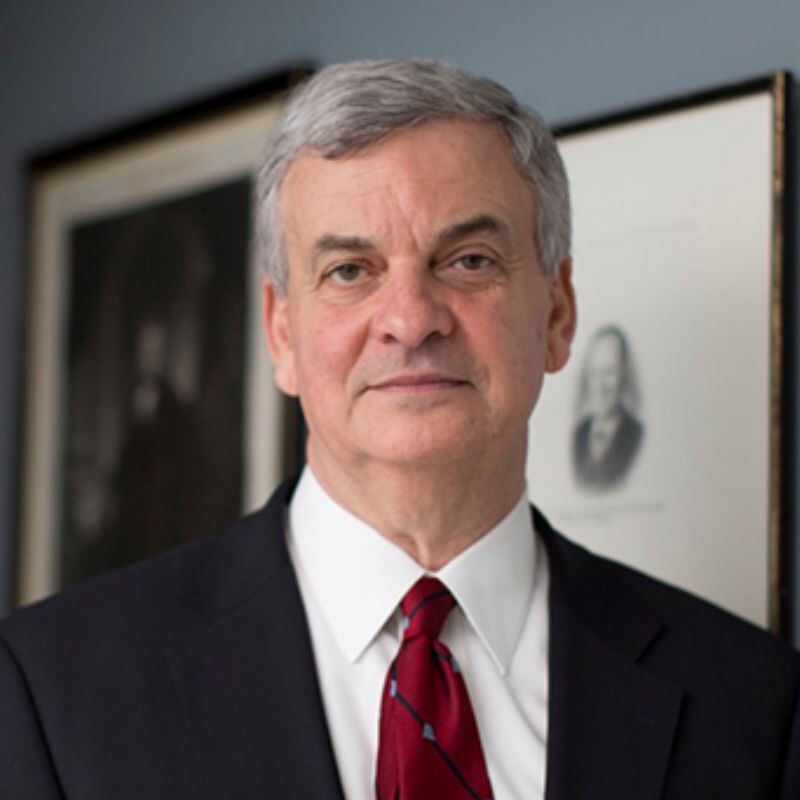 Alberto Mora
Former General Counsel of the Department of Navy
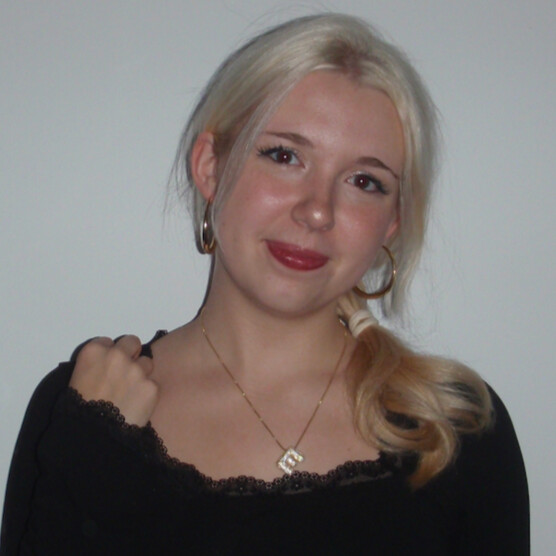 Emily Pickering
Columbia Daily Spectator
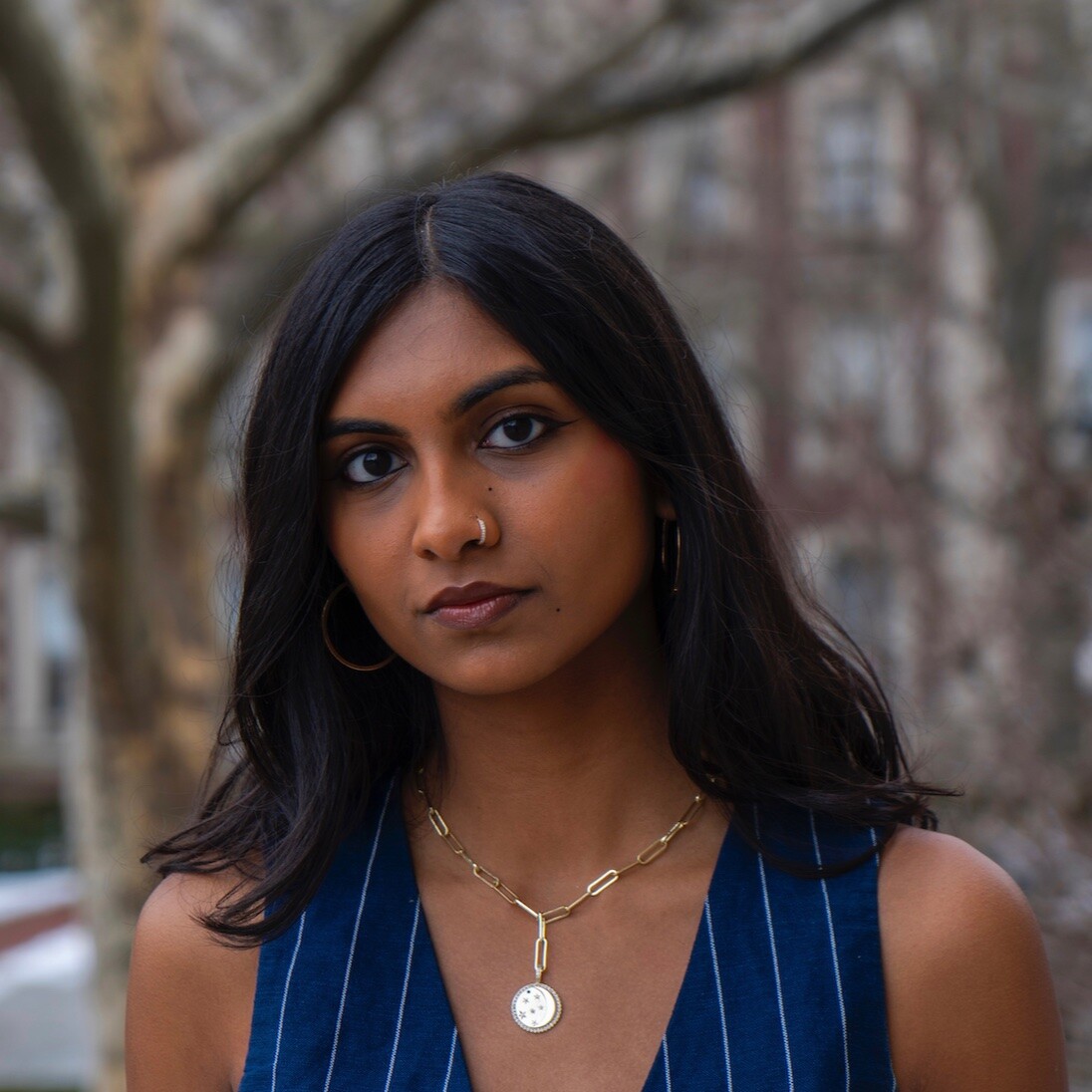 Daksha Pillai
Columbia Daily Spectator
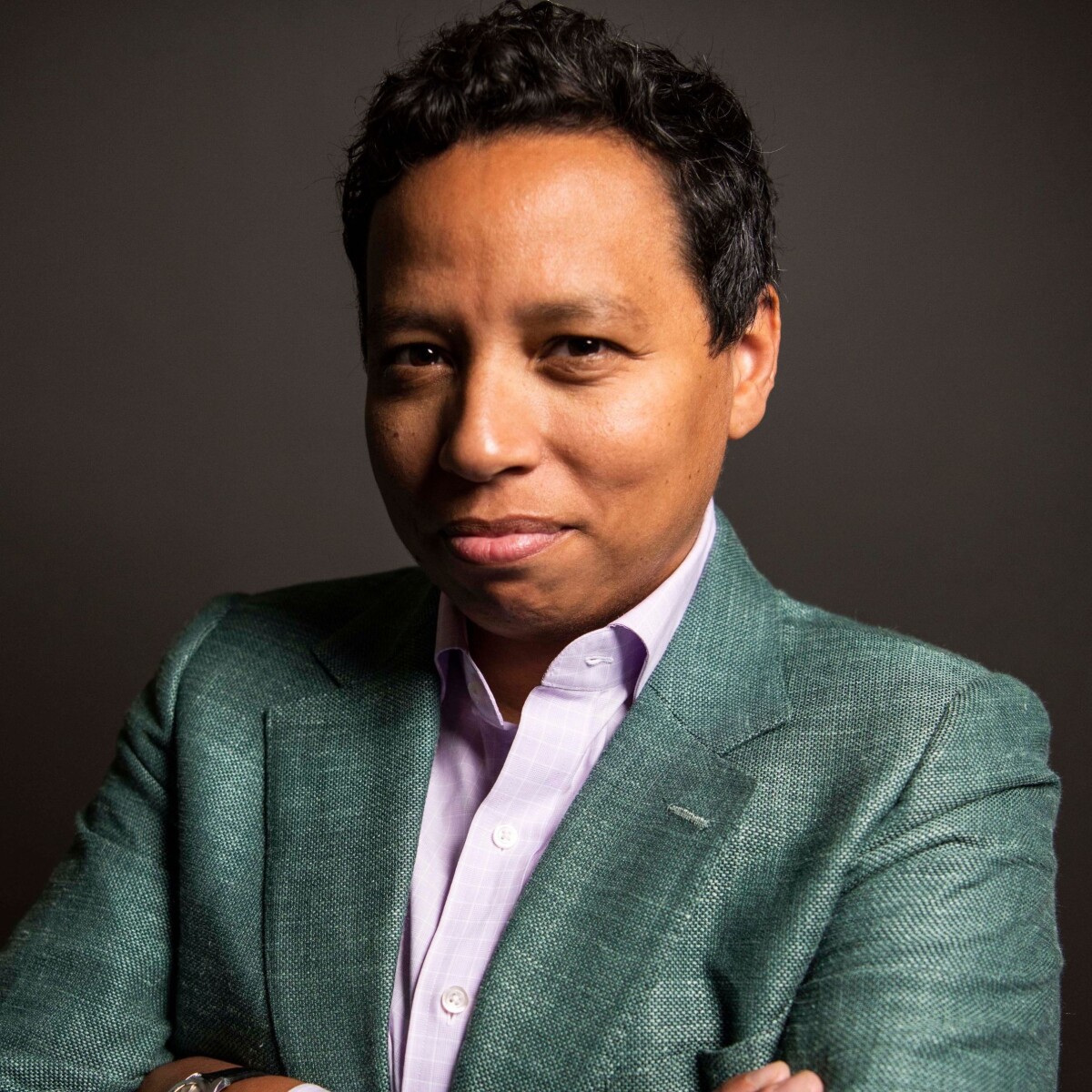 Lydia Polgreen
The New York Times
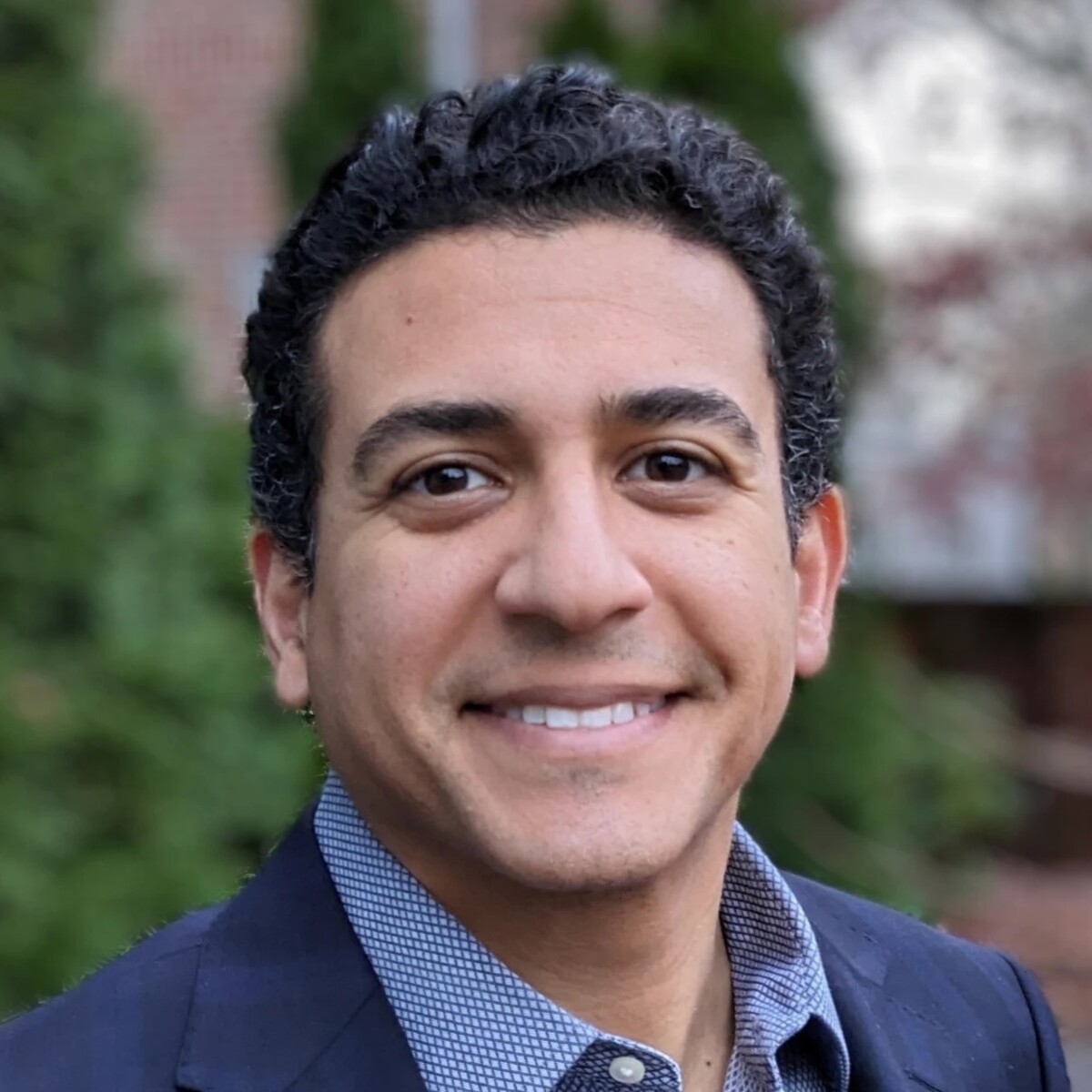 Aziz Rana
Boston College Law School
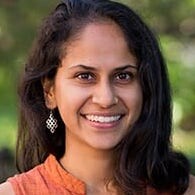 Astha Sharma Pokharel
Center for Constitutional Rights
 Shirin Sinnar
Stanford Law School
 Mohamedou Ould Slahi
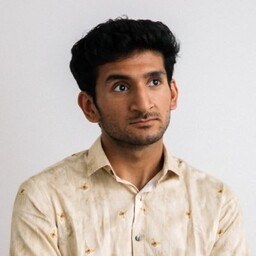 Prem Thakker
Zeteo
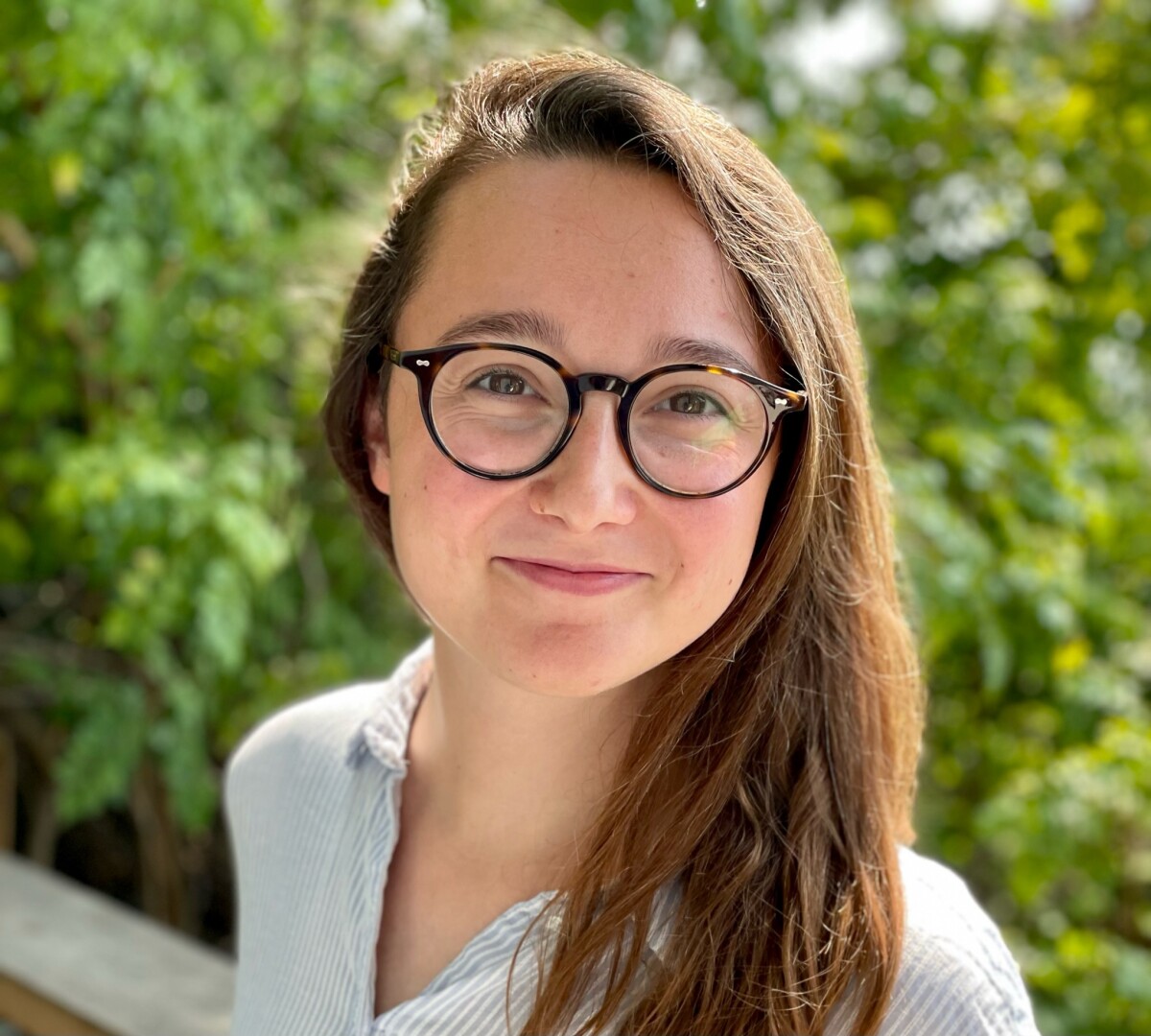 Emily Tripp
Airwars
| # | Наименование новости | Тональность | Информативность | Дата публикации |
|---|---|---|---|---|
| 1 | The Forever War and the First Amendment | 0 | 5.83 | 11-08-2026 |
| 2 | Let’s Not Forget What Madison Said About War | -2 | 3 | 12-05-2026 |
| 3 | McCourtney Institute to mark 9/11 anniversary with film screening, discussion | 0 | 11.83 | 13-08-2026 |
| 4 | Institute Files Joint Comment to FCC on Early License Renewal Order for ABC Stations | 0 | 7.3 | 06-08-2026 |
| 5 | "Lawyering Without Law" Transcript: Ep. 6 | 0 | 6.54 | 10-07-2026 |
| 6 | Trump’s War on Iran Is Not America’s War | -2 | 3 | 05-05-2026 |
| 7 | 'Brazen and illegal': Trump DOJ stuns with 'chilling' subpoena | 0 | 7.34 | 01-08-2026 |
| 8 | New York Times files motion to quash subpoenas served on journalists over Air Force One coverage | 0 | 5 | 16-07-2026 |
| 9 | New York Times files motion to quash subpoenas served on journalists over Air Force One coverage | 0 | 5.26 | 16-07-2026 |
| 10 | Should Journalists Ever Hold a Story Back? | 0 | 2 | 29-06-2026 |