Просмотр новости
Найдите то, что Вас интересует
 Спутники
 РН
РН SpaceX
 Роскосмос
 NASA
NASA
СпутникиРНSpaceXРоскосмосNASAIn 2025, streaming platforms find themselves at a pivotal crossroads. Gone are the days when a single subscription model – SVOD – ruled the industry. ... Read more »
In 2025, streaming platforms find themselves at a pivotal crossroads. Gone are the days when a single subscription model – SVOD – ruled the industry. Instead, audiences are increasingly savvy and cost-conscious: nearly half of U.S. subscribers now choose ad-supported tiers, and most of those are new users – a clear sign that AVOD and FAST are becoming mainstream.
At the same time, subscription fatigue is apparent, with many reporting feeling overwhelmed by the number of services they pay for. A single SVOD subscription is not enough today for an audience looking for best-in-class content and convenience. Therefore, OTT monetization strategies have adapted to balance profitability with user engagement, responding to shifting consumer behaviors and technological advancements.
This article explores the historical context of OTT monetization models, examines current trends, and discusses technologies enhancing these strategies, providing actionable insights for OTT market players considering moving to hybrid OTT monetization.
In the following sections, we’ll unpack:

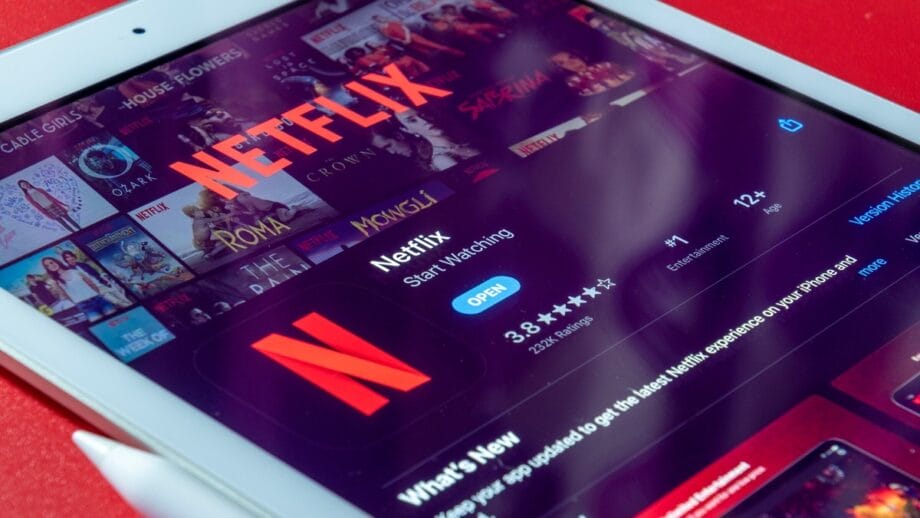
In the early 2010s, Subscription video on demand (SVOD) emerged as the flagship OTT monetization model, and it didn’t just change how platforms made money; it changed how people watched TV. Picture the moment: families ditching late fees at the video store, teens bingeing entire seasons in one weekend, and viewers everywhere relishing the luxury of watching what they wanted, when they wanted, without ads.
This wasn’t just technological progress; it was a cultural turning point. Platforms like Netflix and Amazon Prime Video offered vast content libraries at a flat monthly rate, eliminating the friction of rentals or pay-per-title decisions. The appeal was clear: ad-free viewing, binge-ready formats, predictable pricing, and original content that rivaled Hollywood. SVOD became the new normal – its rise turbocharged by the rapid expansion of broadband (the global average speed more than doubled between 2010 and 2020) and the introduction of smart TVs that brought streaming into the living room with one click.
As more platforms entered the field and subscription costs began to stack up, the once-simple decision of “what to watch” was complicated by “what to pay for.” This opened the door for Advertising-Based Video on demand (AVOD) to gain serious traction. Services like Hulu and YouTube proved that ad-supported content could satisfy viewers who were eager for flexibility, especially during moments of economic uncertainty. Hulu’s early experiments with hybrid ad-supported SVOD tiers, starting in 2011, laid the groundwork for today’s multibillion-dollar AVOD market. Meanwhile, YouTube’s long-standing free model became a case study in just how valuable user attention could be when monetized with ads.
At the same time, Transactional VOD (TVOD) quietly carved out a niche. For those uninterested in ongoing subscriptions but eager for timely access – be it a major sporting event, blockbuster premiere, or live concert – TVOD and pay-per-view offered one-off flexibility. Apple, Google Play, and Amazon Prime Video rentals became popular among viewers willing to pay a premium for exclusive or event-based content, especially as windowing strategies shifted.
Then came the freemium evolution – a mix of free access and premium upsells, blending reach with revenue. Huge market players in their respective regions, like Peacock, Disney+, or Hotstar, offered ad-based and ad-free tiers. Twitch allowed anyone to watch for free, but reserved perks like ad-free viewing and custom emotes for paying subscribers. Spotify’s model – stream music for free, upgrade for better quality, and no ads – set the blueprint for OTT services straddling user growth and monetization.
The following snapshot captures a broader shift in the OTT landscape. What about today?
Current Trends: Monetization Models in 2025
In 2025, AVOD and FAST services continue to attract cost-conscious viewers. According to Antenna’s Q2 report, 46% of U.S. streaming subscribers use ad-supported tiers, and 65% of them are new customers, underscoring AVOD’s power in user acquisition. With the global market projected to reach $75.22 billion by 2030, AVOD has matured into a core revenue model for OTT platforms.
Services like Tubi and UVOtv offer free content supported by advertisements, attracting a broad audience base. This model allows for revenue generation through targeted advertising while providing viewers with free access to content.
Why it’s happening:
Advancements in artificial intelligence and machine learning enable OTT providers and services to deliver personalized advertising experiences. By analyzing viewer data, platforms can serve targeted ads that resonate with individual preferences, increasing engagement and ad effectiveness.
Why it’s happening:

Transactional video on demand (TVOD) and pay-per-view (PPV) models are effective for monetizing premium content, such as new releases and live events. These models allow viewers to pay for specific content without committing to a subscription, providing flexibility and additional revenue streams for platforms.
Why it’s happening:
Even in a subscription-dominated era, there remains a strong market willing to pay for exclusivity. TVOD thrives when consumers perceive clear, event-level value – e.g., big sports matches, concert broadcasts, or early movie releases at home.
4. Freemium Models Facilitate User AcquisitionFreemium models, which offer basic content for free with the option to upgrade to premium tiers, are effective for user acquisition. By lowering the barrier to entry, platforms can attract a larger audience and encourage conversions to paid subscriptions through value-added features and exclusive content.
Why it’s happening:
OTT content providers and platforms are expanding into emerging markets by offering localized content and pricing strategies. By tailoring content to regional preferences and economic conditions, platforms can expand new audiences and drive growth in these markets.
Why it’s happening:
In this climate, OTT monetization has evolved into a multi-dimensional strategy. To combat subscription fatigue, OTT platforms are adopting hybrid monetization models that combine subscription-based (SVOD), ad-supported (AVOD), and transactional (TVOD) options. This approach offers flexibility, catering to diverse audience preferences and maximizing revenue potential.
The question is no longer whether to choose AVOD, SVOD, TVOD, or Freemium – but how to combine them, orchestrated by data and technology. Hybrid video on demand (HVOD) mixes SVOD, AVOD, TVOD, and FAST in modular models.
Hybrid OTT strategies reflect platforms’ need for greater monetization agility, segmenting offerings by price sensitivity, content preferences, and binge behaviors. It’s both a defensive and offensive play – as pricing elasticity flattens, flexibility becomes the competitive advantage.
Why it’s happening:

The 2025 monetization ecosystem is increasingly diversified and dynamic, and it’s no longer enough to choose a single model. Instead, successful platforms:
As economic pressures level out and consumer habits solidify, we’ll continue to see consolidation and innovation within hybrid and ad-based monetization. Networks like Netflix and Disney+ will likely deepen AVOD offerings, while FAST platforms will drive ad tech advancements. Personalization, data analytics, and hybrid flexibility won’t just be innovative features.
| # | Наименование новости | Тональность | Информативность | Дата публикации |
|---|---|---|---|---|
| 1 | How Channel Partners Can Grow Recurring Revenue With Cloud Services #onlineservice #businesstools | 0 | 8.84 | 24-12-2025 |
| 2 | Aligning marketing strategy with business goals: Best practices 2025 | 5 | 7 | 09-09-2025 |
| 3 | BaaS-платформы 2025 | 0 | 5 | 15-10-2025 |
| 4 | Платформы Kubernetes для крупного бизнеса 2025 | 0 | 5 | 13-10-2025 |
| 5 | Онлайн-доски 2025 | 0 | 0 | 26-11-2025 |
| 6 | The 6 best video streaming platforms in 2026 | 0 | 11.65 | 05-12-2025 |
| 7 | Best Ecommerce Platforms | 0 | 11.63 | 09-09-2023 |
| 8 | Digital Marketing and Social Media: Trends and Best Practices | 0 | 7 | 16-07-2026 |
| 9 | How to monetize live-streaming content: Best tools and techniques | 0 | 14.59 | 28-01-2026 |
| 10 | Stratégie marketing des médias de divertissement : 7 leviers | 0 | 8.12 | 16-08-2026 |