Просмотр новости
Найдите то, что Вас интересует
 Спутники
 РН
РН SpaceX
 Роскосмос
 NASA
NASA
СпутникиРНSpaceXРоскосмосNASABackground Deleterious rhizobacteria (DRB) constitute an emerging category of bioherbicides with the capacity to inhibit weed germination through phytotoxic metabolites. Aim This study aimed to isolate and screen rhizobacteria for deleterious potentials. Bacterial isolation was carried out using the standard pour plating method. Methods Five agricultural crops (cucumber, soybean, sorghum, cowpea and maize) were assayed for phytotoxic screening against the DRB. In addition, antimicrobial potential of the DRB against test pathogens and indole acetic acid (IAA) were also investigated. Polymerase chain reaction and gene sequencing of the isolates revealed three strains of Pseudomonas aeruginosa and one each of P. fluorescens and E. hormaechei. Results The antimicrobial outcomes of the test revealed broad-spectrum inhibition against the test pathogens. In terms of culture age, younger cultures (≤48 h) mostly stimulated or matched control germination and vigor indices with toxicity increasing progressively with age beyond 120 h for most of the seeds. In the case of steeping duration, short steeping durations (1–2 h) typically maintained germination and vigor near control levels. Progressive extension of steeping time increased inhibition across all isolates. At different inoculum concentrations, higher inoculum concentrations produced stronger inhibitory effects than diluted suspensions. Full-strength inoculum (100%) suppressed vigor drastically, whereas 20–40% dilutions produced diminished or reversible effects. Also, all isolates produced measurable IAA in tryptophan-supplemented media with output increasing with incubation age, correlating with suppression of vigor at later time points. Conclusion The indigenous origin of the DRB evaluated in this study enhances environmental compatibility and reduces ecological disturbance risks.
A total of 43 rhizobacterial strains were isolated from rhizospheres within Afe Babalola University, Nigeria. The isolates were screened preliminarily for antimicrobial potentials against selected pathogens and phytotoxicity potentials. Isolates that showed antimicrobial activity against at least three of the test pathogens and phytotoxic activity (evidenced through reduced vigor index) against a minimum of three selected seeds (cowpea (Vigna unguiculata), soybean (Glycine max), maize (Zea mays), cucumber (Cucumis sativus) and sorghum (Sorghum bicolor)) were used for further studies. A total of five rhizobacterial strains, which consist of three strains of Pseudomonas aeruginosa, one strain of Enterobacter hormaechei and one strain of Pseudomonas fluorescens were used for further studies ( Table 1 and Figure 1).
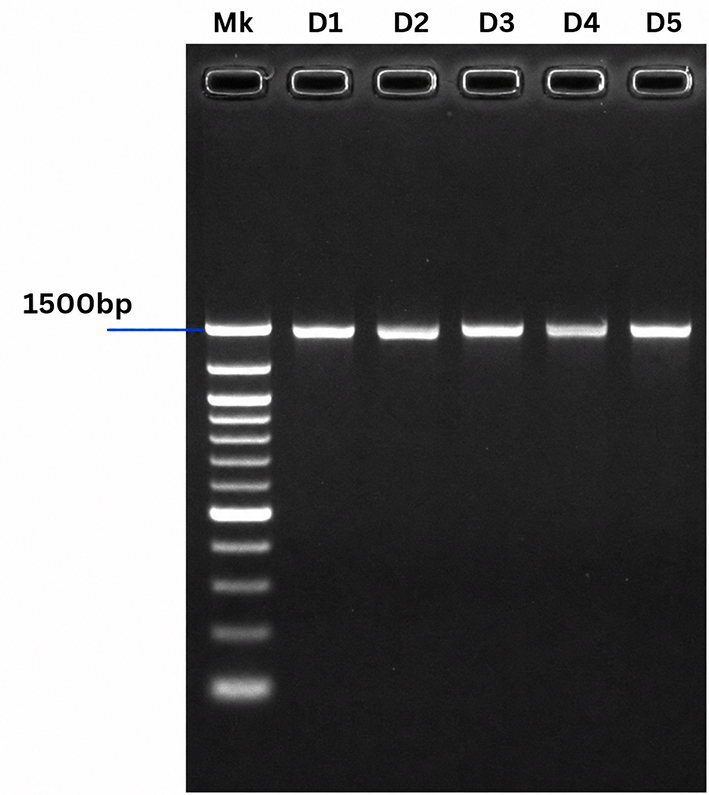
Molecular characterization based on partial 16S rRNA gene sequencing revealed that the selected phytotoxic isolates belonged to the genera Pseudomonas and Enterobacter. Sequence similarity values ranged from 99.49–100%, confirming the identities of the isolates as Pseudomonas aeruginosa (PV936735, PV936736 and PV936739), Pseudomonas fluorescens (PV936737) and Enterobacter hormaechei (PV936738). The obtained sequences were deposited in the National Centre for Biotechnology Information (NCBI) database and accession numbers were obtained accordingly ( Table 1).
Antibacterial potentials of the rhizobacterial inoculums revealed variation in the degree of inhibition against the test pathogens. Overall, the highest zones of inhibition were observed against P. aeruginosa and P. fuscoginae (27.5 mm) in the presence of P. aeruginosa (PV936735). In the case of P. aeruginosa (PV936736), P. fluorescens (PV936737) and E. hormaechei (PV936738), highest zones of inhibition of 26.5 mm and 25.0 mm and 31.5 mm were recorded against Bacillus subtilis, respectively. For P. aeruginosa (PV936739), the highest value was recorded against K. pneumoniae, with zone of inhibition of 28.0 mm ( Table 2).
3.3.1 Effect of culture age
Cowpea
Overall, the data showed that young bacterial cultures enhanced rapid germination and high seedling vigor, whereas cultures aged beyond 120 h increasingly delayed germination and suppressed vigor, with the severity of phytotoxicity varying across strains. Among the isolates, P. aeruginosa PV936735 showed high germination up to 120 h but the vigor reduced sharply at 144 h, signifying phytotoxic activity. P. aeruginosa PV936736 preserved germination near 100% while vigor decreased steadily after 120 h. In the presence of P. fluorescens, excellent early vigor was displayed with younger culture while older cultures showed moderate, remaining above control. For E. hormaechei, consistently high germination and vigor was maintained across all culture ages, indicating the least phytotoxic effect ( Table 3).
In the case of germination, most treatments showed high germination percentages (>90%) throughout the culture ages. Treatment with P. fluorescens PV936737 consistently matched the control, while P. aeruginosa PV936739 sustained full germination after an early decline at 48 h. Significant declines in germination observed in older cultures were evident for P. aeruginosa PV936735 (85.7% at 168 h) and for E. hormaechei (90.5% at 168 h), suggesting slight inhibition as cultures aged. Germination rate values clustered closely around 0.20–0.24, like the control (0.23), reflecting only modest influence of culture age. However, slightly higher rates (0.24–0.25) were noticed with very young cultures (24 h) for most strains, except E. hormaechei, indicating a small early-stage stimulation ( Table 3).
With respect to germination time, the control mean germination time was 4.33 d while early cultures (24–48 h) of all strains shortened germination time between 4.1–4.3 d. In the presence of older cultures (96–120 h), extended germination time of between 4.7–5.0 d was recorded, which is an indication of increased phytotoxic activity as cultures aged. The longest germination times were recorded for P. aeruginosa PV936739 at 96–120 h.
Vigor index of the cowpea seeds showed peak values (≥1700) with young cultures of P. fluorescens (1872 at 24 h), E. hormaechei (1781 at 72 h) and P. aeruginosa PV936739 (1859 at 24 h). Evidently, most strains showed vertical decline after 120 h, with P. aeruginosa PV936735 dipping to 358 by 168 h and P. aeruginosa PV936736 to 573, which was well below the control value at 1431.9 ( Table 3).
Maize
Among the strains, P. aeruginosa PV936735 showed marked drop in vigor and germination after 120 h, suggesting strong phytotoxic metabolites accumulate with culture age while P. aeruginosa (PV936736) maintained high germination to 120 h but vigor index fell sharply to 227 by 168 h. In addition, P. fluorescens PV936737 displayed the largest mid-term dip in germination (61.9% at 72 h) and strong vigor decline by 168 h while E. hormaechei (PV936738) showed more consistent values in germination and vigor remained consistently high across all ages. Furthermore, P. aeruginosa PV936739 produced the highest early vigor (1202 at 24 h) and generally maintained good germination, though vigor decreased at 120 h ( Table 4).
With respect to germination, most of the treatments maintained high germination (often >80%) across culture ages. with E. hormaechei (PV936738) and P. aeruginosa (PV936739) consistently showing germination above the control. However, some declines appeared at late culture ages for P. aeruginosa (PV936735) and P. fluorescens (PV936737), suggesting mild inhibitory effects as cultures aged. In the case of germination rate, values were clustered around 0.20–0.23 across treatments, like the control (0.21), showing only modest influence of culture age. Slightly higher rates (0.22–0.23) were seen with very young cultures (24 h) for some of the strains; E. hormaechei (PV936738) and P. aeruginosa (PV936739), indicating a small early-stage stimulation ( Table 4).
For germination time, the recorded value for the control mean was 4.70 d, while some early cultures (24–48 h) shortened germination time to between 4.3–4.6 d (notably P. aeruginosa (PV936739) and E. hormaechei (PV936738), thus indicating mild promotion. Older cultures (96–168 h) were however observed to often prolonged germination to 5 d or more, reflecting increasing phytotoxicity as cultures aged. In addition, remarkable effects were observed with vigor index with highest values (≥1100) occurring with young cultures of E. hormaechei (PV936738) at 48 h and P. aeruginosa (PV936739) at 24 h. Most of the strains showed steep declines at 168 h, e.g., P. aeruginosa PV936735 (189) and P. fluorescens PV936737 (193), well below the control (964) ( Table 4).
Soybean
At the respective treatments, soybean seeds young cultures (24–48 h) followed a similar pattern as the control while older cultures (≥96 h) extended germination time and reduced vigor index. Among the strains, P. aeruginosa (PV936735) demonstrated age-related germinability inhibition, combining a major mid-term decline in germination% at 72 h with a strong late-stage vigor decline. For P. aeruginosa (PV936736), moderate germination and reduced vigor after 96 h was maintained. Also, P. fluorescens (PV936737) displayed high early vigor that fell below 200 at 144 h while E. hormaechei (PV936738) showed moderately stable germination and highest early vigor (843 at 24 h) ( Table 5).
With regards to germination for most treatments, moderate to high percentages (often 60–80%) was observed across culture ages, which was consistently lesser than the control value of 90%. The highest germination among the strains was observed in P. aeruginosa PV936739 ranging close to the control value (86% at 96–120 h). P. aeruginosa PV936735 showed a clear decline (57% at 72 h) before partial rise at 96 h, suggesting a temporary inhibition as the culture aged. Germination rate values were mostly between 0.19–0.21, which is close to the control (0.22), showing only a modest influence of culture age. Slightly high rates (0.20–0.21) were observed in young cultures (24–48 h) across most strains, indicating a minor early-stage stimulation ( Table 5).
The control mean for germination time was 4.55 d with younger cultures producing slightly longer values (4.7–4.9 d) except in E. hormaechei (PV936738) and P. aeruginosa PV936739 where value of 5.1 d at 24 h was recorded. In addition, cultures extended germination time beyond 5 d, notable increase in germination time were observed with increase in culture age ( Table 5).
Overall, vigor decreased considerably as cultures aged in presence of most of the strains. The vigor index of the control group recorded 821 was generally far above the vigor of the treatment ranges (200–500). Early cultures of E. hormaechei (PV936738) and P. fluorescens (PV936737) with vigor index of 843 and 654 at 24 h, respectively, were however close to control. The highest decrease was observed with E. hormaechei (PV936738), which dropped from about 843 at 24 h to 193 by 168 h. P. aeruginosa PV936735, P. aeruginosa PV936736 and P. fluorescens (PV936737) showed a similar trend with vigor reducing as cultures aged ( Table 5).
Sorghum
For the sorghum seeds, the germinability pattern revealed an age-dependent phytotoxic effect, with younger cultures (24–48 h) generally showing vigor index close to the control value while older cultures (≥72 h) displaying reduced vigor index. Overall, E. hormaechei (PV936738) showed the least phytotoxic effect while P. aeruginosa (PV936735) displayed the most pronounced late-age toxicity. Generally, all strains showed mid-term reduction in germinability at 72 h with strongest activity observed in presence of P. aeruginosa (PV936735), with a significantly lowest vigor to 119.46 and continued low values thereafter. For P. aeruginosa PV936736, high germination was maintained at the different culture ages, although significant drop in vigor to 129.05 at 168 h. In the case of P. fluorescens (PV936737), peak vigor value was recorded at early culture age (968.57 at 24 h), followed by a decline to 124.76 at 168 h. Seeds treated with E. hormaechei (PV936738) showed good germination across all ages and displayed the highest early vigor (1093.95 at 48 h) before a gradual decline up to 142.52 at 168 h. For P. aeruginosa (PV936739), consistently high germination and vigor (856.53 at 48 h) were observed with younger cultures but decreased to 128.91 at 168 h ( Table 6).
With respect to germination, most treatments maintained high percentages (≥80%) with all treatments, except P. aeruginosa PV936735 (67% at 72 h and 76% at 168 h) consistently in close range or exceeded the control value of 95%. Germination rate values were observed to cluster around 0.20–0.24 d, which was like the control (0.24). However, slightly high rates (0.23–0.25 d) occurred in young cultures (24–48 h) of P. aeruginosa (PV936735, PV936737 and PV936739), and E. hormaechei (PV936738) ( Table 6).
For germination time, the recorded value for the control mean was 4.21 d and remained in the 4.1–4.3 d range for most strains at 24–48 h, but increased to 4.8–5.1 d at 96–144 h for P. aeruginosa (PV936735, PV936736), and E. hormaechei (PV936738), indicating the onset of age-related inhibition ( Table 6).
The vigor index showed the most prominent changes with control vigor index value of 818.57, while early cultures (24–48 h) of all strains showed values close to or exceeding the control value except P. aeruginosa (PV936735) (531.70 at 48 h). All strains, however, showed severe decline at 168 h with the lowest values seen in P. aeruginosa (PV936735) (58.70) and P. fluorescens (PV936737) (124.76), confirming accumulation of phytotoxic metabolites as cultures aged ( Table 6).
Cucumber
For the cucumber seeds, at the respective inoculum ages, younger cultures (24–48 h) were observed to follow similar trend as the control, while older cultures (≥72 h) showed decrease in germination rate (≥96 h) and showed a slight increase in germination time and modest reductions in vigor. Among the strains, P. aeruginosa PV936735 showed the highest early vigor (24 h) and highest inhibitory effect at 168 h (843.74). P. aeruginosa (PV936736) maintained a moderately high germination and vigor up to the oldest culture age (168 h) despite a temporary extension of germination time at 96 h (5.44 d). P. fluorescens (PV936737) produced the highest vigor index (1312.38) and maintained a higher vigor value than the control even at the oldest culture age. E. hormaechei (PV936738) demonstrated steady high germination and vigor throughout all ages except at 72 h and 168 h. P. aeruginosa (PV936739) maintained a steady high germination and a late-age decline at 168 h ( Table 7).
With respect to germination, all treatments maintained very high percentages (mostly 90–100%) across all culture ages, consistently having the same value or exceeding the control (90.48%). In the case of germination rate, values majorly around 0.20–0.23, close to the control (0.23), showing reduced influence of culture age. High rates (0.23) which is like the control value were seen at 24–48 h for most strains, indicating a mild early-stage stimulation that reduced slightly (0.20) at 120 h except for P. aeruginosa (PV936736) which showed the least rate at 96 h (0.18) ( Table 7).
For germination time, the control mean was 4.34 d. Young cultures (24–48 h) maintained similar values (4.3–4.4 d), while older cultures showed mild extended germination time. Significant increases in germination time were observed to occur with P. aeruginosa (PV936736) (5.44 d at 96 h), P. aeruginosa (PV936735) (5.12 d at 120 h) and P. aeruginosa (PV936739) (5.05 d at 120 h), as cultures aged, especially within 96–144 h across all strains ( Table 7).
Vigor index for the control was 1007.21. Highest value (≥1200) occurred with young cultures of P. fluorescens (PV936737) (1312.38 at 72 h), P. aeruginosa (PV936735) (1210.95 at 24 h and 1221.43 at 72 h) and P. aeruginosa (PV936736) (1205.24 at 72 h). Some older cultures (144 h) also showed high values (≥1200) as seen in P. aeruginosa (PV936736) (1230.00), P. fluorescens (PV936737) (1210.00) and P. aeruginosa (PV936739) (1245.71) ( Table 7).
3.3.2 Effect of steeping duration
Cowpea
At the respective steeping durations, no consistent pattern of increases or decreases were observed for the germinability parameters investigated at the different steeping times. This observation was irrespective of the test bacterial strains. In presence of the bacterial treatments, germination that ranged from 80-90%, 47-100%, 76-95%, 61-100% and 61-95% were observed in presence of P. aeruginosa (PV936735), P. aeruginosa (PV936736), P. fluorescens (PV936737), E. hormaechei (PV936738) and P. aeruginosa (PV936739), respectively. Overall, shorter steeping time (1–2 h) showed minute effect on the vigor index ( Table 8).
Across the treatments, no significant difference between germination rates at the different steeping durations were observed. Overall, germination rate that ranged from 0.21-0.23 d−1 was observed, which was like the control ( Table 8).
For germination time, values that ranged from 4.30-4.52 [P. aeruginosa (PV936735)] 4.28-4.77 d P. aeruginosa [(PV936736)], 4.39-4.58 d [P. fluorescens (PV936737)], 4.26-4.67 d [E. hormaechei (PV936738)] and 4.33-4.44 d [P. aeruginosa (PV936739)] were observed. Longer germination time was observed at longer steeping durations (4-5 h). This observation was also irrespective of the test bacterial strains. Germination time extension was observed for P. aeruginosa PV936736 at 3–5 h (4.72–4.77 d) and a slight reduction for E. hormaechei at 2 h (4.26 d).
In the case of vigor, significantly low values of 958.57, 392, 996.87, 819.12 and 721.56 were observed in the presence of P. aeruginosa (PV936735), P. aeruginosa (PV936736), P. fluorescens (PV936737), E. hormaechei (PV936738) and P. aeruginosa (PV936739), at steeping durations of 4 h, 5 h, 4 h, 1 h, and 3 h, respectively. E. hormaechei showed the highest vigor of 1965.24 at 2 h before declining to 1165.03 at 5 h while P. aeruginosa PV936736 showed a high vigor (1882.86 at 1 h) before declining rapidly to 392.24 at 5 h. For P. aeruginosa PV936739, a remarkable decline in vigor at 2 h from 1272.65 to 721.56 at 3 h was observed ( Table 8).
Maize
At the different steeping durations, there was no observed pattern of increases or decreases in germination of the maize seeds at the respective treatments and control setup. This observation was irrespective of the treatments. For the P. aeruginosa (PV936735) treatment, highest germination was observed at 4 h (85.71%), with decreases to between 61-67% at 3h and 5h. For the P. aeruginosa (PV936736) treated seeds, increase in germination was observed from 71% to 90.48% at 5 h while and P. fluorescens (PV936737) showed high overall germination (80-100%) among the isolates, with highest value recorded at 3 h steeping time. Similarly, E. hormaechei (PV936738) treatments showed stability between 71-85% at the respective treatments while P. aeruginosa (PV936739) showed lower germination at lower steeping time, increasing to 85% by 3-5h ( Table 9).
Germination rate of seeds remained stable between 0.20-0.22 d-1 for all the bacterial treatment and control seeds with no observed pattern at the respective steeping times. In addition, germination time showed stability for all the treatment groups and control, varying from 4.56 to 5.10 d. However, slight variations were observed depending on the treatment and time. Although some decreases were observed in presence of some of the bacterial treatments, no consistency was observed ( Table 9).
With respect to vigor index, wide variations were observed at the different steeping times in treatments with P. aeruginosa (PV936735), with highest value at 4h (681) and lowest at 3h and 5h (318). A general increasing trend to 765.65 (5 h), 807 (4 h) and 819 (3 h) was however observed for treatments with P. aeruginosa (PV936736) and E. hormaechei (PV936738) and P. aeruginosa (PV936739), respectively while P. fluorescens (PV936737) showed high vigor index overall, with highest at 2h (998), before declining at 5h. For the control seeds, general increase in vigor with increase in steeping time was observed till 4 h (913) before a drop at 5 h ( Table 9).
Soybean
For soybean seeds at different steeping durations, no obvious germinability pattern was observed for all treatments and control setup. The germination percentages observed for bacterial treatments range from 71-90%, 76-86%, 76-90%, 81-90% and 81-95% respectively for P. aeruginosa (PV936735), P. aeruginosa (PV936736), P. fluorescens (PV936737), E. hormaechei (PV936738) and P. aeruginosa (PV936739). However, P. aeruginosa PV936735 showed a steady downward trend from 90.48% at 1 h to 71.43% at 5 h ( Table 10).
The germination rate values across all treatment clustered around 0.21–0.24 d−1, consistently matching the control setup. There was no consistent pattern observed with respect to steeping time ( Table 10).
For germination time, the control value was recorded between 4.23-4.52 d, while generally the germination time maintained a stable trend for all treatment groups ( Table 10).
Vigor index with the highest value was observed for P. aeruginosa PV936736 (1386.60) at 1 h which is closely related to the control value (1306.05). E. hormaechei showed an upward trend from 780.48 at 1 h to 1247.62 at 5 h steeping period. P. aeruginosa PV936739 displayed a sharp decline in vigor (133.88) at 3 h ( Table 10).
Sorghum
For the sorghum seeds, with respect to germination, most treatments germination (often >70%) exceeding the control value of 71.43%. P. aeruginosa (PV936735) and E. hormaechei (PV936738) showed consistently high germination (85.71–90.48%) across all steeping periods. P. aeruginosa (PV936736) ranged widely with a low germination at 1 h (57.14%) to an increased germination (100%) at 2 h, with the 1 h and 4 h treatments significantly lower than the other steeping times ( Table 11).
Germination rate remained steady across isolates, generally between 0.23–0.25, which aligns closely with the control (0.25), and showing modest influence of steeping duration. Germination time clustered between 4.06–4.32 d which is in close range with the control mean (4.07 d). P. aeruginosa (PV936735) showed a slight decline in the germination time at 5 h steeping period ( Table 11).
Remarkable phytotoxic effects were observed across all treatments at 1 h steeping time. Across all isolates, E. hormaechei showed the highest vigor index at 3 h (829.05) while the lowest vigor index was observed for P. aeruginosa (PV936736) at 1 h (227.42). For P. aeruginosa (PV936739) high vigor values which were consistently above the control (437.76) was observed indicating no phytotoxic effect across the steeping period ( Table 11).
Cucumber
Cucumber seeds had high germinability (≥85%) across all bacterial treatments and steeping durations, with P. fluorescens yielding the highest value at 1 h (1889.05). High germination percentages were observed for all treatments showing consistency with the control value (100%). P. aeruginosa (PV936736) constantly achieved 100% germination at all steeping times, while P. fluorescens (PV936737) showed a slight decline after 3 h steeping time ( Table 12).
Germination rate clustered around 0.20–0.24 like the control value (0.23). P. aeruginosa (PV936736) showed a constant germination rate (0.23) indicating no influence of steeping period, E. hormaechei (PV936738) showed the lowest germination rate at 5 h (0.20). For germination time the recorded value for the control mean was 4.32 d, while shorter steeping period (1–2 h) reduced germination time to between 4.2–4.3 d (notably P. fluorescens (PV936737) and E. hormaechei (PV936738), longer steeping period (3–5 h) prolonged germination time. P. fluorescens (PV936737) displayed the longest germination time (4.66 d at 3 h). Among the strains, P. fluorescens (PV936737) produced the highest early vigor (1889 at 1 h) but dropped sharply to 720 at 5 h steeping time, indicating phytotoxic effect at prolonged steeping. P. aeruginosa PV936736 consistently showed strong vigor index (>1000) across all steeping periods ( Table 12).
3.3.3 Effect of inoculum concentration
Cowpea
For cowpea, high inoculum concentrations (100:0) showed reduction in germination and vigor. At medium dilutions (80:20, 60:40, 20:80) improved germination% and vigor index were observed. However, germination rate and time are not generally affected, showing no significant changes ( Table 13).
In treatment with the P. aeruginosa (PV936735), lowest% germination was recorded at 100% inoculum (61.9%), which improved significantly to 95.24% at 80:20 and 20:80 dilutions and 100% for the control. Germination rate and time remain stable across dilutions. As was observed for germination, vigor index showed lowest value at 100% inoculum and was significantly higher and comparable to control at 80:20, 40:60, and 20:80 dilutions, suggesting reduced phytotoxicity at these dilutions ( Table 13).
For P. aeruginosa (PV936736), fluctuation in germination was observed across the respective inoculums. Highest values were however recorded at 60:40 and 20:80 dilutions (95%), but dropped significantly at 40:60 (66.67%). In the case of vigor index, significantly higher values were recorded at 20:80 dilution (1678) and 80:20 (1606), which dropped 40:60 dilution ( Table 13).
In presence of the P. fluorescens (PV936737),% germination showed relatively low values across high dilutions, reaching 100% at 60:40 and 10:100 ratios. In addition, relatively longer germination time was observed at higher dilutions (80:20 and 60:40). For vigor index, a decrease was observed at 80:20 but was higher at 10:100 and close to control at several dilutions ( Table 13).
Seeds treated with the E. hormaechei (PV936738) showed stable% germination of around 80–95% at the different dilutions with germination rate and time showing minimal variation. In addition, vigor index showed no significant variation across the different dilutions ( Table 13).
In the case of the P. aeruginosa (PV936739) treated seeds,% germination showed increase from 80% at 100% inoculum to above 95% at some of the other dilutions, except a slight dip at 20:80. Also, germination rate showed lowest value at 100% inoculum (0.20) but showed improvement at reduced dilutions, with observed significant at 60:40 dilution (1777) ( Table 13).
Maize
Overall, the maize seeds showed slight sensitivity to inoculum concentration, with high inoculum occasionally reducing seed performance. Only slight sensitivity to inoculum concentration was observed for % germination while vigor index was negatively affected at certain dilutions, such as 80:20. Germination rate and time were however observed to be stable across the different dilutions ( Table 14).
In presence of the P. aeruginosa (PV936735), germination % showed wide variation but dropped significantly at 80:20 (66.67%) and 60:40 (69.84%) dilutions but was higher at 100:0 (85.71%) and 20:80 (88.57%). Germination rate and time were mostly stable across the different dilutions while reduction in vigor was observed at 80:20 dilution ( Table 14).
For the P. aeruginosa (PV936736), % germination was relatively high and stable across dilutions, although reduction was observed at 10:100. Germination rate and time however remained constant while variation in vigor was observed, although showed no consistent trend with inoculum concentrations ( Table 14).
In addition, % germination showed variation and slight decrease at some dilutions (80:20, 60:40) in presence of P. fluorescens (PV936737). Germination rate however showed minute reduction 60:40 dilution while germination time increased significantly at 60:40 dilution (5.27 d). In the case of vigor index, no consistent pattern of increase or decrease was observed ( Table 14).
When treated with the E. hormaechei (PV936738), variation in % germination was observed across the respective dilutions, ranging roughly 65–95% while germination rate showed slight decrease at 60:40. However, vigor index generally revealed no significant differences across the respective dilutions ( Table 14).
For the P. aeruginosa (PV936739) treated seeds, % germination was lowest at 100:0 (44.44%) and showed increases at dilutions (around 70–90%). Similarly, lowest vigor index was recorded lowest at 100% inoculum but germination rate and time did not show any variation ( Table 14).
Soybean
The general observation for the soybean seeds showed tolerance to different inoculum concentrations, with no significant negative impact on germinability parameters ( Table 15).
The P. aeruginosa (PV936735) treated seeds showed stable % germination (70–85%) with no significant decrease with inoculum concentration. Germination rate and time consistently revealed slight decrease in vigor index at 40:60 dilution ( Table 15).
For P. aeruginosa (PV936736), % germination ranged from 71 to 90% and was stable across dilutions. In the case vigor index, highest value was recorded at 40:60 (1336) and showed close value to the control at other dilutions ( Table 15).
In the presence of P. fluorescens (PV936737), % germination showed stability across all dilutions while highest vigor index was recorded at 40:60 dilution. Vigor was also high at other dilutions with no clear phytotoxic trend ( Table 15).
The E. hormaechei (PV936738) treated seeds stable but high % germination % (80–95%) at the respective dilutions. In the case of vigor index, no clear pattern of increases or decreases was observed with dilution ( Table 15).
Also, seeds treated with the P. aeruginosa (PV936739) revealed consistent % germination at the different inoculums (65–85%) while vigor index revealed variability, although with no significant reduction at any dilution ( Table 15).
Sorghum
Generally, the sorghum seeds showed some sensitivity to inoculum concentration, especially with changes in vigor index, where reduction in values were recorded with intermediate dilutions, despite high % germination ( Table 16).
In presence of P. aeruginosa (PV936735) seeds, % germination was highest at 100% inoculum (100%), with decrease at intermediate dilutions (72.22% at 60:40) and fluctuations at other dilutions. Vigor index however showed reduction at mid-level dilutions like 40:60 ( Tables 4 and 16).
In the case of the P. aeruginosa (PV936736), % germination was relatively high (66–90%) across dilutions. Vigor index was relatively and showed reduction at 40:60 dilution ( Table 16).
The P. fluorescens (PV936737) revealed consistently high % germination (80–95%) across the dilutions. However, germination rate and time remained stable while vigor index varied across dilutions but with no obvious trend ( Table 16).
The E. hormaechei (PV936738) treated high % germination (80–100%) across the respective dilutions. However, significant reduction in vigor index was observed at 40:60 dilution. For treatment with P. aeruginosa (PV936739), consistent % germination was observed while decreases in vigor index were observed at mid dilutions like 20:80 ( Table 16).
Cucumber
Generally, the cucumber seeds showed high germination across the respective inoculum concentrations. However, vigor index showed sharp decline at specific dilutions (especially 20:80) in presence of some of the strains.
In the presence of P. aeruginosa (PV936735), high % germination was recorded (75–100%) across the dilutions with no observed significant differences while vigor index was relatively moderate, showing slight decreases at 20:80.
For the P. aeruginosa (PV936736) treated seeds, 100% germination was recorded consistently at all the dilutions. Vigor index was generally high across all dilutions with highest value recorded at 100% inoculum (1338) with minute decrease at 60:40.
When treated with P. fluorescens (PV936737), % germination stayed nearly at 100% at the different dilutions with the exception at 20:80 where 62.5% was recorded. Vigor index however showed remarkable reduction at 20:80 dilution (204).
For seeds treated with E. hormaechei (PV936738), consistently 100% germination was recorded across the respective dilutions while vigor index values were remarkably high and consistent across the respective dilutions, except at 20:80.
In the case of P. aeruginosa (PV936739), germination was also observed to be consistently high (87–100%) at the different dilutions while vigor index showed sharp decrease at 20:80 (377). No significant decrease in vigor was observed at other dilutions ( Table 17).
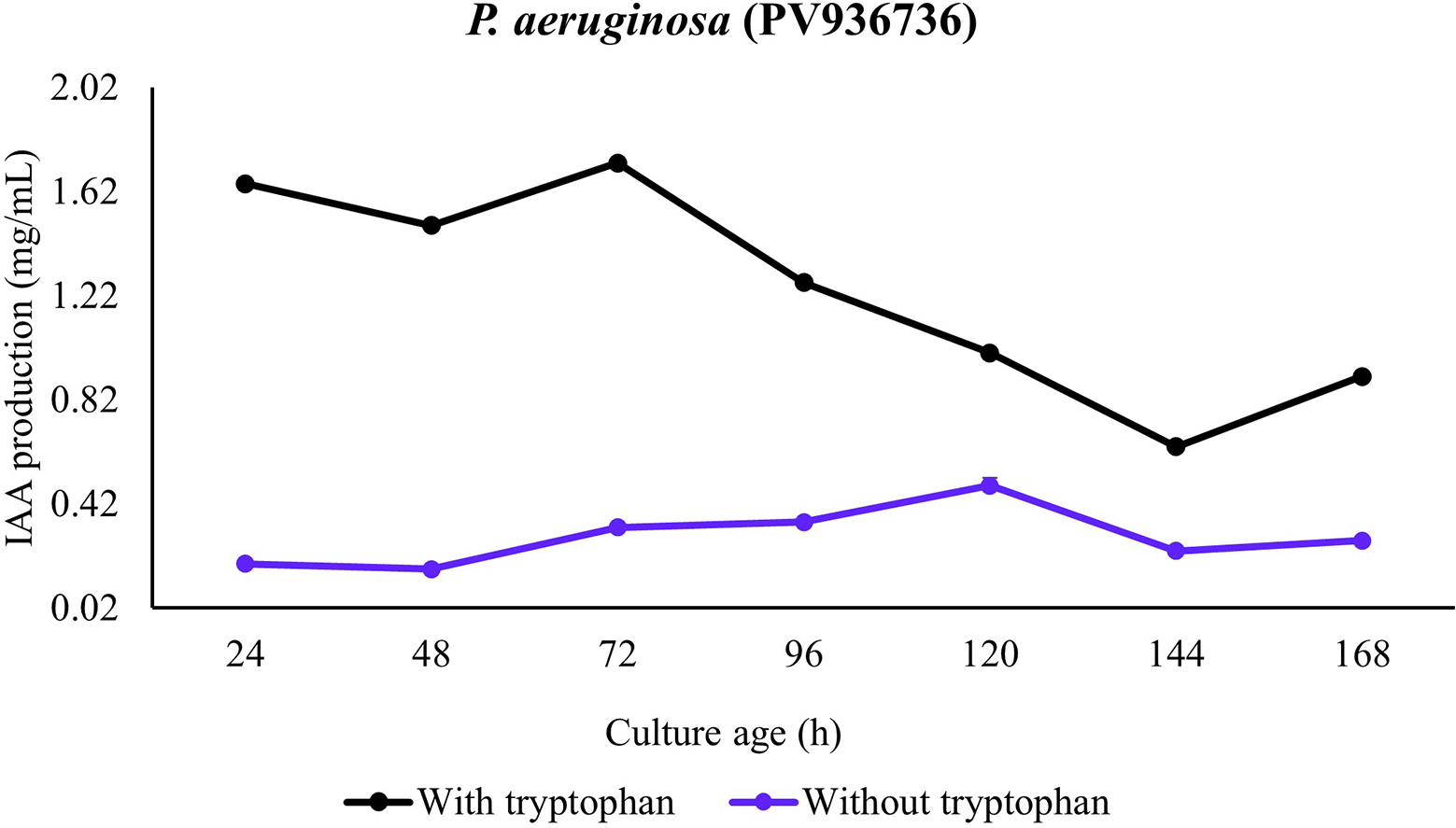
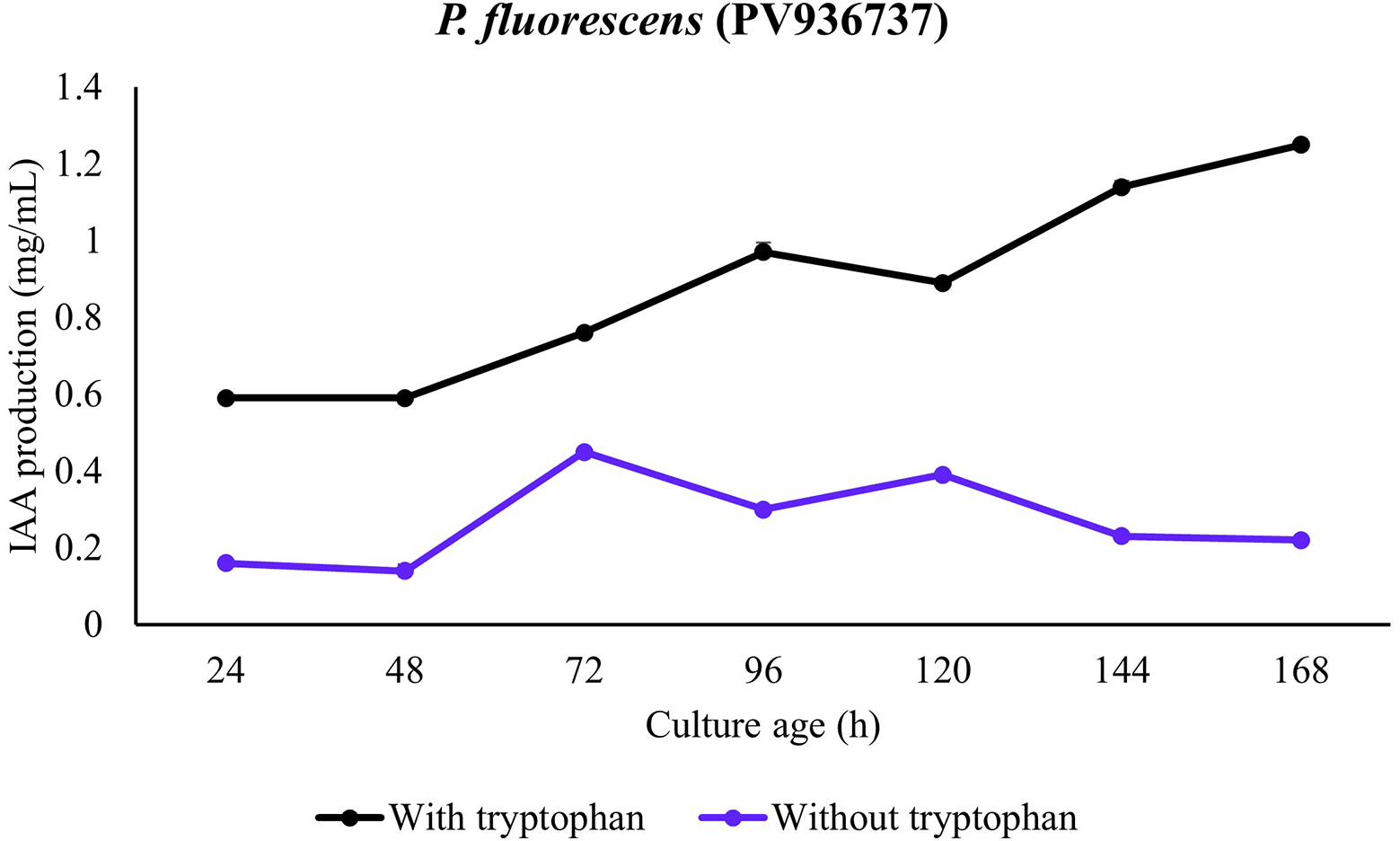
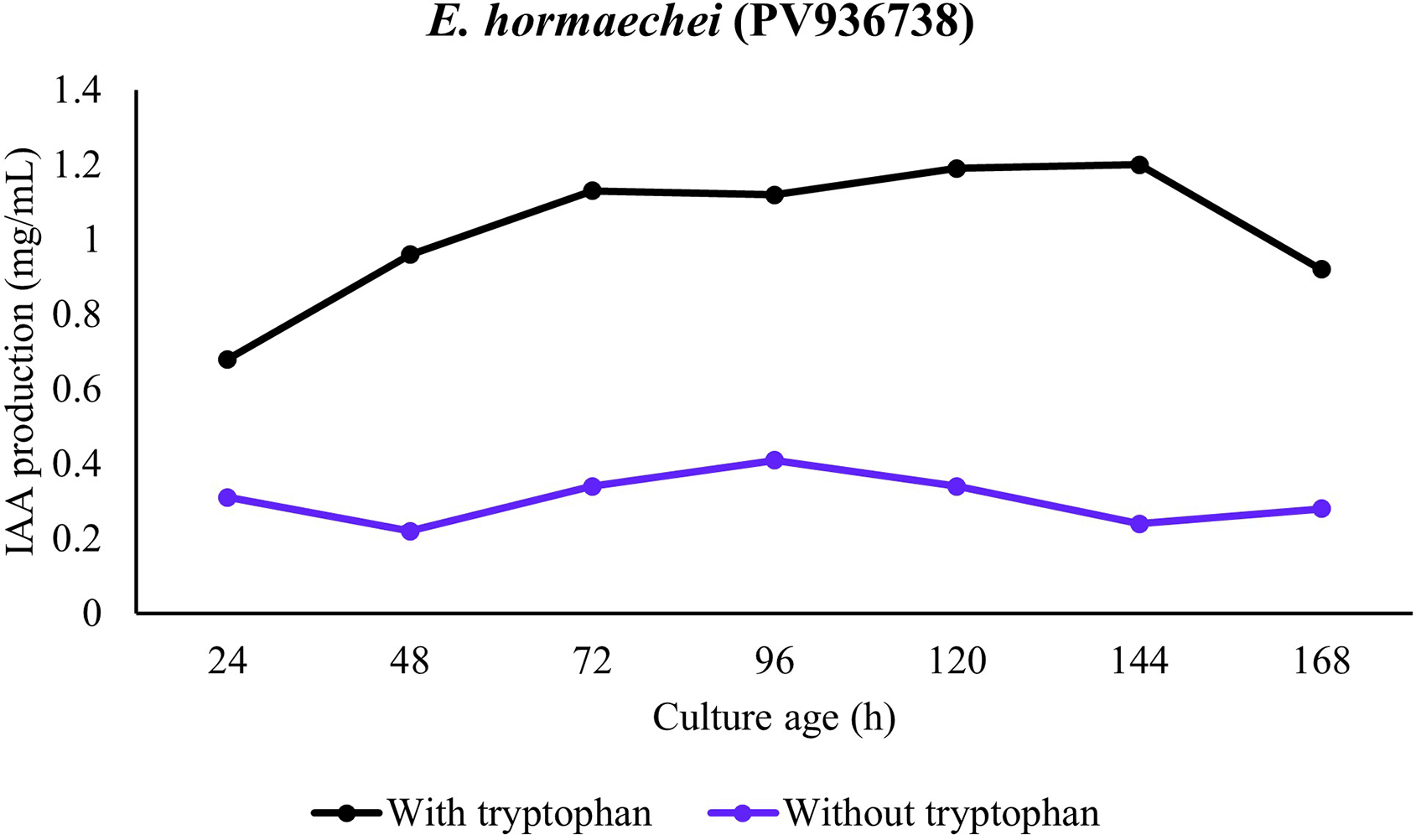
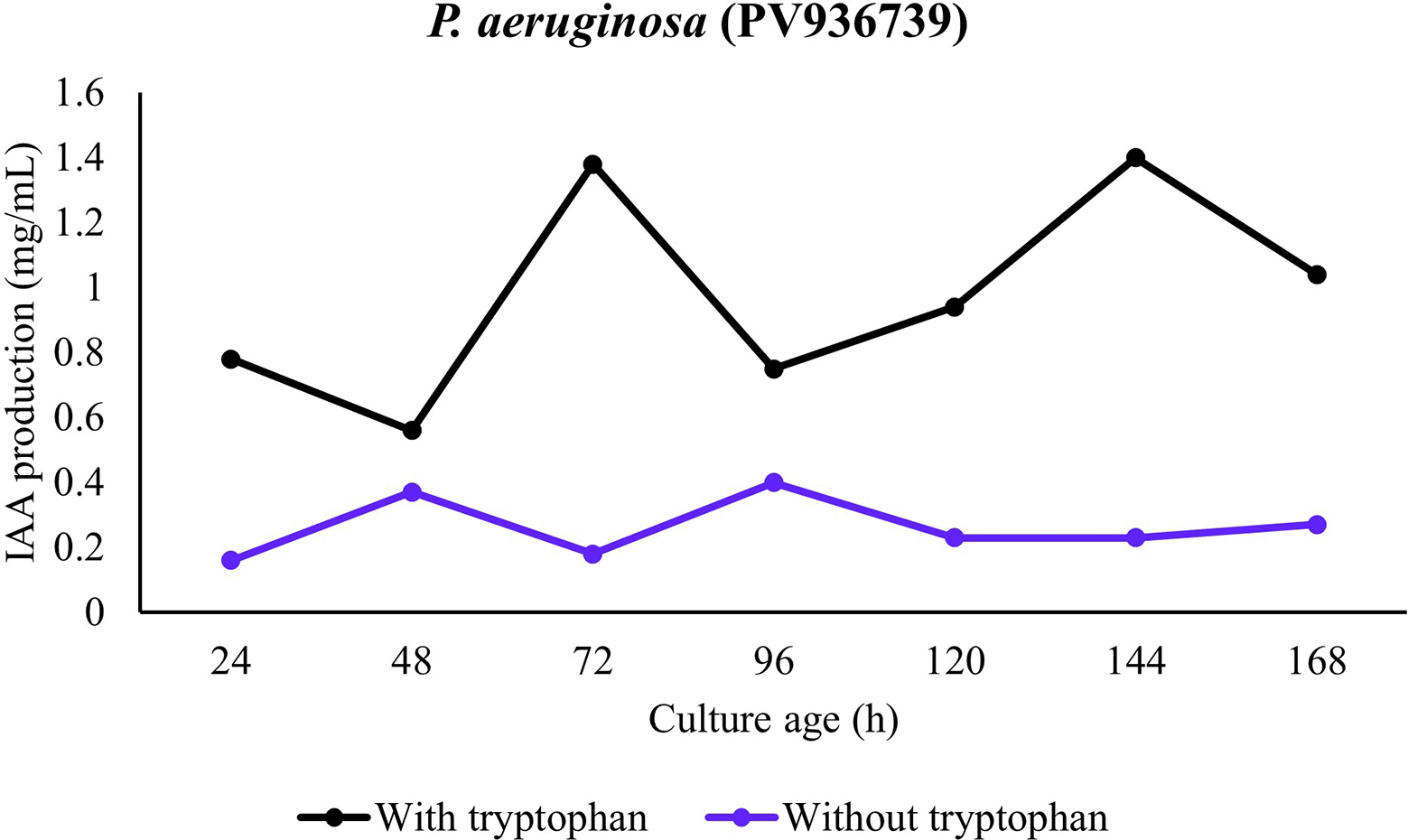
In the presence of all the bacterial strains, significantly higher IAA production was observed in the presence of tryptophan. In the absence of tryptophan, only minute production of IAA was observed in presence of the strains. This observation was consistent for all the strains and incubation period. In addition, the temporal pattern revealed IAA accumulation during the lag period with consistent increase in mid-log and maximum production in late-log to stationary phase of growth. A comparison among the strains revealed production in presence of tryptophan to be P. aeruginosa (PV936735) > P. aeruginosa (PV936736) > P. aeruginosa (PV936739) > P. fluorescens (PV936737) > Enterobacter hormaechei (PV936738) (Figures 2–6).
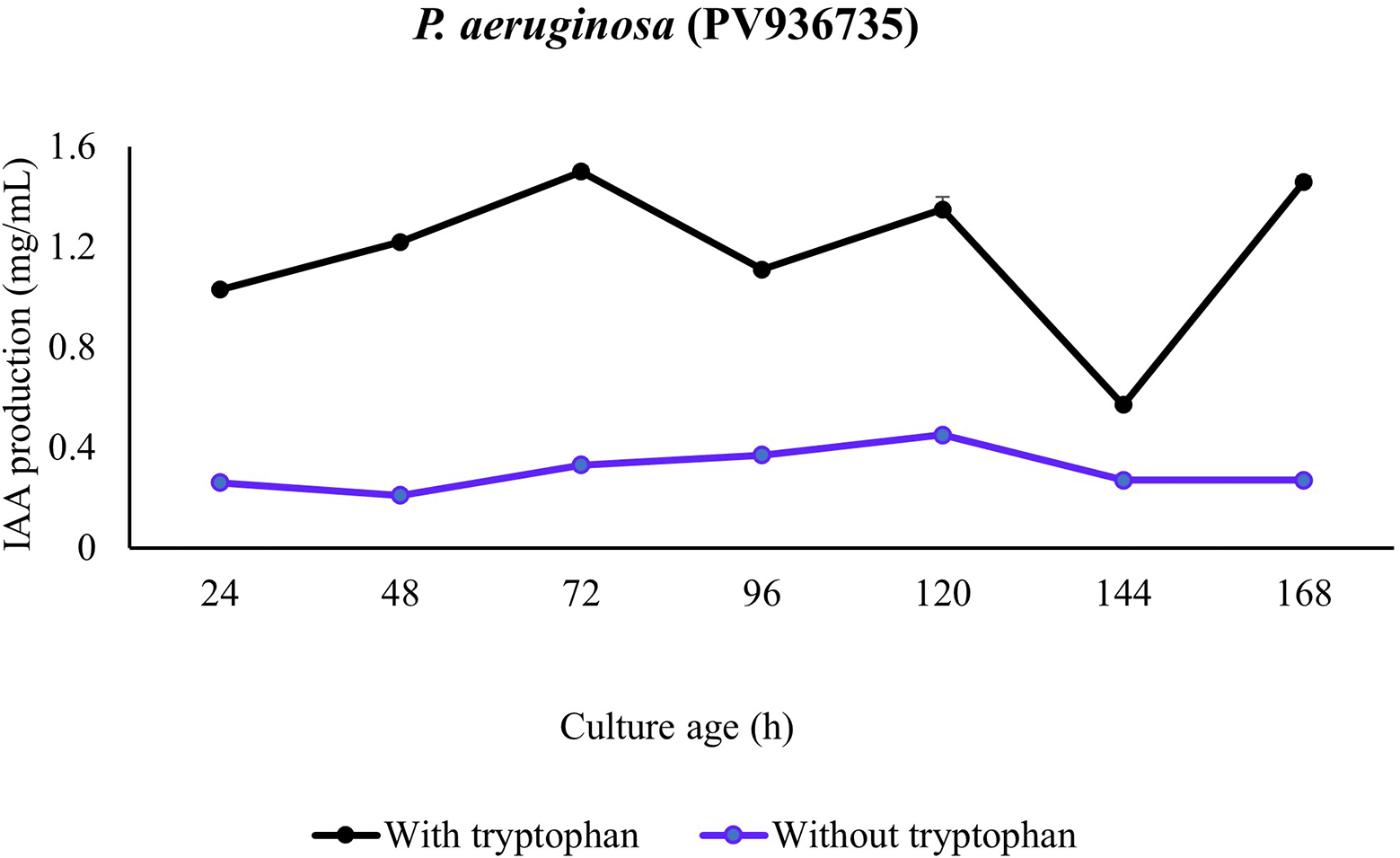
For P. aeruginosa (PV936735), IAA production in the presence of tryptophan showed consistent increase from low level during initial growth to peak level at late log/early stationary phase. Indole acetic acid concentration during initial growth phase. A similar pattern was followed in the absence of tryptophan, although values were significantly lower than for tryptophan-supplemented culture (Figure 2).
In the case of P. aeruginosa (PV936736), a similar pattern as observed for P. aeruginosa (PV936735) was recorded rising from low (lag phase) to rapid rise (mid log phase) to peak level (stationary phase). However, in culture without supplemented tryptophan, IAA production was only at baseline level with no remarkable rise with time of incubation (Figure 3).
In medium supplemented with tryptophan, IAA production by P. fluorescens (PV936737) increased from mid-log and to highest levels in early to mid-stationary phase. The increase in IAA concentration was however lower observed to be relatively moderate, when compared with P. aeruginosa. When tryptophan was absent, only minimal IAA was produced showing small increase in stationary phase only (Figure 4).
The observed trend in IAA production in the presence of E. hormaechei (PV936738) revealed remarkable increase from late-log and to highest concentration in stationary phase. When tryptophan was absent in culture, only baseline IAA was produced. However, a modest late rise in stationary phase was observed, which was evidently higher than production in presence of the other strains (Figure 5).
Also, in presence of P. aeruginosa (PV936739), although a start to IAA production was observed in stationary phase in tryptophan-supplemented culture, a sharp increase at late-log/early-stationary was recorded. When tryptophan was absent, IAA production was however observed to be minute throughout the period of incubation (Figure 6).
| # | Наименование новости | Тональность | Информативность | Дата публикации |
|---|---|---|---|---|
| 1 | На Невском проспекте могут ограничить скоростной режим | 0 | 0 | 05-02-2020 |
| 2 | Иритен нужен | 0 | 0 | 08-05-2017 |
| 3 | По Волге ловятся угольно-черные рыбы | 0 | 0 | 10-07-2019 |
| 4 | Hattrick av Quaison i Bundesliga | 0 | 0 | 08-02-2020 |
| 5 | Судебные приставы запретили Домодедово платить купоны и погашать облигации | 0 | 0 | 21-02-2025 |
| 6 | В Самаре конфисковали 2500 незаконных сим-карт | 0 | 0 | 18-01-2020 |
| 7 | My Workers Always Give me 1101 ERROR Code | 0 | 0 | 18-01-2020 |
| 8 | Бирюч: Утро 20 дек, Чт | 0 | 0 | 19-12-2018 |
| 9 | Diez películas para combatir las supercherías mediante el conocimiento | 0 | 0 | 11-01-2023 |
| 10 | MISTRZEJOWICE HOME #krakow... | 0 | 0 | 10-11-2021 |