Просмотр новости
Найдите то, что Вас интересует
 Спутники
 РН
РН SpaceX
 Роскосмос
 NASA
NASA
СпутникиРНSpaceXРоскосмосNASABackground Intrathecal morphine (ITMO) is one of the most effective analgesic techniques in various types of surgery. Spinal anesthesia (SB) is commonly used in lower extremity surgery, thus adding 0.1 mg of morphine is easy. Ultrasound-guided peripheral nerve block requires skill and equipment, and the rebound pain is also our concern. This study aims to compare the efficacy of 0.1 mg ITMO and peripheral nerve blocks in postoperative pain control by using propensity score analysis to look back in real practice decision. Method We include patients who received SB and peripheral nerve blockade (SBPNB) and patients who received SB with 0.1 mg of ITMO (SBMO). Primary endpoint was the proportion of patients who required rescue analgesics during the first 24 hours. Secondary outcomes were mean pain scores at the 6th, 12th, and 24th hours after surgery, side effects from ITMO and peripheral nerve blocks. Propensity score matching was performed and standardized mean difference (SMD) was used to measure the magnitude of differences in clinical characteristics, prognostic factors, and potential confounders. Cox’s proportional hazard regression was used to compare the proportion of patients who required rescue analgesic medication. Mean difference regression was used to compare pain scores at 6th,12th, and 24th hours. Results After propensity score matching, 52 patients from each group are included. The number of patients required at least one rescue analgesic in SBPNB and SBMO groups were 17/52 (32%) and 5/52 (9.6%), respectively. More patients in SBMO group experienced nausea vomiting compared to SBPNB group but rates of urinary retention were similar. Conclusion From this study, 0.1 mg of ITMO provides effective pain control after FAAS compared to peripheral nerve blocks and reduces postoperative opioid requirements. Adding ITMO to spinal anesthesia is easy especially when spinal anesthesia is planned. Level of Evidence Level III Retrospective comparative study with dramatic effect.

Arunakul P, Kulalert P and Arunakul M. Efficacy and safety of intrathecal morphine compared to peripheral nerve blocks in patients underwent foot and ankle surgery:
A propensity score analysis [version 1; peer review: awaiting peer review]. F1000Research 2026, 15:1178 (https://doi.org/10.12688/f1000research.182584.1)
Research Article
[version 1; peer review: awaiting peer review]
Preeyaphan Arunakul1, Prapasri Kulalert2, Marut Arunakul3
Preeyaphan Arunakul1, Prapasri Kulalert2, Marut Arunakul3
1 Department of Anesthesiology, Thammasat University Faculty of Medicine, Khlong Nueng, Pathum Thani, Thailand
2 Department of Epidemiology, Thammasat University Faculty of Medicine, Khlong Nueng, Pathum Thani, Thailand
3 Department of Orthopedics, Thammasat University Faculty of Medicine, Khlong Nueng, Pathum Thani, Thailand
Preeyaphan Arunakul
Roles: Conceptualization, Data Curation, Investigation, Methodology, Project Administration, Resources, Validation, Visualization, Writing – Original Draft Preparation, Writing – Review & Editing
Prapasri Kulalert
Roles: Conceptualization, Formal Analysis, Methodology, Software, Validation, Writing – Review & Editing
Marut Arunakul
Roles: Data Curation, Methodology, Validation, Visualization, Writing – Review & Editing
OPEN PEER REVIEW
REVIEWER STATUS AWAITING PEER REVIEW
Intrathecal morphine (ITMO) is one of the most effective analgesic techniques in various types of surgery. Spinal anesthesia (SB) is commonly used in lower extremity surgery, thus adding 0.1 mg of morphine is easy. Ultrasound-guided peripheral nerve block requires skill and equipment, and the rebound pain is also our concern. This study aims to compare the efficacy of 0.1 mg ITMO and peripheral nerve blocks in postoperative pain control by using propensity score analysis to look back in real practice decision.
MethodWe include patients who received SB and peripheral nerve blockade (SBPNB) and patients who received SB with 0.1 mg of ITMO (SBMO). Primary endpoint was the proportion of patients who required rescue analgesics during the first 24 hours. Secondary outcomes were mean pain scores at the 6th, 12th, and 24th hours after surgery, side effects from ITMO and peripheral nerve blocks. Propensity score matching was performed and standardized mean difference (SMD) was used to measure the magnitude of differences in clinical characteristics, prognostic factors, and potential confounders. Cox’s proportional hazard regression was used to compare the proportion of patients who required rescue analgesic medication. Mean difference regression was used to compare pain scores at 6th,12th, and 24th hours.
ResultsAfter propensity score matching, 52 patients from each group are included. The number of patients required at least one rescue analgesic in SBPNB and SBMO groups were 17/52 (32%) and 5/52 (9.6%), respectively. More patients in SBMO group experienced nausea vomiting compared to SBPNB group but rates of urinary retention were similar.
ConclusionFrom this study, 0.1 mg of ITMO provides effective pain control after FAAS compared to peripheral nerve blocks and reduces postoperative opioid requirements. Adding ITMO to spinal anesthesia is easy especially when spinal anesthesia is planned.
Level of EvidenceLevel III Retrospective comparative study with dramatic effect.
Foot ankle surgery; Spinal anesthesia; Intrathecal morphine; Peripheral nerve blocks
Corresponding author: Marut Arunakul Competing interests: No competing interests were disclosed.
Grant information: The author(s) declared that no grants were involved in supporting this work.
Copyright: © 2026 Arunakul P et al. This is an open access article distributed under the terms of the Creative Commons Attribution License, which permits unrestricted use, distribution, and reproduction in any medium, provided the original work is properly cited. How to cite: Arunakul P, Kulalert P and Arunakul M. Efficacy and safety of intrathecal morphine compared to peripheral nerve blocks in patients underwent foot and ankle surgery:
A propensity score analysis [version 1; peer review: awaiting peer review]. F1000Research 2026, 15:1178 (https://doi.org/10.12688/f1000research.182584.1) First published: 16 Jul 2026, 15:1178 (https://doi.org/10.12688/f1000research.182584.1) Latest published: 16 Jul 2026, 15:1178 (https://doi.org/10.12688/f1000research.182584.1)
Intrathecal morphine (ITMO) is one of the most effective analgesic techniques in both animal models1 and various types of surgery. Low dose, 0.1 mg, ITMO provides adequate analgesia after hip2,3 and knee arthroplasty,4,5 lower joint surgery,6 caesarean section,7 inguinal hernia repair,8 and various types of foot and ankle surgery (FAAS). ITMO alone can provide adequate postoperative analgesia for up to 24 hours.9
Foot and ankle procedures are common in orthopedic practice and result in various degrees of postoperative pain depending on the type and extent of the surgery. Peripheral nerve blocks, sciatic nerve blocks with or without saphenous nerve block under ultrasound (US) guidance have been widely used for postoperative pain control for FAAS10–15 but rebound pain and persistent abnormal sensation in the extremities was still a concern. Thus, systemic analgesia, including paracetamol and non-steroidal anti-inflammatory drugs (NSAIDs) preoperatively or intraoperatively and continued postoperatively16,17 are recommended as adjuncts for every patient to reduce the severity of rebound pain.
In our setting in Thailand, spinal anesthesia has been used in almost all FAAS and adding 0.1 mg of morphine is extremely simple for all anesthesiologists. However, data on its effectiveness in postoperative pain control for foot ankle procedures is still limited and all US-guided peripheral nerve blocks are time consuming and require more skill. Furthermore, ultrasound machines may not always be available in all settings.
This study aims to compare the efficacy of 0.1 mg ITMO in controlling postoperative pain after foot and ankle surgery to peripheral nerve blocks by using propensity score analysis to look back in real practice decisions.
After approval by Human Research Ethics Committee of Thammasat University no.1 (MTU-EC-AN-6-152/63), medical records of patients who underwent FAAS between 2013–2020 at Thammasat University Hospital, Pathum Thani, Thailand were reviewed retrospectively. Informed consent was waived as the data were retrospectively collected and were anonymous. We included only patients who received spinal anesthesia and peripheral nerve blockade for postoperative analgesia and patients who received spinal anesthesia and 0.1 mg of ITMO.
Patients underwent FAAS under spinal anesthesia with either ITMO or peripheral nerve blocks. 0.1 mg of ITMO was given along with 0.5% heavy or isobaric bupivacaine. All the peripheral nerve blocks were done before spinal anesthesia by experienced anesthesiologists under US guidance.
The primary endpoint was the proportion of patients who required rescue analgesic medication during the first postoperative 24 hours. Patients with a pain score of ≥4 were defined as having failed postoperative pain control and required rescue analgesic medication either tramadol, meperidine, or morphine, as determined by the physician.
Secondary outcomes were mean pain scores in patients at the 6th, 12th, and 24th hours after surgery, side effects from peripheral nerve blocks such as ecchymosis, persistent numbness, and neuropathic pain related to nerve injury from peripheral nerve block, and side effects of ITMO including respiratory depression, nausea vomiting, pruritus, and urinary retention required catheterization.
Confounding by indication
The characteristics that may affect physicians’ treatment selection were age, complex foot and ankle surgery (defined as surgery on more than 1 zone of the foot), patients who were diagnosed with insertional Achilles tendinopathy (IAT), body mass index (BMI) ≥30 and expected operation time of ≥2 hours. Therefore, they were defined as confounding by indication, and we used them to derive the propensity scores.
Intraoperative and postoperative confounders
The medications used during the intra- and postoperative periods may affect clinical outcomes. In this study, all patients received NSAIDs, dexamethasone, and chlorpheniramine during surgery. NSAIDs and acetaminophen were continued postoperatively as part of a multimodal analgesia regimen. Tramadol and a combination of tramadol and acetaminophen were used as rescue analgesics. Therefore, in this study, NSAIDs, and dexamethasone were defined as confounders by co-medications, which were already considered during statistical analysis.
Patient characteristics, including age, gender, and BMI were collected onto standardized case report forms. Details of the types of surgery, operation time, blood loss, and intraoperative fluid volume were also collected. We recorded pain scores, incidence of urinary retention, nausea vomiting, and pruritus at the 6th, 12th and 24th hours after spinal anesthesia. Details of all medications used during the first 24 hours after spinal anesthesia were also noted.
Data was analyzed using Stata version 17 (Stata Corp, Lakeway, Texas, USA). For all statistical analyses, a two-sided p-value <0.05 was considered as statistically significant. Descriptive statistics were calculated for all clinical characteristics and relevant variables; frequencies were calculated for categorical variables and presented as percentages. Mean and standard deviation or median and interquartile range were calculated for continuous variables, as appropriate. Categorical data were analyzed by chi-squared or Fisher’s exact test, as appropriate. An independent t-test was used for continuous data with a normal distribution, and the Wilcoxon rank sum test was used for skewed data.
As selection bias and imbalance of prognostic determinants are likely to occur in this observational, non-randomized therapeutic research, we performed a propensity score matching between the 2 groups before the estimation of the treatment effects.18 This is an acceptable strategy for observational (non-randomized) studies. We calculated the propensity score to estimate the probability of each patient receiving intrathecal morphine by logistic regression. Our propensity score model included age, complex FAAS, IAT, BMI ≥30, and expected surgical time ≥ 2 hours.
We matched the patient who received intrathecal morphine to the patients who received peripheral nerve blocks with a one-to-one ratio. We then assessed the balance of baseline characteristics, prognostic factors, and potential confounders between the 2 groups after matching. We used standardized mean difference (SMD) to measure the magnitude of differences in clinical characteristics, prognostic factors, and potential confounders between treatment groups, where an absolute SMD of less than 0.1 was considered as no significant difference between groups. The absolute SMD value of more than 0.1 was considered a significant difference between groups. Therefore, those variables in the matched cohort with SMD value more than 0.1 were included in the final multivariable regression model to eliminate the residual confounders.
Then, we used Cox’s proportional hazard regression to compare the proportion of patients who required rescue analgesic medication between the treatment groups. The mean difference regression was applied to compare pain scores at the 6th,12th, and 24th hours postoperatively between groups.
A total of 1093 anesthetic records of patients who underwent foot and ankle surgery between January 2013 and December 2020 were screened and thoroughly reviewed. Foot and ankle operations included in this study are listed in Table 1. A total of 328 patients received either spinal anesthesia with 0.1 mg of ITMO (SBMO) or spinal anesthesia with peripheral nerve blocks (SBPNB): 273 and 55, respectively (Fig.1).
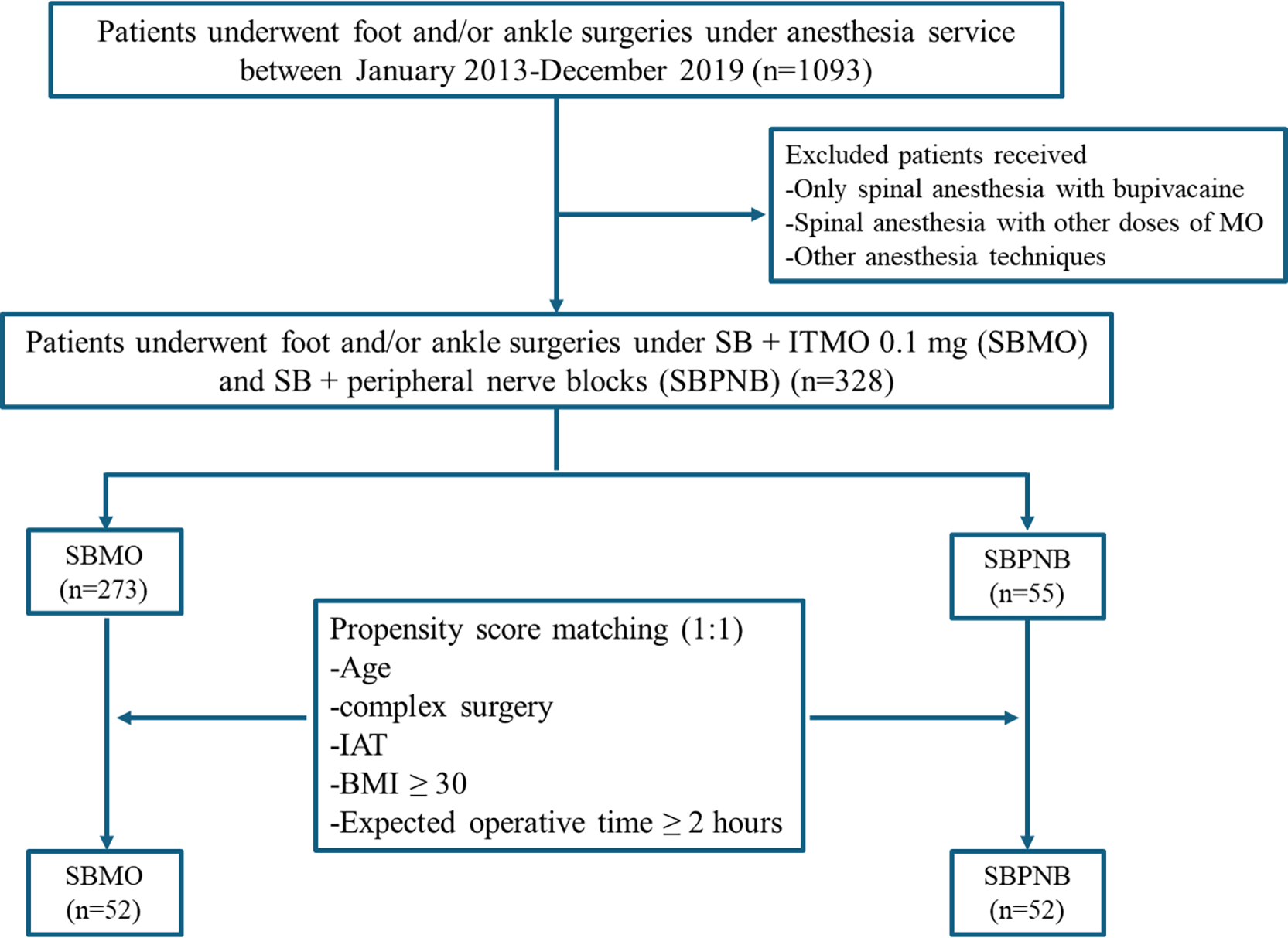
Clinical characteristics and potential confounders, such as intraoperative data and postoperative medications, are shown in Table 2. Before propensity score matching, we found that age, complex surgery, insertional Achilles tendinopathy, BMI ≥30, and expected operative time ≥ 2 hours were significantly different between the two groups, with a SMD of >0.1 for all variables. After one-to-one propensity score matching, we had 104 patients, equally divided between SBMO and SBPNB (52:52). After matching, all clinical and prognostic characteristics were balanced between the two treatment groups: age, gender, BMI ≥30, the number of patients who underwent complex FAAS, number of patients who underwent Achilles debridement and reattachment for insertional Achilles tendinopathy (IAT), and operations expected to take longer than 2 hours; all parameters were similar, with a SMD of less than 0.1. However, intraoperative data and postoperative medications still differ between the groups.
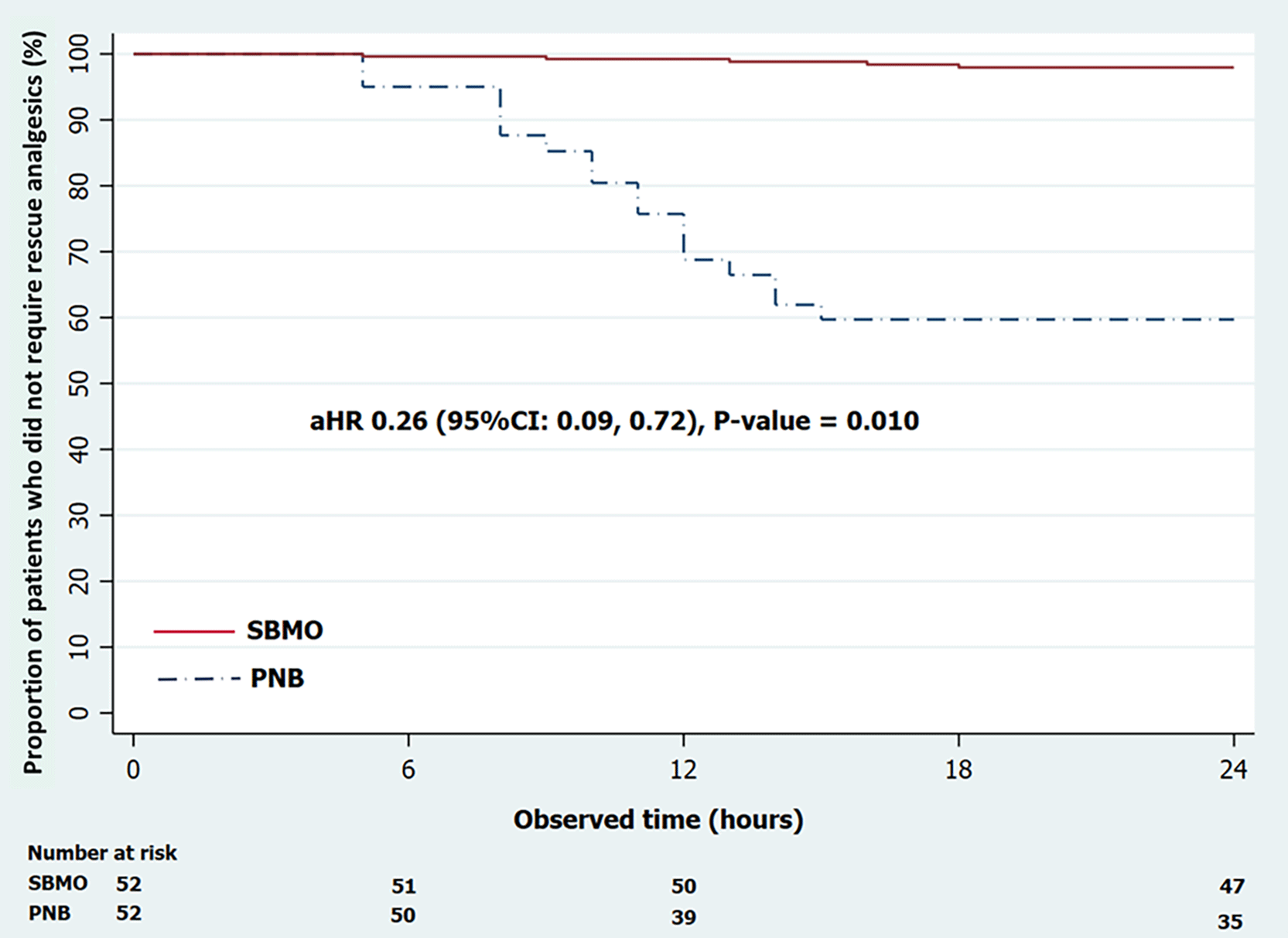
After controlling potential confounders (adjusted by true operation time, estimated blood loss and postoperative NSAIDs), only 1.9% (1/52) of patients in SBMO group needed rescue analgesic compared to 3.9% (2/52) of patients in SBPNB group in the first 6 hours. After 12 hours, 25% of patients (13/52) in SBPNB group required rescue analgesic compared to only 3.8% of patients (2/52) in SBMO group. At 24 hours, the number of patients required at least one rescue analgesic in SBPNB and SBMO groups were 17/52 (32%) and 5/52 (9.6%), respectively. The proportion of patients who required rescue analgesic medication in the SBMO group was significantly lower, aHR 0.26 (95% CI: 0.09,0.72), p = 0.010) (Fig.2).
SBMO patients had lower mean pain scores at all time points, but this was only significant at the 24th hour (mean difference − 0.74, 95%CI: −1.28 to −0.20, p = 0.008) ( Table 3). No patients developed respiratory depression in either group. In terms of adverse events: (i) 7/52 (13.5%) SBMO patients experienced nausea and vomiting vs. 1/52 (1.9%) in SBPNB group (p = 0.006), (ii) rates of urinary retention were similar with 11.5% (3/26) vs. 9.1% (4/44) of SBMO vs. SBPNB, respectively (p = 0.48), (iii) nearly 10% (5/52) of patients in the SBMO group experienced pruritus compared to none in SBPNB group (p = 0.057). One patient in the SBPNB group had ecchymosis in the thigh, where the peripheral nerve block was performed. None of the patients experienced neuropathic symptoms related to the peripheral nerve blocks.
In this study, we found that 0.1 mg of ITMO was effective in controlling postoperative pain in FAAS compared to peripheral nerve blocks. While peripheral nerve blocks using long-acting local anesthetics usually last for 18–20 hours for a single injection and followed by a sharp rebound pain, but ITMO provides up to 24 hours of pain relief and does not produce a sharp rebound pain after ITMO wears off.
PROSPECT guideline supports the use of ankle block and local wound infiltration for Akin and McBride procedures in hallux valgus surgery but did not support the use of ITMO. However, procedures mentioned in the guideline included only procedures performed to correct mild to moderate severity of hallux valgus and excluded major operative procedures like Lapidus fusion which is normally required for correction of moderate to severe hallux valgus. In general, the more invasive procedures result in greater postoperative pain and ankle block itself provides inadequate analgesia for thigh tourniquet and explains why the primary choice for FAAS is still spinal anesthesia if there is no contraindication. We included a range of FAAS and mean pain score in the SBMO group was lower at all time points but only reached significance at 24 hours compared to the SBPNB group. Despite receiving multimodal analgesia (NSAIDs and paracetamol), patients in SBPNB group still required more rescue analgesic than patients in SBMO group. Clinically, mean pain scores at 6th, 12th, and 24th hour were not different but patients in SBPNB group required more supplemental analgesic to reach the point where the pain was adequately controlled. From this study, we can infer that 0.1 mg of ITMO provides adequate analgesia with lower rescue analgesic requirement for most FAAS, but we did not examine soft tissue-only procedures. The soft tissue procedures might require a lower ITMO dose, and this needs further study.
Safety of ITMO has been demonstrated by many studies.4–7 There was no respiratory depression in patients who received 0.1 mg of ITMO in this study and in previous study,9 consistent with another study in Thai population who received ITMO <0.3 mg.19 Another study in primary total joint arthroplasty provided similar results in all ITMO recipients, from 0.1 mg up to 0.3 mg of ITMO, and was associated with improved postoperative day (POD) 0 pain scores and improved mobilization.20 A meta-analysis in 2009 reported the incidence of low respiratory frequency in patients who received ITMO <0.3 mg was 1% whereas in those with ITMO ≥0.3 mg was 9%.16
In our study, 13.5% of patients who received 0.1 mg ITMO had PONV while receiving 4 mg of IV dexamethasone and 4 mg of IV ondansetron were similar to previous studies in Thai population.19,22,23 Another study reported that 0.1 mg of ITMO was associated with PONV in 24% of patients.24 A meta-analysis showed that ITMO increases nausea, but did not find a dose-response relationship, but report a dose-dependent effect on vomiting (RR < 0.3 mg ITMO = 3.1, 95% CI 1.5–6.4 vs RR ≥0.3 mg ITMO = 1.3, 95% CI 0.9–1.9).17 In the SBPNB group, about 2% of patients experienced vomiting in the absence of ITMO. A study in primary total joint arthroplasty reported that patients who received ITMO required less oral or IV opioid consumption and had lower rates of PONV during early postoperative period.20
The incidence was also similar to previous study in patients who received 0.2 mg of ITMO for cesarean delivery.25 About 10% of our SBMO patients had pruritus required treatment compared to 7% in previous report.9 Previous study in Thai patients underwent caesarean delivery showed that 31/60 (51%) of patients had moderate pruritus despite receiving IV ondansetron 8 mg after baby delivery.22 Another study of 75 patients postcaesarean section, 16/25 (64%) experienced pruritus after 0.1 mg of ITMO but only 20% required treatment.26 Pruritus is dose-dependent side effect of ITMO: 0.05 and 0.1 mg of ITMO was associated with 40% and 64%, respectively.26 Thus, using the minimal effective dose of ITMO for each procedure could reduce the incidence of opioid-related pruritus.
In this study, we found that the incidence of POUR was not statistically different between SBMO and SBPNB groups (11.5% vs 9.5%, respectively). Previous study showed that 18% of patients who received 0.1 mg ITMO had urinary retention required catheterization,9 similar to previous study in patients who received ITMO ≤0.3 mg.16 Surprisingly, a study published in 1988 showing that 55% of patients who received only 2.5 ml of IT sterile water had urinary retention requiring catheterization.21 Incidence of POUR was 9.3% in patients who received opioid-free neuraxial anesthesia for total joint arthroplasty,27 similar to incidence of our SBPNB group (9.5%). Risk factors associated with POUR were spinal anesthesia, renal disease, age > 67 years, and history of benign prostatic hypertrophy,27,28 advanced age, diabetes, hypertension, and joint replacement surgery,29 preoperative cystocele ≥ stage 2.30 Unmodifiable risk factors were maximum bladder capacity <500 ml (RR 6.7), age ≥ 60 years (RR 2.0), duration of surgery ≥60 minutes (RR 5.5), first scan bladder volume at PACU ≥250 ml (RR 2.1).31 Also, time to spontaneous micturition for 3 ml of 0.5% heavy bupivacaine was shown to be 405 minutes in day-case lower limb surgery.32
In this study, we did not find any abnormal neuropathic symptoms or persistent numbness related to peripheral nerve blocks. This is consistent with one study of 467 patients10 but contrasts with a retrospective study of US-guided popliteal sciatic nerve block that reported 13% (135/1014) of patients developed neuropathic symptoms of burning, pain, numbness, or tingling in the operative limb which persisted for at least 7 days following a single injection or continuous infusions and 10% reporting unresolved symptoms at 12 months.33
Peripheral nerve blocks are now usually done under US guidance with specially developed needles for US imaging, which provides more promising results and helps reduce the incidence of nerve injury. The volume and concentration of LAs directly affect the duration and intensity of motor block, as well as additives, like dexamethasone, which can provide a longer duration of peripheral nerve blockade, especially motor block. A single injection of LA may result in motor weakness as well as numbness for up to 24 hours, resulting in reduced ability to walk and increase anxiety about returning home and an impediment to the current trend of early ambulation, even on the same day of surgery.34 Another consideration is LA central nervous system and cardiovascular toxicity. The highest incidence of LA toxicity found in literature was 0.98 in 1000 patients,35 but we did not see any LA toxicity occurring in our study.
Multimodal analgesia is used in the management of acute pain, consisting of LAs, NSAIDs, dexamethasone, and paracetamol that are all given intraoperatively and continued in the postoperative period.36 The use of LA is one of the most important modalities in multimodal analgesia. In this study, both groups of patients received IV NSAIDs and paracetamol and either 0.1 mg of ITMO or peripheral nerve blockade, resulting in good pain control in both groups. Despite the small difference in pain scores, the amount of opioid used as rescue analgesia in the SBMO group is significantly lower than SBPNB group. Anecdotally, if we add 0.1 mg of ITMO to FAAS patients, most did not require much opioid rescue during the first 24 hours, which is similar to this study, and this may lead to better recovery and lower possibility of developing chronic pain. Poor pain control in the early postoperative period leads to increased neuronal signal activities due to C-fiber-induced excitability,37 thus further increases tendency to develop chronic pain.
This study was done retrospectively, which has selection bias and confounders. Efficacy of 0.1 mg of ITMO and US-guided peripheral nerve blocks in postoperative pain control have never been compared, and since the peripheral nerve blocks are now widely used but not 0.1 mg of ITMO, randomized study is not feasible. Propensity score analysis is used in this study to reduce selection bias and confounding factors for this retrospective data. The sample size is a bit small but still showing significant different outcomes.
Our study demonstrates that 0.1 mg of ITMO is very effective in controlling postoperative pain compared to peripheral nerve blockade in most FAAS. The use of ITMO significantly decreased IV and oral opioid requirements during the first 24 hours. ITMO also provides smooth pain control when spinal anesthesia wears off in early postoperative period. Moreover, adding morphine to spinal anesthesia is simple, and does not require extra skill, US guidance, and special needle. If ITMO is used, patients who may be difficult to ambulate or patients who are at risk of urinary retention may require 24-hour urinary catheterization after surgery.
The author(s) declared that no grants were involved in supporting this work.
© 2026 Arunakul P et al. This is an open access article distributed under the terms of the Creative Commons Attribution License, which permits unrestricted use, distribution, and reproduction in any medium, provided the original work is properly cited.
Current Reviewer Status:
AWAITING PEER REVIEW
AWAITING PEER REVIEW
?
Key to Reviewer Statuses VIEW HIDE
ApprovedThe paper is scientifically sound in its current form and only minor, if any, improvements are suggested
Approved with reservations A number of small changes, sometimes more significant revisions are required to address specific details and improve the papers academic merit.
Not approvedFundamental flaws in the paper seriously undermine the findings and conclusions
Open Peer Review
AWAITING PEER REVIEW
Sign up for content alerts