Просмотр новости
Найдите то, что Вас интересует
 Спутники
 РН
РН SpaceX
 Роскосмос
 NASA
NASA
СпутникиРНSpaceXРоскосмосNASAMondia whitei (Hook.f.) Skeels is an indigenous African medicinal plant widely utilized in traditional medicine for the management of reproductive disorders, gastrointestinal ailments, inflammation, and general health promotion. Increasing scientific evidence suggests that its therapeutic benefits are closely linked to its antioxidant and cytoprotective properties. This review examines the phytochemical composition, mechanisms of oxidative stress modulation, and organ-protective potential of M. whitei. The plant contains diverse bioactive constituents, including flavonoids, phenolic compounds, alkaloids, saponins, tannins, terpenoids, and essential minerals, which contribute to its strong free-radical scavenging activity. Experimental studies indicate that M. whitei enhances endogenous antioxidant defenses by increasing the activities of superoxide dismutase, catalase, and glutathione peroxidase while reducing lipid peroxidation and reactive oxygen species generation. These mechanisms help preserve cellular integrity and mitigate oxidative damage in various tissues. Evidence from animal and in vitro studies further demonstrates protective effects on reproductive, hepatic, renal, cardiovascular, and neural systems through anti-inflammatory, anti-apoptotic, and membrane-stabilizing actions. The plant’s ability to modulate oxidative stress pathways suggests significant therapeutic potential in the prevention and management of oxidative stress-related disorders. Despite promising preclinical findings, clinical investigations remain limited, necessitating further studies to establish efficacy, safety, dosage standardization, and molecular targets. Overall, Mondia whitei represents a valuable source of natural antioxidants with considerable potential for organ protection and the development of novel phytotherapeutic interventions.
Male infertility is a significant global health challenge, accounting for approximately 40–50% of infertility cases among couples worldwide (Agarwal et al., 2021). The condition arises from a complex interplay of genetic, environmental, lifestyle, endocrine, and pathological factors that adversely affect sperm production, maturation, and function. Among the numerous mechanisms implicated in male reproductive dysfunction, oxidative stress and chronic inflammation have emerged as major contributors to impaired fertility (Ayad et al., 2022; Hussain et al., 2023a). Excessive production of reactive oxygen species (ROS) overwhelms endogenous antioxidant defense systems, leading to lipid peroxidation, DNA fragmentation, mitochondrial dysfunction, and apoptosis within reproductive tissues. These pathological processes ultimately compromise sperm quality, motility, viability, and fertilizing capacity (Dutta et al., 2022). Inflammation further exacerbates oxidative damage through the release of pro-inflammatory cytokines, chemokines, and other mediators that disrupt testicular homeostasis and spermatogenesis. Consequently, there is growing interest in identifying natural therapeutic agents capable of modulating oxidative stress and inflammatory pathways to preserve male reproductive health. Medicinal plants have long served as valuable sources of bioactive compounds with antioxidant and anti-inflammatory properties. Among these, Mondia whitei (Hook.f.) Skeels, a perennial climbing plant indigenous to sub-Saharan Africa, has attracted considerable scientific attention (Tugume et al., 2016). Traditionally used as an aphrodisiac and fertility-enhancing remedy, M. whitei contains a diverse array of phytochemicals, including flavonoids, phenolic compounds, saponins, alkaloids, tannins, and terpenoids, many of which possess potent antioxidant and cytoprotective activities (Hagari & Nguta, 2025). Emerging experimental evidence suggests that M. whitei may protect reproductive and other organ systems by attenuating oxidative stress, suppressing inflammatory responses, enhancing endogenous antioxidant defenses, and preserving cellular integrity(K. Gitau, 2025a; Gitau et al., 2025). However, the molecular mechanisms underlying these effects remain incompletely understood, and the available evidence has not been comprehensively synthesized within the context of male reproductive health. This review critically examines the phytochemistry of Mondia whitei, its mechanisms of oxidative stress and inflammation modulation, and its potential role in fertility preservation and organ protection. Furthermore, current knowledge gaps, translational challenges, and future research directions are discussed to facilitate the development of evidence-based phytotherapeutic interventions for male reproductive disorders.
Oxidative stress is a physiological condition characterized by an imbalance between the generation of reactive oxygen species (ROS) and the capacity of endogenous antioxidant defense systems to neutralize these highly reactive molecules (Chaudhary et al., 2023). Under normal physiological conditions, ROS are continuously produced as natural by-products of aerobic metabolism and serve essential biological functions, including cell signaling, regulation of gene expression, immune defense, and maintenance of cellular homeostasis (Chaudhary et al., 2023; Shadel & Horvath, 2015). However, when ROS production exceeds the antioxidant buffering capacity of cells or when antioxidant defenses become impaired, excessive accumulation of ROS results in oxidative damage to lipids, proteins, carbohydrates, and nucleic acids. This imbalance contributes to cellular dysfunction, tissue injury, accelerated aging, and the pathogenesis of numerous chronic diseases, including cardiovascular diseases, diabetes mellitus, neurodegenerative disorders, cancer, chronic kidney disease, liver diseases, and male infertility (Yang et al., 2024).
Reactive oxygen species comprise both free radical and non-radical oxygen-containing molecules, including superoxide anion (O2•−), hydroxyl radical (•OH), hydrogen peroxide (H2O2), and singlet oxygen (1O2)(Edge & Truscott, 2021). Endogenously, ROS are generated primarily during mitochondrial oxidative phosphorylation as electrons leak from the electron transport chain to molecular oxygen. Additional intracellular sources include nicotinamide adenine dinucleotide phosphate (NADPH) oxidases, xanthine oxidase, cytochrome P450 enzymes, peroxisomes, and activated inflammatory cells such as neutrophils and macrophages. Besides these physiological sources, numerous exogenous factors including cigarette smoke, environmental pollutants, ultraviolet and ionizing radiation, heavy metals, pesticides, drugs, infectious agents, and unhealthy dietary habits can markedly increase ROS production and overwhelm endogenous antioxidant defenses (Dai et al., 2025).
At controlled physiological concentrations, ROS function as indispensable secondary messengers involved in cellular proliferation, differentiation, apoptosis, immune regulation, and adaptation to environmental stress. In the male reproductive system, physiological ROS levels are essential for normal sperm maturation, capacitation, hyperactivation, acrosome reaction, and sperm-oocyte fusion, demonstrating that ROS are not inherently harmful but are necessary for normal cellular function (Dutta et al., 2020). The biological effects of ROS therefore depend largely on their intracellular concentration, duration of exposure, and the efficiency of antioxidant defense mechanisms in maintaining redox homeostasis.
Conversely, persistent or excessive ROS generation shifts the cellular environment toward oxidative stress, triggering lipid peroxidation, protein oxidation, DNA strand breaks, mitochondrial dysfunction, and activation of pro-inflammatory signaling pathways. These molecular events disrupt membrane integrity, alter enzyme activity, impair energy production, and promote apoptosis or necrosis. In reproductive tissues, oxidative stress damages germ cells, impairs spermatogenesis, decreases testosterone biosynthesis, compromises sperm membrane integrity and DNA stability, and ultimately reduces sperm count, motility, viability, and fertilizing capacity (Dutta et al., 2020; Matthew et al., 2025). Similar oxidative mechanisms contribute to structural and functional deterioration in the liver, kidneys, cardiovascular system, nervous system, and other organs.
Given its central role in the initiation and progression of oxidative stress-mediated diseases, maintaining the balance between ROS production and antioxidant defense systems has become a major therapeutic objective (Hussain et al., 2023b). Both endogenous antioxidant enzymes including superoxide dismutase (SOD), catalase (CAT), and glutathione peroxidase (GPx) and exogenous antioxidants obtained from dietary and medicinal plant sources work synergistically to restore redox homeostasis and protect tissues from oxidative injury (Kowalczyk et al., 2021). Consequently, increasing attention has focused on medicinal plants with potent antioxidant properties, such as Mondia whitei, whose rich phytochemical composition and multitarget biological activities offer considerable promise for preventing oxidative damage and mitigating organ dysfunction associated with chronic oxidative stress.
Oxidative stress is recognized as a fundamental mechanism in the development and progression of numerous acute and chronic diseases (Sharifi-Rad et al., 2020a). Excessive production of reactive oxygen species (ROS) disrupts cellular redox homeostasis, resulting in lipid peroxidation, protein oxidation, DNA damage, mitochondrial dysfunction, and activation of pro-inflammatory signaling pathways. These molecular alterations impair normal cellular function, promote apoptosis and tissue injury, and ultimately contribute to organ dysfunction (Y. A. Hajam et al., 2022a). Because oxidative stress affects virtually every organ system, it has become an important therapeutic target in modern medicine, with increasing emphasis on antioxidant-based interventions for disease prevention and treatment.
The kidneys and liver are among the organs most susceptible to oxidative damage because of their high metabolic activity and essential roles in filtration, metabolism, and detoxification (Rad et al., 2024). In the kidneys, excessive ROS generation damages glomerular and tubular cells through oxidative modification of cellular macromolecules, inflammatory activation, and progressive fibrosis, contributing to acute kidney injury, chronic kidney disease, diabetic nephropathy, and hypertensive nephropathy. Similarly, oxidative stress plays a pivotal role in liver diseases by promoting hepatocyte injury, steatosis, inflammation, fibrosis, and cirrhosis (Allameh et al., 2023). It is widely implicated in the pathogenesis of non-alcoholic fatty liver disease, alcoholic liver disease, drug-induced hepatotoxicity, and chronic viral hepatitis.
Oxidative stress is equally important in the pathogenesis of cardiovascular diseases, where excessive ROS production disrupts vascular homeostasis by impairing endothelial function, reducing nitric oxide bioavailability, and promoting chronic vascular inflammation (Dubois-deruy et al., 2020; Shaito et al., 2022). These changes facilitate hypertension, atherosclerosis, myocardial ischemia, heart failure, and other cardiovascular complications. In addition, oxidative modification of low-density lipoproteins (LDL) accelerates atherosclerotic plaque formation and instability, thereby increasing the risk of myocardial infarction, stroke, and other major cardiovascular events (Khatana et al., 2020).
The male reproductive system is particularly vulnerable to oxidative injury because spermatozoa contain high concentrations of polyunsaturated fatty acids and possess relatively limited endogenous antioxidant defenses (Dutta et al., 2021). Although physiological levels of ROS are essential for sperm capacitation, hyperactivation, acrosome reaction, and fertilization, excessive ROS induces lipid peroxidation, DNA fragmentation, mitochondrial dysfunction, and germ cell apoptosis. Consequently, oxidative stress compromises sperm count, motility, morphology, viability, and testosterone production, making it one of the principal mechanisms underlying idiopathic male infertility and impaired reproductive function. Likewise, the brain is highly susceptible to oxidative damage due to its high oxygen consumption, abundant lipid content, and comparatively low antioxidant capacity (Dutta et al., 2021). Persistent oxidative stress promotes neuronal degeneration, mitochondrial dysfunction, synaptic impairment, and neuroinflammation, thereby contributing to the development and progression of neurodegenerative disorders such as Alzheimer’s disease, Parkinson’s disease, Huntington’s disease, and amyotrophic lateral sclerosis (Teleanu et al., 2022).
Collectively, the evidence demonstrates that oxidative stress represents a common pathogenic pathway linking diverse organ-specific disorders through interconnected mechanisms involving oxidative damage, chronic inflammation, and mitochondrial dysfunction. Consequently, therapeutic strategies that enhance endogenous antioxidant defenses, suppress excessive ROS production, and restore redox homeostasis have emerged as promising approaches for preventing and managing oxidative stress-associated diseases. This growing understanding has stimulated considerable interest in natural antioxidants, particularly medicinal plants such as Mondia whitei, whose rich phytochemical composition and multitarget biological activities offer significant potential for protecting tissues against oxidative damage and improving clinical outcome.
Medicinal plants have been utilized for centuries in the prevention and treatment of various diseases, owing to their rich content of bioactive phytochemicals with antioxidant, anti-inflammatory, and cytoprotective properties (Riaz et al., 2023). In recent decades, growing scientific evidence has highlighted the potential of plant-derived compounds in mitigating oxidative stress and its associated pathological consequences. As oxidative stress is implicated in numerous chronic diseases, including cardiovascular disorders, diabetes mellitus, neurodegenerative diseases, liver and kidney dysfunction, and male infertility, medicinal plants have emerged as promising sources of natural antioxidants and therapeutic agents(V. P. Reddy, 2023).
The antioxidant activity of medicinal plants is primarily attributed to the presence of phytochemicals such as flavonoids, phenolic acids, tannins, alkaloids, terpenoids, saponins, lignans, and vitamins (Nwozo et al., 2023). These compounds exert their protective effects through multiple mechanisms, including direct scavenging of reactive oxygen species (ROS), chelation of transition metals, inhibition of free radical-generating enzymes, and enhancement of endogenous antioxidant defense systems. Additionally, many phytochemicals regulate cellular signaling pathways involved in oxidative stress responses, including the nuclear factor erythroid 2-related factor 2 (Nrf2), nuclear factor-kappa B (NF-κB), mitogen-activated protein kinase (MAPK), and phosphatidylinositol 3-kinase/protein kinase B (PI3K/Akt) pathways (Moratilla-Rivera et al., 2023).
Beyond their antioxidant actions, medicinal plants often possess anti-inflammatory, anti-apoptotic, and immunomodulatory activities that contribute to organ protection (Lin et al., 2025). By reducing oxidative damage and suppressing inflammatory mediators, these plants help preserve cellular integrity, improve tissue repair, and prevent the progression of chronic diseases. Numerous experimental and clinical studies have demonstrated the efficacy of plant-derived antioxidants in protecting the liver, kidneys, cardiovascular system, nervous system, and reproductive organs from oxidative injury.
Among the medicinal plants investigated for their antioxidant potential, Mondia whitei (Hook.f.) Skeels has attracted increasing scientific interest. Traditionally used throughout sub-Saharan Africa as an aphrodisiac, fertility enhancer, and general health tonic, M. whitei contains diverse bioactive constituents with potent antioxidant and anti-inflammatory activities (Anadozie et al., 2023; Mabonga, 2021). Emerging evidence suggests that these phytochemicals may modulate oxidative stress pathways, enhance endogenous antioxidant defenses, and protect tissues against oxidative damage. Consequently, M. whitei represents a promising candidate for the development of phytotherapeutic interventions aimed at combating oxidative stress-related disorders and promoting reproductive and systemic health.
Understanding the mechanisms through which medicinal plants, particularly M. whitei, modulate oxidative stress is essential for advancing their therapeutic application and establishing evidence-based strategies for disease prevention and management.
Mondia whitei (Hook.f.) Skeels is a perennial woody climbing plant belonging to the family Apocynaceae (subfamily Periplocoideae), previously classified under the family Asclepiadaceae before taxonomic revision (Hagari & Nguta, 2025; Venter et al., 2009). Commonly known as White’s ginger, African ginger, tonic root, or Mulondo in Uganda, the plant is distinguished by its large cordate (heart-shaped) leaves, fragrant flowers, and aromatic roots with a characteristic vanilla-like aroma (Olimi et al., 2025) as shown in Figure 1. Owing to its remarkable ethnomedicinal value, M. whitei is widely regarded as one of the most important medicinal plants in sub-Saharan Africa and has long been used in traditional healthcare systems for the treatment and prevention of various ailments.
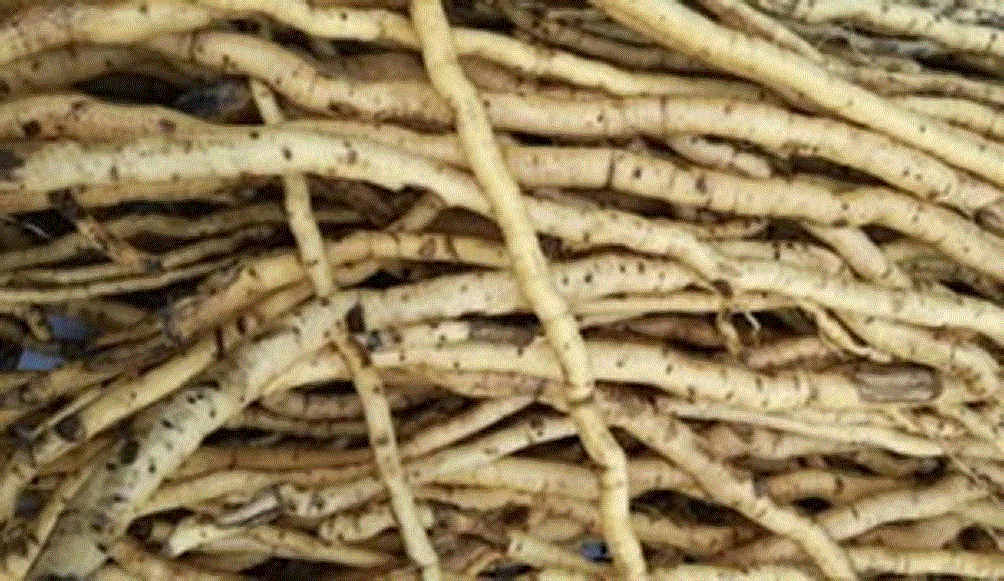
Figure legend: Photograph showing the characteristic morphology of Mondia whitei, a perennial medicinal climber belonging to the family Apocynaceae. The plant is widely distributed in sub-Saharan Africa and is traditionally used for reproductive disorders, gastrointestinal ailments, and general health promotion. The roots are the principal medicinal part and are rich in antioxidant phytochemicals including flavonoids, phenolics, alkaloids, saponins, and terpenoids (source: google).
The species is naturally distributed throughout tropical and subtropical Africa, occurring across East, Central, West, and Southern African countries, including Uganda, Kenya, Tanzania, Rwanda, Burundi, the Democratic Republic of Congo, Cameroon, Nigeria, Zimbabwe, Mozambique, Angola, and South Africa. It commonly inhabits humid tropical forests, riverine vegetation, forest margins, and woodland ecosystems. In Uganda, M. whitei occupies a prominent position in traditional medicine and is both cultivated and harvested from the wild for medicinal and commercial purposes (Namukobe et al., 2025). However, increasing demand coupled with unsustainable harvesting of its roots has resulted in declining natural populations, highlighting the urgent need for conservation strategies and sustainable cultivation practices.
For centuries, M. whitei has been extensively utilized in African traditional medicine, with its roots representing the most commonly used plant part (Hagari & Nguta, 2025). Traditionally prepared as decoctions, infusions, powders, or chewing sticks, the plant is widely recognized for its aphrodisiac and fertility-enhancing properties in both men and women. It has also been used to manage erectile dysfunction, low libido, male infertility, gastrointestinal disorders, abdominal pain, appetite loss, urinary tract infections, stress-related conditions, general body weakness, and fatigue (Edah et al., 2026a; Mabonga, 2021). In many African communities, M. whitei is consumed as a restorative tonic believed to enhance vitality, physical performance, and overall well-being. The breadth of these traditional applications has provided a strong ethnopharmacological basis for scientific investigation into its medicinal properties.
Growing scientific interest in M. whitei has led to extensive phytochemical and pharmacological studies, revealing a rich diversity of bioactive constituents, including flavonoids, phenolic compounds, alkaloids, saponins, tannins, terpenoids, sterols, coumarins, and essential oils (K. K. Gitau, 2025b). Many of these phytochemicals possess potent antioxidant, anti-inflammatory, antimicrobial, and cytoprotective activities that are believed to underlie the plant’s therapeutic effects. Experimental studies have demonstrated that M. whitei exhibits a broad spectrum of biological activities, including antioxidant, aphrodisiac, fertility-enhancing, hepatoprotective, nephroprotective, cardioprotective, antidiabetic, neuroprotective, antimicrobial, and immunomodulatory properties (Edah et al., 2026a). Increasing evidence indicates that these pharmacological effects are mediated through the regulation of oxidative stress, inflammatory responses, apoptosis, mitochondrial function, and multiple intracellular signaling pathways.
Collectively, the substantial ethnomedicinal evidence and growing body of experimental research position Mondia whitei as a promising medicinal plant for the prevention and management of oxidative stress-associated diseases. Its multitarget pharmacological actions and rich phytochemical profile make it an attractive candidate for the development of novel plant-based therapeutics, particularly for disorders affecting the male reproductive system, liver, kidneys, cardiovascular system, and nervous system. Nevertheless, despite encouraging preclinical findings, further studies are required to standardize extract preparation, identify the principal bioactive compounds, elucidate molecular mechanisms of action, establish pharmacokinetic characteristics, and validate its efficacy and safety through well-designed clinical trials before widespread therapeutic application can be recommended.
The growing recognition of oxidative stress and inflammation as major contributors to the pathogenesis of numerous chronic diseases, particularly male reproductive disorders, has intensified interest in identifying effective natural antioxidants and cytoprotective agents. Among African medicinal plants, Mondia whitei (Hook.f.) Skeels has emerged as a promising therapeutic candidate because of its rich phytochemical composition and broad spectrum of pharmacological activities, including antioxidant, anti-inflammatory, fertility-enhancing, and organ-protective effects. Although increasing experimental evidence supports these biological properties, the available findings remain fragmented and have not been comprehensively synthesized with particular emphasis on oxidative stress modulation and organ protection.
This review therefore aims to critically evaluate the current evidence on the antioxidant and organ-protective potential of Mondia whitei by integrating findings from ethnomedicinal, phytochemical, pharmacological, and mechanistic studies. Specifically, it examines the plant’s bioactive constituents, elucidates the molecular mechanisms underlying its antioxidant and cytoprotective activities, summarizes experimental evidence for its protective effects on the reproductive, renal, hepatic, cardiovascular, and nervous systems, and highlights existing knowledge gaps, translational challenges, and future research priorities. Ultimately, this review seeks to provide a comprehensive scientific foundation for the development of standardized, evidence-based Mondia whitei-derived phytotherapeutics for the prevention and management of oxidative stress-related diseases.
A structured literature search was conducted to identify and synthesize available scientific evidence regarding the antioxidant, anti-inflammatory, fertility-preserving, and organ-protective effects of Mondia whitei (Hook.f.) Skeels. The search strategy was designed to capture relevant publications exploring the phytochemical composition, pharmacological activities, molecular mechanisms, and therapeutic potential of M. whitei in oxidative stress-associated disorders. A comprehensive search was performed across major electronic scientific databases, including PubMed/MEDLINE, Scopus, Web of Science, Google Scholar, ScienceDirect, SpringerLink, and Wiley Online Library. In addition, reference lists of relevant articles and previously published reviews were manually screened to identify additional studies that may have been missed during the database search.
The literature search employed a combination of controlled vocabulary, Medical Subject Headings (MeSH), and free-text keywords using Boolean operators (AND/OR) to maximize retrieval of relevant studies. Search terms included combinations of “Mondia whitei,” “Mondia whitei AND oxidative stress,” “Mondia whitei AND antioxidant activity,” “Mondia whitei AND inflammation,” “Mondia whitei AND male fertility,” “Mondia whitei AND reproductive health,” “Mondia whitei AND organ protection,” “Mondia whitei AND hepatoprotection,” “Mondia whitei AND nephroprotection,” and “Mondia whitei AND neuroprotection.” Additional searches included broader terms such as “medicinal plants AND oxidative stress,” “phytochemicals AND antioxidant mechanisms,” and “reactive oxygen species AND male infertility” to provide contextual understanding of oxidative stress-related mechanisms. The search included peer-reviewed publications available in English from database inception until June 2026 as shown in Figure 2.
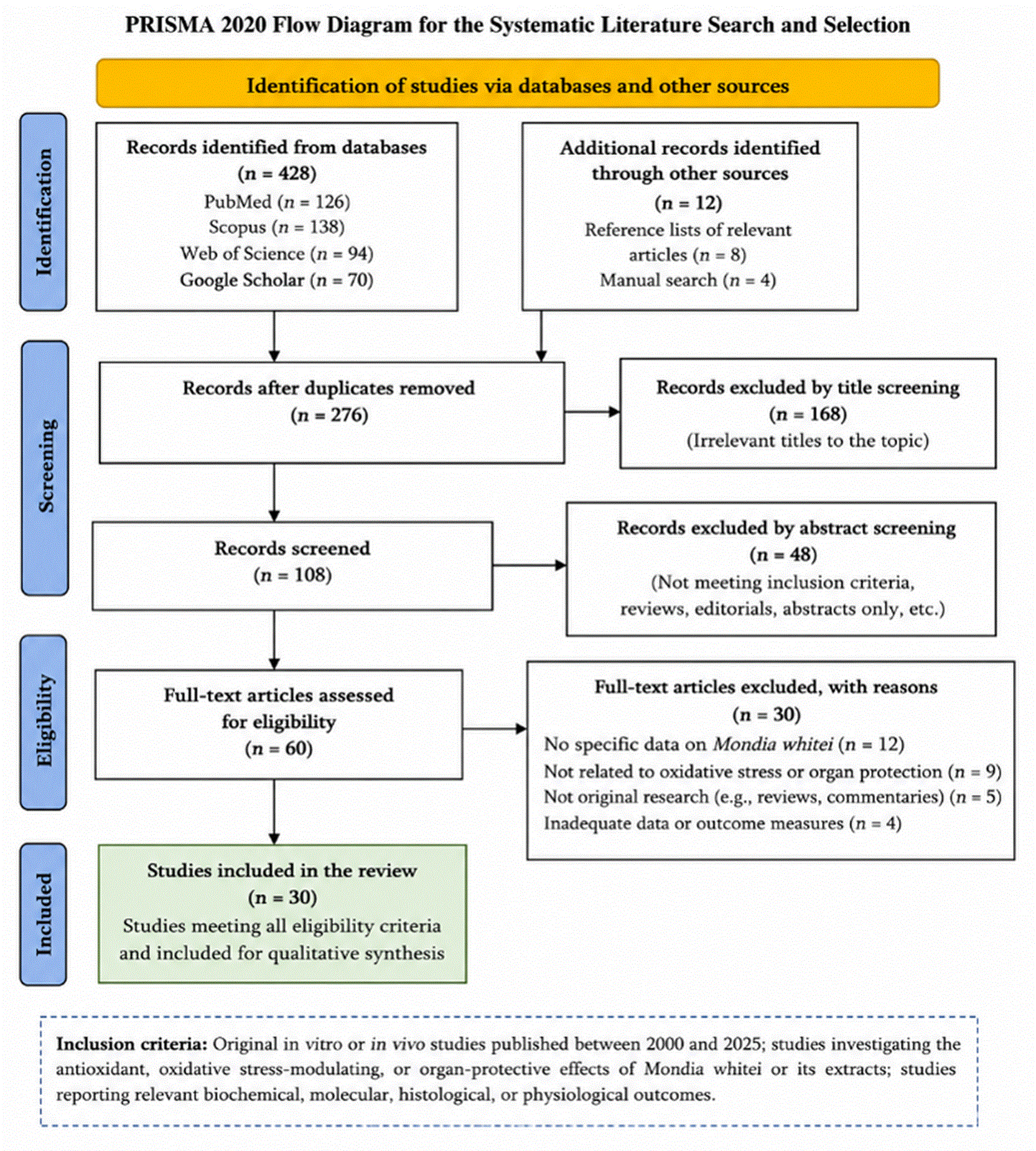
Figure legend: The diagram summarizes identification of records from electronic databases and additional sources, removal of duplicates, title and abstract screening, full-text eligibility assessment, reasons for exclusion, and final inclusion of studies used in this narrative review. (designed and created by ChatGPT 4.0).
Studies were considered eligible for inclusion if they investigated Mondia whitei in relation to its phytochemical profile, antioxidant capacity, anti-inflammatory effects, reproductive benefits, or protective effects against organ damage. Eligible studies included original research articles, review articles, book chapters, and experimental investigations involving in vitro, in vivo, or clinical models. Particular emphasis was placed on studies evaluating mechanisms associated with oxidative stress modulation, including effects on reactive oxygen species generation, antioxidant enzyme activity, inflammatory signaling, mitochondrial function, apoptosis, and tissue protection. Publications addressing the therapeutic relevance of M. whitei in reproductive, hepatic, renal, cardiovascular, neurological, and other oxidative stress-related conditions were also considered.
Studies were excluded if they were unrelated to Mondia whitei, lacked sufficient methodological information, or did not provide scientifically relevant evidence regarding its biological or therapeutic effects. Additional exclusion criteria included duplicate publications, conference abstracts without accessible full-text articles, non-English publications, inaccessible full-text studies, and reports focused exclusively on agricultural, ecological, or conservation aspects without pharmacological or biomedical relevance. These criteria were applied to ensure that the included literature provided meaningful evidence regarding the medicinal properties, mechanisms of action, and therapeutic potential of M. whitei.
A narrative synthesis approach was used to integrate and critically evaluate findings from the selected studies. Extracted information was organized into major thematic areas, including phytochemical composition, antioxidant mechanisms, anti-inflammatory activities, reproductive effects, and organ-protective properties. Evidence was compared across different experimental models to identify consistent findings, limitations, methodological variations, and existing knowledge gaps. The synthesized findings were subsequently used to evaluate the therapeutic promise of Mondia whitei as a natural antioxidant and cytoprotective agent, while highlighting the need for further mechanistic investigations, standardized extract development, pharmacokinetic evaluation, and clinical studies to support its translation into evidence-based therapeutic applications.
The therapeutic potential of Mondia whitei is largely attributed to its diverse phytochemical composition, which includes several classes of bioactive secondary metabolites distributed across its roots, leaves, and other plant parts. Phytochemical investigations have identified the presence of flavonoids, phenolic compounds, saponins, alkaloids, terpenoids, sterols, and other biologically active constituents with recognized antioxidant, anti-inflammatory, antimicrobial, cytoprotective, and reproductive-enhancing properties (K. K. Gitau, 2025b; Venter et al., 2009). These compounds contribute to the ability of M. whitei to regulate oxidative balance, neutralize reactive oxygen species (ROS), enhance endogenous antioxidant defenses, protect cellular structures, and preserve normal tissue function. The synergistic interaction among these phytochemicals provides a biochemical foundation for the broad pharmacological activities associated with the plant (Nwozo et al., 2023).
Flavonoids and phenolic compounds represent two of the most important antioxidant constituents identified in M. whitei (Defo Deeh et al., 2025). Flavonoids exert potent antioxidant effects through electron or hydrogen donation, direct scavenging of free radicals, inhibition of lipid peroxidation, and chelation of transition metals involved in ROS generation. They also regulate oxidative stress-responsive pathways, inflammatory mediators, and apoptosis-related signaling, thereby promoting cellular survival and tissue protection (Defo Deeh et al., 2025). Similarly, phenolic compounds possess strong radical-scavenging capacity due to their hydroxyl groups, enabling them to stabilize reactive molecules and prevent oxidative damage to lipids, proteins, and nucleic acids. The abundance of these polyphenolic compounds is considered a major contributor to the antioxidant capacity of M. whitei and may explain its reported hepatoprotective, nephroprotective, reproductive, and neuroprotective effects.
Saponins and alkaloids constitute another important group of bioactive molecules present in M. whitei (Ogunlakin et al., 2026). Saponins are glycosidic compounds with multiple biological activities, including antioxidant, anti-inflammatory, immunomodulatory, antimicrobial, and reproductive effects. Their protective actions are associated with reduction of oxidative damage, inhibition of lipid peroxidation, enhancement of antioxidant enzyme activity, and regulation of cellular signaling pathways. In addition, saponins have been linked with modulation of steroid hormone production and reproductive function, supporting the traditional use of M. whitei as a fertility-enhancing medicinal plant (Dhawan et al., 2025). Alkaloids, which are nitrogen-containing secondary metabolites, also contribute to the pharmacological profile of the plant through free radical scavenging, suppression of inflammatory responses, and protection against oxidative stress-induced cellular dysfunction (Kulkarni et al., 2025). Their neuroprotective and antimicrobial activities further highlight their therapeutic importance.
Terpenoids and sterols present in M. whitei further enhance its biological activities through antioxidant and cytoprotective mechanisms (Kulkarni et al., 2025). Terpenoids are structurally diverse compounds capable of reducing ROS production, suppressing inflammatory signaling pathways, stabilizing cellular membranes, preserving mitochondrial function, and preventing oxidative stress-induced apoptosis (Kulkarni et al., 2025). These properties support their contribution to the organ-protective effects of the plant. Plant sterols (phytosterols) also possess important biological functions, including maintenance of membrane stability, regulation of intracellular signaling, modulation of inflammatory processes, and enhancement of antioxidant defense mechanisms. Some phytosterols additionally exhibit hormone-modulating effects, suggesting a possible role in supporting reproductive health and fertility (Vasantharekha et al., 2025).
Overall, the combined presence of these phytochemical classes provides a strong mechanistic basis for the antioxidant, anti-inflammatory, fertility-preserving, and organ-protective effects attributed to Mondia whitei. Rather than acting through a single pathway, the plant’s bioactive constituents appear to exert complementary and synergistic actions involving ROS neutralization, enhancement of endogenous antioxidant systems, regulation of inflammation, mitochondrial protection, and cellular repair mechanisms. These properties support the traditional medicinal applications of M. whitei and highlight its potential as a source of natural therapeutic agents for oxidative stress-associated diseases. However, further studies using advanced phytochemical characterization, bioactivity-guided isolation, and molecular approaches are required to identify the specific compounds responsible for its therapeutic effects and facilitate the development of standardized phytotherapeutic preparations.
The antioxidant properties of Mondia whitei are attributed to a complex mixture of bioactive phytochemicals that act individually and synergistically to neutralize reactive oxygen species (ROS), prevent oxidative damage, and enhance endogenous antioxidant defense mechanisms (Defo Deeh et al., 2025; K. K. Gitau, 2025b; Hagari & Nguta, 2025). The composition and concentration of these compounds may vary depending on geographical origin, environmental conditions, plant maturity, and extraction methods; however, several major constituents have consistently been associated with the antioxidant and cytoprotective activities of the plant. These bioactive compounds contribute to the ability of M. whitei to protect cellular components, including lipids, proteins, DNA, and mitochondrial structures, from oxidative injury and may underlie its reported therapeutic effects in reproductive dysfunction and organ-related disorders(K. K. Gitau, 2025b).
Phenolic compounds and flavonoids represent some of the most important antioxidant constituents identified in M. whitei (Onohuean et al., 2022). Phenolic compounds possess hydroxyl groups that enable electron or hydrogen donation, allowing effective neutralization of free radicals and termination of oxidative chain reactions. They also inhibit lipid peroxidation, stabilize cellular membranes, and protect proteins and nucleic acids from oxidative modification. Similarly, flavonoids exhibit powerful antioxidant effects through direct ROS scavenging, metal-chelating activity, and regulation of endogenous antioxidant systems (Onohuean et al., 2022). These compounds enhance the activities of key antioxidant enzymes, including superoxide dismutase (SOD), catalase (CAT), and glutathione peroxidase (GPx), while simultaneously suppressing oxidative stress-induced inflammatory pathways. The presence of these polyphenolic compounds is considered a major contributor to the antioxidant capacity and tissue-protective effects of M. whitei.
Other important antioxidant-associated compounds in M. whitei include tannins, terpenoids, alkaloids, and saponins. Tannins, as polyphenolic molecules, possess strong reducing and free radical-scavenging properties that help prevent oxidative damage and lipid oxidation while also contributing anti-inflammatory and antimicrobial effects (Onohuean et al., 2022). Terpenoids provide additional protection by reducing ROS generation, maintaining membrane stability, preserving mitochondrial function, and regulating cellular pathways involved in oxidative stress adaptation and survival (Proshkina et al., 2026). Alkaloids contribute through their antioxidant and anti-inflammatory activities, including modulation of signaling pathways associated with oxidative injury, apoptosis, and cellular dysfunction (Aryal et al., 2022; Onohuean et al., 2022). Saponins further enhance the antioxidant profile of the plant by reducing lipid peroxidation, improving antioxidant enzyme activity, stabilizing biological membranes, and promoting cellular resilience against oxidative stress.
The aromatic and volatile constituents of M. whitei, particularly those responsible for the characteristic vanilla-like aroma of its roots, also contribute to its biological activity (Venter et al., 2009). Compounds such as 2-hydroxy-4-methoxybenzaldehyde and related phenolic derivatives have demonstrated antioxidant and anti-inflammatory properties through their ability to scavenge reactive molecules and limit oxidative damage (Jack et al., 2020). In addition, phytosterols and other minor constituents contribute to the overall protective effects of the plant by maintaining membrane integrity, regulating inflammatory responses, and supporting cellular defense mechanisms. Although these compounds may individually exert weaker antioxidant effects compared with major phenolic constituents, their combined interactions may enhance the overall biological activity of the plant through synergistic mechanisms (Defo Deeh et al., 2025).
Collectively, the antioxidant activity of Mondia whitei is mediated by a diverse phytochemical network capable of targeting multiple stages of oxidative stress development. Through direct free radical neutralization, inhibition of lipid peroxidation, enhancement of endogenous antioxidant defenses, modulation of inflammatory signaling, and protection of cellular structures, these bioactive compounds provide a strong biochemical foundation for the fertility-preserving and organ-protective effects associated with the plant. Understanding the specific contributions and interactions of these constituents remains essential for the development of standardized M. whitei extracts and the identification of bioactive molecules with potential therapeutic applications in oxidative stress-related diseases. Table 1 below shows Major phytochemical constituents identified in Mondia whitei.
Reactive oxygen species (ROS) are continuously generated in aerobic organisms as natural by-products of cellular metabolism, particularly during mitochondrial oxidative phosphorylation (Juan et al., 2021; Venditti et al., 2026). Under normal physiological conditions, controlled ROS production contributes to essential biological processes, including cellular signaling, immune regulation, apoptosis, and maintenance of redox homeostasis (Venditti et al., 2026). However, excessive ROS generation from endogenous sources such as mitochondrial electron leakage, NADPH oxidases, xanthine oxidase, cytochrome P450 enzymes, peroxisomes, and activated inflammatory cells, as well as from external factors including pollutants, radiation, heavy metals, cigarette smoke, drugs, and infections, can overwhelm antioxidant defenses and initiate oxidative stress. This imbalance activates several redox-sensitive signaling pathways, including nuclear factor erythroid 2-related factor 2 (Nrf2), nuclear factor-kappa B (NF-κB), mitogen-activated protein kinase (MAPK), phosphoinositide 3-kinase/protein kinase B (PI3K/Akt), and nuclear factor of activated T cells (NFAT), which regulate antioxidant responses, inflammation, apoptosis, and tissue remodeling (Nigam et al., 2025). Therefore, targeting ROS production and these molecular pathways represents a critical therapeutic approach for controlling oxidative stress-associated diseases.
One of the major consequences of excessive ROS accumulation is lipid peroxidation, a destructive process involving oxidative degradation of polyunsaturated fatty acids within cellular and organelle membranes (Endale et al., 2023). Reactive molecules, particularly hydroxyl radicals, initiate lipid oxidation reactions that generate lipid radicals and secondary products such as malondialdehyde (MDA) and 4-hydroxynonenal (4-HNE) (Valgimigli, 2023). These reactive aldehydes further amplify cellular injury by modifying proteins, DNA, and membrane components, resulting in impaired membrane integrity, mitochondrial dysfunction, altered ion transport, and loss of cellular function. Lipid peroxidation is particularly important in male reproductive dysfunction because spermatozoa contain high levels of polyunsaturated fatty acids and possess limited antioxidant capacity (Wang et al., 2025). Increased MDA levels are therefore widely used as indicators of oxidative damage and are strongly associated with reduced sperm quality, impaired fertilization capacity, and male infertility.
Proteins and nucleic acids are also major targets of oxidative injury. ROS-induced protein oxidation results in structural modification, enzyme inactivation, fragmentation, and disruption of important cellular processes such as metabolism, signaling, DNA repair, and antioxidant regulation (Klran et al., 2023; Liu et al., 2025a). Oxidative modification of key antioxidant enzymes, including superoxide dismutase (SOD), catalase (CAT), and glutathione peroxidase (GPx), further weakens cellular defense mechanisms and promotes a cycle of increasing oxidative damage. Similarly, ROS-induced DNA damage causes base modifications, strand breaks, chromosomal instability, and activation of DNA damage response pathways involving p53, ATM, ATR, and poly (ADP-ribose) polymerase (PARP) (Y. Hajam et al., 2022a). The accumulation of oxidative DNA lesions, particularly 8-hydroxy-2′-deoxyguanosine (8-OHdG), contributes to impaired spermatogenesis, sperm DNA fragmentation, apoptosis, and dysfunction in major organs including the liver, kidneys, cardiovascular system, and nervous system (S. R. Reddy et al., 2025).
The maintenance of cellular redox balance depends on an integrated endogenous antioxidant defense system composed of enzymatic and non-enzymatic antioxidants (García-Caparrós et al., 2020). Superoxide dismutase (SOD) serves as the first enzymatic barrier by converting superoxide radicals into hydrogen peroxide, which is subsequently detoxified by catalase (CAT) and glutathione peroxidase (GPx) (Rosa et al., 2021). Catalase prevents the accumulation of hydrogen peroxide and limits hydroxyl radical formation, whereas GPx reduces hydrogen peroxide and lipid hydroperoxides using reduced glutathione (GSH) as an electron donor. GSH, the most abundant intracellular non-enzymatic antioxidant, directly scavenges ROS, regenerates other antioxidants, regulates apoptosis, and maintains intracellular redox balance. The coordinated activity of SOD, CAT, GPx, and GSH is essential for protecting cellular membranes, proteins, DNA, and mitochondria from oxidative injury. Reduced activity or depletion of these antioxidant systems has been implicated in infertility, cardiovascular disease, diabetes, neurodegeneration, and chronic organ dysfunction.
Given the central role of oxidative stress in disease progression, therapeutic strategies aimed at enhancing antioxidant defenses and restoring redox homeostasis have gained significant attention. Natural products rich in antioxidant phytochemicals, including flavonoids, phenolics, tannins, terpenoids, alkaloids, and saponins, have demonstrated the ability to scavenge ROS, inhibit lipid peroxidation, regulate inflammatory signaling, and enhance endogenous antioxidant enzyme activity (Nwozo et al., 2023). Emerging evidence suggests that Mondia whitei may exert its fertility-preserving and organ-protective effects through similar mechanisms by increasing antioxidant defenses, improving SOD, CAT, and GPx activities, maintaining GSH levels, reducing oxidative damage, and modulating inflammatory and apoptotic pathways. These molecular actions provide a strong scientific basis for the therapeutic potential of M. whitei in oxidative stress-mediated disorders; however, further mechanistic and clinical studies are required to fully establish its efficacy and translational relevance as shown in Figure 3.
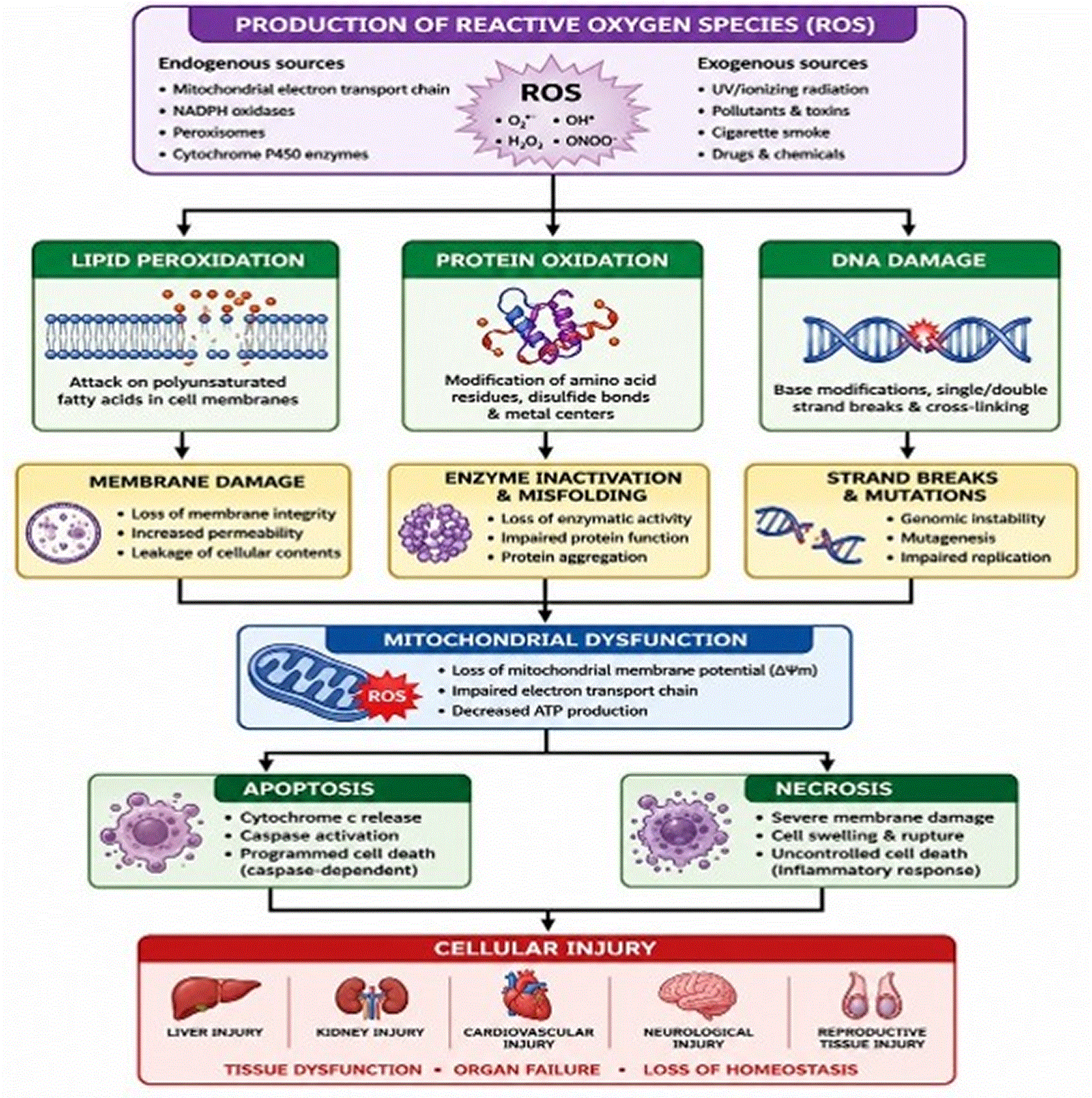
Figure legend: Excessive production of reactive oxygen species (ROS) from endogenous and exogenous sources overwhelms antioxidant defense systems, leading to lipid peroxidation, protein oxidation, DNA damage, mitochondrial dysfunction, inflammatory signaling, and apoptosis. These pathological processes contribute to cellular dysfunction and organ injury involving the liver, kidneys, cardiovascular system, nervous system, and reproductive tissues (designed and created by ChatGPT 4.0).
The antioxidant potential of Mondia whitei has gained significant scientific interest due to its rich phytochemical composition and extensive traditional use as a medicinal plant in Africa. Experimental evidence from both in vitro and in vivo studies demonstrates that M. whitei possesses substantial antioxidant activity, largely attributed to the synergistic actions of flavonoids, phenolic compounds, tannins, saponins, terpenoids, alkaloids, sterols, and other bioactive constituents (Onohuean et al., 2022). These compounds contribute to the plant’s ability to neutralize reactive oxygen species (ROS), inhibit oxidative damage to cellular macromolecules, enhance endogenous antioxidant defense systems, and preserve tissue integrity. Through these mechanisms, M. whitei has demonstrated potential protective effects against oxidative stress-induced injury affecting reproductive tissues and other vital organs.
In vitro antioxidant studies using standard assays such as the 2,2-diphenyl-1-picrylhydrazyl (DPPH) radical scavenging assay, ferric reducing antioxidant power (FRAP) assay, and ABTS radical cation decolorization assay provide evidence of the direct free radical-scavenging capacity of M. whitei extracts (Nwozo et al., 2023). Methanolic, ethanolic, and aqueous extracts, particularly from the roots, have demonstrated concentration-dependent antioxidant effects, with stronger activity generally associated with higher total phenolic and flavonoid content. Through hydrogen atom and electron donation, these phytochemicals stabilize reactive molecules, reduce oxidative chain reactions, and prevent the accumulation of damaging free radicals. The FRAP assay further confirms the reducing capacity of M. whitei constituents, indicating their ability to neutralize oxidizing molecules, while ABTS analysis demonstrates activity against both hydrophilic and lipophilic free radicals (Hagari & Nguta, 2025). Collectively, these findings provide biochemical evidence supporting the antioxidant capacity of the plant.
In vivo investigations further validate the biological relevance of the antioxidant effects observed in laboratory assays. Animal studies involving oxidative stress-induced models have shown that administration of M. whitei extracts reduces oxidative damage in reproductive, hepatic, renal, and other tissues (K. K. Gitau, 2025b). These protective effects are associated with improved tissue architecture, reduced inflammatory responses, restoration of redox balance, and enhanced cellular survival. Importantly, M. whitei has been shown to strengthen endogenous antioxidant defense systems by increasing the activities of key antioxidant enzymes, including superoxide dismutase (SOD), catalase (CAT), and glutathione peroxidase (GPx), while maintaining intracellular reduced glutathione (GSH) levels. Increased SOD activity promotes conversion of superoxide radicals into hydrogen peroxide, CAT facilitates hydrogen peroxide detoxification, and GPx eliminates hydrogen peroxide and lipid hydroperoxides using GSH as an electron donor. Together, these enzymatic and non-enzymatic defenses limit ROS accumulation and protect cells from oxidative injury (Irato & Santovito, 2021).
A major mechanism through which M. whitei exerts antioxidant effects is the inhibition of lipid peroxidation(K. K. Gitau, 2025b). Excessive ROS-induced oxidation of polyunsaturated fatty acids generates toxic lipid products, including malondialdehyde (MDA) and thiobarbituric acid reactive substances (TBARS), which serve as established biomarkers of oxidative damage. Experimental studies have demonstrated that treatment with M. whitei extracts significantly decreases MDA and TBARS levels in oxidative stress models, indicating reduced membrane lipid degradation and improved cellular stability (K. K. Gitau, 2025b). This effect is particularly relevant in male reproductive tissues, where sperm membranes are highly enriched with polyunsaturated fatty acids and are vulnerable to oxidative injury. By limiting lipid peroxidation, M. whitei may preserve sperm membrane integrity, mitochondrial function, and reproductive capacity.
Overall, available evidence indicates that Mondia whitei exhibits antioxidant activity through multiple complementary mechanisms, including direct ROS scavenging, enhancement of endogenous antioxidant enzymes, preservation of glutathione balance, and inhibition of oxidative lipid damage. These actions provide a strong scientific basis for its reported fertility-preserving, cytoprotective, and organ-protective effects. However, although preclinical findings remain promising, further studies are required to identify specific antioxidant-active compounds, clarify molecular pathways involved in redox regulation, standardize extract preparation, and establish clinical relevance through well-controlled human studies. Table 2 showing the Experimental Studies Evaluating the Antioxidant Activity of Mondia whitei.
The antioxidant and cytoprotective effects of Mondia whitei are mediated through multiple interconnected molecular mechanisms that collectively regulate redox balance, inflammation, mitochondrial function, and cellular survival (Ajayi et al., 2026). The plant’s diverse phytochemical constituents, including flavonoids, phenolics, tannins, terpenoids, saponins, alkaloids, and aromatic compounds, contribute to its ability to modulate oxidative stress at different biological levels. Current experimental evidence suggests that M. whitei reduces oxidative injury through direct reactive oxygen species (ROS) scavenging, enhancement of endogenous antioxidant defense systems, activation of redox-sensitive signaling pathways, suppression of inflammatory mediators, and inhibition of oxidative stress-induced apoptosis(K. Gitau, 2025a). These complementary mechanisms provide a biological explanation for the reported reproductive, hepatic, renal, cardiovascular, and neuroprotective properties of the plant.
One of the fundamental antioxidant mechanisms of M. whitei involves direct neutralization of ROS and reactive nitrogen species (RNS) (K. Gitau, 2025a). Bioactive compounds present in the plant, particularly phenolic compounds and flavonoids, contain hydroxyl and electron-donating functional groups that enable them to donate hydrogen atoms or electrons to unstable free radicals, thereby terminating oxidative chain reactions. In addition, some phytochemicals possess metal-chelating properties that reduce the availability of transition metals such as iron and copper involved in hydroxyl radical formation through the Fenton and Haber–Weiss reactions. These mechanisms are consistent with findings from antioxidant assays, including DPPH, ABTS, FRAP, nitric oxide scavenging, and reducing power assays, where M. whitei extracts demonstrate significant radical-neutralizing activity (Onohuean et al., 2022). By limiting ROS accumulation, the plant reduces oxidative damage to membrane lipids, proteins, DNA, and mitochondrial structures.
Beyond direct free radical scavenging, M. whitei enhances endogenous antioxidant defense mechanisms responsible for maintaining intracellular redox homeostasis. Experimental studies indicate that administration of M. whitei extracts improves the activities of major antioxidant enzymes, including superoxide dismutase (SOD), catalase (CAT), and glutathione peroxidase (GPx), while restoring levels of reduced glutathione (GSH) (K. K. Gitau, 2025b). SOD converts superoxide radicals into hydrogen peroxide, which is subsequently detoxified by CAT and GPx, thereby preventing accumulation of highly reactive oxidative intermediates. GPx also protects cellular membranes by reducing lipid hydroperoxides using GSH as an electron donor. Enhancement of these antioxidant systems contributes to reduced malondialdehyde (MDA) and thiobarbituric acid reactive substances (TBARS), indicating decreased lipid peroxidation and improved cellular protection. This reinforcement of endogenous antioxidant capacity represents a major mechanism underlying the fertility-preserving and organ-protective effects attributed to M. whitei.
A major molecular pathway involved in antioxidant regulation is the nuclear factor erythroid 2-related factor 2 (Nrf2)/Kelch-like ECH-associated protein 1 (Keap1) signaling pathway (Cheng et al., 2011; Xiao et al., 2024). Under normal conditions, Nrf2 is retained in the cytoplasm by Keap1 and targeted for degradation; however, oxidative stress or exposure to antioxidant phytochemicals promotes Nrf2 release and nuclear translocation. Activated Nrf2 binds antioxidant response elements (AREs) and stimulates transcription of cytoprotective genes involved in antioxidant defense, including SOD, CAT, GPx, glutathione reductase (GR), glutathione S-transferase (GST), heme oxygenase-1 (HO-1), NAD(P) H quinone oxidoreductase 1 (NQO1), and enzymes involved in GSH synthesis (He et al., 2020). Although direct molecular studies on M. whitei remain limited, its high flavonoid and phenolic content suggests potential activation of Nrf2-mediated antioxidant signaling. Regulation of this pathway may enhance cellular resistance against oxidative injury and provide protection against chronic diseases associated with redox imbalance (Xiao et al., 2024).
Oxidative stress and inflammation are closely interconnected processes, with excessive ROS acting as important activators of inflammatory signaling pathways (Liu et al., 2025b). One of the central inflammatory regulators affected by oxidative stress is nuclear factor-kappa B (NF-κB), which promotes the expression of inflammatory cytokines and enzymes, including tumor necrosis factor-alpha (TNF-α), interleukin-1 beta (IL-1β), interleukin-6 (IL-6), cyclooxygenase-2 (COX-2), and inducible nitric oxide synthase (iNOS). Phytochemicals present in M. whitei, particularly flavonoids and phenolic compounds, may suppress NF-κB activation by reducing ROS generation and inhibiting inflammatory signaling cascades (Onohuean et al., 2022). Through attenuation of TNF-α, IL-1β, and IL-6 production, M. whitei may reduce inflammatory amplification, oxidative tissue damage, and pathological remodeling. This interaction between antioxidant and anti-inflammatory mechanisms provides an important explanation for its protective effects in reproductive, hepatic, renal, and cardiovascular tissues.
Oxidative stress-induced apoptosis represents another important target of M. whitei-mediated protection. Excessive ROS accumulation damages mitochondria, promotes cytochrome c release, activates caspase cascades, and triggers programmed cell death. By reducing oxidative burden and preserving mitochondrial integrity, M. whitei may inhibit activation of apoptotic mediators such as caspase-9 and caspase-3. Furthermore, its phytochemicals may regulate the balance between pro-apoptotic Bax and anti-apoptotic Bcl-2 proteins, preventing mitochondrial membrane disruption and promoting cell survival (Farzeen et al., 2025). Collectively, these antioxidant, anti-inflammatory, and anti-apoptotic mechanisms suggest that M. whitei acts through a coordinated molecular network to maintain cellular homeostasis and prevent oxidative stress-associated injury. However, further mechanistic investigations involving transcriptomic, proteomic, and molecular pathway analyses are required to confirm specific targets and establish its therapeutic potential in clinical settings. The proposed molecular mechanisms underlying the antioxidant and organ-protective effects of Mondia whitei is shown in Figure 4 below.
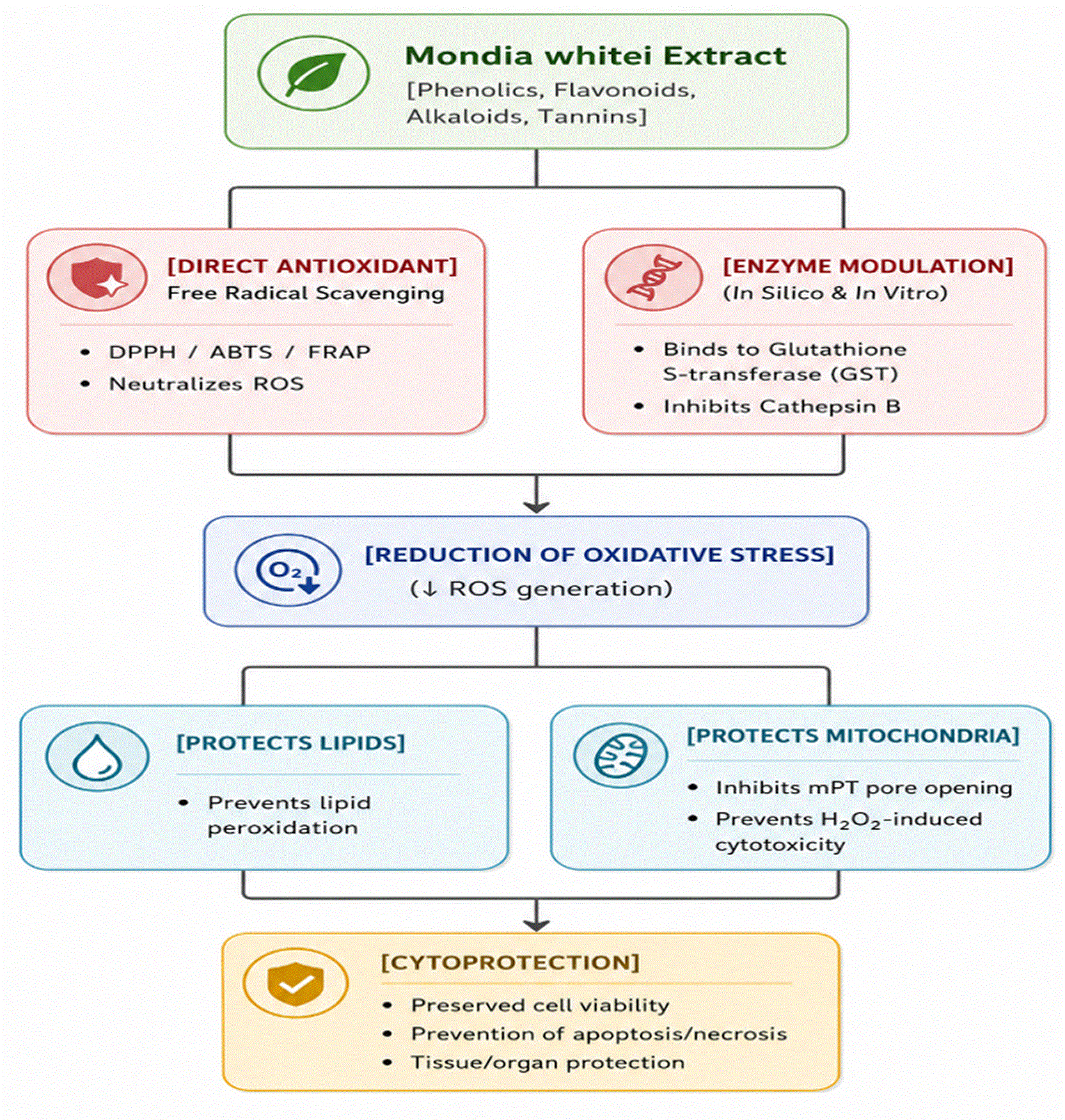
Figure legend: Bioactive phytochemicals present in Mondia whitei, including flavonoids, phenolic compounds, tannins, alkaloids, terpenoids, saponins, and phytosterols, directly scavenge reactive oxygen species, enhance endogenous antioxidant enzymes (SOD, CAT, GPx, and GSH), activate cytoprotective signaling pathways such as Nrf2/ARE, suppress NF-κB-mediated inflammation, reduce lipid peroxidation, preserve mitochondrial integrity, inhibit apoptosis, and promote cellular survival. Collectively, these mechanisms contribute to protection of reproductive, hepatic, renal, cardiovascular, and neural tissues from oxidative damage. (designed and created by ChatGPT 4.0).
Oxidative stress is a major contributor to organ dysfunction through mechanisms involving excessive reactive oxygen species (ROS) generation, lipid peroxidation, protein oxidation, DNA damage, mitochondrial impairment, inflammation, and apoptosis. Due to its rich phytochemical composition, including flavonoids, phenolic compounds, tannins, coumarins, alkaloids, saponins, terpenoids, and phytosterols, Mondia whitei has demonstrated promising protective effects against oxidative injury in multiple organ systems (Onohuean et al., 2022). Experimental evidence suggests that the plant exerts its protective actions by reducing ROS accumulation, enhancing endogenous antioxidant defenses, suppressing inflammatory pathways, maintaining cellular architecture, and preventing oxidative stress-induced tissue degeneration(K. K. Gitau, 2025b). These mechanisms provide a scientific basis for its reported renal, hepatic, reproductive, cardiovascular, and neuroprotective activities.
The kidneys are highly vulnerable to oxidative injury due to their high metabolic demands, extensive mitochondrial activity, and exposure to endogenous and environmental toxins. Excessive ROS generation promotes renal tubular damage, glomerular injury, inflammation, fibrosis, and progressive loss of renal function. Experimental nephrotoxicity models have demonstrated that M. whitei extracts protect renal tissues by reducing oxidative damage, enhancing antioxidant enzyme activities such as SOD, CAT, and GPx, and limiting lipid peroxidation (Gitau et al., 2025; Onohuean et al., 2022). These protective effects are reflected in improved biochemical markers of kidney function, including reduced serum creatinine and urea levels, indicating improved filtration capacity and renal clearance. Histopathological findings further support nephroprotection, with treated animals showing reduced tubular degeneration, decreased inflammatory infiltration, improved glomerular morphology, and preservation of normal renal architecture compared with untreated toxic models.
The liver is another major target of oxidative injury because of its central role in metabolism and detoxification. Reactive metabolites generated during xenobiotic metabolism can overwhelm hepatic antioxidant defenses, resulting in hepatocyte membrane damage, inflammation, mitochondrial dysfunction, and necrosis. Studies investigating M. whitei have demonstrated hepatoprotective effects through suppression of oxidative stress and restoration of hepatic antioxidant capacity (Anadozie et al., 2023). Administration of the plant extract has been associated with reductions in serum alanine aminotransferase (ALT), aspartate aminotransferase (AST), and alkaline phosphatase (ALP), indicating reduced hepatocellular leakage and improved liver function (Anadozie et al., 2023; Gitau et al., 2025). These biochemical improvements are accompanied by enhanced hepatic histological preservation, including reduced hepatocellular degeneration, decreased inflammatory infiltration, improved sinusoidal structure, and maintenance of normal hepatic architecture. The hepatoprotective activity of M. whitei is largely attributed to its antioxidant phytochemicals, which stabilize hepatocyte membranes and prevent ROS-mediated cellular injury (Anadozie et al., 2023; Onohuean et al., 2022).
The male reproductive system represents one of the most extensively studied targets of M. whitei due to its traditional use as a fertility-enhancing medicinal plant. Spermatozoa are particularly susceptible to oxidative damage because of their high polyunsaturated fatty acid content and limited antioxidant capacity (Edah et al., 2026b). Excessive ROS production in the testes causes lipid peroxidation, mitochondrial dysfunction, DNA fragmentation, impaired spermatogenesis, and reduced testosterone synthesis (Hussain et al., 2023b). Experimental studies indicate that M. whitei improves testicular antioxidant status by increasing SOD, CAT, GPx, and GSH levels while reducing oxidative biomarkers such as MDA(K. Gitau, 2025a). These effects preserve seminiferous tubule integrity, protect germ cells from apoptosis, and support normal sperm development. In addition, M. whitei has been associated with increased testosterone levels, possibly through protection of Leydig cells and enhancement of steroidogenic pathways involving enzymes responsible for androgen synthesis (Mabonga, 2021). Improvements in sperm concentration, motility, viability, and morphology further support its potential role in maintaining male reproductive function.
Cardiovascular protection represents another potential benefit of M. whitei, although research in this area remains less extensive compared with reproductive and hepatic studies (Gitau et al., 2025). Oxidative stress contributes significantly to cardiovascular disease by promoting endothelial dysfunction, vascular inflammation, lipid oxidation, and myocardial injury. The antioxidant and anti-inflammatory constituents of M. whitei may provide cardiovascular benefits by reducing ROS generation, limiting low-density lipoprotein (LDL) oxidation, preserving nitric oxide availability, and suppressing inflammatory cytokine activity (K. Gitau, 2025a). Through these mechanisms, the plant may help maintain vascular function and reduce oxidative cardiovascular injury. Further studies are required to define its specific effects on hypertension, atherosclerosis, and cardiac remodeling.
Beyond renal, hepatic, reproductive, and cardiovascular protection, M. whitei may possess broader cytoprotective effects involving the nervous, gastrointestinal, immune, and metabolic systems. Preliminary evidence suggests neuroprotective activity through reduction of neuronal oxidative stress, inhibition of neuroinflammation, and preservation of mitochondrial function, indicating potential relevance in neurodegenerative conditions (Zhao-Meng et al., 2020). The plant may also provide gastrointestinal protection by strengthening mucosal antioxidant defenses and reducing oxidative inflammatory injury. Emerging findings suggest possible antidiabetic effects through attenuation of oxidative stress-related pancreatic β-cell damage and improvement of metabolic regulation. However, these additional protective effects remain comparatively underexplored. Comprehensive mechanistic studies, standardized extract development, pharmacokinetic investigations, and clinical trials are necessary to establish the full therapeutic potential of Mondia whitei as an organ-protective medicinal agent as shown in Table 3 below.
The increasing recognition of oxidative stress as a major contributor to the development and progression of chronic diseases has stimulated growing interest in natural antioxidants as potential therapeutic agents (Sharifi-Rad et al., 2020b). Mondia whitei, a medicinal plant widely used in African traditional medicine, has demonstrated significant antioxidant, anti-inflammatory, fertility-enhancing, and cytoprotective activities in experimental models (Edah et al., 2026b). Its rich phytochemical profile, comprising flavonoids, phenolic compounds, tannins, saponins, alkaloids, terpenoids, coumarins, sterols, and other bioactive molecules, supports its ability to regulate oxidative imbalance, suppress inflammation, and protect cellular structures. Although most available evidence is derived from in vitro and animal studies, the pharmacological activities of M. whitei provide a strong foundation for further translational research aimed at developing natural interventions for oxidative stress-associated disorders.
The therapeutic applications of M. whitei are particularly promising in male reproductive health, where oxidative stress is a major contributor to infertility and impaired reproductive function (Matthew et al., 2025). Experimental studies have consistently demonstrated that M. whitei improves testosterone levels, sperm concentration, motility, viability, and morphology through reduction of testicular oxidative damage and preservation of steroidogenic activity. These effects are associated with increased antioxidant enzyme activity, reduced lipid peroxidation, improved mitochondrial function, and protection of germ cells from oxidative apoptosis. Beyond reproductive health, the plant exhibits potential hepatoprotective and nephroprotective applications by reducing oxidative injury, improving biochemical markers such as ALT, AST, ALP, creatinine, and urea, and preserving tissue architecture (Anadozie et al., 2023). These findings suggest possible relevance in conditions such as drug-induced liver injury, non-alcoholic fatty liver disease, chronic kidney disease, and toxin-mediated organ damage.
The antioxidant and anti-inflammatory properties of M. whitei may also provide therapeutic benefits in cardiovascular, neurological, and metabolic disorders. Oxidative stress contributes to endothelial dysfunction, vascular inflammation, lipid oxidation, and myocardial injury, and the phytochemicals present in M. whitei may reduce these processes through inhibition of ROS generation, preservation of nitric oxide bioavailability, suppression of inflammatory mediators, and protection against oxidative modification of lipoproteins (Onohuean et al., 2022; Zhao-Meng et al., 2020). Similarly, emerging evidence suggests potential neuroprotective effects through reduction of neuronal oxidative injury, mitochondrial dysfunction, and neuroinflammation, processes involved in neurodegenerative diseases such as Alzheimer’s and Parkinson’s diseases (Fields et al., 2023). Its antioxidant actions may also support metabolic health by protecting pancreatic β-cells from oxidative damage and improving cellular responses associated with diabetes mellitus. Collectively, these findings indicate that M. whitei may serve as a complementary therapeutic agent for diseases characterized by oxidative stress and chronic inflammation.
Compared with conventional synthetic antioxidants, M. whitei offers several potential advantages due to its complex phytochemical composition and multitarget biological activity (Onohuean et al., 2022). Unlike single synthetic compounds that primarily function through direct radical scavenging, M. whitei contains multiple bioactive constituents capable of simultaneously regulating ROS production, antioxidant enzyme systems, inflammatory signaling, mitochondrial function, and apoptotic pathways. Its phytochemicals may enhance endogenous defense mechanisms through activation of the Nrf2/Keap1 pathway while suppressing inflammatory cascades mediated by NF-κB. This multimodal activity may provide broader protection against chronic oxidative stress-related disorders (Thiruvengadam et al., 2021). Furthermore, its long history of traditional use across African communities provides valuable ethnopharmacological support, while its potential affordability and accessibility may enhance its relevance, particularly in regions where medicinal plants contribute significantly to healthcare practices.
Despite its promising therapeutic potential, safety evaluation remains a critical requirement before clinical application. Current experimental studies generally indicate that M. whitei exhibits relatively low acute toxicity, with treated animals showing no major abnormalities in behavior, body weight, organ morphology, or general physiological parameters at therapeutic doses (Olanlokun et al., 2021). However, several factors require careful consideration, including variation in phytochemical composition due to geographical origin, environmental conditions, harvesting practices, plant maturity, and extraction methods. The absence of standardized preparations may contribute to variability in biological effects and complicate comparisons among studies. Potential herb drug interactions also require investigation, as plant-derived phytochemicals may influence drug-metabolizing enzymes, antioxidant pathways, and inflammatory signaling processes (Chaachouay, 2025; Khan et al., 2026; Lippert & Renner, 2022). Long-term safety, reproductive safety, developmental effects, and toxicity in vulnerable populations remain insufficiently characterized.
Available toxicological evidence suggests that M. whitei has a favorable safety profile under experimental conditions, with acute and subacute studies reporting minimal adverse effects on hematological parameters, biochemical markers, and histological structures of major organs, including the liver, kidneys, heart, and testes (Gitau et al., 2025). Nevertheless, significant knowledge gaps remain regarding chronic exposure, pharmacokinetics, bioavailability, dose optimization, genotoxicity, carcinogenic potential, and clinical efficacy. Future research should prioritize standardized extract development, identification of active compounds, Good Laboratory Practice (GLP)-compliant toxicological studies, pharmacokinetic evaluation, and well-designed randomized clinical trials. Addressing these challenges will be essential for translating the promising preclinical evidence of Mondia whitei into safe, effective, and evidence-based therapeutic applications.
Despite increasing scientific evidence supporting the antioxidant, anti-inflammatory, reproductive, and organ-protective effects of Mondia whitei, significant limitations continue to restrict its translation into evidence-based therapeutic applications. Most available studies have focused on in vitro antioxidant assays and experimental animal models, while human clinical evidence remains scarce (Gitau et al., 2025; Olanlokun et al., 2021). In addition, variations in extraction procedures, plant sources, phytochemical composition, dosage regimens, and experimental protocols have contributed to inconsistencies among studies. Although current findings provide strong evidence for the biological potential of M. whitei, comprehensive investigations addressing efficacy, safety, molecular mechanisms, and clinical applicability are required before its acceptance as a standardized therapeutic agent (Onohuean et al., 2022).
The lack of well-designed clinical studies represents one of the major challenges in advancing M. whitei from traditional medicine to modern healthcare applications. Although preclinical investigations have demonstrated promising antioxidant, hepatoprotective, nephroprotective, cardioprotective, and fertility-enhancing effects, these outcomes require validation in human populations. Future research should prioritize randomized controlled clinical trials using standardized M. whitei preparations in individuals with oxidative stress-related conditions such as male infertility, metabolic disorders, diabetes mellitus, chronic kidney disease, liver dysfunction, and cardiovascular diseases. Such studies should evaluate clinical outcomes alongside validated biomarkers of oxidative stress, inflammation, hormonal status, and organ function, while also assessing long-term efficacy, safety, and tolerability.
Another important limitation is the incomplete understanding of the molecular mechanisms responsible for the therapeutic effects of M. whitei. Current studies largely emphasize changes in antioxidant enzyme activities and oxidative stress biomarkers but provide limited information regarding specific intracellular signaling pathways (Zhao-Meng et al., 2020). Future mechanistic investigations should explore the effects of M. whitei on major redox-regulated pathways, including the Nrf2/Keap1 antioxidant pathway, NF-κB-mediated inflammatory signaling, MAPK, PI3K/Akt, AMPK, and apoptosis-related pathways. In addition, studies examining mitochondrial biogenesis, mitochondrial dynamics, autophagy, endoplasmic reticulum stress, and inflammasome activation are needed to provide a deeper understanding of its cytoprotective mechanisms. Advanced approaches such as gene knockout models, CRISPR-based techniques, and pathway-specific inhibitors may further identify direct molecular targets responsible for its biological effects.
Standardization of M. whitei extracts remains a critical requirement for reproducibility and clinical development. The phytochemical profile of the plant can vary significantly depending on geographical location, environmental conditions, plant maturity, harvesting period, storage conditions, and extraction techniques. Therefore, future studies should establish standardized procedures for botanical authentication, extraction optimization, quality control, and chemical characterization. Quantification of major bioactive constituents, evaluation of batch-to-batch consistency, stability testing, and development of Good Manufacturing Practice (GMP)-compliant formulations will be essential for producing reliable and therapeutically consistent preparations. Standardization will also facilitate regulatory approval and allow meaningful comparison between independent investigations.
Although several phytochemical classes, including flavonoids, phenolic compounds, coumarins, tannins, alkaloids, saponins, terpenoids, and essential oils, have been identified in M. whitei, the specific compounds responsible for its antioxidant and organ-protective activities remain insufficiently characterized(K. K. Gitau, 2025b). Future research should employ advanced analytical approaches such as high-performance liquid chromatography (HPLC), liquid chromatography-mass spectrometry (LC-MS/MS), gas chromatography-mass spectrometry (GC-MS), nuclear magnetic resonance (NMR), and bioassay-guided fractionation to identify the most active molecules. Characterization of individual compounds and their interactions will help determine whether the observed biological effects result from synergistic, additive, or specific molecular actions and may support the development of novel phytopharmaceutical agents.
The integration of modern systems biology approaches represents an important direction for future M. whitei research. Multi-omics technologies, including genomics, transcriptomics, proteomics, metabolomics, and epigenomics, can provide comprehensive insights into how the plant influences cellular pathways and disease processes. Combining these approaches with network pharmacology, molecular docking, computational biology, and artificial intelligence-driven drug discovery may reveal novel therapeutic targets and improve understanding of its multitarget effects. Furthermore, pharmacokinetic investigations remain essential because limited information currently exists regarding absorption, bioavailability, metabolism, tissue distribution, elimination, and potential interactions with drug-metabolizing enzymes such as cytochrome P450 systems. Future translational efforts should therefore focus on integrating phytochemical characterization, molecular mechanistic studies, toxicological evaluation, pharmacokinetic profiling, and clinical trials to establish Mondia whitei as a safe, effective, and scientifically validated natural therapeutic agent for oxidative stress-associated diseases.
Oxidative stress represents a major pathological mechanism involved in the initiation and progression of numerous chronic diseases, including cardiovascular disorders, diabetes mellitus, neurodegenerative conditions, chronic kidney disease, liver injury, cancer, and male infertility. This review highlights Mondia whitei as a promising medicinal plant with significant antioxidant, anti-inflammatory, fertility-preserving, and organ-protective properties. Its therapeutic potential is largely attributed to its rich phytochemical composition, including flavonoids, phenolic compounds, coumarins, tannins, saponins, alkaloids, terpenoids, and other bioactive constituents that collectively enhance antioxidant defenses, scavenge reactive oxygen species (ROS), reduce lipid peroxidation, preserve mitochondrial function, and protect cellular macromolecules from oxidative damage. Experimental evidence demonstrates that M. whitei improves endogenous antioxidant systems by enhancing the activities of superoxide dismutase (SOD), catalase (CAT), glutathione peroxidase (GPx), and maintaining reduced glutathione (GSH) levels, while also suppressing inflammatory and apoptotic pathways associated with oxidative injury(K. K. Gitau, 2025b). These mechanisms contribute to its reported protective effects in reproductive, hepatic, renal, cardiovascular, and other organ systems, with particularly strong evidence supporting its role in reducing testicular oxidative stress, improving testosterone production, and enhancing sperm quality (Anadozie et al., 2023).
Despite its considerable therapeutic promise, the clinical translation of Mondia whitei remains limited by the predominance of preclinical evidence and the scarcity of well-controlled human studies. Variations in extract preparation, phytochemical composition, dosage, and experimental models have affected reproducibility, while the specific active compounds, molecular targets, pharmacokinetic properties, and long-term safety profile remain incompletely defined. Future research should therefore prioritize standardized extract development, advanced phytochemical characterization, mechanistic investigations using omics-based and molecular approaches, comprehensive pharmacokinetic and toxicological evaluations, and randomized clinical trials to establish efficacy, optimal dosing, and safety. Overall, the available evidence supports Mondia whitei as a valuable candidate for the development of evidence-based phytotherapeutic interventions against oxidative stress-related diseases. However, multidisciplinary research integrating traditional knowledge with modern pharmacology, molecular biology, and clinical science will be essential to fully realize its potential as a safe and effective therapeutic agent in modern healthcare.
Based on the available evidence, Mondia whitei represents a promising natural antioxidant with substantial potential for organ protection and therapeutic application in oxidative stress-associated disorders. However, its transition from traditional use and experimental research into evidence-based healthcare requires comprehensive scientific validation. Future studies should prioritize the development of standardized extracts with well-defined phytochemical profiles, identification of key bioactive compounds, and clarification of the molecular pathways responsible for its antioxidant, anti-inflammatory, and cytoprotective effects. In addition, detailed pharmacokinetic studies, long-term toxicological evaluations, and well-designed clinical trials are essential to establish its safety, efficacy, optimal dosage, and therapeutic limitations. These multidisciplinary efforts will facilitate the development of reliable, standardized, and scientifically validated Mondia whitei-based phytotherapeutic products for the prevention and management of oxidative stress-related diseases.
Not applicable.
Not applicable.
Not applicable.
No primary datasets were generated or analyzed during this study. This article is a narrative review based exclusively on previously published literature, and therefore no underlying research data are associated with this work.
Open Science Framework (OSF): Oxidative Stress Modulation and Organ Protection by Mondia whitei: Phytochemistry, Mechanisms, and Therapeutic Potential. [dataset and PRISMA 2020 checklist]. Open Science Framework; 2026. Available from: https://doi.org/10.17605/OSF.IO/N7W96 (Onesmus, et al., 2026).
This project contains the following extended data:
• Supplementary Figures.tiff containing:
Figure 1. Mondia whitei (Hook.f.) Skeels.
Figure 2. PRISMA 2020 flow diagram of the literature search and study selection process.
Figure 3. Mechanisms of oxidative stress-induced cellular injury.
Figure 4. Proposed molecular mechanisms underlying the antioxidant and organ-protective effects of Mondia whitei.
Data are available under the terms of the Creative Commons Zero “No rights reserved” data waiver (CC0 1.0 Universal (Public Domain Dedication) license, permitting unrestricted use, distribution, and reuse without restriction.